
As an Amazon Associate, we earn a small commission from qualifying purchases — at no extra cost to you.
Can You Grow a Bushy Pothos From a Single Vine? Find the interesting answer in this post for flourishing houseplant in your home garden.
If you’re asking, Can You Grow a Bushy Pothos From a Single Vine?, you are not alone. Many pothos owners want a fuller plant but are unsure where to begin. Knowing how this plant grows can help you make better care decisions and encourage healthier, more balanced growth over time.
First, Understand How Your Pothos Grows
Want to build the perfect indoor plant setup? Check out this indoor gardening system that serious plant lovers swear by. You can also check our Amazon Storefront for all such gardening needs.
If you expect a pothos to grow like a small bush, you may end up disappointed.
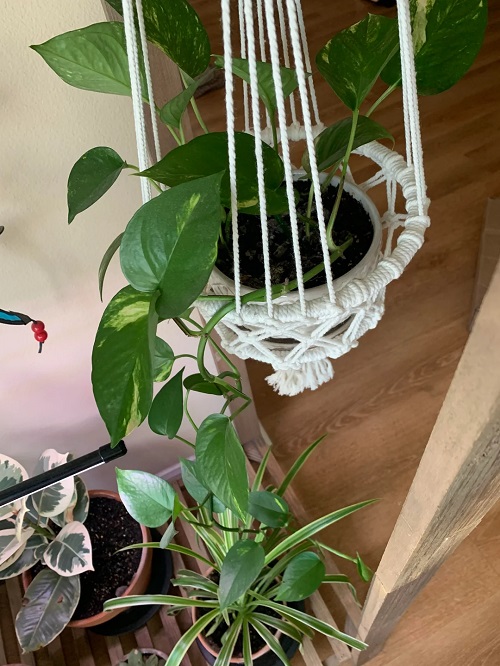
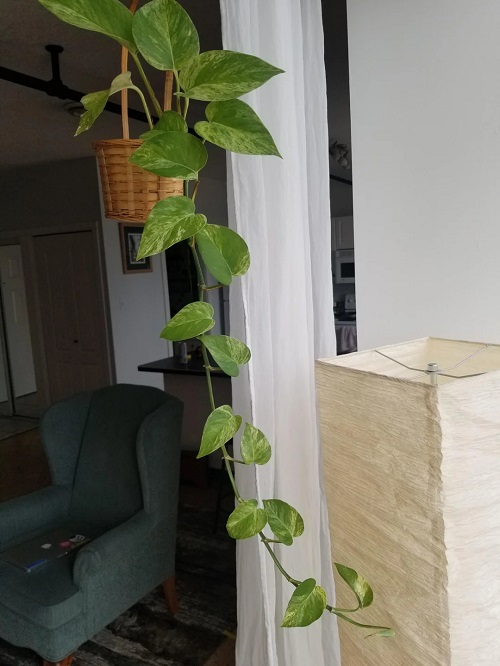
This plant has a different habit. It likes to grow as a vine. Instead of producing lots of stems from the base, it keeps sending one vine farther and farther in search of light or something to climb. That is why you might have a vine that stretches several feet across a shelf while the pot itself still looks almost empty.
So if your pothos has only one long stem, don’t assume you’re doing anything wrong. It is simply growing the way pothos naturally grows.
Better light means fuller pothos. This grow light delivers beautiful indoor lighting while helping plants grow faster.
Can You Grow a Bushy Pothos From a Single Vine?
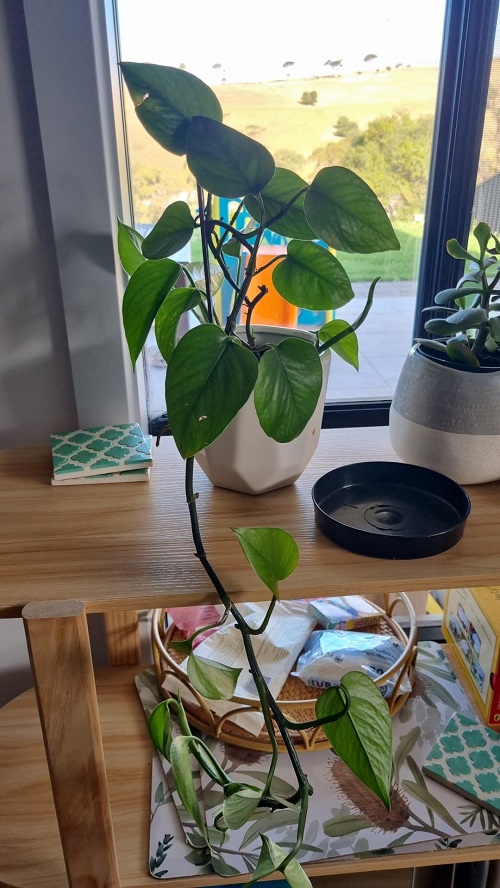
Yes, you can. But it will not happen without a little help from you.
If you leave one vine alone, it usually keeps getting longer instead of producing several new branches. The growing tip takes most of the plant’s energy, so the rest of the stem stays quiet.
To make your pothos look fuller, you need to interrupt that pattern. Once you encourage new growth points, the plant starts putting its energy in different places.
There is another thing worth knowing. Those thick, full pothos plants you see at garden centers are rarely one plant. Most of them are made by planting several rooted vines together in the same pot.
Pruning Is the Best Place to Start
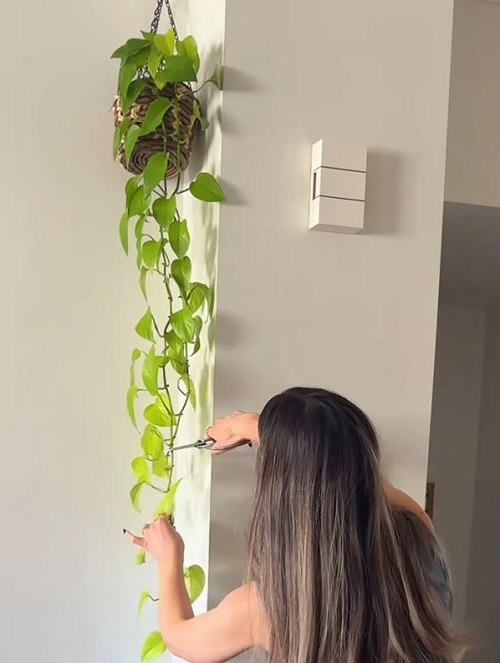
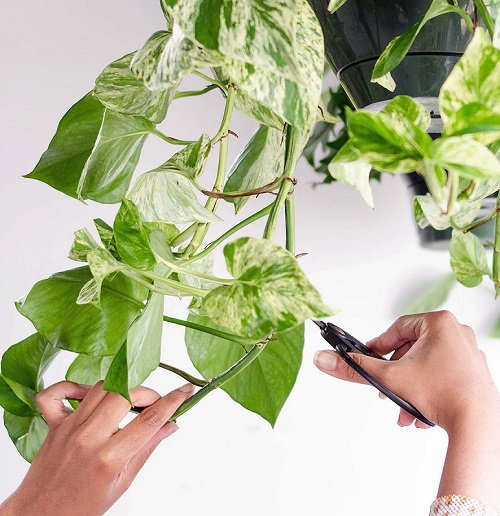
Cutting a healthy vine can feel wrong the first time. You finally have a long vine, and now someone tells you to trim it. It sounds backward, but pruning is one of the best ways to make your pothos fuller.
Look for a node before making the cut. A node is the small bump where a leaf joins the stem. Cut just above that spot with clean scissors or pruning shears. Once the tip is gone, the plant often wakes up a sleeping bud below the cut. Instead of making one endless vine, it may start fresh growth from that area.
A clean cut helps your pothos recover faster. These pruners are a favorite among gardeners for precise, effortless pruning.
Root Every Cutting Instead of Throwing It Away
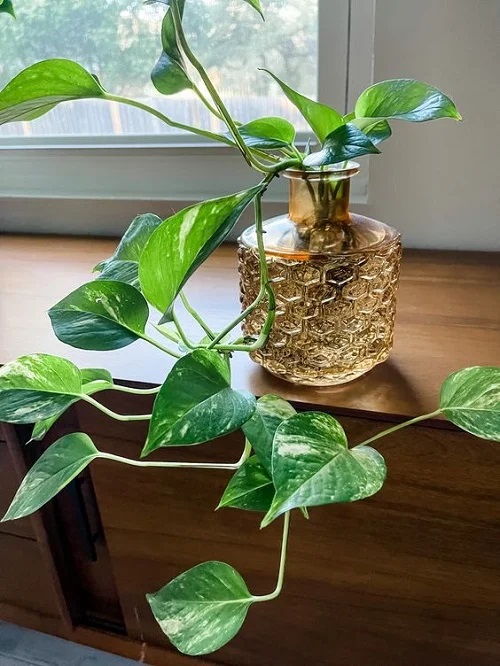
The piece you remove is not waste. It can become another pothos vine.
Place the cutting in a glass or jar filled with clean water. Keep one or two nodes under the water, but make sure the leaves stay above the surface. Put the container where it gets bright, indirect light. A warm room usually helps roots appear a little sooner.
Some cuttings surprise you by rooting quickly, while others seem to take their time. Both are normal. Once the roots are a couple of inches long, plant the cutting back into the same pot.
Now your container has another vine growing from the base. Every time you repeat this process, your pothos gradually becomes thicker.
This elegant propagation station turns every cutting into home décor.
Give Your Plant Better Light Before Buying Fertilizer
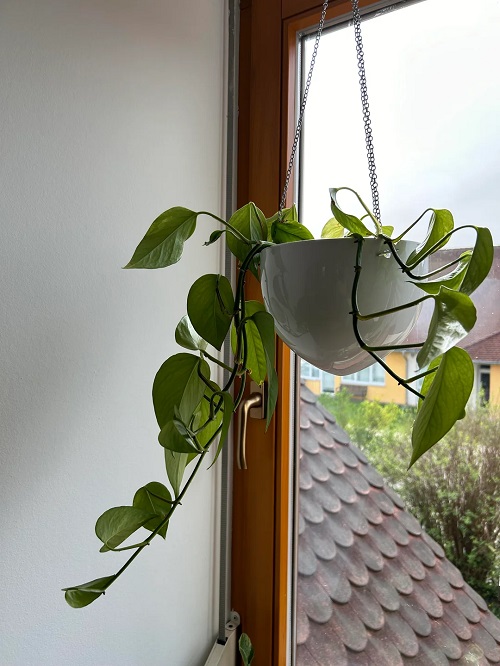
When a pothos looks thin, fertilizer is often the first thing people buy.
In many cases, light is the real problem. If your plant sits in a dark corner, it stretches toward the nearest light source. The spaces between the leaves become longer, making the vine look even thinner.
Move it somewhere brighter, but keep it away from harsh direct afternoon sun. An east-facing window is a great choice. You can also place it a few feet back from a south- or west-facing window where the light stays bright without scorching the leaves.
Once your pothos receives enough light, new leaves usually grow closer together, giving the vine a fuller appearance.
This professional-grade fertilizer encourages lush, healthy foliage without overfeeding.
Water Only When Your Plant Actually Needs It

Pothos is much happier with slightly dry soil than constantly wet soil. Before reaching for the watering can, press your finger into the top inch of the potting mix. If it still feels damp, wait another day or two.
When it feels dry, water deeply until excess water drains from the bottom of the pot. Empty the saucer afterward so the roots are not left sitting in water. Healthy roots support healthy growth. If the roots stay wet for too long, they struggle to do their job, and your plant slows down.
This moisture meter will tell you exactly when your pothos needs a drink.
Feed It, But Don’t Overdo It

Your pothos does not need frequent feeding. During spring and summer, a balanced liquid fertilizer every four to six weeks is usually enough.
Adding extra fertilizer will not force the plant to become bushier. In fact, too much fertilizer can burn the roots and leave brown edges on the leaves. When cooler months arrive, growth naturally slows. You can skip feeding until active growth starts again in spring.
Let Your Pothos Climb
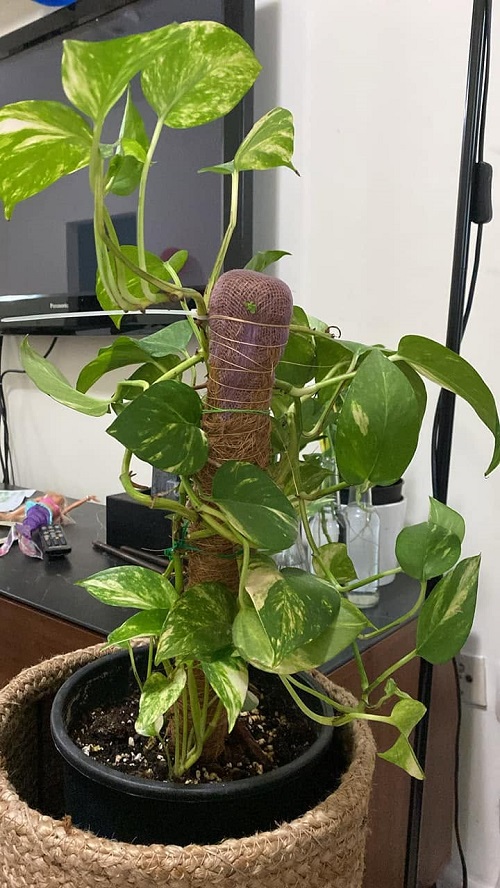
You have probably seen pothos hanging from shelves, and they certainly look beautiful that way.
But if you want stronger growth, give your vine something to climb. A moss pole or coco coir pole provides support that feels more natural to the plant. As it climbs, you may notice thicker stems and larger leaves.
Climbing alone will not make your pothos branch, but a healthier, stronger plant usually responds much better after pruning.
A moss pole encourages stronger climbing growth and a more dramatic look.
Rotate the Pot Once in a While
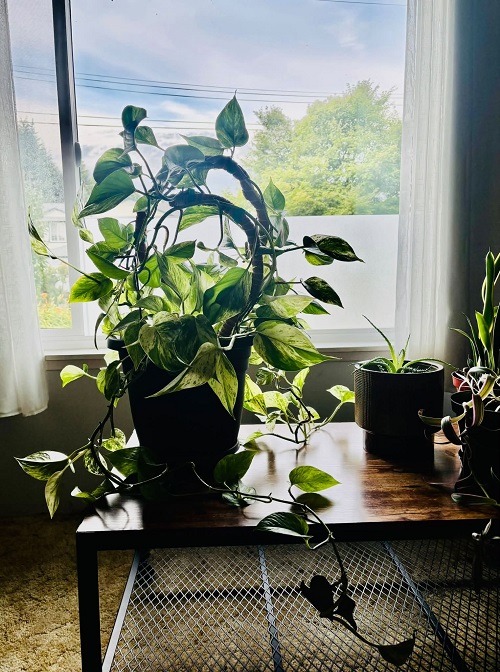
Plants always lean toward the light. If you never move the pot, one side becomes full while the other stays thin.
Every week or two, turn the pot about a quarter of the way around. It only takes a few seconds, but over several months, it helps your pothos grow more evenly from all sides.
Small Habits That Keep Your Pothos Looking Thin
Sometimes the problem is not the plant. It is the way it is being cared for.
If you never trim the vine, it simply keeps getting longer. If you keep it in low light, the gaps between the leaves become larger. Moving it into an oversized pot can also slow things down because the soil stays wet longer than necessary.
Another mistake is throwing away healthy cuttings after pruning. Each one could become another vine in the same container.
Most importantly, do not expect instant results. Pothos is steady, not fast. Small improvements add up over time.
When Will You Notice a Bushier Plant?
That depends on the season and your growing conditions.
If you prune during spring or summer, you may notice fresh growth within four to six weeks. Rooted cuttings usually settle into the pot without much trouble, especially while the plant is actively growing.
The biggest change comes with consistency.
Want every houseplant in your home to thrive? This beginner-friendly guide is packed with practical tips you’ll actually use.