
As an Amazon Associate, we earn a small commission from qualifying purchases — at no extra cost to you.
Seeing more green than purple? Find the Mistakes that Make Purple Heart Plant Green and keep your plant healthy and colorful.
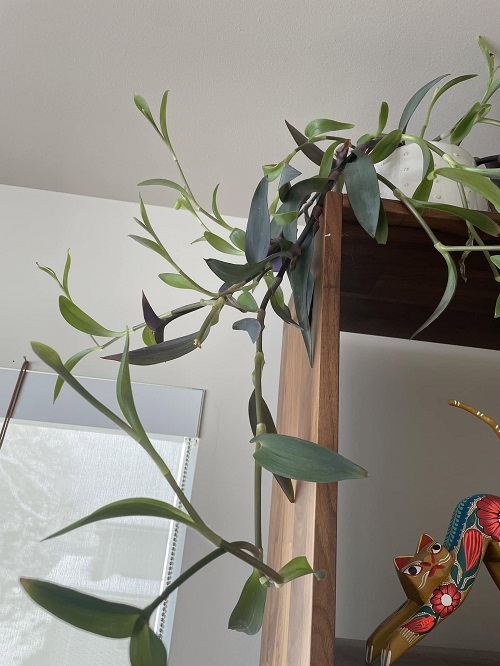
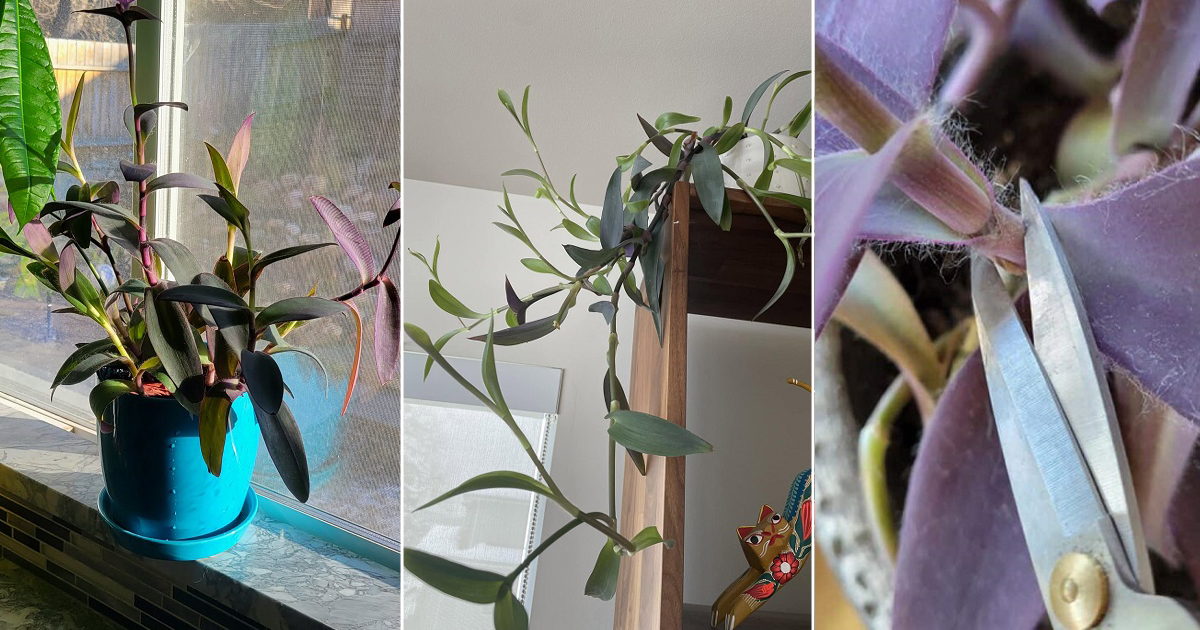
You buy a Purple Heart plant (Tradescantia pallida) because of its bold purple leaves. A few months later, it looks like a completely different plant. The leaves have turned green, the stems are longer, and the color that first caught your eye is fading away. It is easy to blame pests or disease, but that is not how this plant usually behaves. Most of the time, the change comes from the way it is growing. Purple Heart reacts quickly to its surroundings, especially to light. A small change in care can slowly change the leaf color.
The good news is that green leaves do not always mean something is seriously wrong. Once you understand what the plant needs, it often starts producing purple growth again.
NOTE: The Purple Heart plant (Tradescantia pallida) gets its rich purple color from anthocyanins, which are natural plant pigments.
Mistakes that Make Purple Heart Plant Green
Give your Purple Heart everything it needs to stay vibrant with this complete tool kit. Also, give a look at our Amazon Storefront for more such gardening supplies.
1. It Is Living in More Shade Than You Think
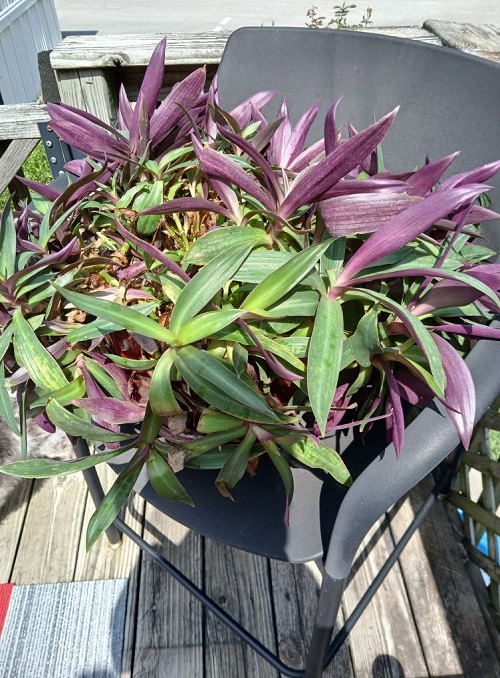
Many people say their Purple Heart gets plenty of light. Then they point to a spot under a porch roof or beside a fence. The plant survives there, but surviving and showing its best color are two different things.
Purple Heart develops its rich purple shade when it receives several hours of direct sun. In a shaded location, it begins making more chlorophyll because that helps it collect the limited light available. More chlorophyll means greener leaves.
I once moved a container only a few feet away from a shaded wall into an open spot. Nothing else changed. Within a month, the fresh leaves were noticeably darker than before.
If your plant has been in the same place for years, check whether nearby trees have grown larger. A spot that was sunny a few summers ago may now spend most of the day in shade.
Restore rich purple color, even if your garden or home lacks enough sunlight, with this grow light.
2. You Placed It in a Bright Room Instead of Direct Sun
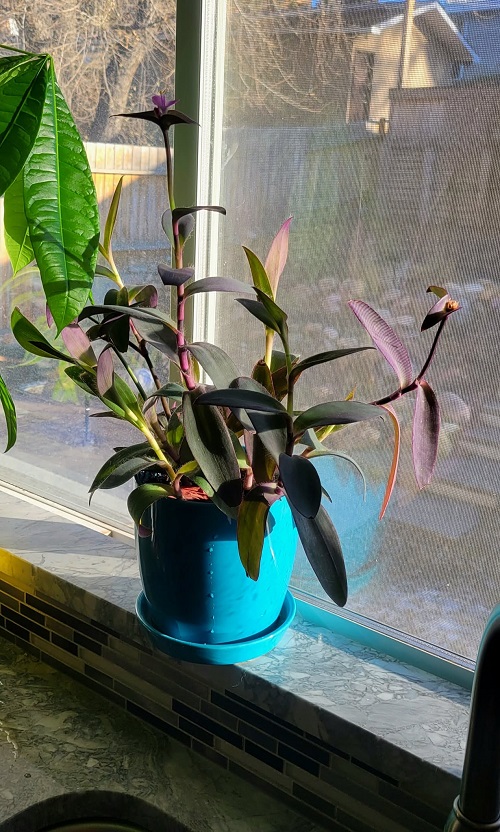
Indoor growers run into this problem all the time. A room can feel bright from morning until evening, yet the plant still struggles. Light that looks strong to us is not always strong enough for Purple Heart.
Watch the stems instead of the leaves for a clue. If they stretch toward the window and the gaps between leaves become wider, the plant is asking for more light.
Moving the pot closer to the glass is often enough. If your home rarely gets direct sunlight, a grow light can help keep the foliage colorful.
3. Too Much Fertilizer Can Wash Out the Color
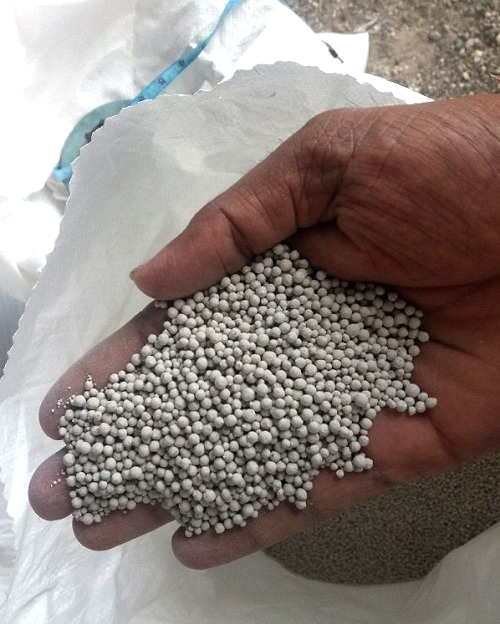
Feeding plants feels like the right thing to do, so it is easy to overdo it.
Purple Heart grows quickly with extra nitrogen. At first, that seems like a success because new leaves appear almost every week. After a while, though, those leaves become greener than the older ones.
Fast growth is not always healthy growth. A balanced fertilizer once every month during the growing season is usually enough. There is little benefit in feeding the plant every week.
Feed smarter, not more for richer color and healthier growth. Grab a balanced all-purpose fertilizer.
4. Watering Because the Calendar Says So
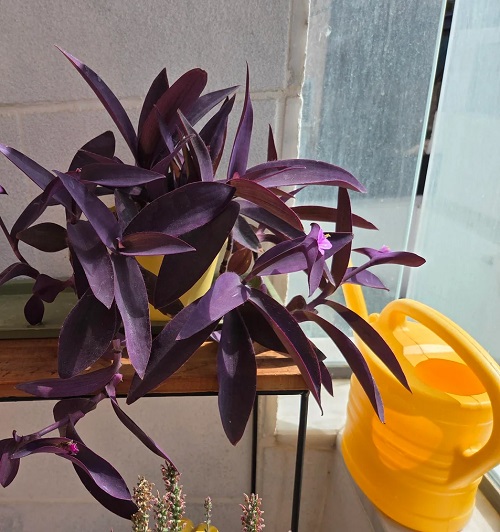
Plants do not know what day it is.
Some weeks the soil dries in three days. During cooler weather, it may stay damp for almost a week. People who water every Tuesday or every Sunday often end up keeping the roots wetter than necessary.
Purple Heart handles slightly dry soil better than constantly wet soil. Before reaching for the watering can, touch the soil. If the surface still feels damp, leave it alone for another day.
That simple habit prevents far more problems than buying another fertilizer or plant tonic.
Know exactly when to water, no more guesswork after this moisture meter.
5. Heavy Soil Keeps the Roots Unhappy
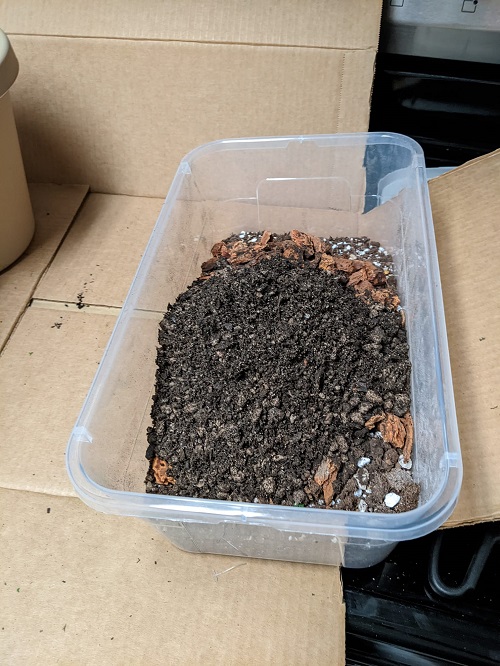
Not every potting mix drains well. Some soils stay wet long after watering. Others become hard and compact over time. Both conditions make life difficult for the roots.
Healthy roots support healthy leaves. Weak roots produce weak growth. If water sits on top of the soil instead of soaking in, or if the pot feels heavy several days after watering, the mix probably needs improving.
Fresh potting soil mixed with perlite usually solves the problem. Outdoors, adding compost helps loosen dense ground.
6. You Have Not Trimmed the Plant for a Long Time
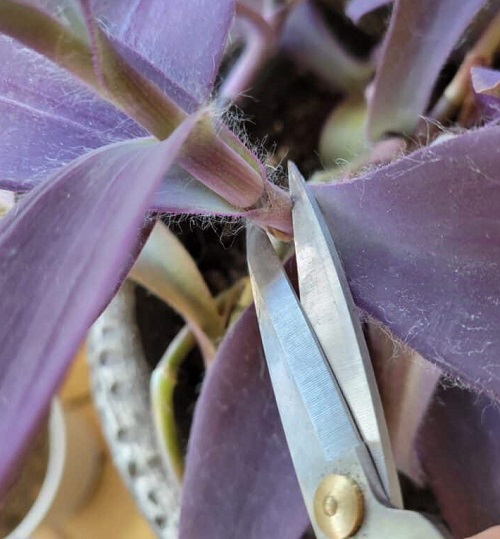
Purple Heart does not stay neat forever. Left alone, it grows long stems that slowly become bare near the bottom. The colorful tips keep growing while the older sections lose their attractive look.
A quick trim changes that. Cutting back the stems encourages new branches. The plant becomes fuller instead of taller, and the fresh shoots often show better color than the old ones.
You do not need special pruning skills. Even removing a few inches from long stems makes a noticeable difference.
A quick trim means a fuller, bushier plant, so add these pruning shears to your cart.
7. Another Plant Is Taking Away the Sun
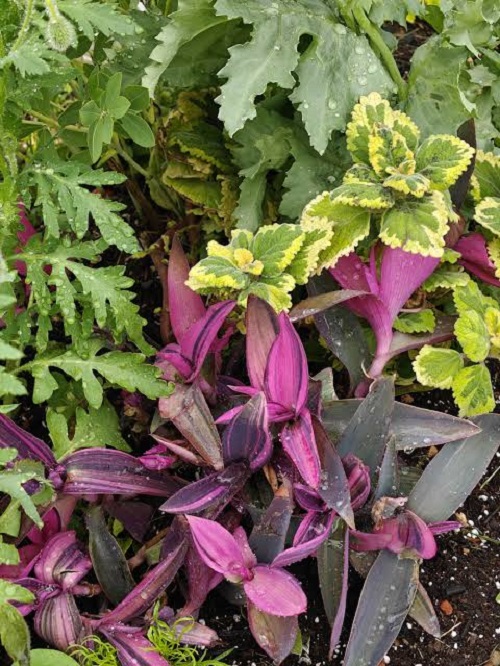
Sometimes the Purple Heart is not the problem. Look around it. Has a shrub doubled in size? Has a climbing vine spread across the fence? Has a hanging basket started casting shade every afternoon?
Gardens change every season. The Purple Heart may receive much less sunlight today than it did when you first planted it. This is worth checking before changing your watering or feeding routine.
Move heavy pots effortlessly to the sunniest spot in minutes with a rolling plant caddy.
8. Cold Weather Slows Everything Down
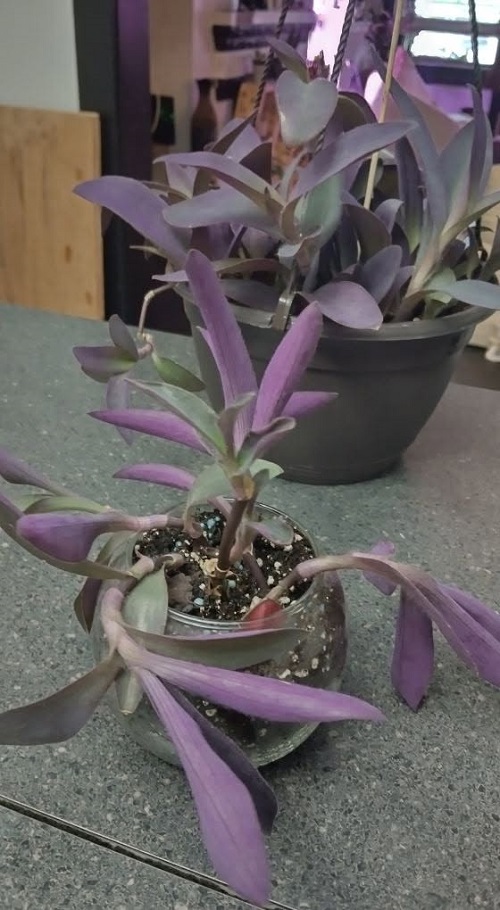
Purple Heart enjoys warm weather.
As temperatures drop, growth slows naturally. During that time, the leaves may lose some of their richness. Gardeners sometimes mistake this for poor health. If the plant is growing outdoors in a container, move it inside before cold nights become common.
Do not expect fast recovery while the weather stays cool. Once warmth returns, the plant usually begins growing more actively again.
Keep indoor conditions perfect with this humidifier while your plant waits for warmer weather.
9. Hoping Old Leaves Will Turn Purple Again
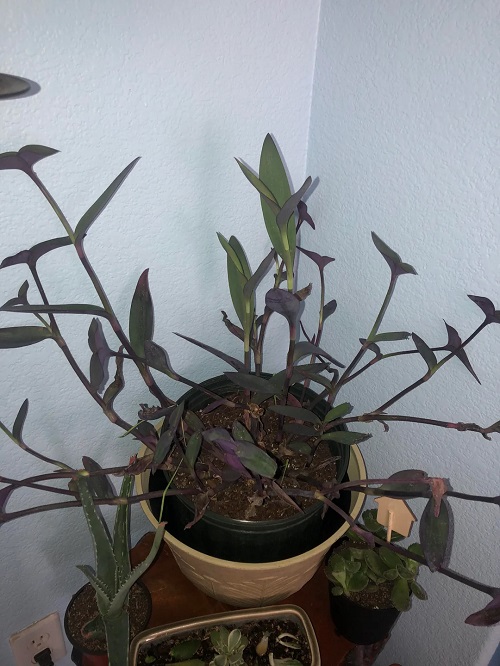
This mistake causes unnecessary disappointment.
After moving the plant into better light, people keep checking the same green leaves every day. Those leaves rarely change.
The real test is the new growth. When fresh leaves appear deep purple, you know the problem has been fixed. Older leaves have already finished developing, so their color usually stays the same.
10. Forgetting That Plants Need Occasional Fresh Soil
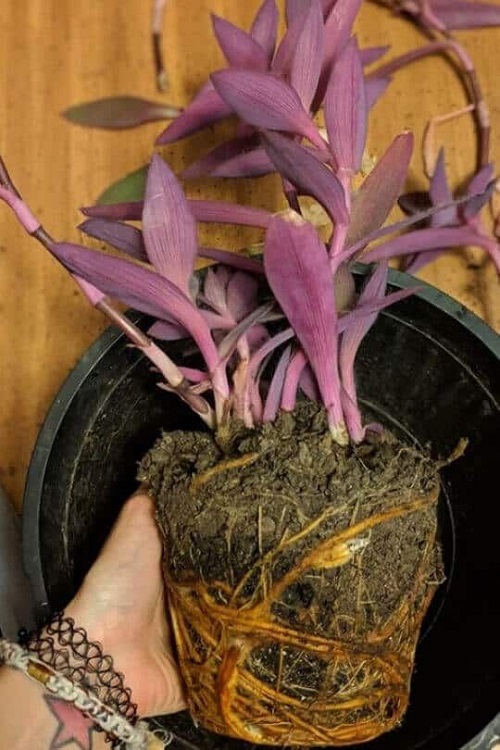
Even if you water correctly and provide enough sunlight, the potting mix eventually wears out. Over time, it becomes compact. Nutrients are used up, and drainage becomes slower.
Repotting every couple of years gives the roots fresh space and improves airflow. It is surprising how often a tired-looking Purple Heart begins growing vigorously after a simple soil change. Choose a pot only slightly larger than the previous one. An oversized container holds extra moisture, which the plant does not need.
Small Changes Usually Bring the Best Results
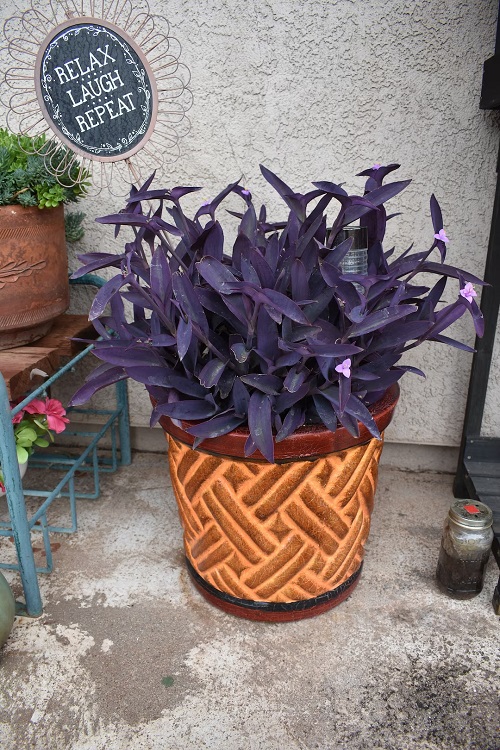
When gardeners notice green leaves, they often change everything at once. They move the pot, change the fertilizer, water more often, and repot on the same day.
That makes it difficult to know what actually helped. A better approach is to fix the biggest issue first. In most cases, that means improving the light. Give the plant a couple of weeks, then decide if anything else needs attention.
Purple Heart responds fairly quickly when conditions improve.
Grow healthier, more colorful houseplants with these top-rated gardening guide.