
As an Amazon Associate, we earn a small commission from qualifying purchases — at no extra cost to you.
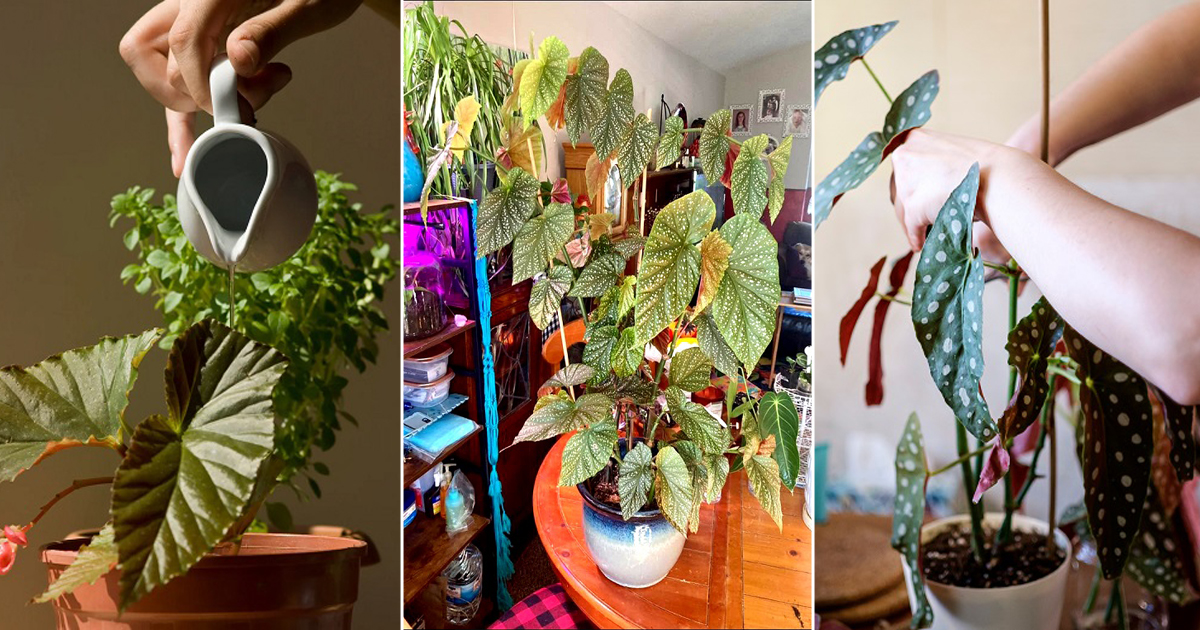
Why Your Begonia Grows Leaves But No Flowers? Find out what’s stopping the blooms and how simple care changes can bring them back.
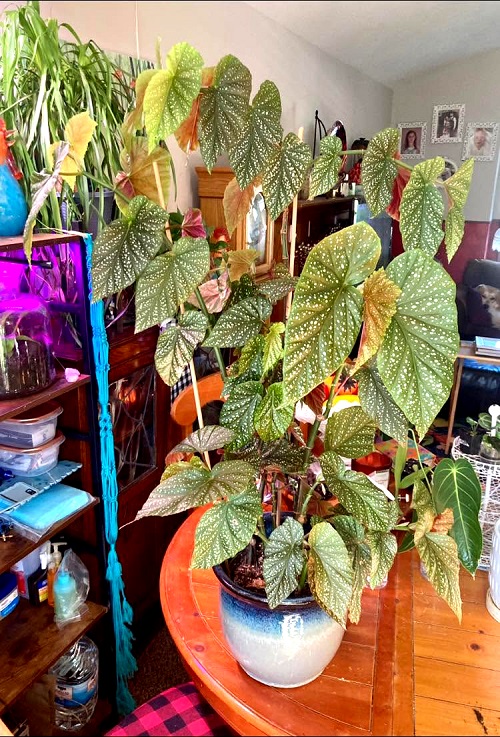
You look at your begonia and cannot help but admire its healthy leaves. The plant seems full of life. New foliage keeps appearing, and the stems look strong. Yet week after week, there are no flowers. It is frustrating because the plant does not appear to have anything wrong with it.
The good news is that a begonia with plenty of leaves is usually healthy enough to bloom. It simply needs the right conditions to shift its energy from growing foliage to producing flower buds. In most cases, you do not need to replace the plant. A few small changes are often enough to bring it back into bloom.
Why Your Begonia Grows Leaves But No Flowers
Want to build the perfect indoor plant setup? Check out this indoor gardening system that serious plant lovers swear by. You can also check our Amazon Storefront for all such gardening needs.
1. Check the Amount of Light First
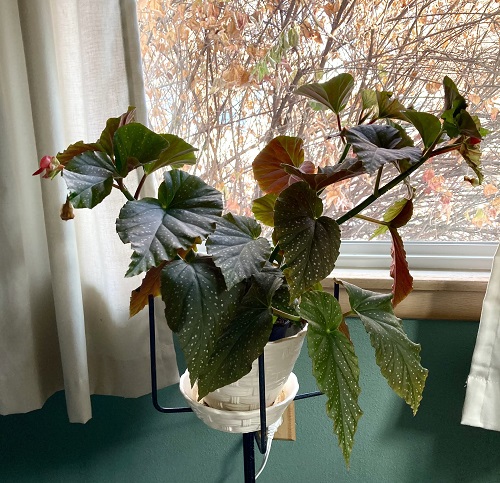
If your begonia has not flowered for a long time, start by looking at where you keep it.
Many people think begonias like deep shade because they can survive in low light. They certainly tolerate dim conditions better than many flowering plants, but surviving is not the same as blooming. When the light is too weak, your begonia keeps making leaves because that is the easiest way for it to grow. Flower production requires more energy.
Take a look at your plant during the day. If it spends most of its time in a dark corner or far from a window, light is probably the issue.
Move it to a brighter place with indirect sunlight. An east-facing window is often a good choice indoors. If you grow begonias outside, morning sun and afternoon shade usually give the best results. After moving the plant, be patient. It may take several weeks before new flower buds appear.
Use this grow light for your plant’s healthy growth.
2. Do Not Overfeed It
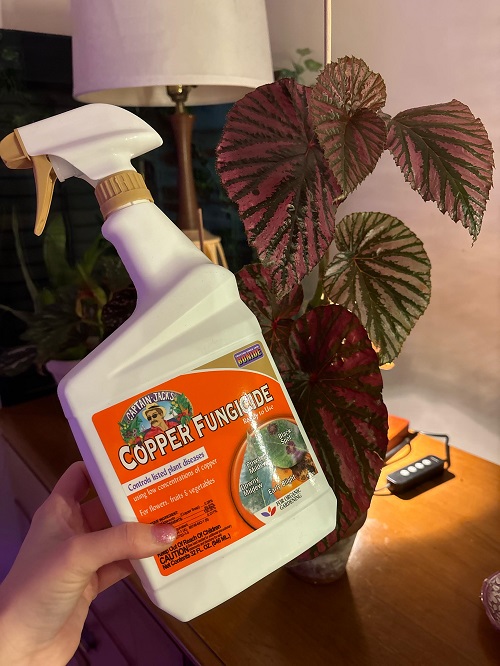
It is easy to assume that more fertilizer will produce more flowers. In reality, the opposite often happens.
When your fertilizer contains too much nitrogen, the plant uses those nutrients to grow larger leaves and longer stems. The foliage becomes lush and attractive, but flowering slows down.
Think about the last few times you fed your begonia. If you have been using the same fertilizer that you use for leafy houseplants or even your lawn, that could explain the problem.
Switch to a balanced fertilizer or one made for flowering plants. Feed lightly during the growing season instead of giving heavy doses. Your begonia responds much better to regular, moderate feeding than to large amounts of fertilizer all at once.
Here is the perfect all-purpose fertilizer food for your plants.
3. Your Pot Might Be Bigger Than Necessary
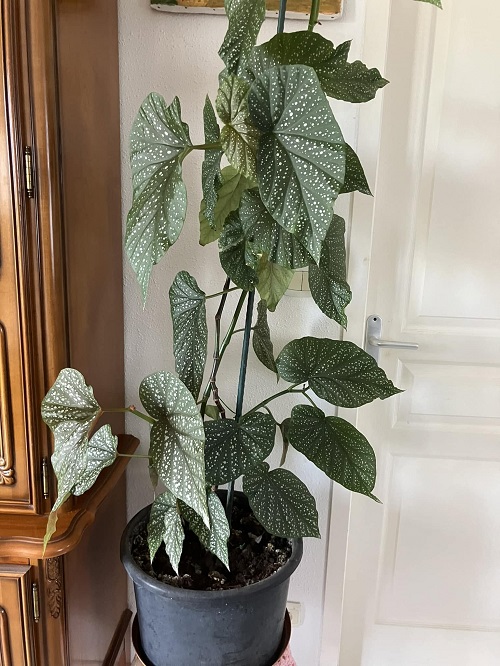
Repotting seems helpful because fresh soil gives the roots more room. However, begonias usually bloom better when they are slightly snug in their pots.
If the container is much larger than the root ball, your plant focuses on filling the empty soil with roots. Until that job is finished, flowering often takes a back seat.
This happens quite often after people move a small nursery plant into a large decorative pot. The leaves grow quickly, making it seem as though everything is going well, but flowers never arrive.
Choose a pot that is only a little wider than the existing root system. That simple change often encourages better blooming.
Here are some pretty clay pots that can be your plant’s new home.
4. Watering Should Stay Consistent
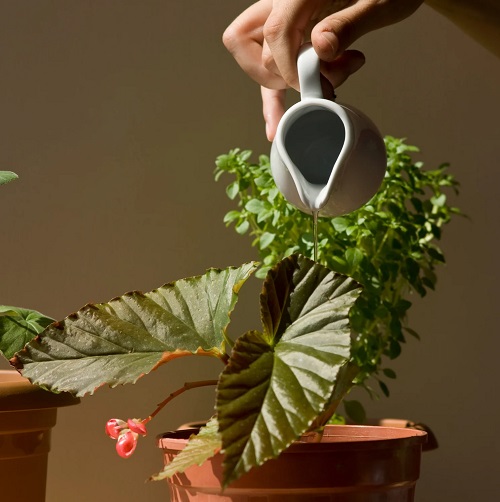
Begonias like moisture, but they dislike wet soil.
If you water too often, the roots stay damp for long periods. They cannot breathe properly, and the plant becomes stressed. On the other hand, if you let the soil become completely dry every few days, the plant also struggles.
Instead of following a fixed schedule, check the soil with your finger. Water when the top inch feels dry. Then allow excess water to drain away completely.
This routine keeps the roots healthy, which gives the plant enough strength to produce flowers.
Add this watering can to your gardening essentials.
5. Make Sure You Have a Flowering Variety
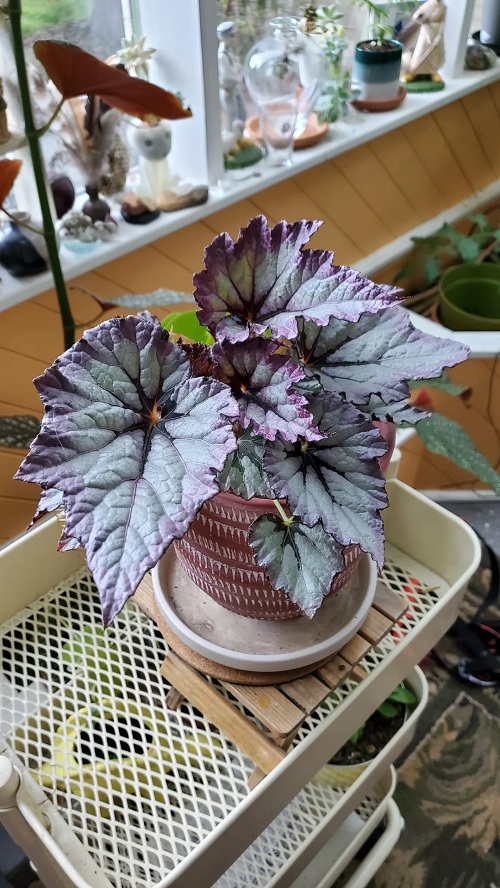
Sometimes the plant is doing exactly what it is supposed to do.
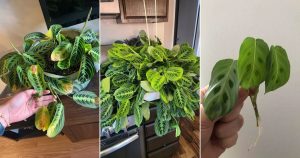
Not every begonia is grown for its flowers. Rex begonias, for example, are famous for their colorful leaves rather than their blooms. Their flowers are usually small and easy to overlook.
If your begonia has striking silver, purple, or patterned foliage, identify the variety before trying to solve a flowering problem. You may simply own a type that is prized for its leaves instead of its blossoms.
6. Sometimes the Weather Is the Real Reason
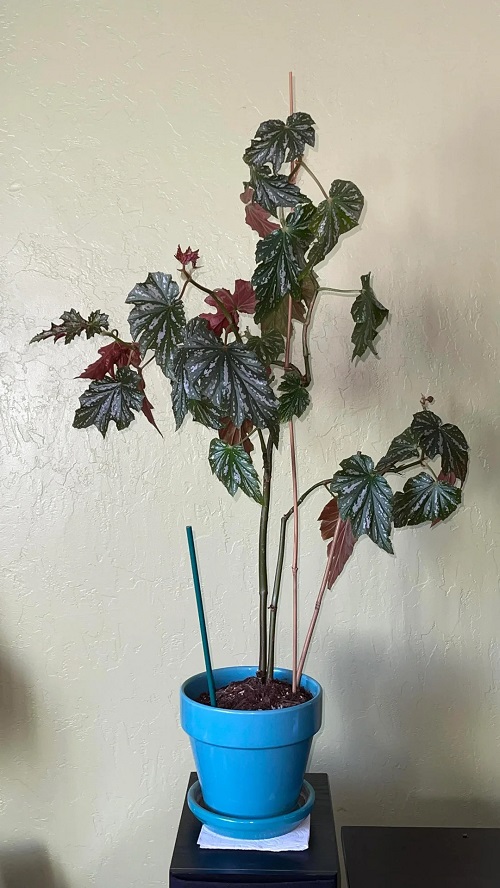
If your begonia blooms every year and suddenly stops, think about what has changed recently instead of what you changed.
A spell of very hot weather can interrupt flowering. The plant is not giving up. It is simply trying to protect itself. During extreme heat, it spends more energy keeping the leaves alive than producing flowers.
Cold temperatures can have the same effect. A begonia sitting near an air conditioner, a drafty door, or a chilly window may continue growing leaves while refusing to set buds.
You cannot control the weather outside, but you can avoid adding extra stress. Keep the soil evenly moist, protect the plant from harsh afternoon sun during heatwaves, and avoid moving it from one extreme temperature to another.
Often, blooming starts again once conditions become comfortable.
Get your hands on this humidifier that can set the environment exactly like your plant’s needs.
7. Do Not Forget That Some Begonias Rest
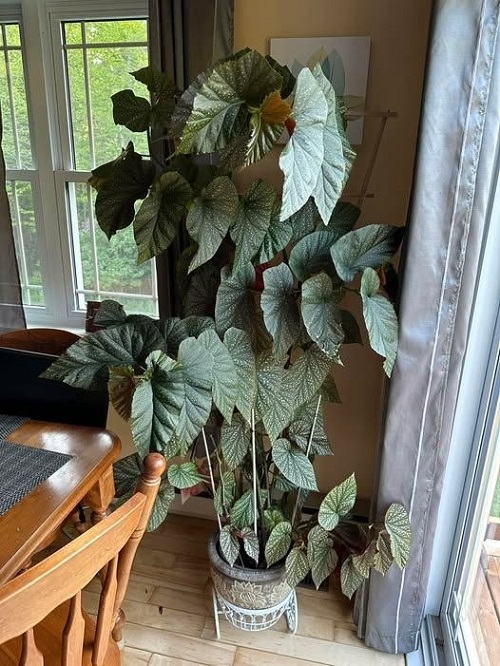
This surprises many new gardeners.
Certain begonias naturally slow down after their blooming season. Tuberous begonias are a good example. As the season ends, growth becomes slower and flowering stops. It is part of the plant’s normal cycle.
Many people mistake this rest period for a problem. They add more fertilizer or water more often, hoping to wake the plant up. Instead, the extra care can damage roots that are trying to rest.
If your begonia normally flowers during one part of the year, allow it to follow its natural schedule. Once new growth begins again, regular watering and feeding can resume.
8. Be Careful With Pruning
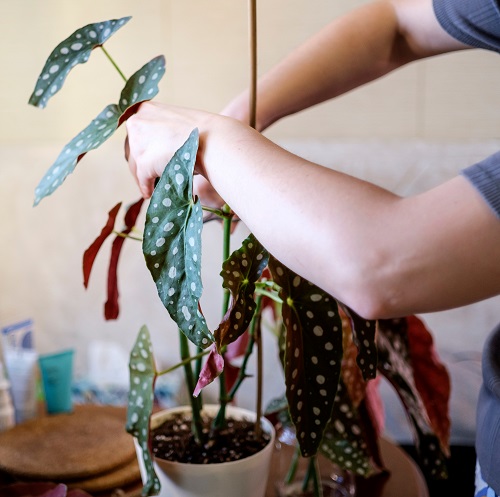
It is tempting to cut back a begonia that has become tall or uneven.
Light pruning is helpful because it encourages branching. More branches often mean more places for flowers to develop later.
Heavy pruning during the growing season is different. When you remove a large amount of healthy growth, the plant shifts its attention to replacing stems and leaves. Flowering slows until that work is finished.
Instead of cutting everything back at once, remove only damaged stems or faded flowers. Small adjustments are usually enough.
Use this pair of sharp pruners to trim the damaged stem to your desired length.