
As an Amazon Associate, we earn a small commission from qualifying purchases — at no extra cost to you.
Worried Why Are My Pothos Leaves So Small? Causes and Fixes can be easier than you think. Learn what your plant needs for bigger leaves.
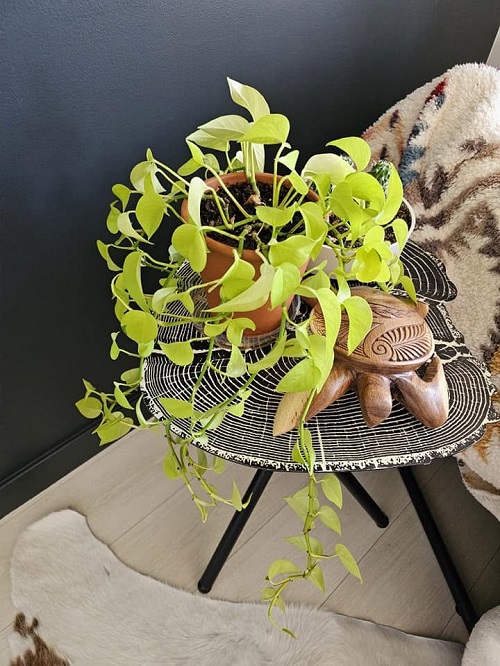
You bought a pothos because you loved those full vines covered with big, healthy leaves. After a few months, the plant is still growing, but something feels off. The vines keep getting longer, yet every new leaf seems smaller than the one before. It is a common problem, and it usually has a simple explanation.
Small leaves are not a disease. They are a signal. Your pothos is telling you that something in its growing conditions is holding it back. The trick is figuring out what that is before changing everything at once.
Why Are My Pothos Leaves So Small? Causes and Easy Ways to Grow Bigger Leaves
Love indoor greenery all year? Grow beautiful herbs and plants effortlessly with this best-selling indoor garden. For more such supplies, check out our Amazon storefront.
1. Look at the New Growth Before You Worry
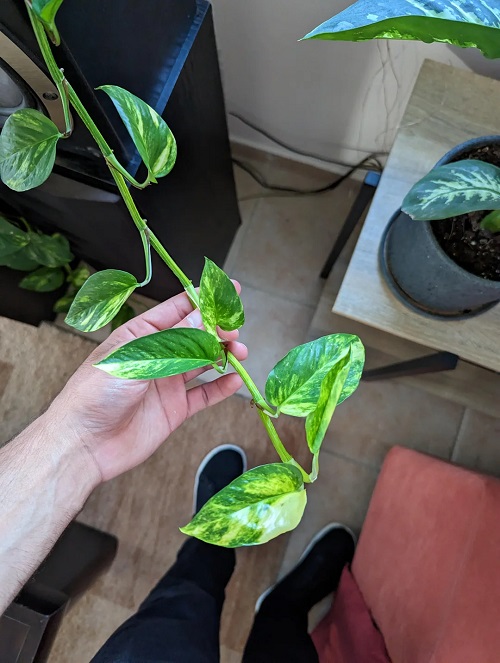
Not every small leaf is bad news. If your pothos has recently produced a few new vines, the first leaves on those stems will naturally be smaller. They usually increase in size as the vine matures. That is completely normal.
What deserves your attention is a plant that keeps making smaller and smaller leaves over several months. Compare the last five or six leaves instead of focusing on just one. If each new leaf is noticeably smaller, the plant is asking for better growing conditions.
Give your plant better conditions to grow with this flower pot.
2. Low Light Is Usually the Real Reason
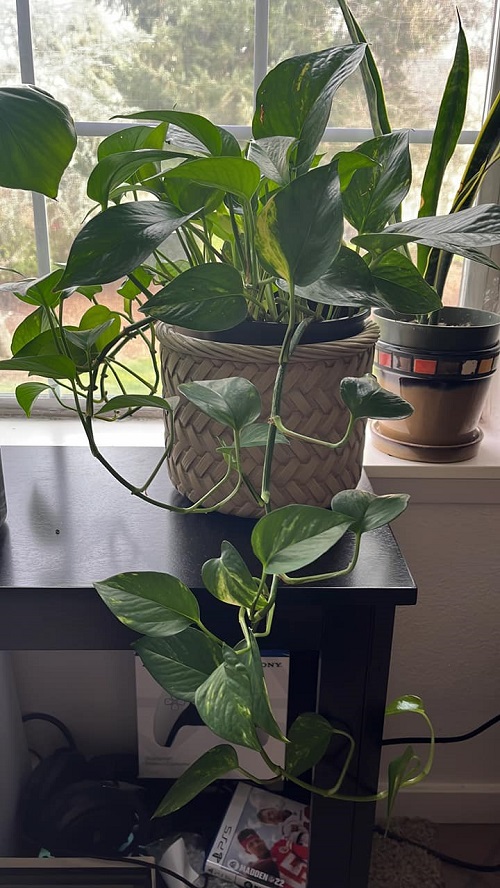
People often hear that pothos can grow almost anywhere indoors. That is true, but growing and thriving are two different things.
A pothos kept in a dark hallway or on a shelf far from the window will stay alive for years. It simply will not grow its best leaves. The plant stretches toward light, producing long vines with small spaces between the leaves. Those tiny leaves are its way of conserving energy.
Move the plant closer to a bright window where it receives indirect sunlight for most of the day. You do not need harsh afternoon sun. In fact, too much direct sunlight can scorch the foliage. Bright filtered light gives the plant enough energy to build larger leaves without burning them. Do not expect instant results. The leaves that are already forming will stay the same size. Watch the next few leaves instead.
For a better planting experience, check out these peat pebbles that you can use.
3. A Hungry Plant Cannot Build Big Leaves
Fresh potting soil contains nutrients, but those nutrients do not last forever. If your pothos has been growing in the same container for a couple of years, the roots have probably used most of what was available. Water alone cannot replace those nutrients. You may notice slower growth along with smaller leaves. Sometimes the color becomes a little lighter too.
Feed the plant once a month during spring and summer with a balanced liquid fertilizer mixed at half strength. There is no need to fertilize heavily. Gentle, regular feeding works much better than giving a large amount all at once.
Add these coco chips to the soil for the perfect nutrients.
4. Check the Roots Before Buying More Fertilizer
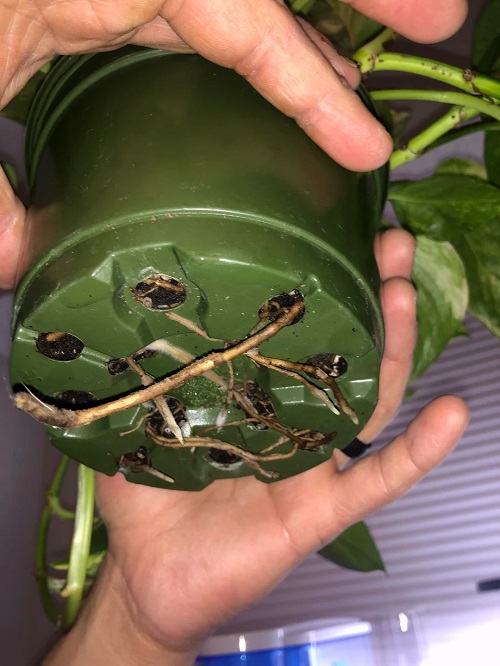
Many people blame fertilizer when the real problem is below the soil.
Lift the pot and look underneath. If roots are pushing through the drainage holes, the plant may have filled the container. Crowded roots dry out faster and compete for every bit of water and nutrition.
Repot only when necessary. Choose a container that is just one size larger. A huge pot might seem like a good idea, but extra soil stays wet much longer and increases the chance of root rot. Fresh potting mix often gives the plant a noticeable boost because it improves both drainage and nutrition.
Get your hands on this potting mix for healthy growth of your plant.
5. Inconsistent Watering Slows Healthy Growth
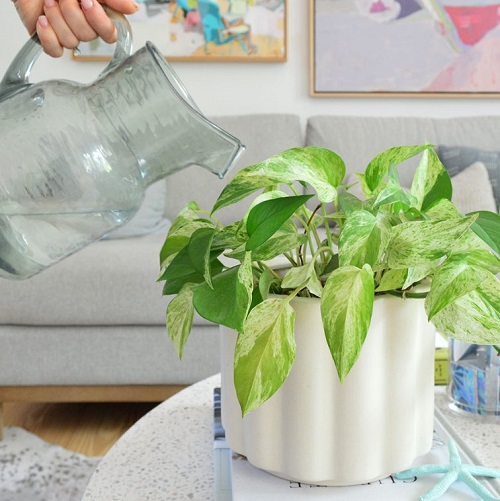
Pothos is forgiving, but it still likes consistency. Some owners forget to water until the leaves begin drooping. Others water every couple of days whether the soil needs it or not. Neither habit helps the plant produce large leaves.
Check the soil with your finger instead of following a calendar. When the top inch or two feels dry, water thoroughly until excess water drains from the bottom. That simple routine keeps the roots healthier than frequent shallow watering.
Here is a gallon water container to water your plants.
6. Hanging Vines Stay Smaller Than Climbing Vines
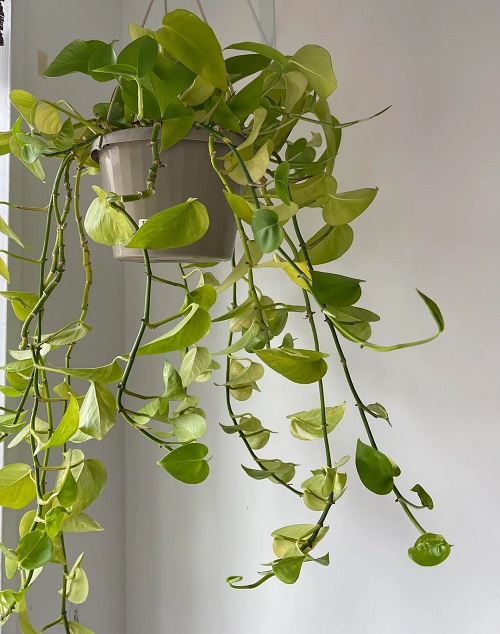
This surprises many indoor gardeners. In forests, pothos climbs tree trunks. As it climbs higher, the leaves naturally become much larger. That is part of its normal growth habit.
When the vines simply hang from a basket, the plant has little reason to mature in the same way.
If you want noticeably larger foliage, give the stems something to climb. A moss pole or coco coir pole works well. Even a rough wooden board can encourage aerial roots to attach. You probably will not see giant leaves overnight, but the difference becomes obvious after the plant has climbed for a while.
Here is a stainless steel stand for your plant pots that decorates your home.
7. Dry Air Does Not Help Either
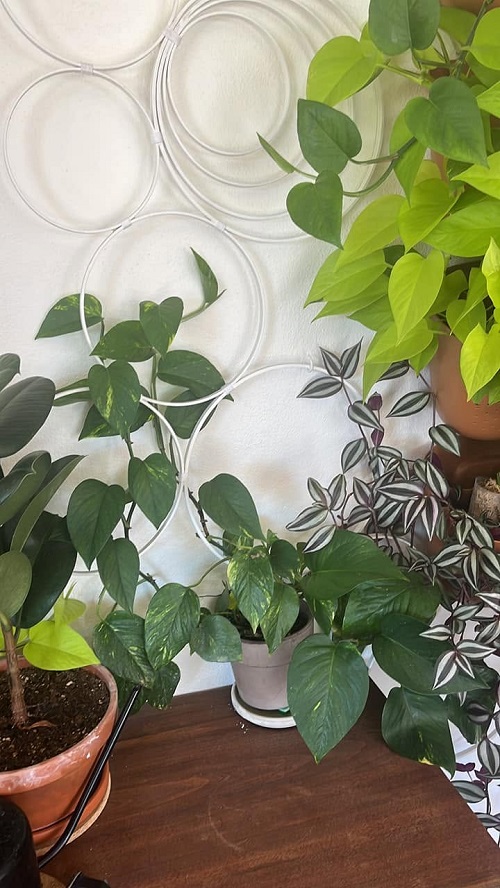
Most homes have enough humidity for pothos, but winter can be different. Heating systems dry the air more than people realize. New leaves sometimes emerge smaller, and the tips may develop a little browning before the leaf fully opens.
You do not need to turn your house into a greenhouse. Keeping several plants together or running a humidifier nearby usually provides enough extra moisture. If the rest of the plant looks healthy, humidity is probably only one small part of the problem rather than the only cause.
Use this soil moisture meter to check the soil and adjust its environment accordingly.
8. Temperature Can Slow Growth
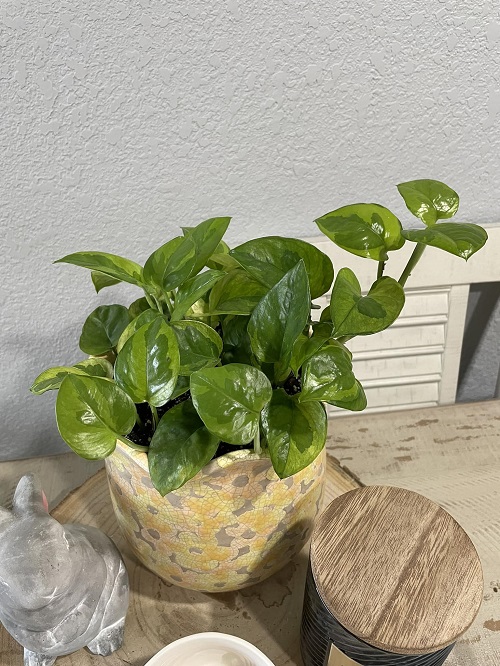
A pothos grows best when temperatures stay fairly steady. Cold drafts near doors or windows often slow the plant without making the cause obvious. Growth becomes weaker, and new leaves may stay smaller for weeks.
Try to keep temperatures between 65°F and 85°F (18°C to 29°C). More importantly, avoid sudden changes. Plants generally handle stable conditions much better than frequent swings between warm and cold.
Adjust the temperature around your plant with this humidifier.
9. Some Varieties Naturally Grow Smaller Leaves
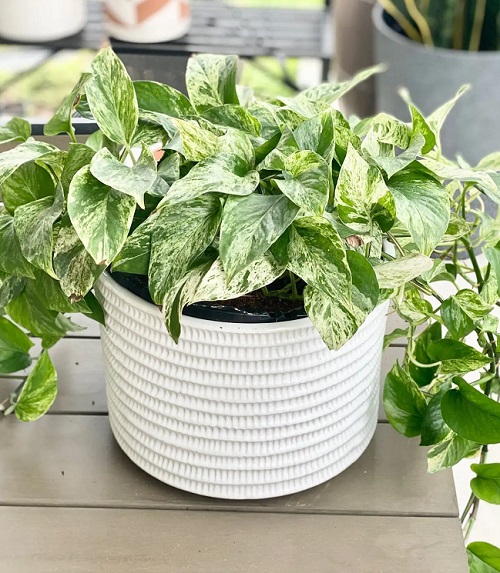
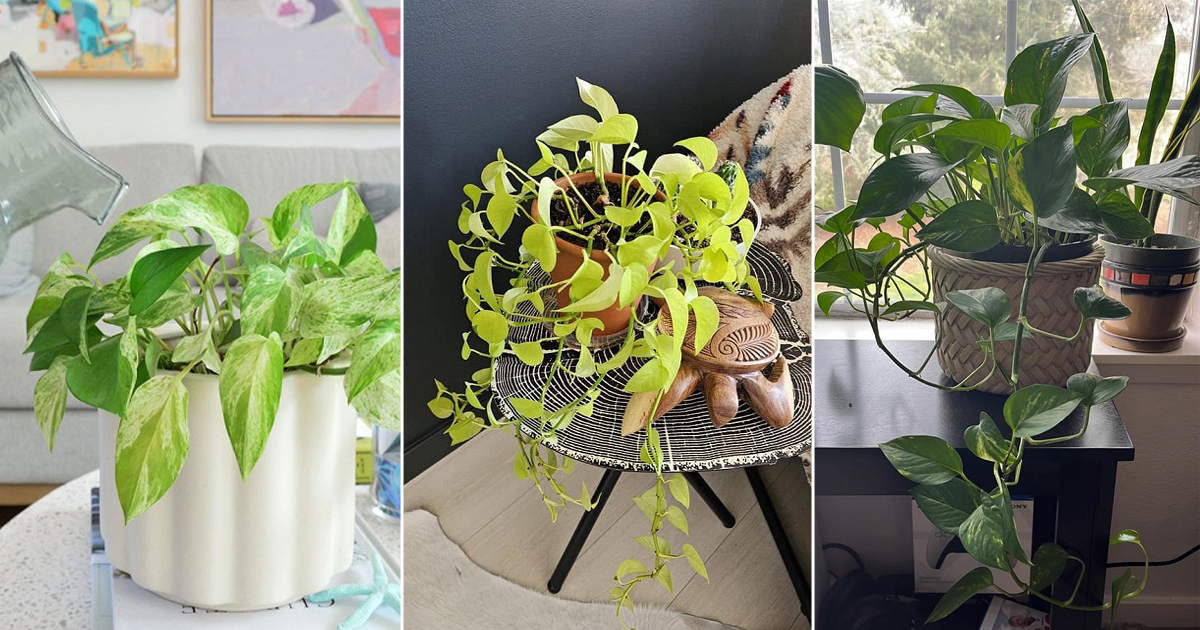
Not every pothos produces giant foliage. Golden Pothos can develop impressively large leaves under good conditions. Marble Queen usually grows more slowly because its variegated leaves contain less green tissue for photosynthesis. N’Joy and Pearls and Jade naturally stay more compact.
It helps to know which variety you own before comparing it with photos online. Otherwise, you may end up trying to fix a problem that does not actually exist.
If your kids love gardening, this kids gardening tool set is a perfect gift idea for them.
10. Be Careful Not to Overdo the Fixes
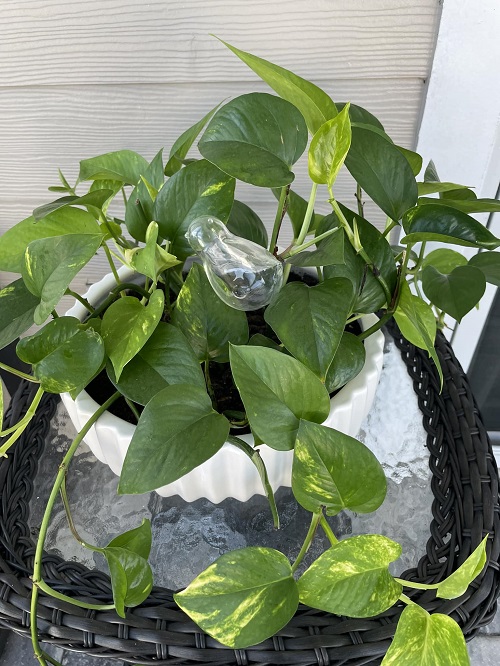
This is something people see quite often. Someone notices smaller leaves, then moves the plant, changes the soil, adds fertilizer, waters more often, and repots it all within the same week.
If the plant improves, there is no way to know which change helped. If it struggles, the extra stress can make things worse. Make one adjustment at a time. Give the pothos two or three weeks before deciding whether another change is needed. Plants grow slowly. They also recover slowly.
Use this electric pruning tool for your planting activities.
11. Healthy Habits Make the Biggest Difference
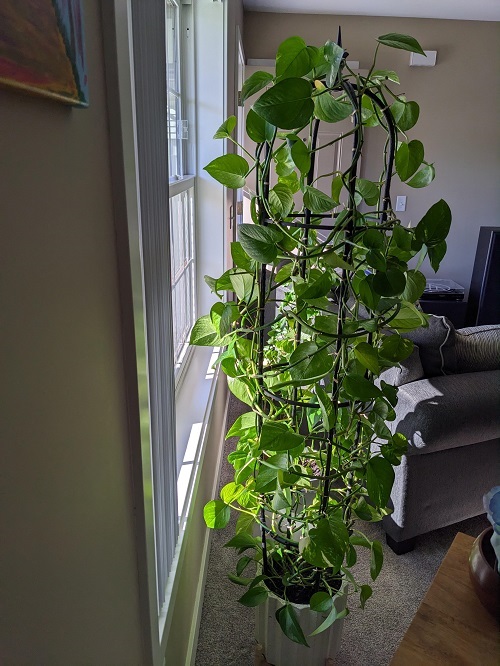
There is no secret product that suddenly creates giant pothos leaves. Good light, steady watering, fresh soil, occasional feeding, and room for the vines to climb all work together. Miss one of those for a while and the leaves often shrink. Improve them consistently, and the plant gradually responds.
The biggest leaves usually belong to pothos that have been cared for the same way month after month rather than those receiving constant attention.
Follow this pothos care guide for best growth of this houseplant