
As an Amazon Associate, we earn a small commission from qualifying purchases — at no extra cost to you.
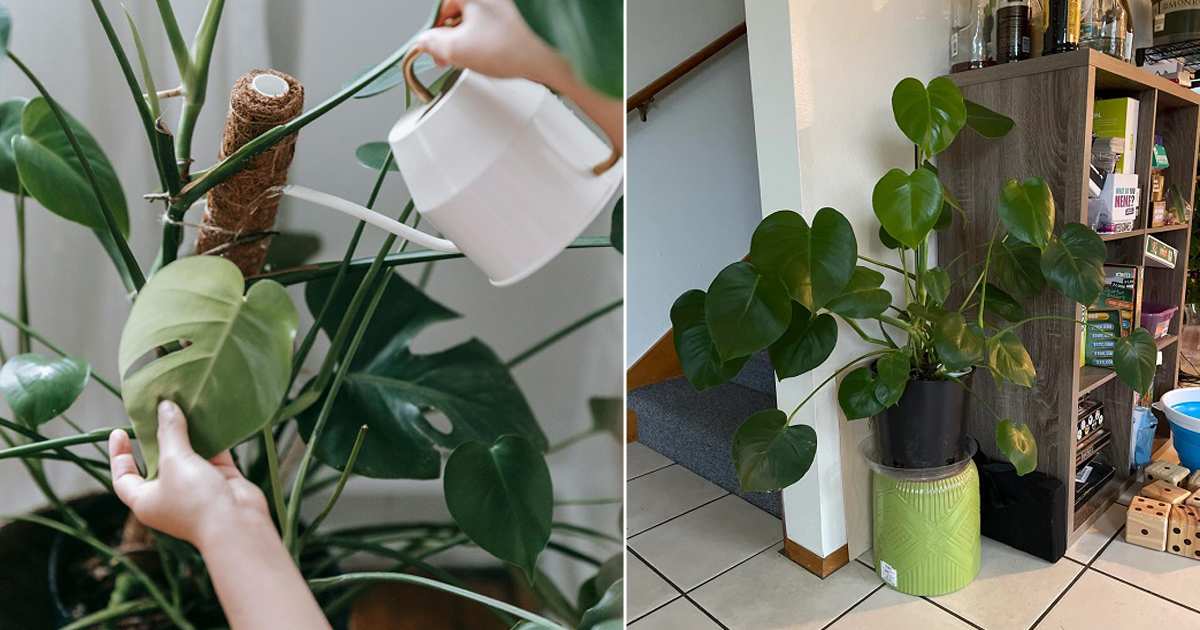
Find out Why Are My Monstera Leaves Not Splitting and have beautiful fenestration in deep green foliage of this elegant houseplant.
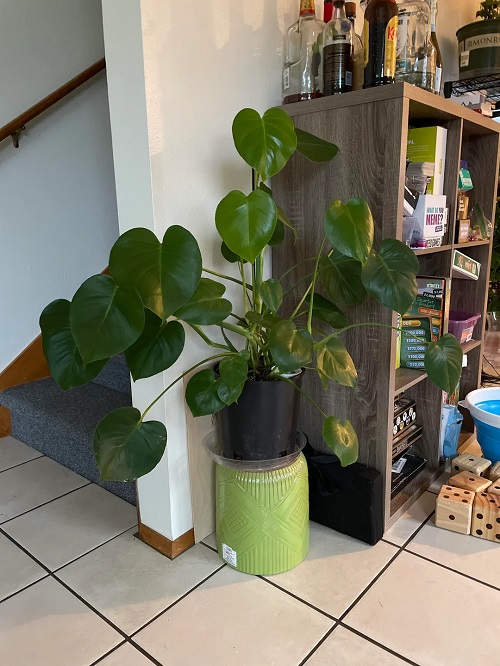
Even with the right care and location, you may notice that your Monstera leaves are not developing splits. These splits are one of the main features people love about Monstera plants. The large leaves with natural openings create a beautiful look and make the plant stand out. Why do some Monstera leaves not split? Not every Monstera variety develops split leaves or holes, a process known as fenestration. The plant’s age, growing conditions, and other factors can also affect whether the leaves develop splits.
Why Are My Monstera Leaves Not Splitting?
Want to build the perfect indoor plant setup? Check out this indoor gardening system that serious plant lovers swear by. You can also check our Amazon Storefront for all such gardening needs.
1. Insufficient Light
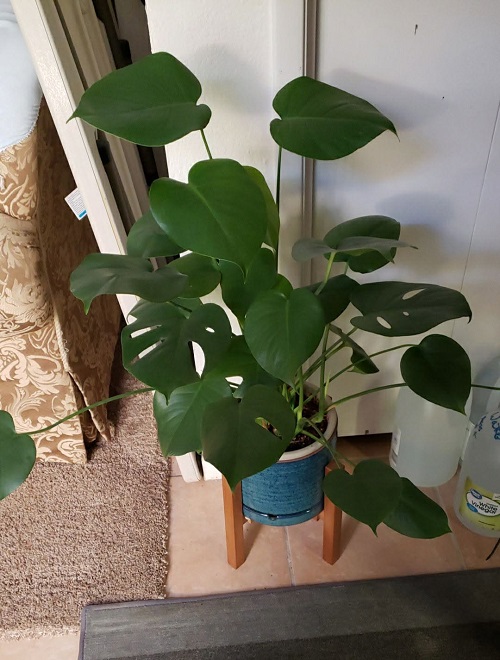
Monstera plants come from the tropical rainforests of Central and South America. They naturally grow under tall trees, where they receive filtered, dappled sunlight. At home, Monstera plants still need plenty of light, so low light is not ideal.
If your Monstera leaves are not splitting, the plant may not be getting enough light. Move it closer to a bright window where it gets indirect light, or use a grow light if needed. Your plant may need extra light during late fall and winter when natural sunlight is weaker.
Get these grow lights for your plants so they can get the light they need all year round.
2. Low Fertilizer
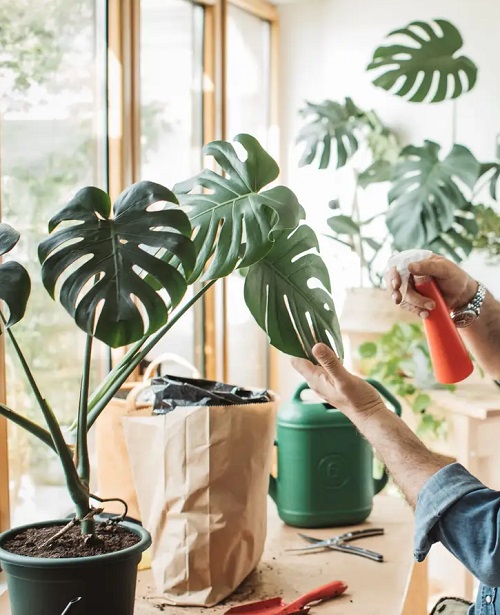
Monstera plants grow most during spring and summer, so they need extra nutrients during this time. A liquid houseplant fertilizer works well. Since Monstera plants mainly grow leaves, choose a fertilizer with more nitrogen.
You can feed your plant every two weeks using a liquid fertilizer diluted to one-quarter strength. In fall and winter, reduce feeding to once a month or stop if the plant is not actively growing. If you prefer a natural option, you can add a small amount of coffee grounds to the soil. Monstera plants prefer slightly acidic soil, and coffee grounds can help add some acidity.
Here is a liquid fertilizer that you can feed your plants for healthy growth.
3. Immature Plants
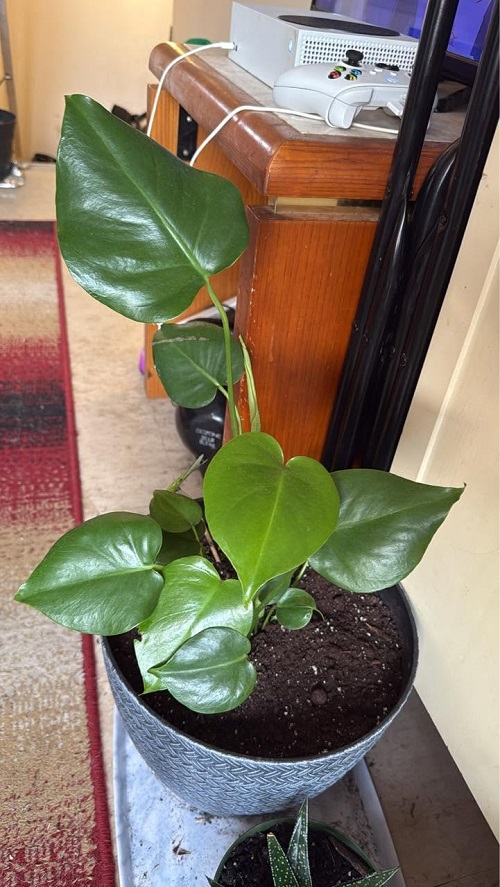
Monstera leaves usually start to split when the plant is about 2 to 3 years old. If your Monstera is not producing split leaves, it may simply be too young. New leaves also grow as whole, heart-shaped leaves at first. As they mature, they can develop the familiar splits. Once the leaves reach around 10–13 inches (25–33 cm) wide, you may start to see the classic slits.
4. Species
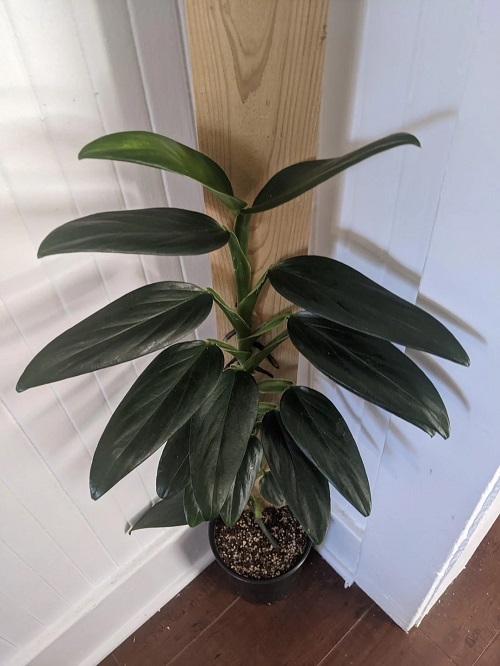
Monstera standleyana and Monstera Peru do not develop splits or holes in their leaves. Monstera deliciosa, also called the Swiss Cheese Plant, is one of the most popular types and is known for its large leaves with natural holes. Monstera adansonii also develops splits, but it is smaller than M. deliciosa and has longer holes in its leaves. Some cultivars, such as Variegata and Borsigiana, can also develop splits, while other Monstera species may have solid leaves.
5. Insufficient Water
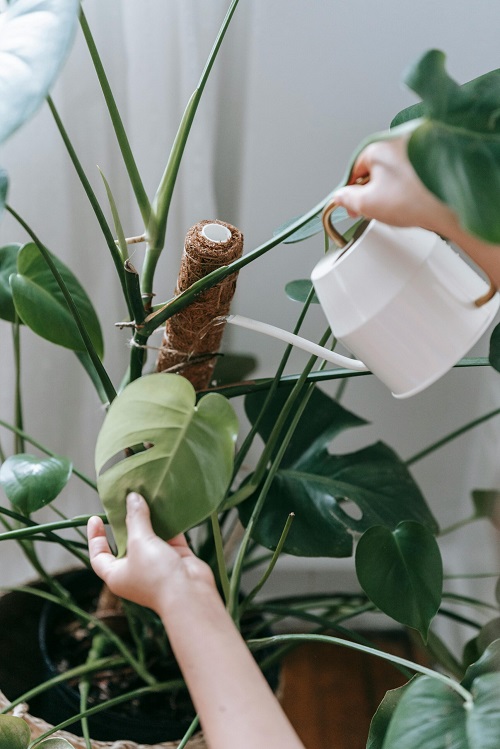
Monstera plants need moist, well-draining soil that is rich in organic matter. If your plant does not get enough water, its growth may slow down and fewer leaves may develop. The leaves can also become weak and tear instead of forming natural splits.
Remember, splits are a normal part of the plant’s growth, while tears usually happen because of poor care. Torn leaves may look discolored, thin, or fragile.
To make sure your Monstera gets enough water, check the soil with a moisture meter or feel it with your finger. When the top 2 inches (5 cm) of soil feel dry, it is time to water. Water the plant well until water runs out of the drainage holes. This also helps wash away extra salts from the soil.
Monstera plants also like high humidity. You can mist the leaves or place the pot on a tray filled with pebbles and some water. As the water evaporates, it helps increase the humidity around the plant.
Use this watering can for all your gardening activities.