
Discover the Plants that love a Little Burnt Soil in the Potting Mix for good root health and improved drainage.
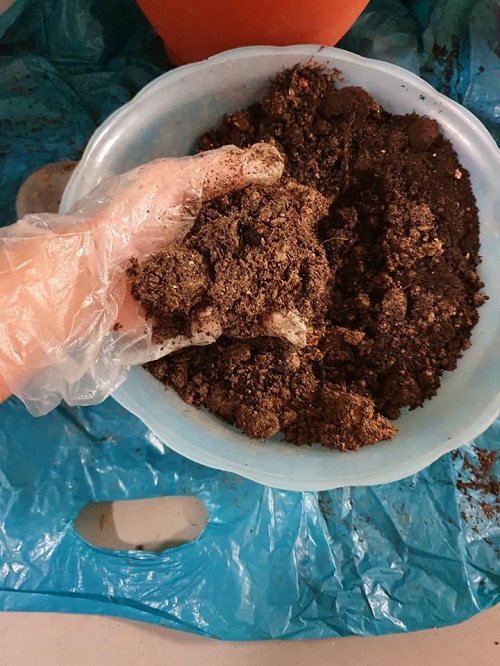
Burnt soil sounds risky, but in small amounts, it can help some plants. This term usually means soil mixed with wood ash, burnt husk, or lightly charred organic matter. This type of soil changes drainage, texture, and mineral content. Not all plants like it, but there are some Plants that love a Little Burnt Soil in the Potting Mix when it drains fast and stays airy. These plants often come from dry or rocky areas.
Plants that Love a Little Burnt Soil in the Potting Mix
What Burnt Soil Really Means for Plants
Burnt soil is not fully burned dirt. It is soil mixed with ash or charred plant matter. It usually comes from burnt leaves, rice husk ash, or wood ash. This soil becomes lighter and drains water faster. It also changes the soil pH. It often becomes slightly alkaline. Plants that hate wet roots often respond well to this mix.
1. Snake Plant
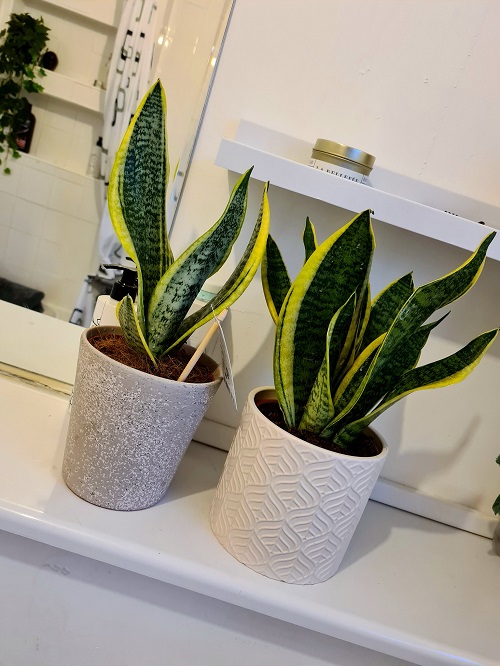
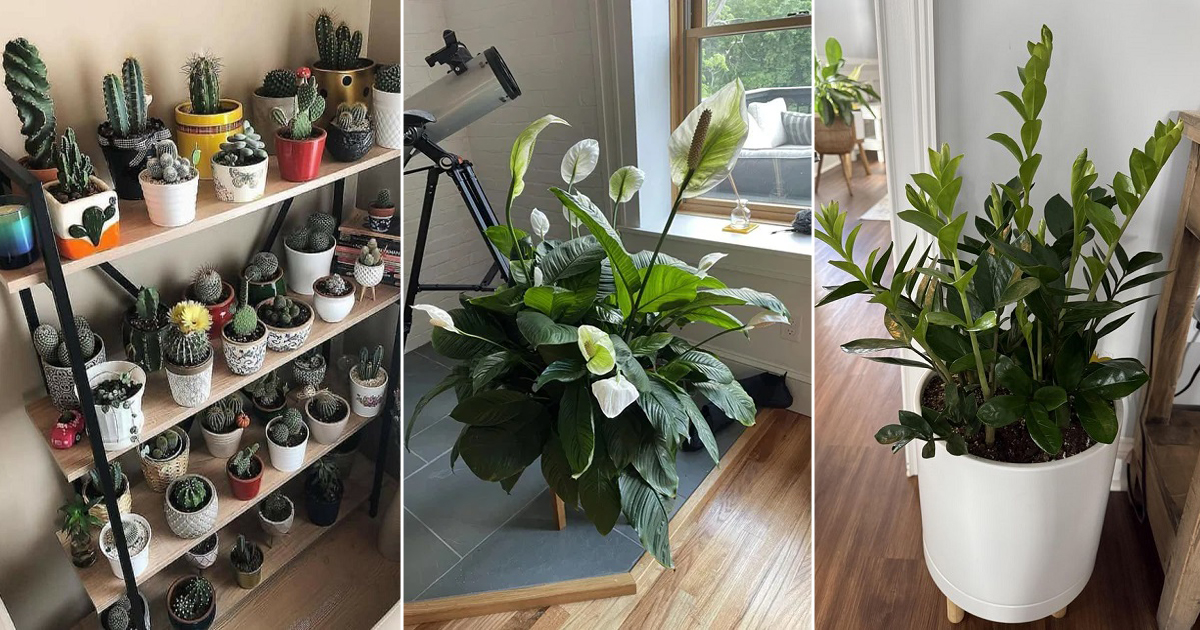
Snake plants hate wet soil. Their thick roots rot fast if water stays too long. A small amount of burnt soil helps water move out quickly. It also keeps the soil loose for a longer time. Snake plants grow in dry regions in nature. They handle rough soil well. Burnt soil supports slow but steady root growth without stress.
2. Aloe Vera
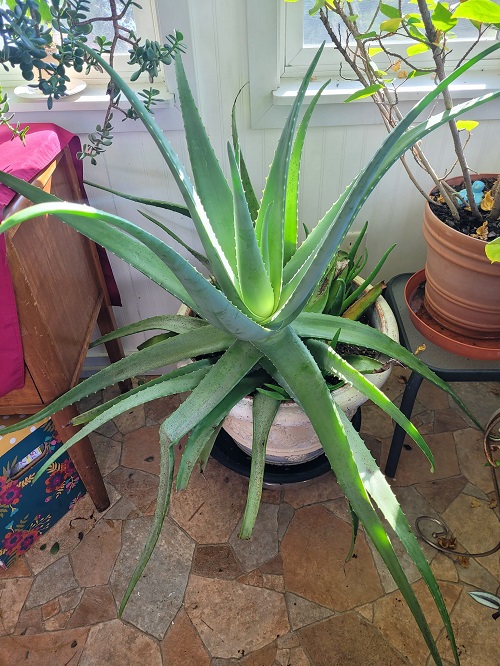
Aloe vera grows in dry and sandy places. It does not like heavy or sticky soil. Burnt soil makes the potting mix lighter and warmer. This helps the aloe roots breathe better. Aloe stores water in its leaves. It does not need rich soil. Too much organic matter causes root rot. A little burnt soil keeps the roots safe.
3. Cactus
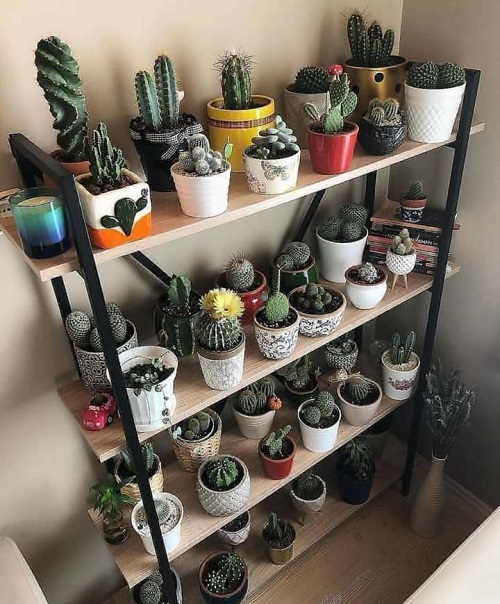
Cactus plants need very fast drainage. Burnt soil helps remove extra moisture from the root zone. It also prevents soil from compacting over time. Cactus roots are thin and sensitive. They rot quickly in wet conditions. A mix with burnt soil copies desert-like soil. It stays dry and airy. This supports healthy cactus growth.
4. Jade Plant
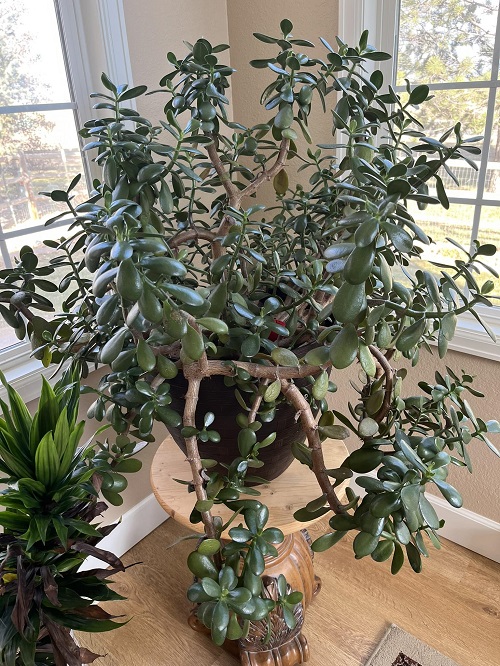
Jade plants grow best in loose and dry soil. Burnt soil improves airflow around roots. It also reduces water-holding capacity. Jade plants store water in leaves and stems. Wet soil causes leaf drop and stem rot. Burnt soil keeps the mix balanced. It supports slow growth and strong stems without stress.
5. ZZ Plant
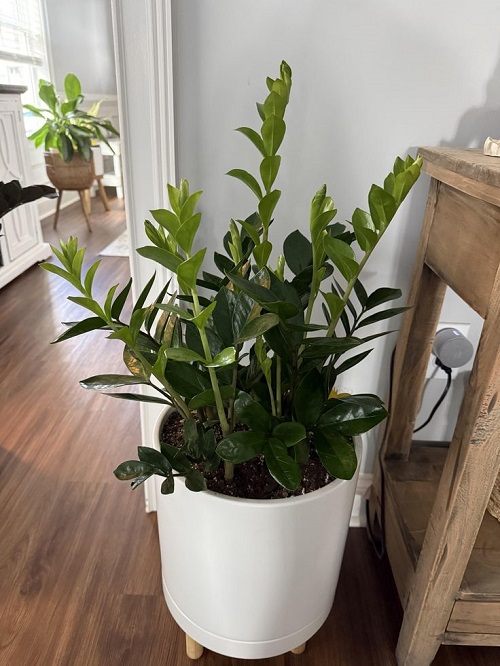
ZZ plants survive in poor soil in nature. Their thick rhizomes store water. They suffer in heavy soil. Burnt soil improves drainage and reduces moisture buildup. This keeps rhizomes firm and healthy. The soil stays loose even after many waterings. ZZ plants grow better roots when the mix does not stay wet.
6. Peace Lily
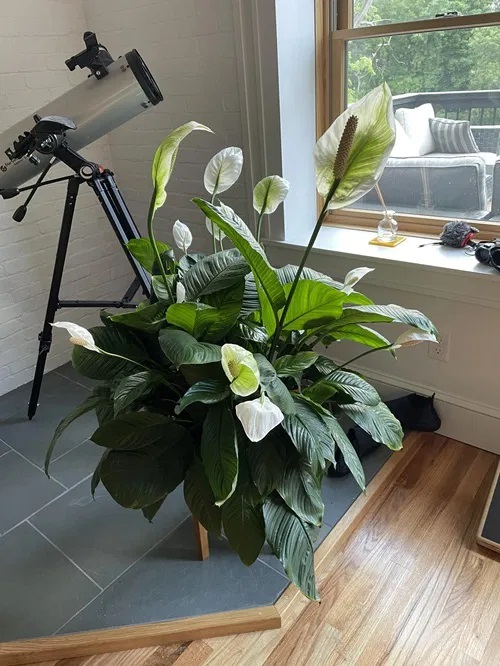
Peace lilies usually like rich soil. But a very small amount of burnt soil helps drainage. It prevents soggy soil at the bottom of the pot. This reduces root rot risk. Too much burnt soil is harmful. It dries the soil too fast. Use it only to balance moisture, not replace organic soil.
7. Rosemary and Thyme
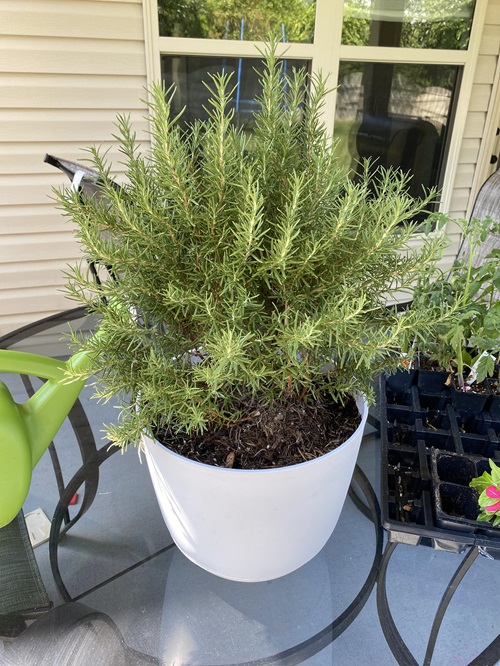
Dry herbs like rosemary and thyme prefer rough soil. Burnt soil improves drainage and keeps roots dry. These herbs grow in rocky ground in nature. Heavy soil causes weak growth and yellow leaves. Burnt soil helps roots spread freely. It also warms the soil faster. This supports better flavor and leaf strength.
Why Burnt Soil Must Be Used Carefully
Burnt soil changes soil pH and nutrient balance. Too much ash makes the soil too alkaline. This blocks nutrient uptake. Roots may burn if the ash is fresh or strong. Always use small amounts. Mix it well with normal potting soil. Never use fully burnt or hot ash. Balance is the key to safe plant growth.
Best Way to Add Burnt Soil to Potting Mix
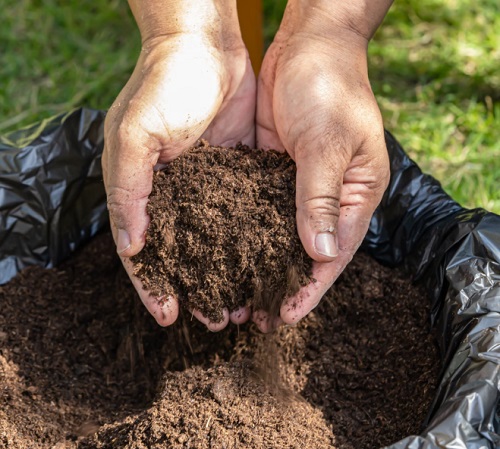
Always cool and dry burnt material before use. Sieve out large chunks. Add only a small portion to the mix. The goal is better drainage, not rich nutrition. Burnt soil works as a soil conditioner. It should support roots, not feed them. Plants that like dry soil benefit the most.