
As an Amazon Associate, we earn a small commission from qualifying purchases — at no extra cost to you.
Not every corner suits your plant! Find the Best and Worst Spots for Hoya Indoors and help your plant stay healthy and full.
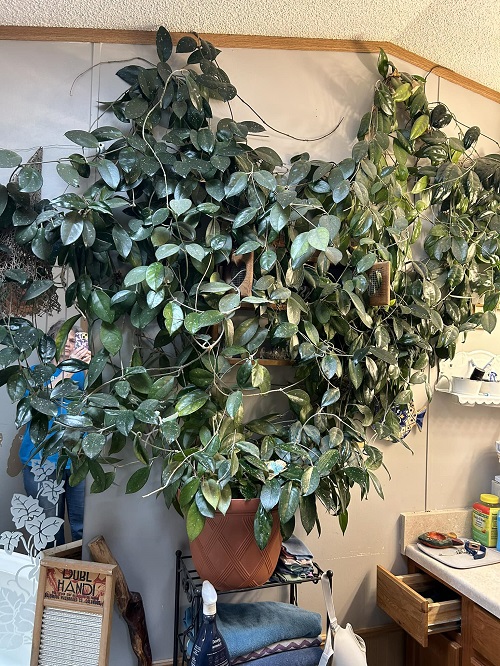
Why the Right Spot Matters for Hoya
Hoya plants stay healthy for years when you place them in the right indoor spot. These plants prefer stable conditions. They grow slowly, but they produce thick leaves and beautiful blooms when they feel comfortable. A poor location can lead to yellow leaves, weak vines, root rot, or no flowers at all.
Many people think Hoyas can survive anywhere indoors because they are hardy plants. While they tolerate some neglect, they still need proper light, airflow, and temperature. Picking the right place inside your home makes a big difference in growth and flowering.
Best Spots for Hoya Indoors
1. Near a Bright East Window Is One of the Best Spots
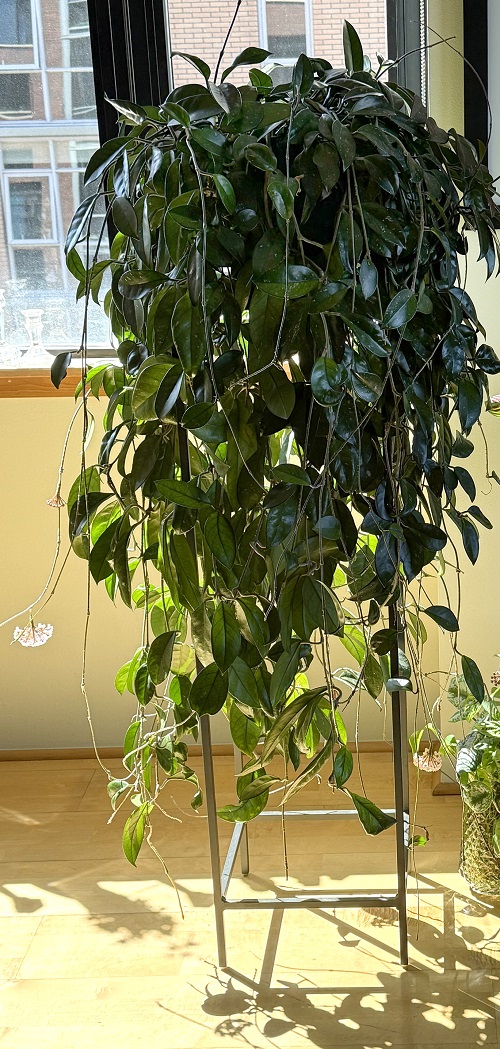
An east-facing window gives gentle morning sunlight. This type of light is perfect for most Hoya varieties. The sun is not too harsh, so the leaves stay healthy and do not burn easily. The plant also gets enough brightness to support flowering and steady growth.
This spot works especially well for smaller Hoyas growing in hanging baskets or pots on shelves. Morning light keeps the leaves firm and shiny. The area also stays cooler during the afternoon, which prevents heat stress during warmer months.
2. Most Important Spot: Bright Indirect Light Near an East or South Window
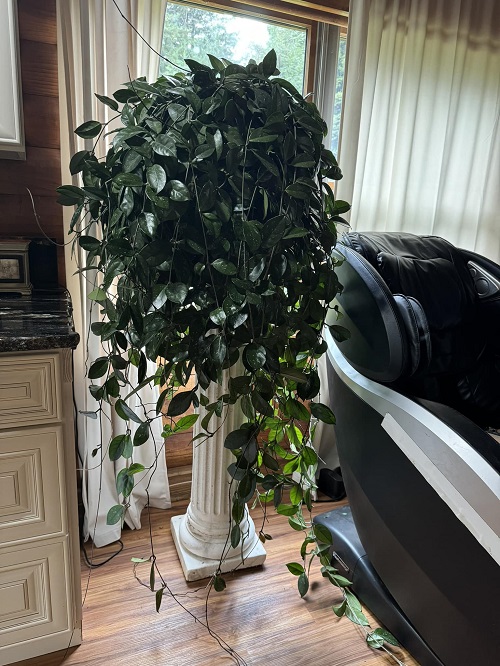
This is the most important factor for growing Hoyas indoors. Bright indirect light helps the plant produce strong vines, thick leaves, and flower clusters. Place the plant close to an east or bright south window with a sheer curtain if needed. Without enough light, Hoyas become slow, thin, and weak.
3. South Windows Can Work With Protection
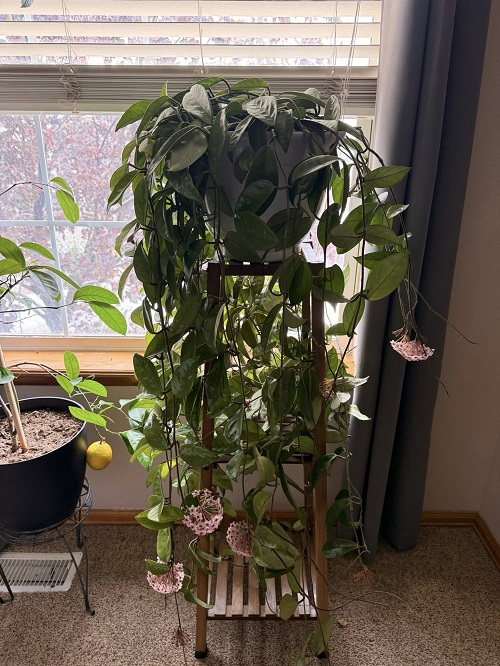
South-facing windows provide strong light for most of the day. Hoyas enjoy this brightness, but direct afternoon sun can become too intense indoors. Thin leaves may develop brown patches or faded areas if the light becomes harsh for long hours.
You can still use this location by adding a sheer curtain. Move the plant slightly away from the glass during summer. This setup gives the Hoya enough energy for blooming while protecting the foliage from damage. Many flowering Hoyas grow very well in these bright conditions.
4. Bathrooms Can Be Great for Some Hoya Varieties
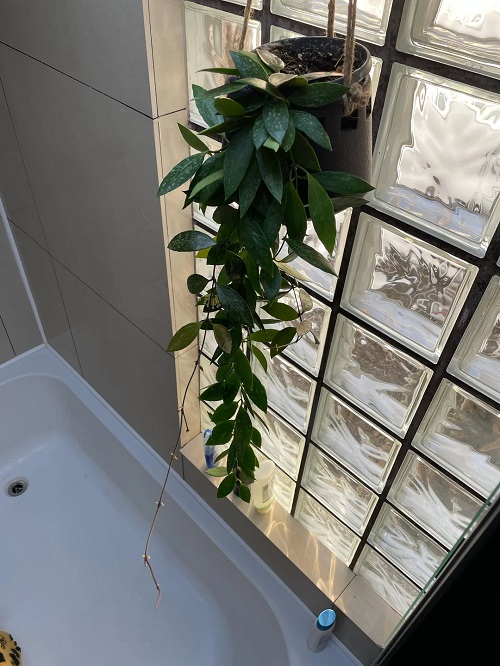
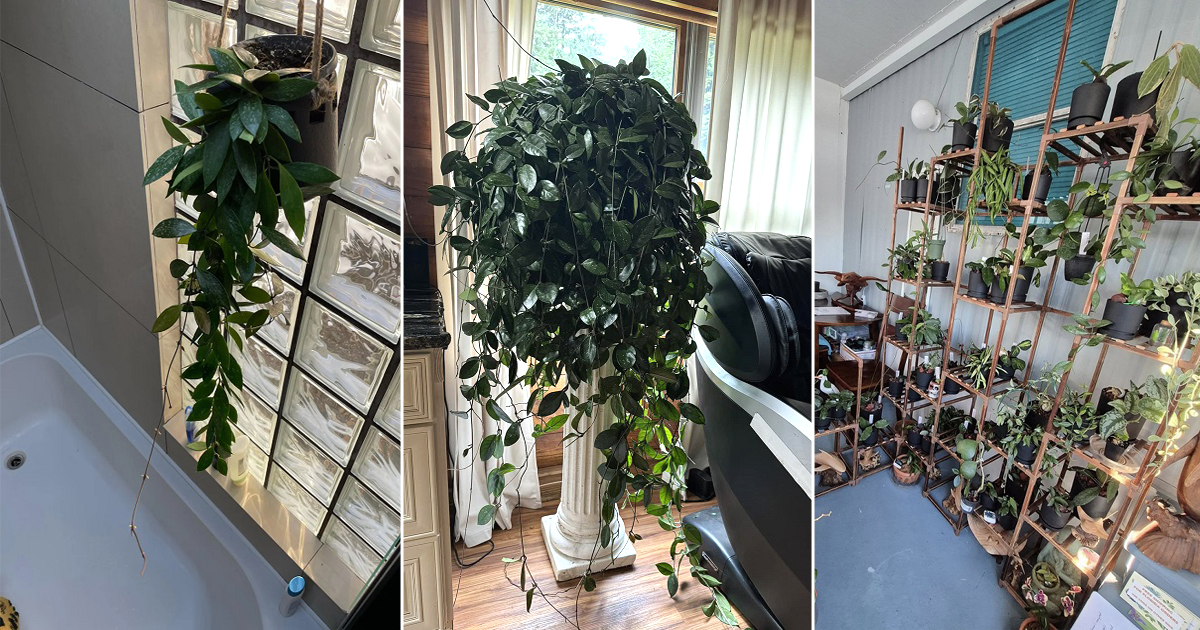
Bathrooms with windows often provide warmth and extra humidity. Many Hoyas enjoy this environment because dry indoor air can sometimes slow growth. Steam from showers raises humidity levels and helps leaves stay healthy and flexible.
This spot works best when the bathroom receives bright natural light. A dark bathroom without windows will not support healthy growth. Smaller varieties with thinner leaves usually respond better to humidity than thick-leaved types.
5. Kitchen Shelves Near Windows Can Support Healthy Growth
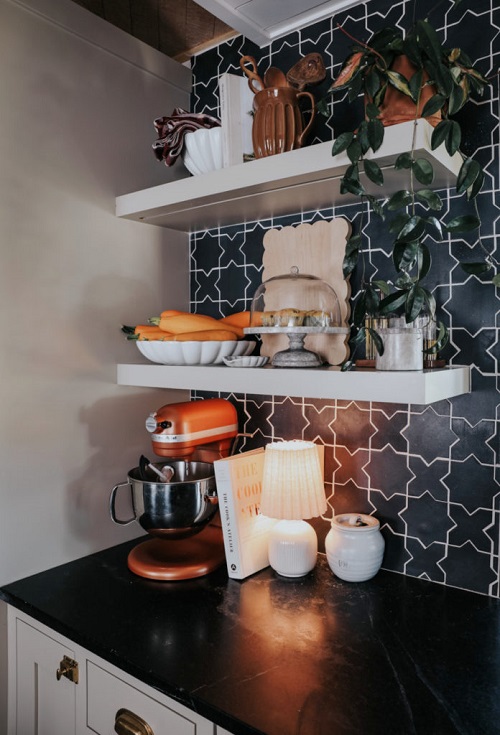
A bright kitchen shelf can be a good indoor location for Hoyas. Kitchens often stay slightly warmer than other rooms, which supports active growth. If the shelf sits near filtered sunlight, the plant usually grows long vines and healthy leaves.
Keep the Hoya away from hot stoves and cooking fumes. Oil and heat from cooking can settle on leaves and block light absorption. Clean the foliage regularly if you keep the plant in this area. Proper airflow also helps prevent fungal issues.
6. Hanging Baskets Near Bright Windows Help Vines Grow Naturally
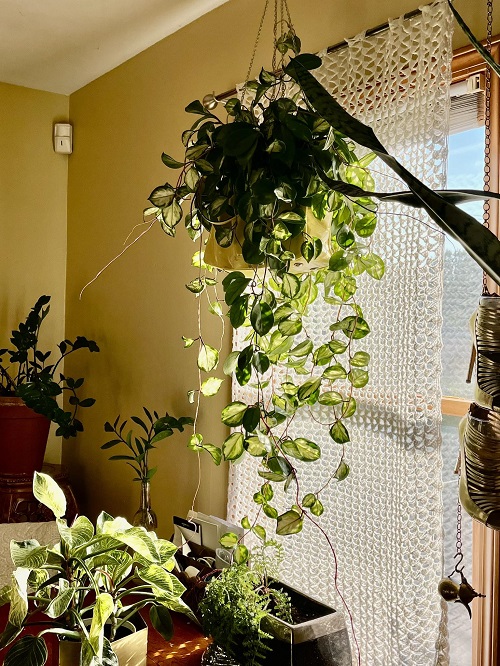
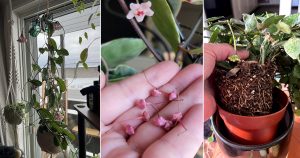
Hoyas naturally trail and climb in their native environment. Hanging baskets near bright windows allow the vines to spread freely. This setup improves airflow around the leaves and reduces the chance of soggy soil staying wet too long.
The vines also receive even light exposure when they hang at eye level near windows. This encourages balanced growth instead of leaning heavily toward one side. Rotate the basket every few weeks to keep the shape full and even.
Worst Spots for Hoya Indoors
7. Dark Corners Are One of the Worst Spots
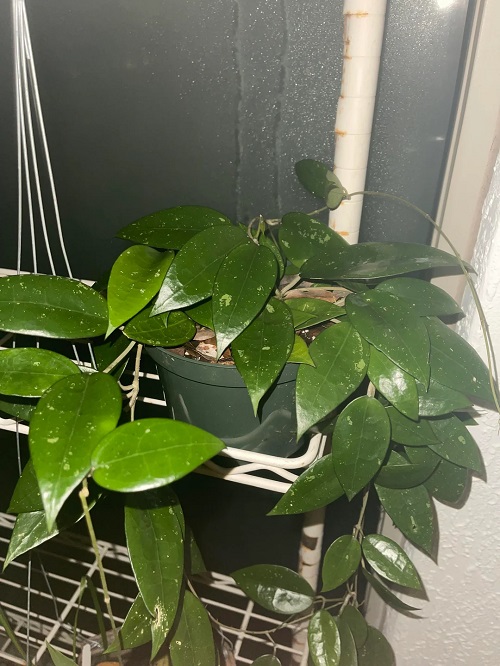
Dark corners create many problems for Hoyas. The plant may survive for a while, but growth becomes weak and stretched. Leaves may become smaller, and the vines may look thin and empty. Flowering becomes very unlikely in low light conditions.
Many indoor corners also trap stale air. Poor airflow combined with low light increases the risk of fungal problems and overwatering damage. Even a hardy Hoya struggles when it receives very little natural brightness throughout the day.
8. Directly Under Harsh Afternoon Sun Can Damage Leaves
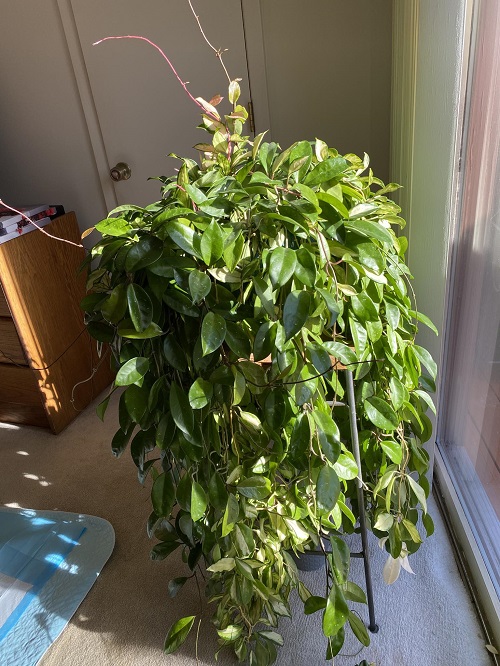
Strong afternoon sunlight through glass can become too intense indoors. The leaves may develop dry brown marks or faded patches. Some Hoyas with thin or variegated leaves burn very quickly in harsh direct light.
This problem becomes worse during summer when indoor temperatures rise fast near windows. Heat stress can also dry the soil too quickly and damage roots. If you notice curling or scorched leaves, move the plant slightly farther from the window.
9. Spots Near Air Conditioners or Heaters Cause Stress
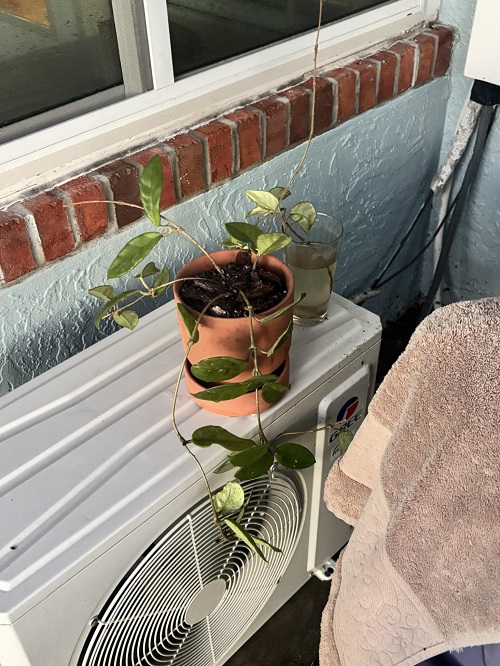
Hoyas dislike sudden temperature changes. Air conditioners, heaters, and heating vents create unstable conditions that stress the plant. Cold or hot air blowing directly on the leaves can cause leaf drop, dryness, or slow growth.
Indoor heating also lowers humidity levels during winter. Dry air can make leaves wrinkle or turn thin over time. Keep Hoyas in areas where temperatures remain steady and comfortable throughout the day and night.
10. Overcrowded Shelves With Poor Airflow Can Lead to Problems
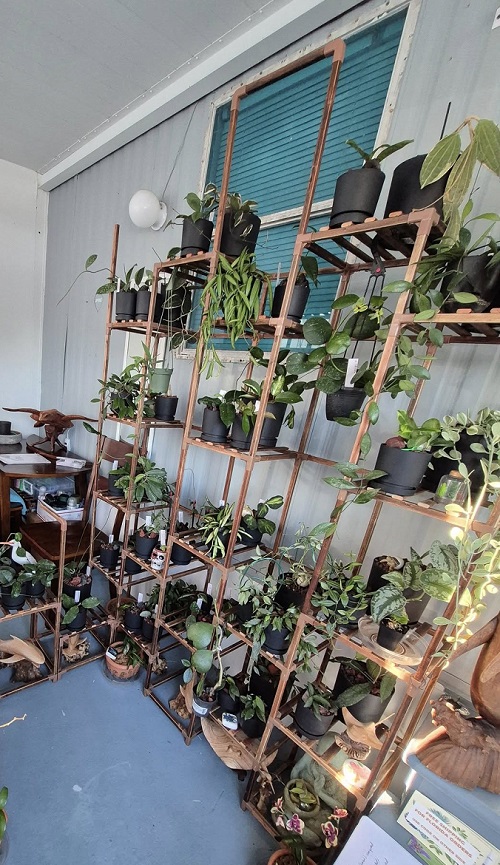
Many plant lovers place Hoyas on crowded shelves with many other plants. While this looks attractive, poor airflow can trap moisture around the foliage. This may encourage pests like mealybugs or fungal problems.
Hoyas grow best when air moves gently around the leaves. Give the vines space to spread naturally. Avoid pressing the plant tightly against walls or other pots. Good airflow keeps the leaves clean and healthy for longer periods.
11. Entryways Near Frequently Opened Doors Are Not Ideal
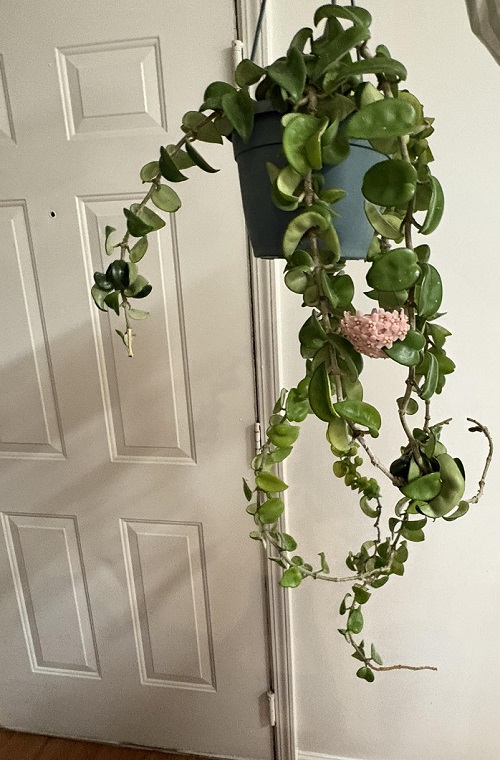
Doors that open often expose Hoyas to sudden drafts and changing temperatures. Cold winter air or hot outdoor heat can shock the plant repeatedly. This stress may slow growth and damage tender leaves.
Entryways also tend to have uneven light conditions. Some areas become too dark, while others receive short bursts of harsh sunlight. A more stable room with steady warmth and consistent brightness is usually a better choice.