
As an Amazon Associate, we earn a small commission from qualifying purchases — at no extra cost to you.
Explore Best and Worst Spots for Pothos and look how healthy your plant grows. Learn where to place it for fuller, greener trailing vines.
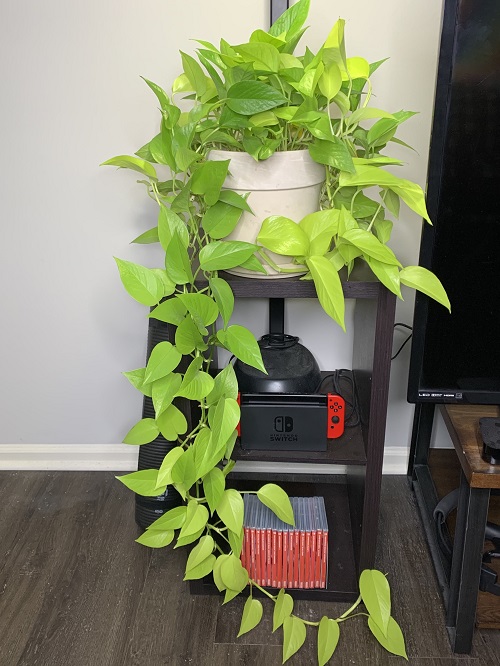
The location for Pothos can greatly affect how your plant grows indoors. The right place helps the leaves stay green and healthy, while the wrong spot can slow growth and cause damage. Knowing where to keep your pothos makes plant care much easier and helps the vines grow fuller and stronger.
Why Placement Matters for Pothos
Pothos is one of the easiest indoor plants to grow, but the right spot still makes a big difference. Good placement helps the plant grow fuller, greener, and healthier. A poor location can slow growth, fade the leaves, or even cause root problems. Pothos can adapt to many indoor conditions, but it performs best when light, temperature, and airflow stay balanced. Knowing where to place your pothos can help you avoid common plant problems and keep the vines looking fresh all year.
Best Spots for Pothos
1. Near a Bright Window With Indirect Light
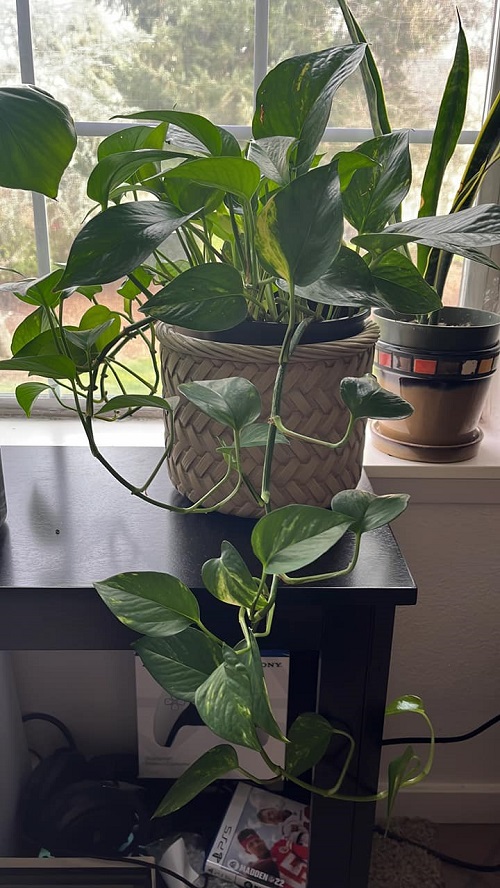
The best place for pothos is close to a bright window where the light feels soft and indirect. East-facing windows work very well because they provide gentle morning sun. North-facing windows are also good for steady light throughout the day. In these spots, pothos grows faster and produces larger leaves with stronger colors. Variegated types especially need bright indirect light to keep their patterns clear and attractive.
Keep the plant a few feet away from harsh afternoon sun. Direct sunlight can burn the leaves and leave dry brown patches. If the room gets too much sunlight, use a light curtain to soften the rays. This simple adjustment helps the plant stay healthy without stress.
2. Living Rooms With Natural Light
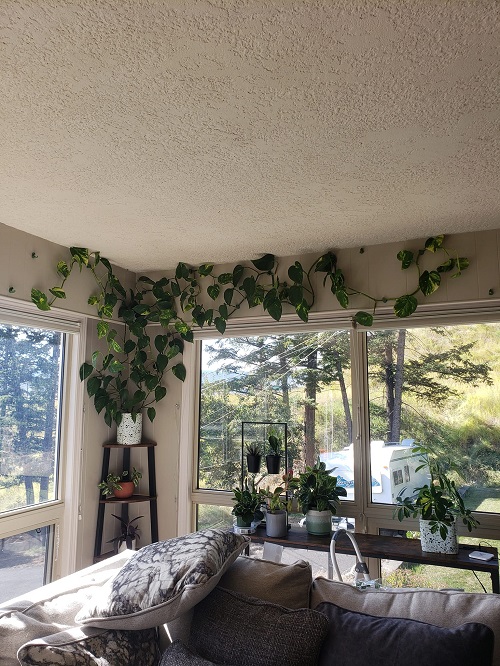
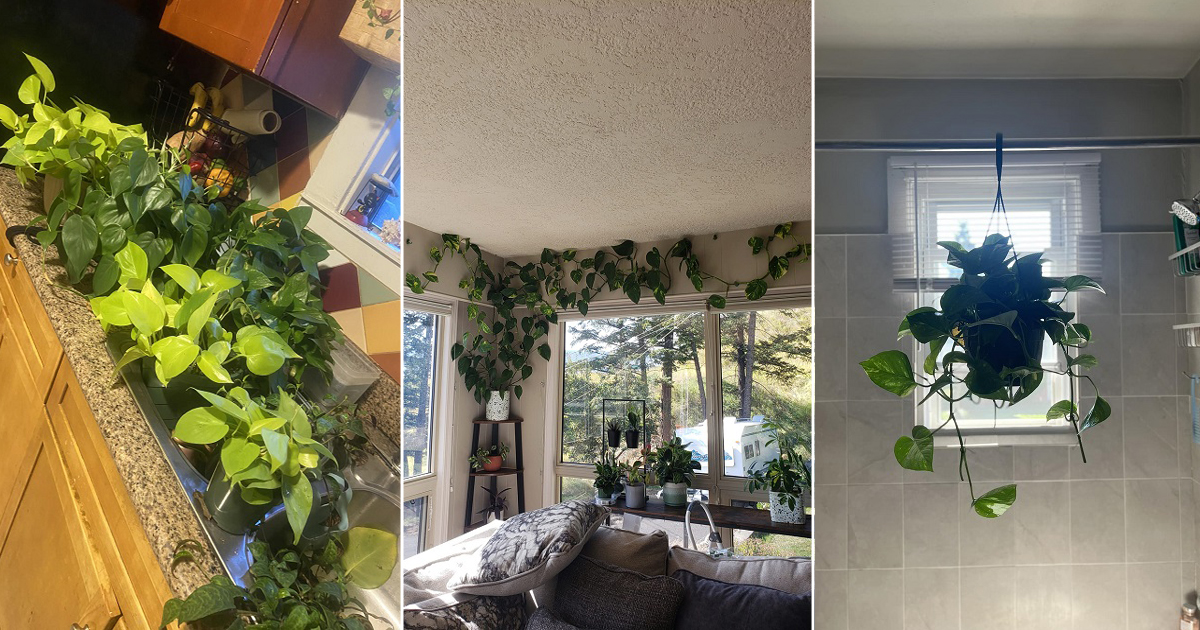
Living rooms often provide ideal conditions for pothos because they usually have stable temperatures and filtered daylight. A pothos placed on a shelf, table, or hanging basket in a bright living room can grow long trailing vines very quickly. The plant also helps soften empty corners and makes indoor spaces feel more lively and fresh.
Pothos enjoys rooms where air can move gently. A living room with normal airflow prevents moisture from sitting around the leaves for too long. This lowers the risk of fungal issues and keeps the foliage clean. Avoid placing the plant directly under strong air conditioners or heating vents because sudden temperature changes can damage the leaves.
3. Bathrooms With Good Lighting
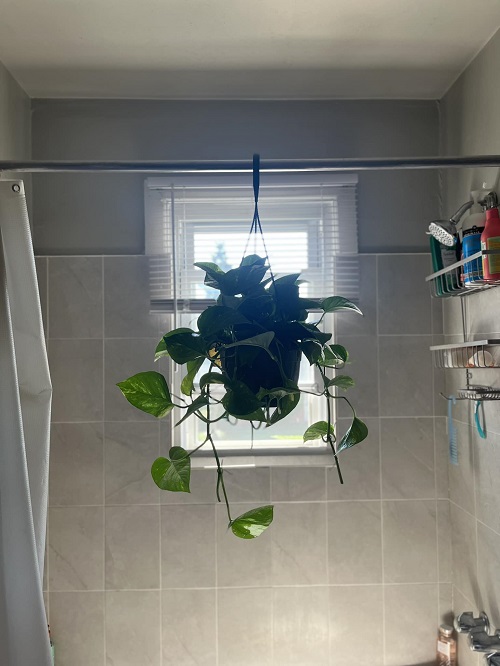
Bathrooms can be excellent for pothos if they receive enough natural light. The extra humidity from showers helps keep the leaves soft and healthy. Pothos naturally grows in humid tropical conditions, so it often enjoys the moisture found in bathrooms. This is especially helpful during dry seasons when indoor air becomes harsh.
Choose a bathroom that has a window or steady artificial grow light. A dark bathroom without light can weaken the plant over time. In a bright bathroom, pothos usually develops smooth growth and glossy leaves. The humidity also helps reduce brown leaf edges that sometimes appear in dry indoor environments.
4. Offices and Workspaces
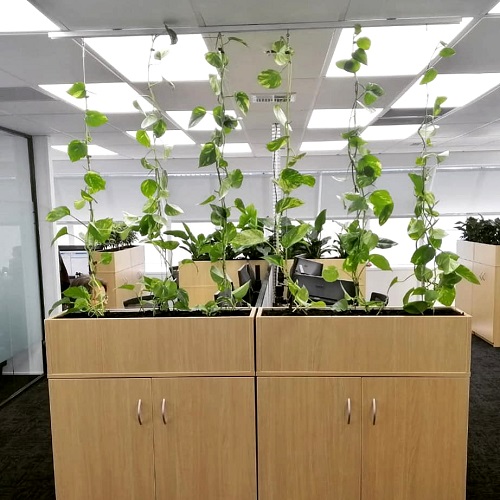
Pothos grows well in offices because it tolerates average indoor conditions and does not require constant care. A desk near a window or a bright corner works very well. The plant can handle fluorescent lighting for some time, but natural light still gives the best growth results. Pothos adds greenery to workspaces without demanding too much attention.
A calm indoor workspace with moderate temperatures keeps the plant stable. Watering becomes easier because office environments often stay consistent throughout the week. If the workspace feels very dry, occasional misting or placing the pot near other plants can improve humidity slightly and support better leaf health.
5. Hanging Baskets in Bright Corners
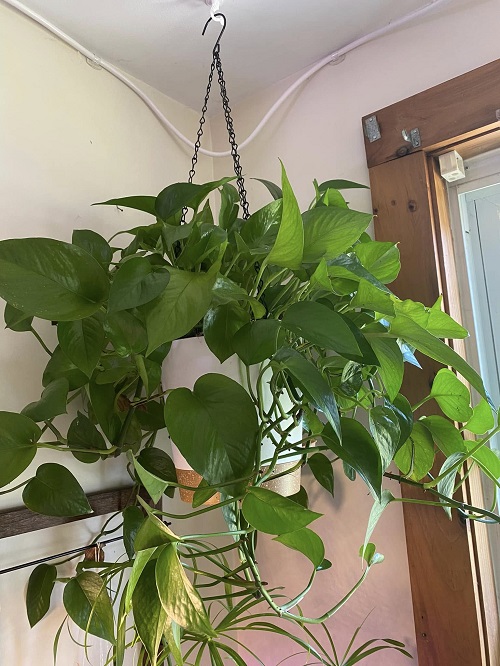
Pothos looks attractive in hanging baskets where the vines can trail naturally. Bright corners with indirect light help the plant spread evenly and produce longer stems. Hanging the plant also improves airflow around the leaves and prevents overcrowding on tables or shelves. This setup works especially well in apartments and smaller rooms.
Rotate the basket every few weeks so all sides receive equal light. Without rotation, one side may become thin or uneven. Hanging pothos near windows but outside direct sunlight creates a balanced environment that supports both healthy roots and strong vine growth.
Worst Spots for Pothos
6. Direct Afternoon Sun
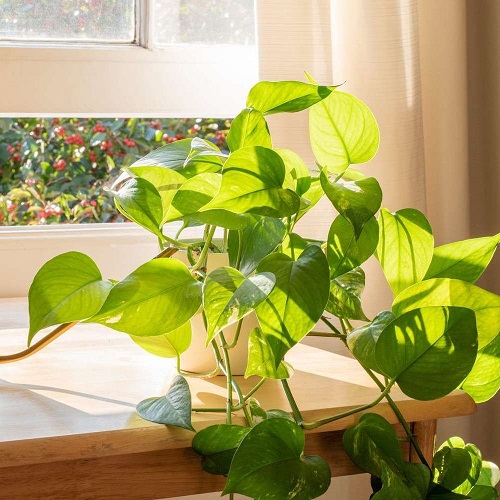
Strong afternoon sunlight is one of the worst conditions for pothos. South-facing or west-facing windows can expose the leaves to intense heat for many hours. This often causes leaf scorch, yellow patches, and curling. Variegated pothos types are even more sensitive because their lighter leaf sections burn faster.
If you notice faded or crispy leaves, move the plant farther from the window immediately. Pothos prefers bright conditions but does not like harsh sun sitting directly on the foliage. Filtered light is always safer than intense exposure. Keeping the plant protected from direct afternoon rays helps preserve healthy leaf color.
7. Dark Rooms Without Windows
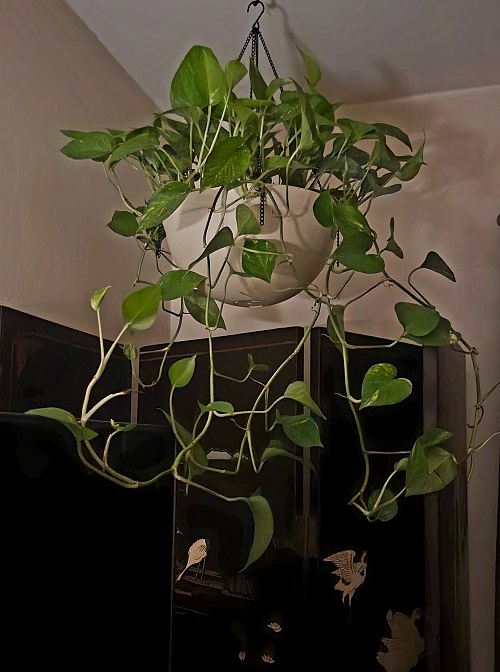
Pothos can survive in lower light better than many houseplants, but very dark rooms are still a poor choice. In spaces without windows or reliable grow lights, the plant becomes weak over time. The vines stretch out, leaves become smaller, and growth slows heavily. Variegated pothos may even lose their patterns and turn mostly green.
Dark rooms also keep soil wet for longer periods because the plant uses less water. This increases the risk of root rot. If you want to keep pothos in a darker area, use an artificial grow light for several hours daily. Light remains one of the most important parts of healthy pothos care.
8. Near Heating Vents or Air Conditioners
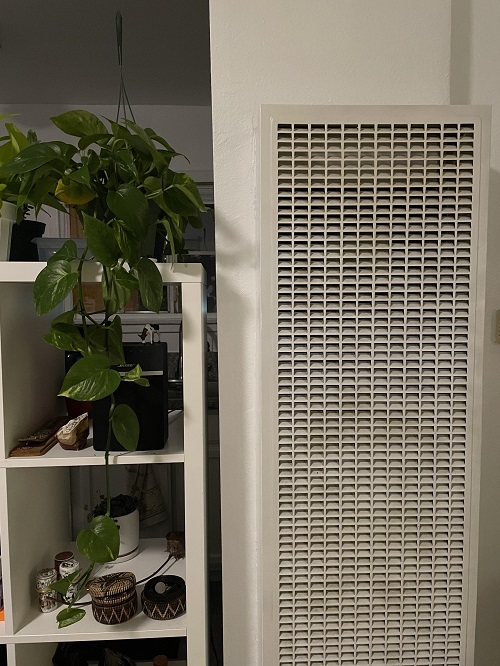
Hot and cold air blowing directly on pothos can stress the plant quickly. Heating vents dry the leaves and soil too fast, while cold air conditioners may shock the plant. Sudden temperature changes often lead to drooping, brown edges, and slower growth. Pothos prefers stable indoor temperatures without strong drafts.
Keep the plant away from doors that open frequently during winter or summer. Drafty areas create uneven growing conditions that make the plant weaker over time. A calm indoor location with steady warmth helps pothos stay healthy and grow more evenly.
9. Waterlogged Kitchen Counters
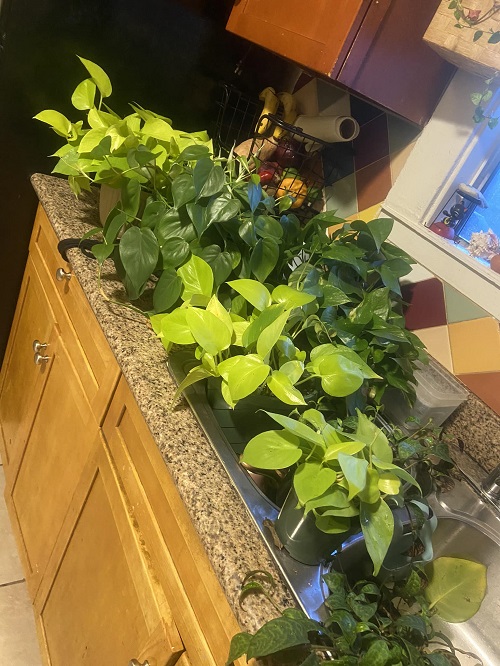
Kitchen counters near sinks may seem convenient, but they can create problems if the area stays constantly wet. Water splashes and trapped moisture can keep the soil too damp. Pothos roots do not like sitting in soggy soil for long periods. Overwatering is one of the main reasons pothos plants develop yellow leaves and root rot.
If you keep pothos in the kitchen, place it in a bright area with proper drainage and airflow. Always empty excess water from trays and avoid watering too often. The soil should dry slightly between watering sessions to keep the roots healthy.
Most Important Tip for Choosing the Right Spot
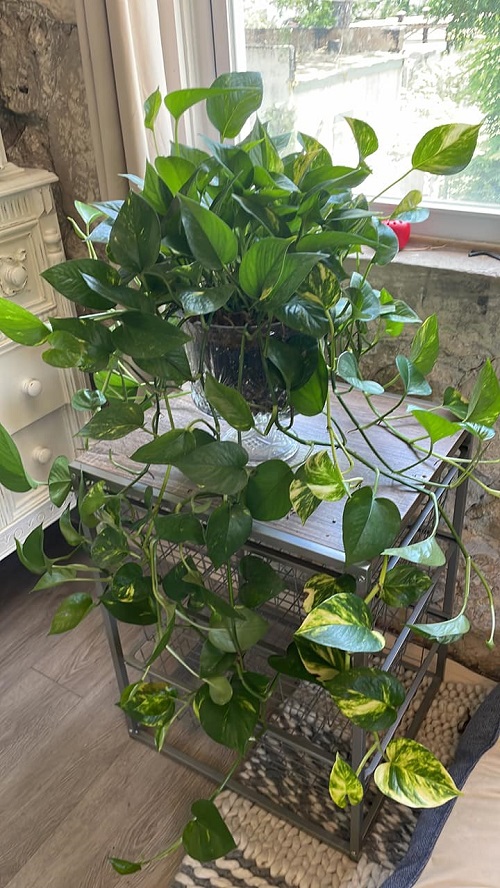
The most important thing for pothos is bright indirect light with stable indoor temperatures. This single condition supports healthy leaves, steady growth, and strong roots. Even though pothos adapts easily, it performs much better when placed in a balanced environment without harsh sunlight, darkness, or strong drafts. Small placement changes can greatly improve the plant’s overall health and appearance.