
As an Amazon Associate, we earn a small commission from qualifying purchases — at no extra cost to you.
Not sure which soil mix your houseplants need? Find the Best Potting Mix for Indoor Plants and choose the right blend for better growth.
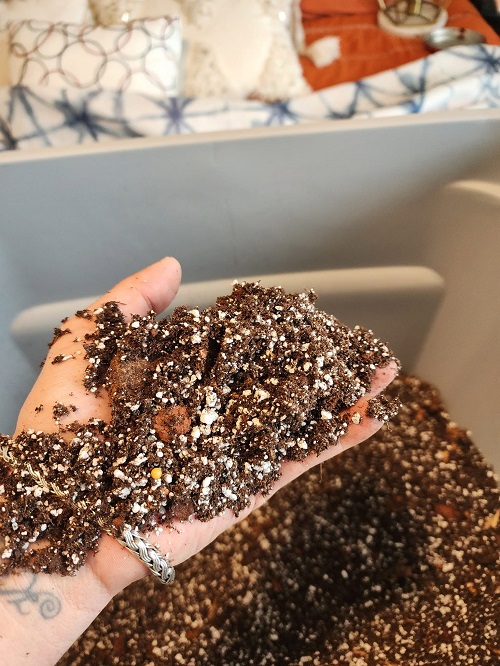
Selection of the Best Potting Mix for Indoor Plants can make a big difference to their growth. The right mix helps roots get enough air, holds moisture, and drains extra water. Learn which ingredients work best for your houseplants and how to choose a mix that suits each plant.
Best Potting Mix for Indoor Plants
Want to build the perfect indoor plant setup? Check out this indoor gardening system that serious plant lovers swear by. You can also check our Amazon Storefront for all such gardening needs.
What Makes a Good Potting Mix for Indoor Plants?
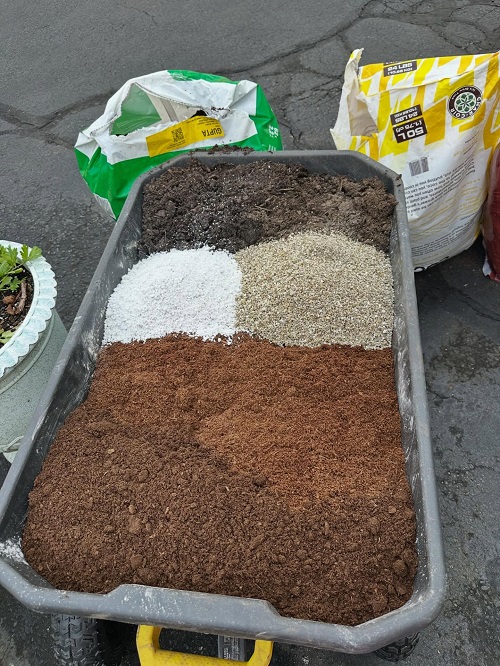
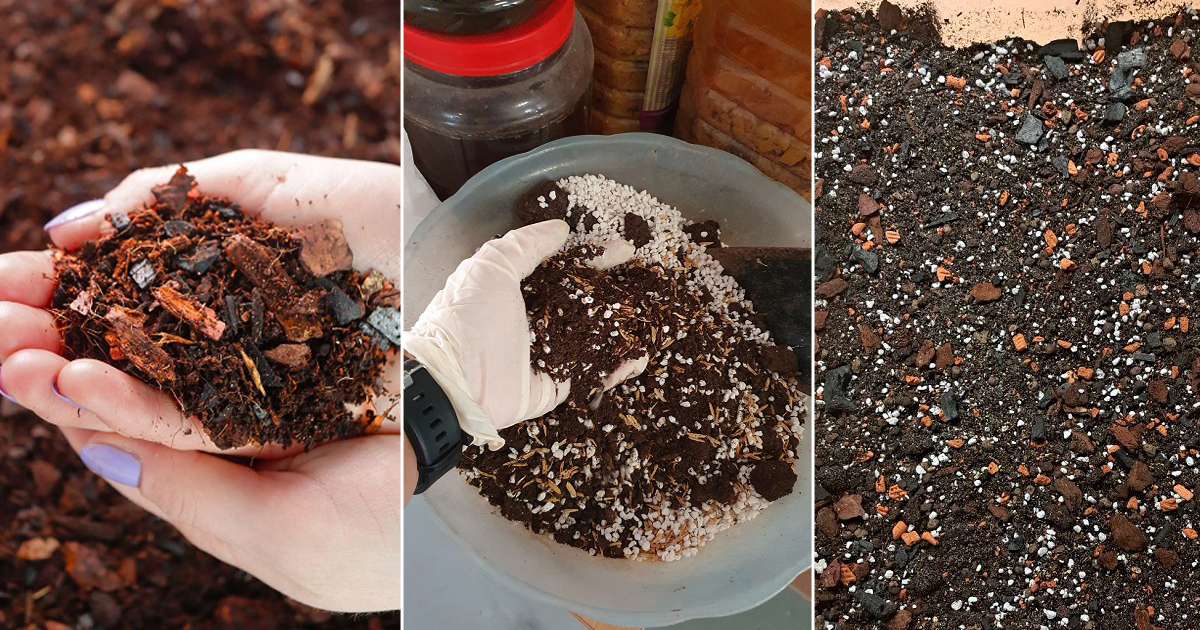
Before buying a potting mix, look at its texture. A good mix should feel loose and crumbly rather than heavy or sticky. It needs to hold some water, but it should also allow excess moisture to drain away.
Roots need oxygen as well as water. When the mix stays soaked for too long, the roots struggle to get enough air. Over time, this can lead to root damage and poor growth, even if you haven’t been watering excessively.
The pot itself also affects how quickly the soil dries. For example, a plant growing in a small terracotta pot will usually dry out faster than one in a larger plastic pot. Room temperature, light, and humidity make a difference, too.
So, when choosing a mix, consider the plant and the conditions in which you grow it. A mixture that works well in one room may need some adjustment in another.
Skip the guesswork and start with a quality houseplant potting mix that provides a good balance of moisture and drainage.
Ingredients You Can Add to Indoor Potting Mix
1. Coco Coir
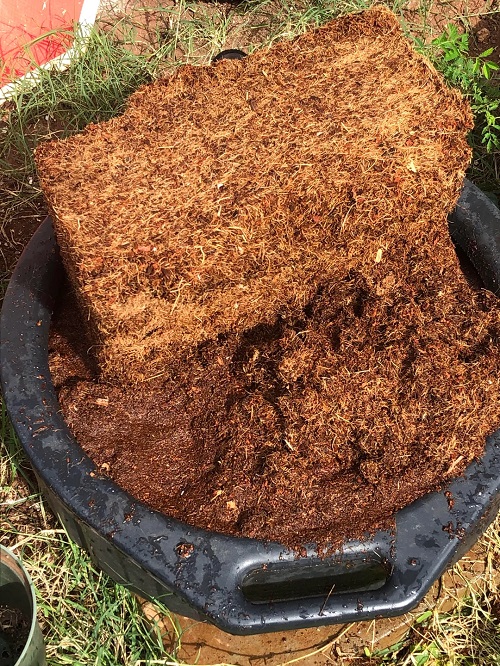
Coco coir comes from coconut husks and is widely used in potting mixes. It holds water without making the mixture as heavy as ordinary garden soil. It also helps keep the growing medium loose.
If your pothos, philodendrons, or peace lilies dry out quickly, coco coir can help the soil retain moisture for longer. However, it doesn’t provide enough nutrients on its own to support most houseplants over time. You’ll need to use a suitable fertilizer or combine it with a potting mix that already contains nutrients.
Want your potting mix to hold moisture without becoming too heavy? Add this coco coir from Amazon to your soil blend.
2. Perlite
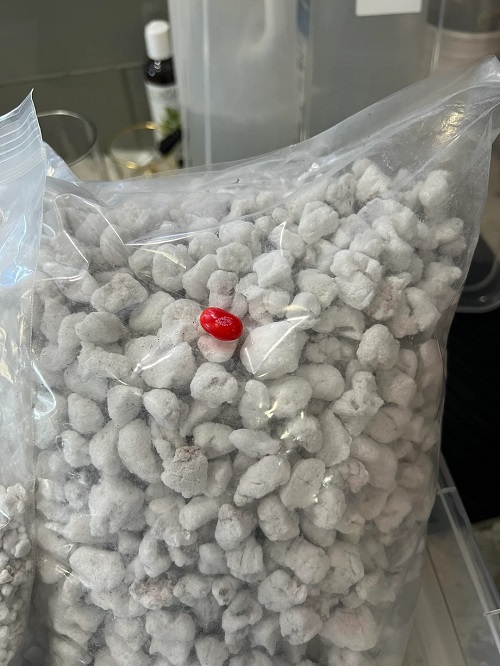
Perlite is the small, white material found in many commercial potting mixes. It helps loosen the soil and creates spaces that allow air and water to move through the mixture.
For many common houseplants, you can start by mixing one part perlite with three or four parts regular potting mix. If you’re growing a plant that prefers drier roots, you may need to add more.
There’s no need to add extra perlite just because you have some available. Check how your current mix behaves after watering. If the water drains well and the soil dries at a suitable rate, you may not need to change anything.
If your current soil feels dense or stays wet for too long, adding horticultural perlite can help create a lighter, better-draining mix. Check out this horticultural perlite on Amazon for repotting your indoor plants.
3. Pine Bark
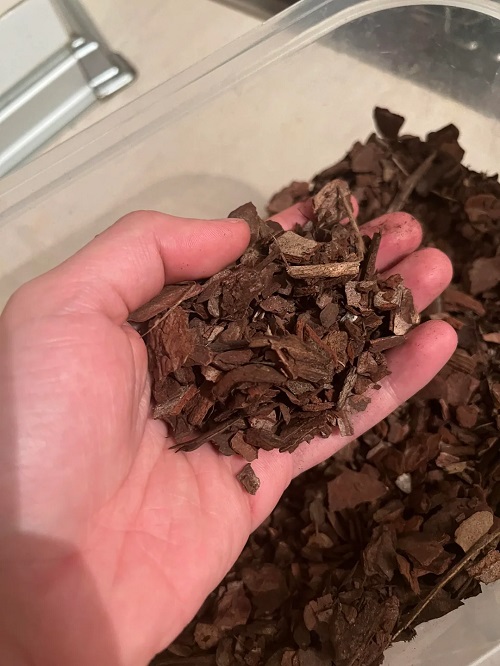
Small pieces of pine bark help prevent potting mix from becoming too compact. They leave more space around the roots and improve airflow within the pot.
Pine bark is particularly useful for monstera and other aroids. These plants generally do well in a loose mix rather than one that becomes dense after repeated watering.
Choose fine or small-grade horticultural bark for most houseplant pots. Larger pieces are more suitable for certain growing methods, including the bark-based mixes used for many orchids.
Making a loose Monstera or philodendron mix? Check out this horticultural pine bark on Amazon.
4. Compost and Worm Castings
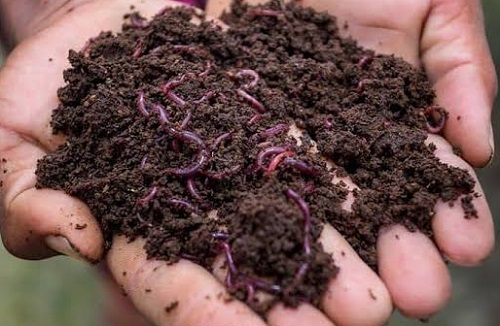
Compost and worm castings add organic matter and nutrients to potting mix. A small amount can be useful, especially when the base mixture contains little nutrition.
Start with around 5–10% by volume, depending on the product you’re using. Avoid adding too much, as both materials can increase moisture retention and make the mix heavier.
Always use mature, suitable compost. Poorly finished compost can cause problems in indoor pots, including unpleasant smells and unwanted pests.
Want to add organic matter to your potting mix? Mix in a small amount of these worm castings from Amazon.
Best Potting Mix for Common Indoor Plants
Pothos and Philodendrons
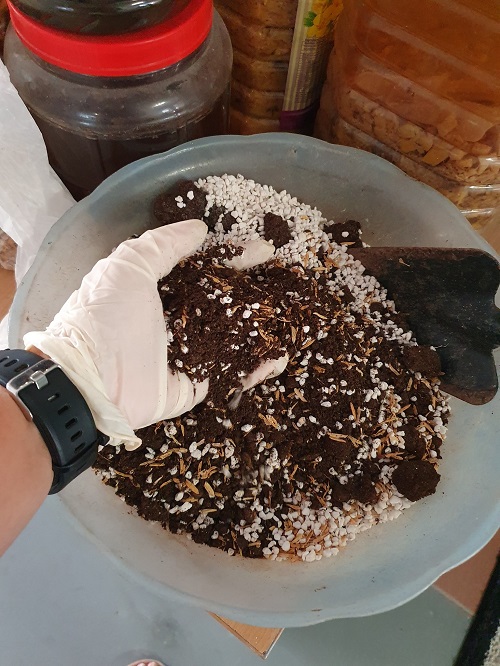
Pothos and heartleaf philodendrons are forgiving plants, so you don’t need to make their potting mix complicated. A good indoor mix with some added perlite is usually enough.
For a more open mixture, combine three parts potting mix, one part perlite, and one part fine pine bark. This is a useful starting point rather than a strict formula.
After watering, check how long the pot takes to dry. If the soil remains wet for several days, you may need more drainage material. If it dries too quickly, use a little more of the base potting mix.
Don’t want to measure and mix everything yourself? Try this ready-to-use aroid potting mix from Amazon.
Peace Lilies
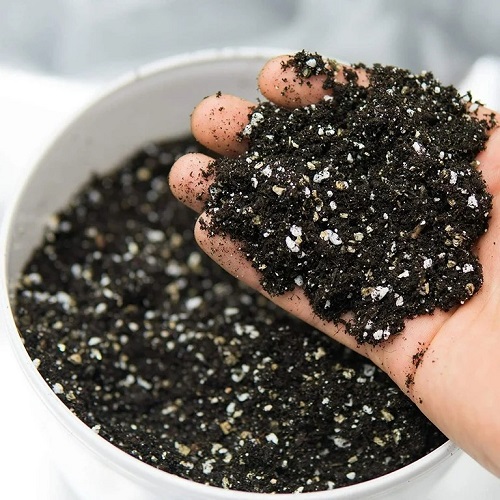
Peace lilies need a little more moisture than snake plants, but their roots won’t tolerate soggy soil for long. A loose potting mix that holds water without becoming waterlogged is the better choice.
Try three parts regular potting mix with one part perlite. This gives the roots access to moisture while helping excess water drain away.
Keep an eye on the soil during cooler weather. It often takes longer to dry when temperatures drop or daylight decreases, so you may need to water less often than you did in summer.
Repotting a peace lily? Check out this indoor potting mix on Amazon and add perlite as needed for better drainage.
Snake Plants
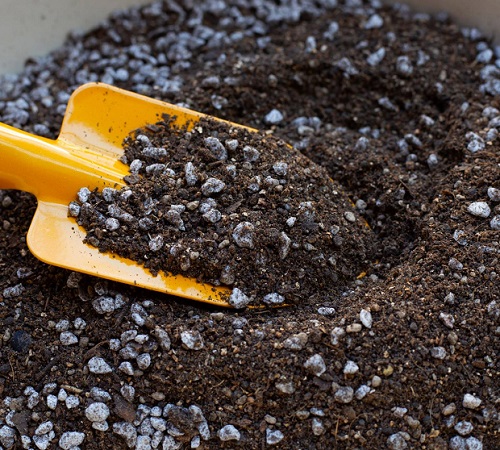
Snake plants don’t need a moisture-retentive mix. In fact, soil that stays wet for too long is one of the problems worth avoiding when growing them indoors.
Mix equal parts indoor potting mix and perlite or pumice. You can also use a cactus mix, but check its texture first. Some ready-made products contain a lot of fine organic material and may hold more water than expected.
Choose a pot with drainage holes and let the soil dry thoroughly before watering again. If the potting mix stays damp for too long, check the container size and the growing conditions as well as the soil itself.
Monstera
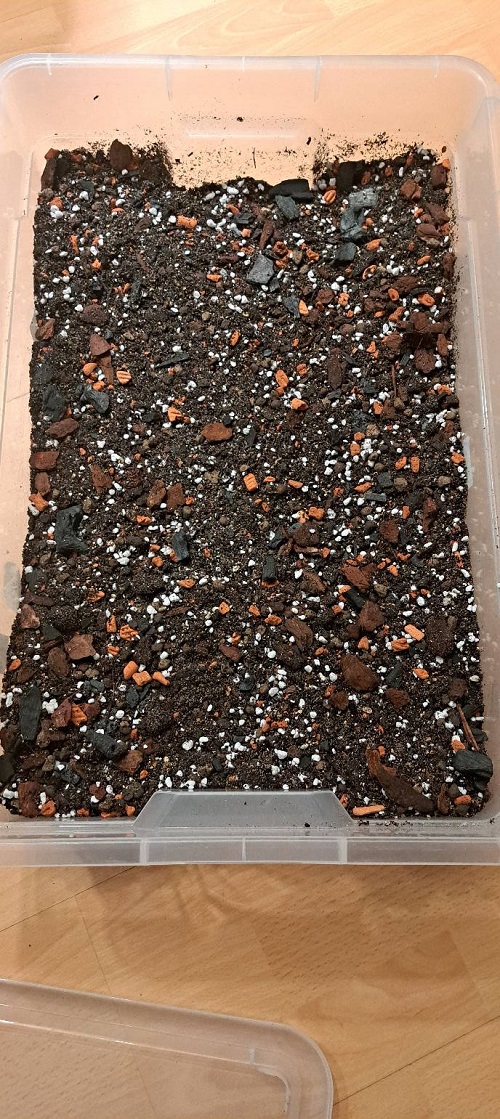
Monstera plants do well in a mix that holds some moisture but doesn’t pack tightly around their roots. Adding bark and perlite to a regular potting mix can help achieve this balance.
Try two parts potting mix, one part fine pine bark, and one part perlite. Pumice can replace perlite if that’s what you have available.
Pay attention to the results rather than following the recipe blindly. If the mixture dries too quickly, add more potting mix. If it stays wet, increase the amount of coarse material or check whether the pot is larger than the root system needs.
Skip measuring bark and perlite yourself with this chunky Monstera potting mix from Amazon.
Orchids
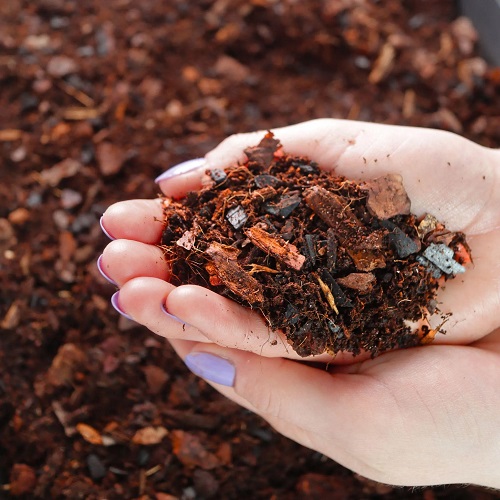
Most common moth orchids, known as Phalaenopsis, need a different growing medium from ordinary houseplants. Their roots need plenty of air, so regular indoor potting soil is generally not a good choice.
A commercial orchid mix containing bark is often the easiest option. Some blends also contain sphagnum moss, which helps hold moisture. The amount of moss you need depends on your home’s humidity, the type of pot, and how often you water.
If you grow orchids in clear pots, look at the roots as well as the growing medium. This can help you judge when watering is needed without relying on the surface alone.
Succulents and Cacti
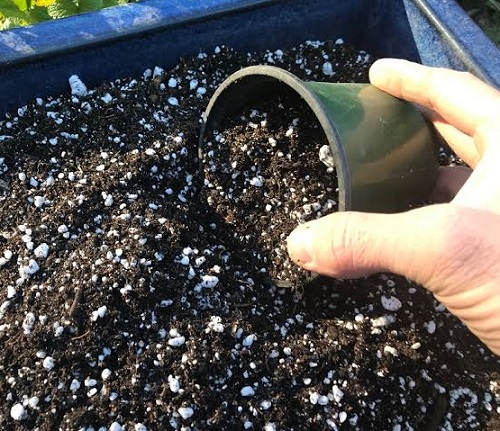
Succulents and cacti generally need a grittier mix than tropical foliage plants. A regular potting mix that holds too much water can leave their roots wet for longer than they can tolerate.
Start with one part regular potting mix and two parts pumice, perlite, or suitable horticultural grit. Adjust the proportions to suit the plant and the conditions in your home.
Desert cacti often need a faster-draining mix than tropical succulents, so don’t assume that every plant in this group has exactly the same requirements. Check how quickly the mixture dries before settling on a final blend.
Help prevent your succulent soil from staying wet for too long with this fast-draining cactus mix.
How to Tell If Your Potting Mix Needs Replacing
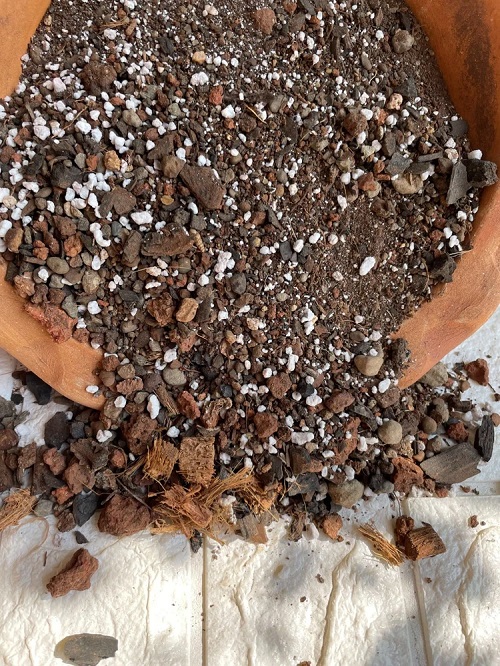
- You can learn a lot by watching what happens after you water. Does the water soak into the mix, or does it sit on the surface? Does excess water drain freely? Does the soil remain wet long after watering?
- If the mix has become hard, compacted, or difficult to rewet, it may be breaking down. Organic materials gradually decompose, and the mixture can lose the air spaces that healthy roots need.
- Pay attention to unusual smells, too. A sour smell combined with constantly wet soil can point to a drainage problem. If the plant is also declining, check the roots. Soft, dark roots may indicate rot, although healthy root color varies between species.
- There’s no need to replace the potting mix every year just because a certain amount of time has passed. If the plant is growing well, the mix drains properly, and the roots have enough room, you can leave it alone.
- Consider repotting when the mixture has deteriorated, the roots have outgrown the container, or the plant shows signs of a problem that fresh potting mix can help resolve.
Want to understand your houseplants beyond just their soil needs? Check out The Houseplant Handbook by David Squire on Amazon for practical guidance on growing and caring for a wide range of indoor plants.