
As an Amazon Associate, we earn a small commission from qualifying purchases — at no extra cost to you.
Avoid Common Mistakes When Growing Stapelia with easy care tips. Find out what can harm your plant and how to fix it.
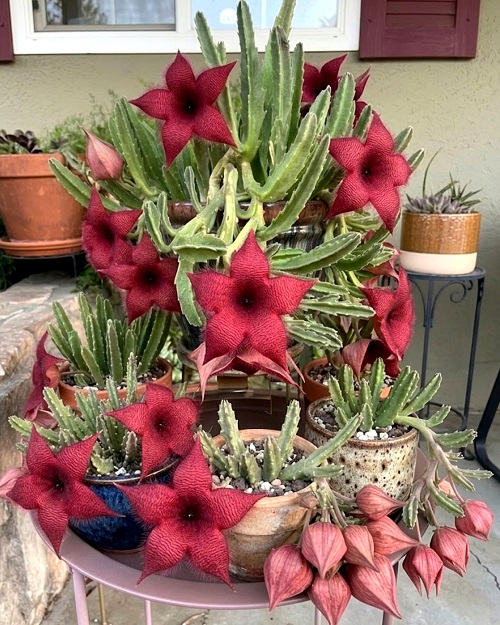
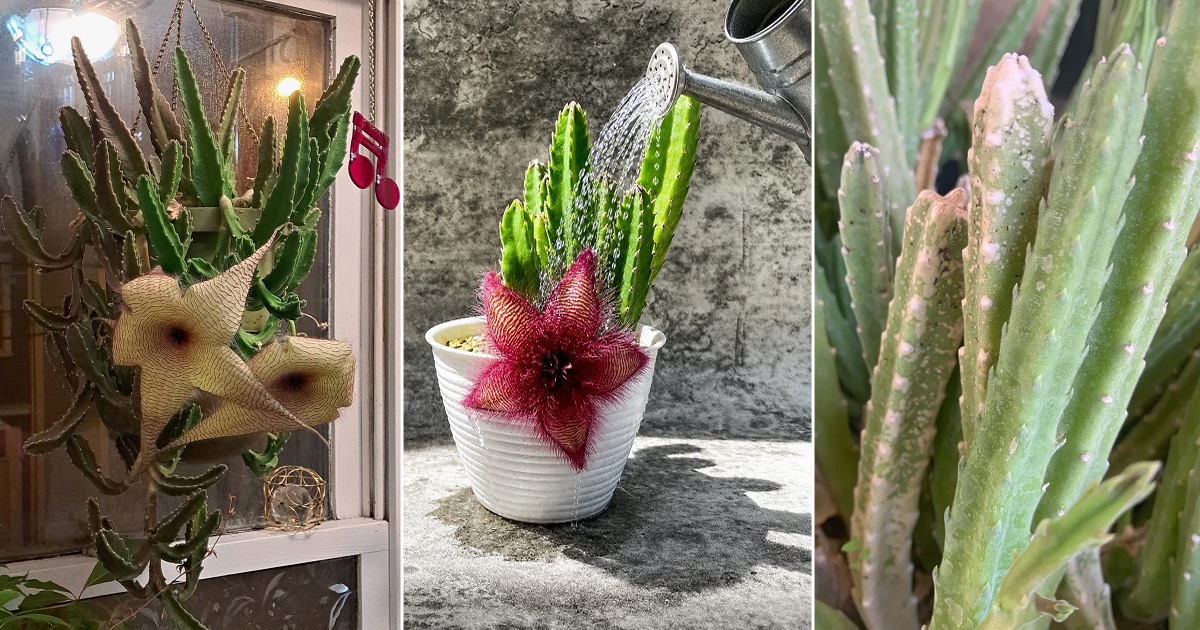
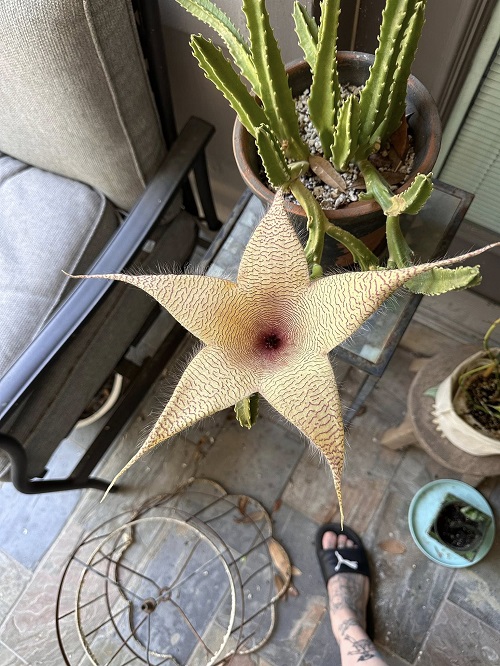
Read about these Common Mistakes When Growing Stapelia as they can stop this unique succulent from thriving. Knowing what to avoid can help your plant stay healthy and produce its unusual star-shaped flowers. Here are the mistakes and easy ways to fix them.
Common Mistakes When Growing Stapelia
1. Overwatering the Plant
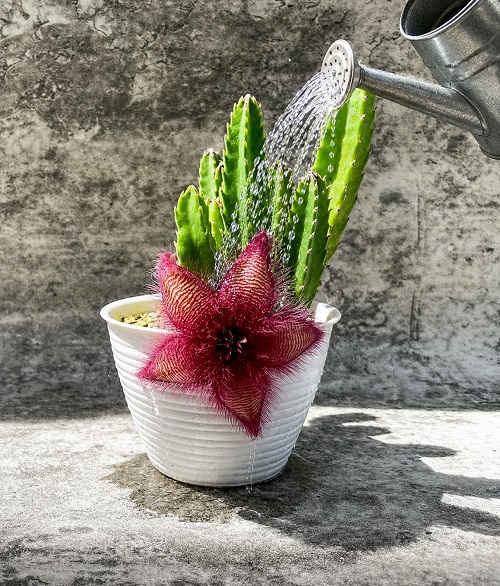
The biggest mistake when growing Stapelia is giving it too much water. Since it is a succulent, it stores water in its stems and does not need frequent watering. Wet soil can cause the roots to rot and make the stems turn soft and black. Once root rot starts, it can spread quickly and kill the plant. Water only when the soil is completely dry. Reduce watering even more during winter when the plant grows slowly.
2. Using Heavy Garden Soil
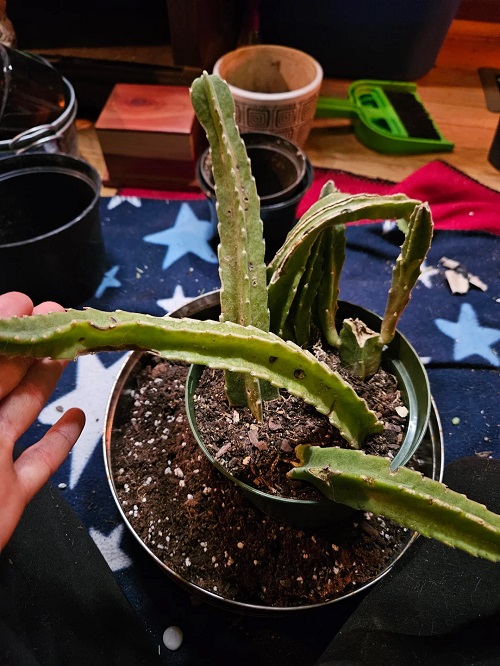
Many people plant Stapelia in regular garden soil without improving drainage. Heavy soil holds too much moisture around the roots. This creates the perfect conditions for fungal diseases and root rot. Stapelia grows best in a loose and fast-draining mix. A cactus or succulent potting mix works well. You can also add coarse sand, pumice, or perlite to improve drainage and keep the roots healthy.
3. Growing It in Too Much Shade
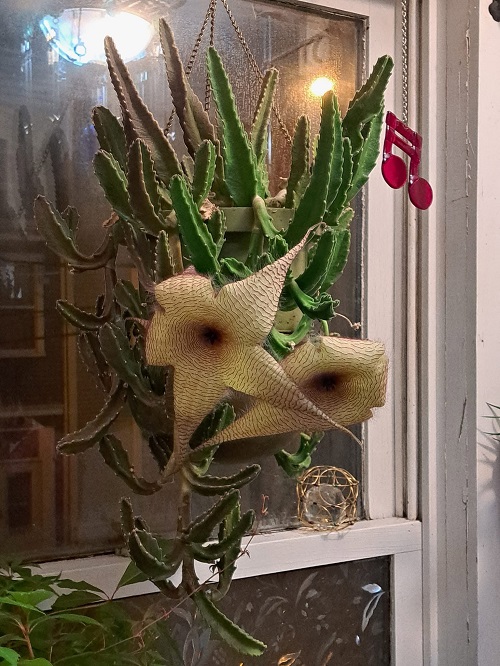
Stapelia needs plenty of bright light to stay healthy. Some gardeners keep it in deep shade because they worry about sunburn. While harsh afternoon sun can damage the stems, too little light causes weak growth. The stems become long and thin, and the plant may not flower. Place Stapelia where it gets several hours of bright indirect light or gentle morning sun. A bright window or partially shaded outdoor spot works well.
4. Choosing a Pot Without Drainage Holes
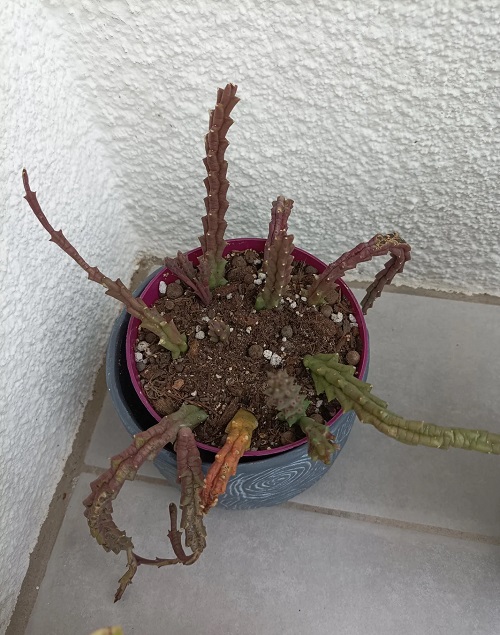
A decorative pot without drainage holes may look attractive, but it can create serious problems for Stapelia. Extra water stays trapped in the pot and keeps the soil wet for too long. The roots cannot breathe and may begin to rot. Always choose a container with drainage holes. Empty any saucer under the pot after watering so the plant does not sit in standing water.
5. Watering on a Fixed Schedule
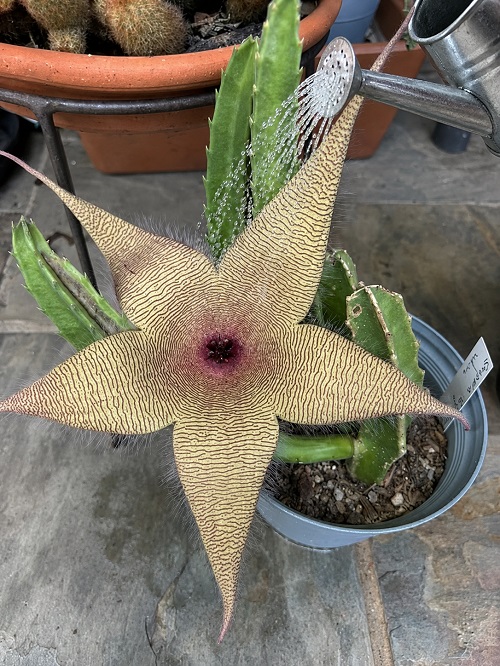
Many people water their Stapelia every week without checking the soil. This habit often leads to overwatering. Weather, temperature, and plant growth can change the amount of water the plant needs. Instead of following a schedule, check the soil with your finger. If the top few inches feel dry, it is time to water. If the soil still feels damp, wait a few more days.
6. Giving Too Much Fertilizer
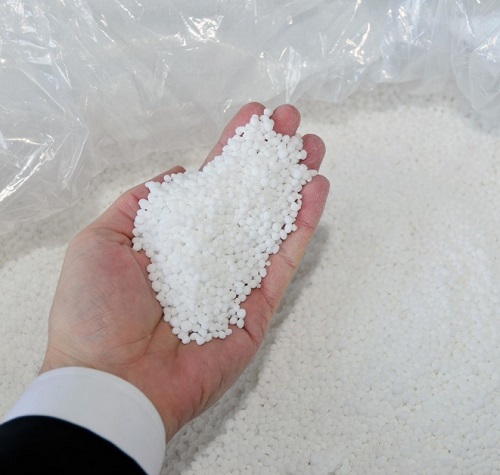
Stapelia does not need heavy feeding to grow well. Too much fertilizer can produce weak stems and reduce flowering. It can also leave salts in the soil that damage the roots over time. Feed the plant lightly during spring and summer when it is actively growing. A balanced liquid fertilizer diluted to half strength or a cactus fertilizer with an NPK ratio around 5-10-10 or 10-10-10 once every four to six weeks is enough.
7. Ignoring Temperature Needs
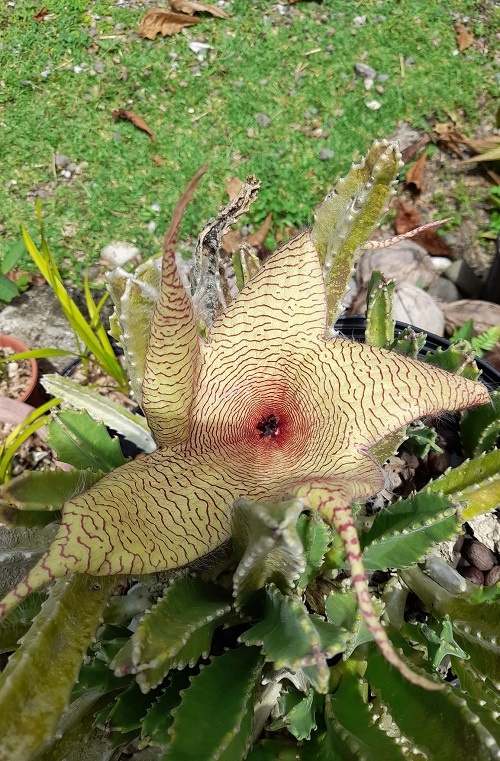
Stapelia likes warm conditions and does not handle cold weather well. Some gardeners leave it outdoors when temperatures drop too low. Cold damage can make the stems soft and discolored. Frost can kill the plant. Keep Stapelia where temperatures stay above 50°F or 10°C. Move container plants indoors before cold weather arrives if you live in a cooler climate.
8. Not Providing Good Air Circulation

Poor air movement around the plant can encourage fungal diseases and pest problems. Crowded plants stay damp for longer after watering. This increases the risk of stem rot and mold. Place Stapelia where air can move freely around the stems. Avoid packing several succulents too closely together. Good airflow helps keep the plant dry and healthy.
9. Expecting Flowers Too Soon
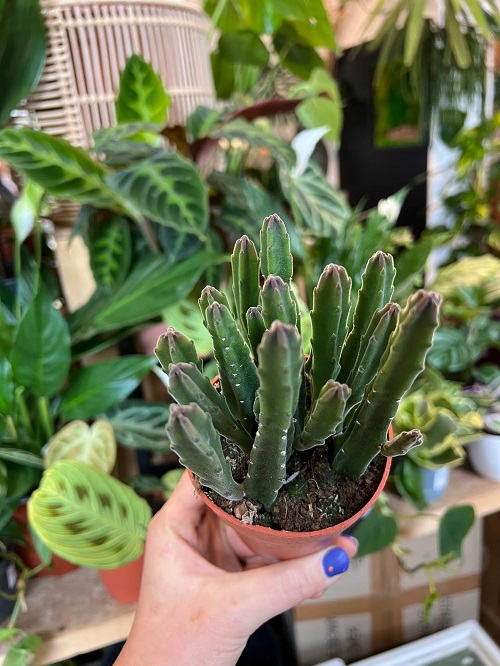
Many new growers become disappointed when their Stapelia does not bloom quickly. Young plants often need time to mature before producing flowers. Too much shade, excess fertilizer, or frequent watering can also delay blooming. Give the plant bright light, proper watering, and patience. Mature, healthy plants are much more likely to produce their unusual star-shaped flowers.
10. Ignoring Pests
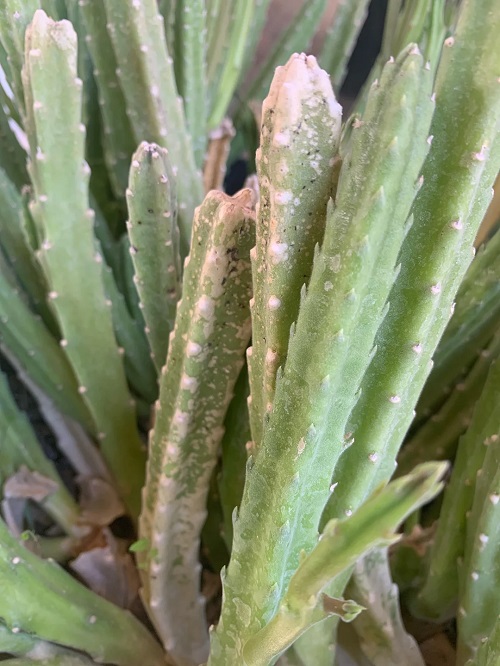
Stapelia can attract pests such as mealybugs, spider mites, and scale insects. Small infestations are easy to miss because the insects hide between the stems. If left untreated, they can weaken the plant and slow its growth. Check the stems regularly for white cotton-like spots or tiny insects. Remove pests by wiping them with rubbing alcohol or using insecticidal soap when needed.
11. Letting Dead Stems Stay on the Plant
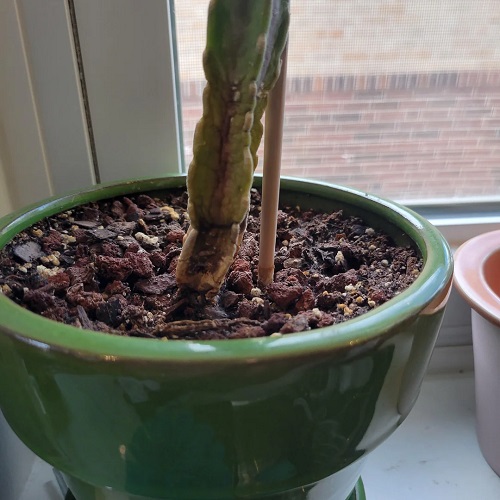
Old, damaged, or rotting stems should not remain on the plant. Dead growth can attract pests and diseases that spread to healthy parts. Inspect the plant regularly and remove any soft, black, or dried stems with clean pruning tools. This helps improve airflow and encourages healthier growth.
12. Repotting Too Often
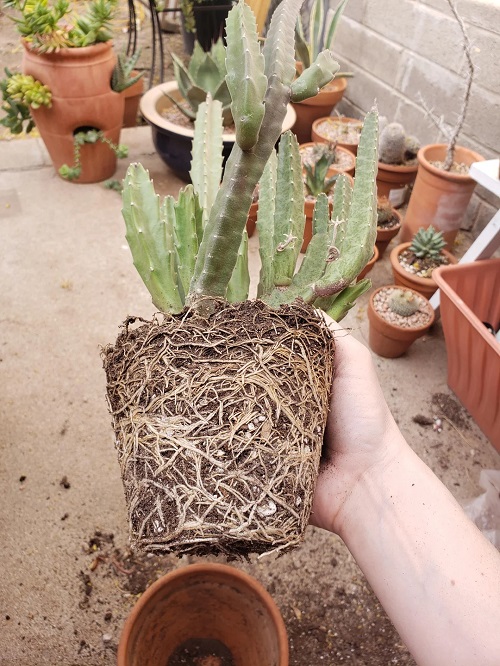
Stapelia does not mind being slightly root-bound and does not need frequent repotting. Some gardeners move it into larger pots every year, which can slow growth and increase the risk of overwatering. Repot only when the plant has clearly outgrown its container or the soil has broken down. Choose a pot that is only slightly larger than the current one.
13. Forgetting the Winter Rest Period
Stapelia naturally slows its growth during winter. Many people continue watering and feeding it as they do in summer. This can cause root problems and weak growth. During the cooler months, reduce watering and stop fertilizing until new growth appears in spring. The rest period helps the plant stay healthy and prepare for the next growing season.