
As an Amazon Associate, we earn a small commission from qualifying purchases — at no extra cost to you.
Is your ZZ plant not growing new shoots? Find out how to get your ZZ Plant to Grow More Pups with easy tips that really help.
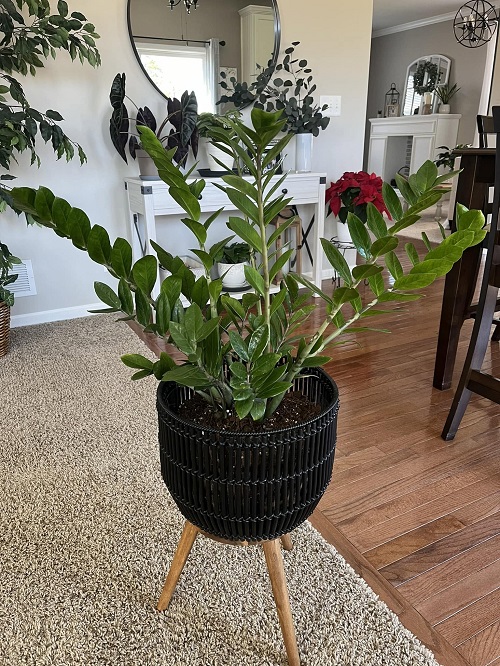
Have you been checking your ZZ plant every few days, hoping to see a tiny new shoot? If so, you’re probably feeling a little disappointed. The leaves still look healthy, but nothing new seems to be happening.
Don’t worry just yet.
A ZZ plant can stay quiet for months. That doesn’t always mean it has stopped growing. In many cases, it is busy doing something you can’t see. Before a new pup appears, the plant spends time growing its underground rhizomes. Those thick, potato-like roots store water and energy. Once they are ready, they push out a fresh shoot.
You can’t force that process overnight, but you can help it along. A few small changes often make more difference than people expect.
How to Get Your ZZ Plant to Grow More Pups
Want to build the perfect indoor plant setup? Check out this indoor gardening system that serious plant lovers swear by. You can also check our Amazon Storefront for all such gardening needs.
1. Give Your Plant a Better Spot
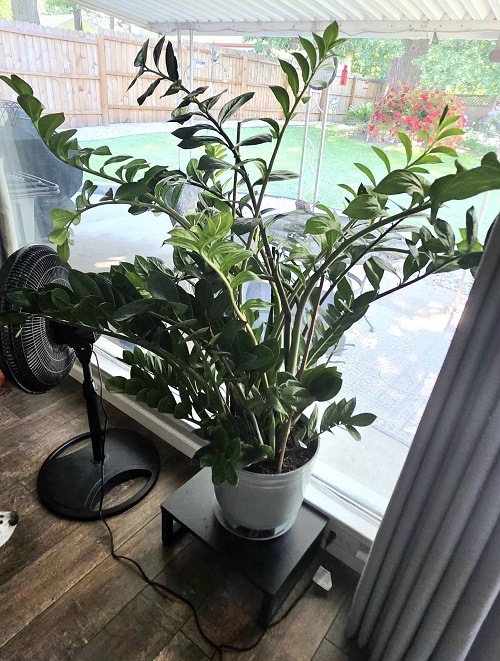
The first thing you should look at is the amount of light your plant gets every day.
Maybe you placed it in a dark corner because you heard ZZ plants love low light. They can live there, but living and growing are two different things. Take a look around your house. Is there a brighter place where the plant can sit without getting harsh afternoon sun? If there is, move it there and leave it alone for a while.
You probably won’t see anything happen for the first few weeks. That’s normal. A ZZ plant doesn’t react overnight. It likes to take its time.
You have noticed that plants kept near a bright window usually become fuller than those sitting across the room. The difference isn’t dramatic at first, but after a few months it becomes easy to see. Choose the best spot for growing ZZ plant in the home.
2. Stop Watering on a Schedule
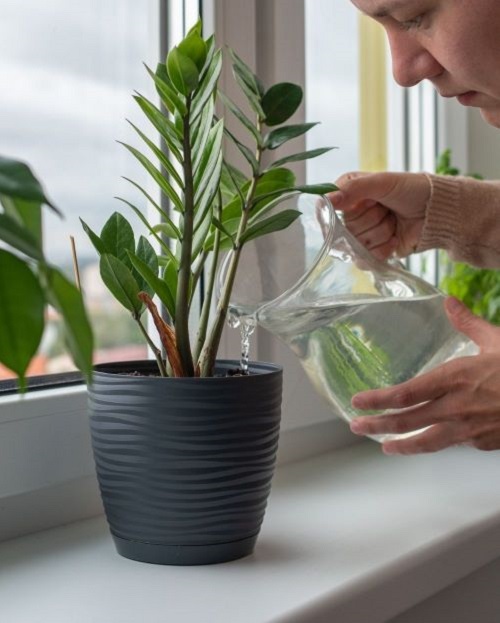
If you’re watering every Sunday because that’s your routine, it might be time to change that habit. Your ZZ plant doesn’t care what day it is.
Some weeks the soil dries faster. Other weeks it stays damp much longer. That’s why it’s better to check the soil instead of following the calendar. Push your finger a couple of inches into the potting mix. If it still feels cool and damp, leave the plant alone. If it feels dry, give it a good watering until excess water drains from the bottom.
Then forget about it for a while. Many people do more harm by watering too often than by waiting an extra day or two.
You can also keep track of the moisture with this electronic meter.
3. Don’t Rush to Repot
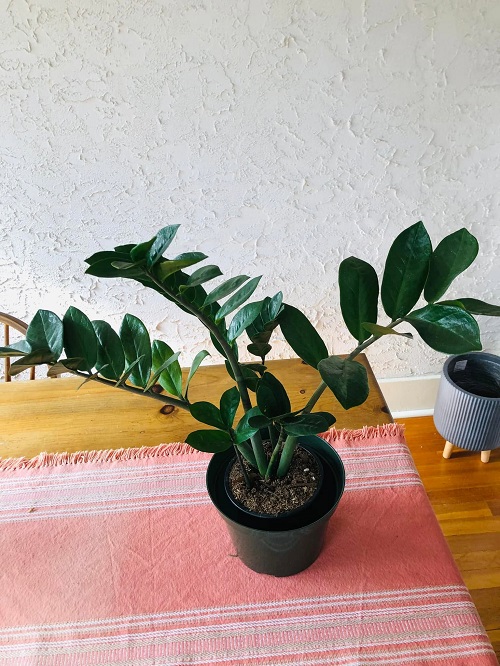
It is easy to think a bigger pot will give your plant more room to grow. Sometimes the opposite happens.
When you move a ZZ plant into a container that is much larger than its roots, it often spends months filling that empty space underground. During that time, you may not see a single new pup.
If your plant really needs a new pot, choose one that is only slightly larger than the old one. That small change is usually enough. Find How to Grow a Fuller ZZ Plant Without Repotting.
4. Fresh Soil Can Wake Things Up
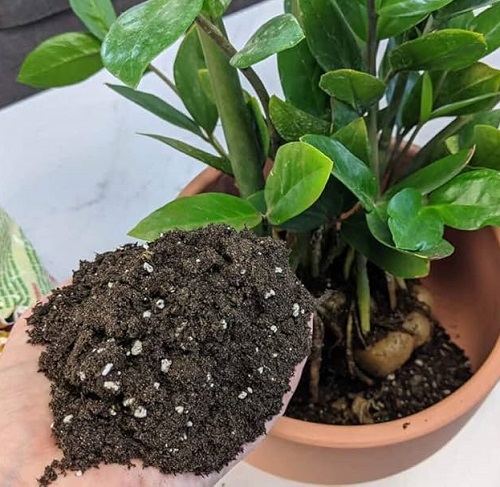
Think about how long your plant has been sitting in the same soil. If the answer is three or four years, the potting mix has probably changed quite a bit. Old soil becomes dense. It doesn’t drain as well as it once did, and it doesn’t hold many nutrients either.
When you replace it with a fresh, airy mix, the roots often have an easier time growing. Healthier roots usually lead to healthier rhizomes, and healthy rhizomes are where every new pup begins. Don’t expect magic the next morning, though.
Plants work slowly. Sometimes the results show up months later.
When adding new soil, do not foget these pebbles to help your plant’s growth.
5. Feed It During the Growing Season
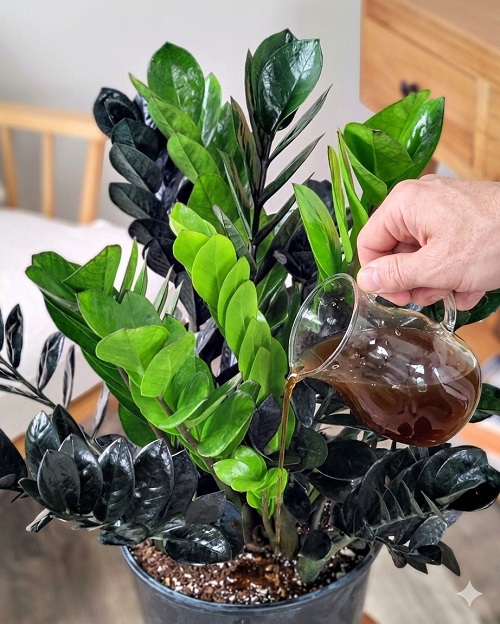
Your ZZ plant doesn’t need much fertilizer, but it shouldn’t go hungry forever.
If you’ve never fed it, a balanced liquid fertilizer once a month during spring and summer is usually enough. More isn’t better.
Adding extra fertilizer won’t convince the plant to grow twice as fast. If anything, too much can damage the roots. Keep it simple. Light feeding works better than heavy feeding.
Here is a multipurpose plant food that boosts your plant’s health with a single scoop.
6. Leave Healthy Stems Alone
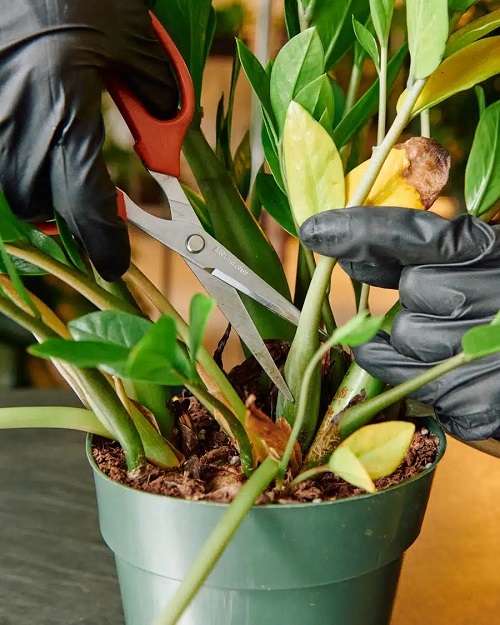
You may feel tempted to cut off older stems because they seem tired or because you want the plant to look neater.
Ask yourself one question before you do. Are those stems still green?
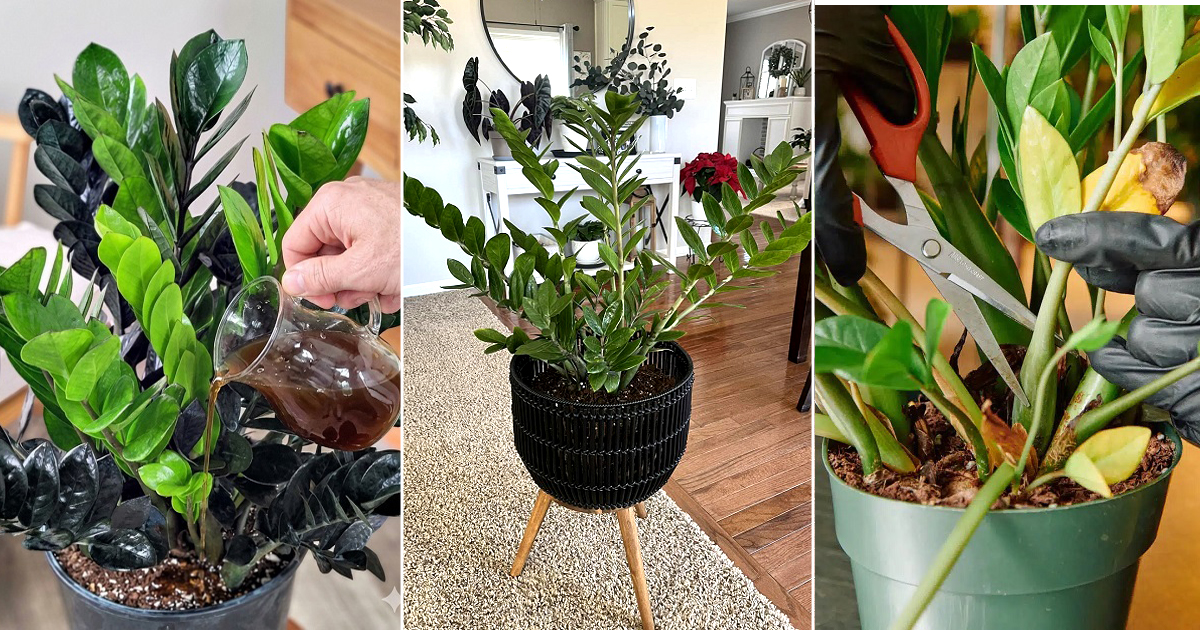
If they are, leave them alone. Every green leaf is making food for the plant. That food eventually helps the rhizomes build enough energy to produce another pup. Only remove stems that have turned yellow, become soft, or have clearly died back.
Use these sharp pruning shears for all the cutting.
7. Be Patient, Even When Nothing Seems to Be Happening
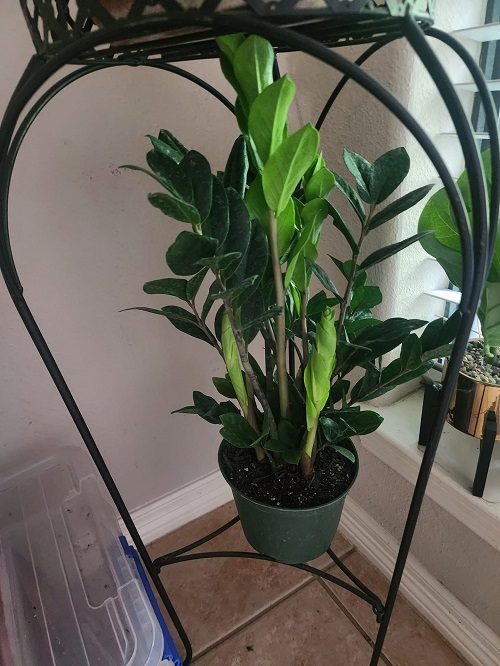
This is probably the hardest advice to follow. You look at the plant today. You look again next week. It looks exactly the same. That doesn’t mean it has stopped growing.
A ZZ plant spends much of its energy below the soil, where you can’t watch the progress. One day you’ll notice a pointed green shoot pushing through the potting mix, and it will seem as though it appeared overnight.
It didn’t. The plant had been preparing for that moment for weeks, sometimes even months.
8. Don’t Chase Every Internet Trick
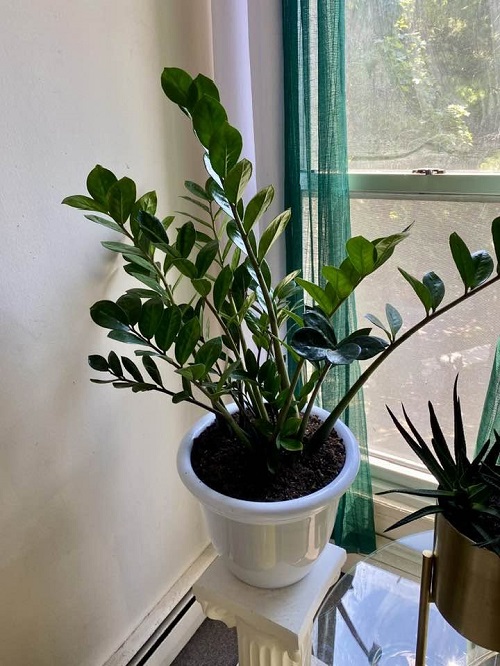
You’ll find plenty of videos promising faster growth.
Some tell you to pour coffee into the pot. Others suggest banana peels, rice water, or homemade mixtures. Most of those ideas have very little evidence behind them.
If your plant has enough light, healthy roots, fresh soil, proper watering, and a little fertilizer during its growing season, you’ve already covered the things that matter most. There isn’t a secret ingredient that suddenly makes a slow-growing plant behave like a fast one.
Want every houseplant in your home to thrive? This beginner-friendly guide is packed with practical tips you’ll actually use.