
As an Amazon Associate, we earn a small commission from qualifying purchases — at no extra cost to you.
Learn How to Grow a Calathea Triostar with simple steps to keep it thriving and looking fresh every day in your home.
This stunning Calathea triostar is admired for its pretty tricolored lanceolate leaves with entire margins. They will uplift the aesthetics of any room. It adds a lush and elegant touch whether you place it indoors or in shaded outdoor areas. Native to tropical regions, they grow up to an average height of 12 inches (30 cm) when kept as houseplants and form rhizomes. They are slightly sensitive but manageable with the right care. It is not the plant that you grow and forget; it needs consistent detailed attention. Once you understand its needs, it nurtures well and stays healthy.
How to Grow a Calathea Triostar
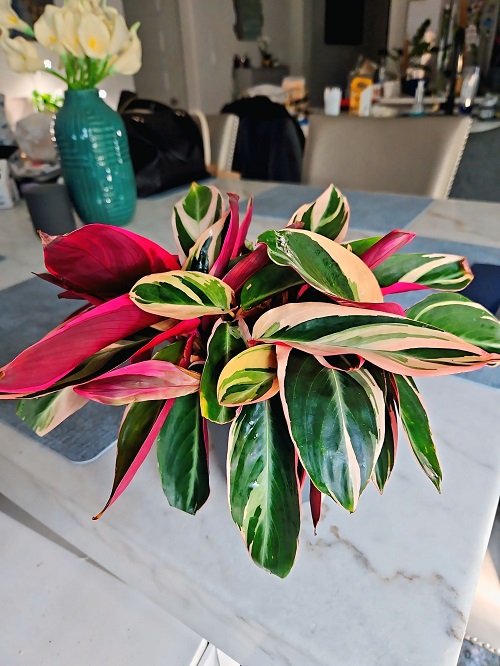
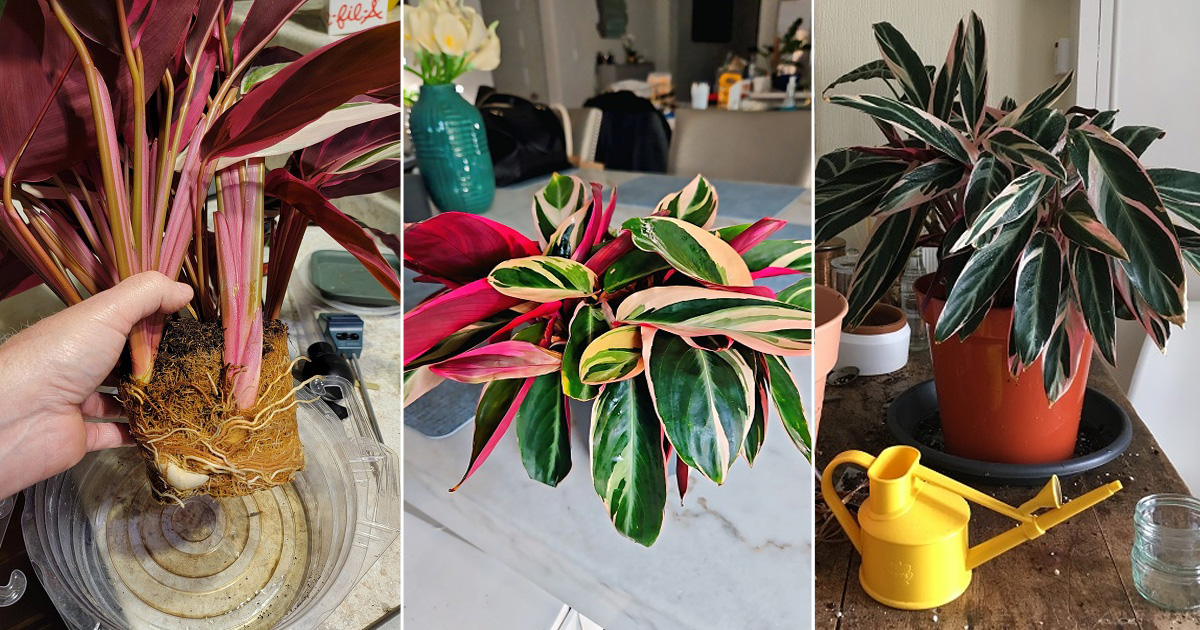
Calathea Triostar, often associated with Stromanthe varieties, is known for its striking variegated foliage. The leaves brighten up any corner, and it also complements other houseplants. Select a plant with bright leaf color, which ensures better growth and a fuller appearance over time. Just check if the undersides of leaves are a deep magenta color, which confirms a healthy plant.
Propagating Calathea Triostar
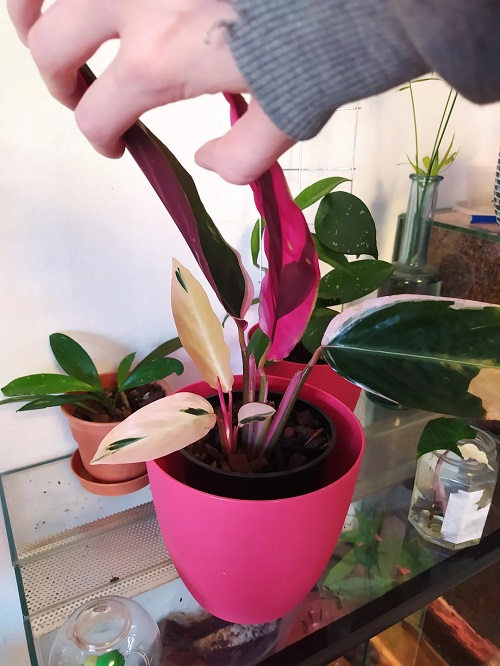
Calathea Triostar is best propagated through division rather than stem cuttings. For a new plant, separate the rhizomes from the mother plant. Each division should have at least three or four leaves attached to it, and then plant it in a new pot. When repotting, gently separate a healthy clump with roots attached and plant it in a new pot. Keep them in a warm, humid spot with indirect light. This task should be done in spring and summer as you want to make divisions before any new growth starts.
Ideal Growing Conditions for Calathea Triostar
Light
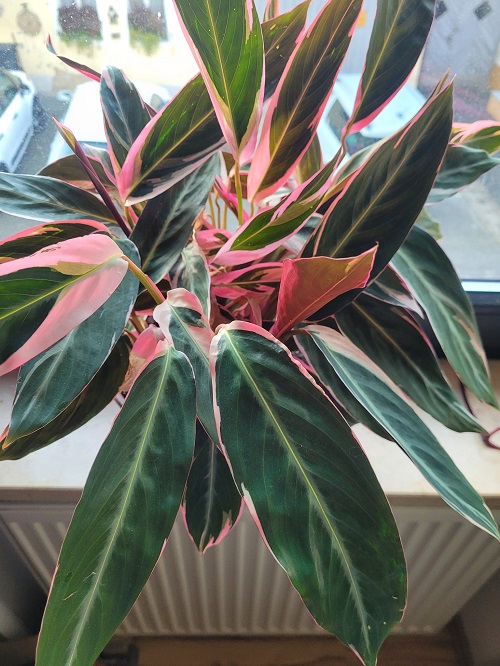
Stromanthe sanguinea grows best in bright, indirect light but can tolerate a few hours of low light. Provide adequate brightness for vibrant foliage; low light will turn your leaves to full green, losing their colors. When you keep it under direct and intense sunlight, it can scorch its delicate leaves, causing it to develop brown patches.
Place it near an east-facing window or a few feet back from a south / west-facing window but with a sheer curtain. As a houseplant, it collects dust so wipe off the leaves so the plant can receive more light.
Soil
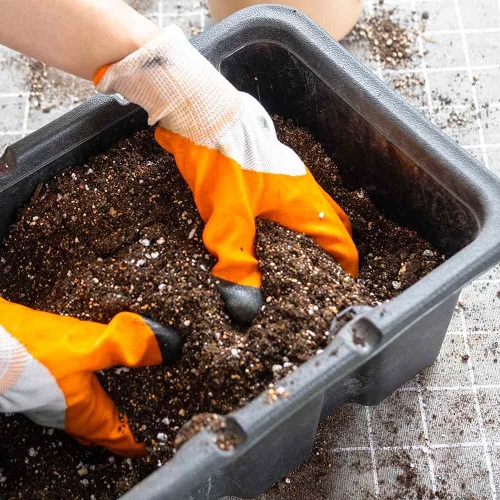
This plant prefers a loose, airy soil that retains some moisture and prevents waterlogging. The accurate soil recipe you need to mix is 25% potting soil, 50% coco peat, and 25% perlite. A small quantity of orchid bark will help in better airflow and a scoop of worm castings for nutrients. The wet soil can lead to root rot. Loosen the top layer occasionally, which will help improve airflow and keep the roots active.
Watering
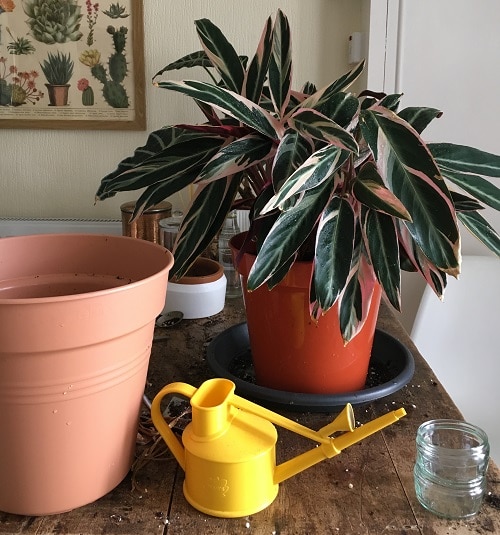
Calathea Triostar likes to stay in consistent moisture but doesn’t tolerate waterlogged soil. Water the plant when the top layer feels slightly dry, usually once or twice a week depending on the environment. Avoid letting the soil dry out completely. Use filtered or room-temperature water if possible, as this plant can be sensitive to chemicals in tap water.
If they are thirsty, you will see the curled leaves; it is a sign to water them. When they have issues with watering, you will see yellow or brown leaves. If the leaves are yellow, it means the soil is waterlogged and needs to dry out before watering again. When they turn brown, then remove the plant from the pot and keep it in a dish of water for a few hours before draining, rinsing, and repotting.
Repotting
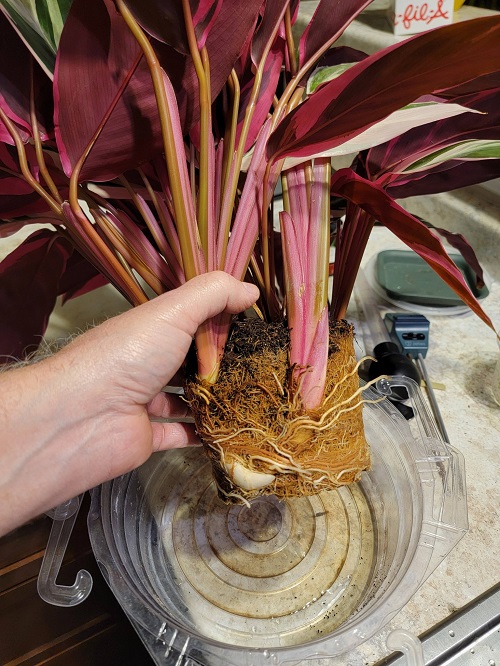
Triostars do well in containers, so just ensure that the pots have proper drainage holes to prevent waterlogging. They should be deep enough to accommodate the roots but not so much so that the water will sink and become stagnant.
Repot your plant when roots grow out of the container’s bottom in spring season. The brown leaves of them signal that it needs a new home.
Temperature and Humidity
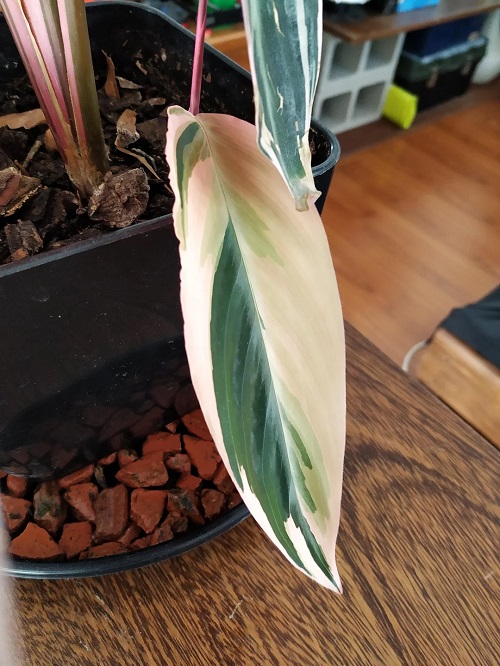
This tropical plant thrives in warm and humid conditions and thrives with the temperature between 65°F and 80°F for steady growth. It can’t tolerate cold drafts or sudden temperature changes, so keep them away from AC vents or room heaters.
They need a high level of humidity, and ideally they should be in a space with a level of 60% or higher. The best spot for Triostar is at your bathroom window or near the wash basin. If your plant is indoors, then you need to mist your plant, or you can use a pebble tray or humidifier. Outdoors, grow it in a shaded, sheltered spot where humidity levels are naturally higher.
Fertilizer
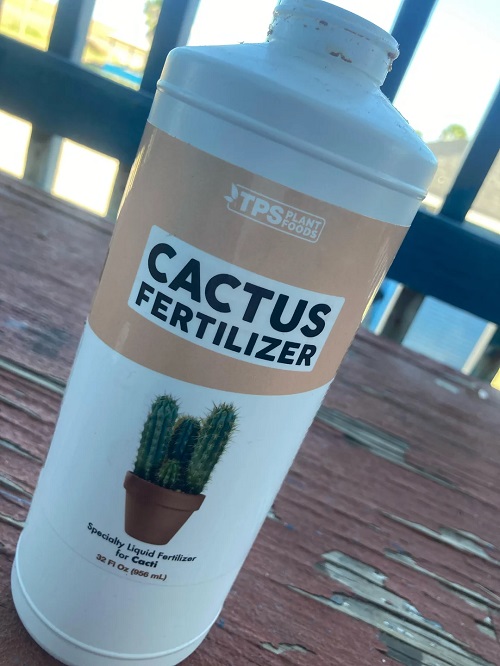
This beauty benefits from light feeding during its growing season. A balanced liquid houseplant fertilizer every four weeks in the months of March-September will work best. Dilute it as directed to avoid the root burn of the plant. Pour the fertilizer onto the soil and occasionally mist the leaves with a diluted solution of it to support healthy foliage. Avoid overfeeding, as too much fertilizer can damage the plant by fading the colors of the leaves.
Pruning
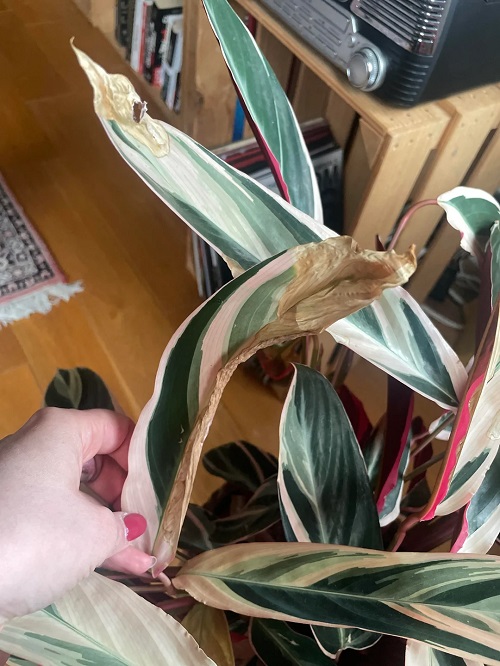
This plant doesn’t require frequent pruning, but occasional trimming will help in maintaining its shape. Remove the yellow, brown, or damaged leaves to give your plant a neat and clean look. Trimming will also encourage fuller, bushier growth instead of a sparse appearance. Use sterilized scissors to cut leaves close to the base.
Pests and Diseases
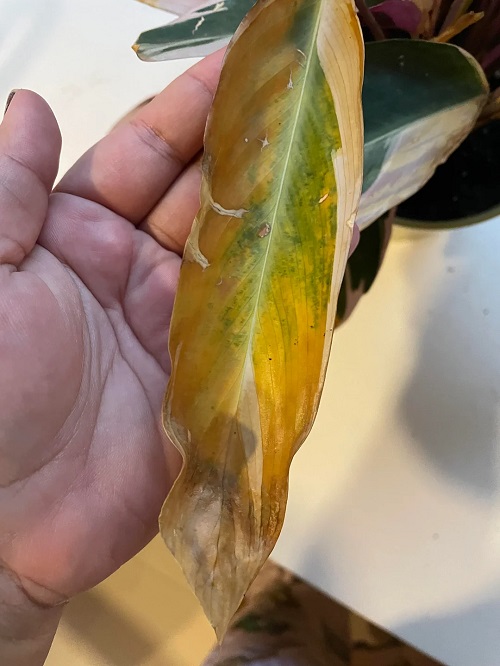
They may attract spider mites, which can be identified by fine webbing and yellowing leaves. Treat them with neem oil or insecticidal soap. Other pests are scale insects and mealybugs, which can be seen as small brown bumps or white cotton patches, respectively. If your plant is in wet soil, then you might be inviting tiny black flies, also known as fungus gnats.
Overwatered soil will cause root rot, turning leaves yellow near the base and the stems losing rigidity. Fungal or bacterial infections lead to brown, sunken spots, often with yellow halos. Low humidity, tap water sensitivity or underwatering can be seen in the plant as browning or curling tips.
Growing Calathea Triostar Outdoors
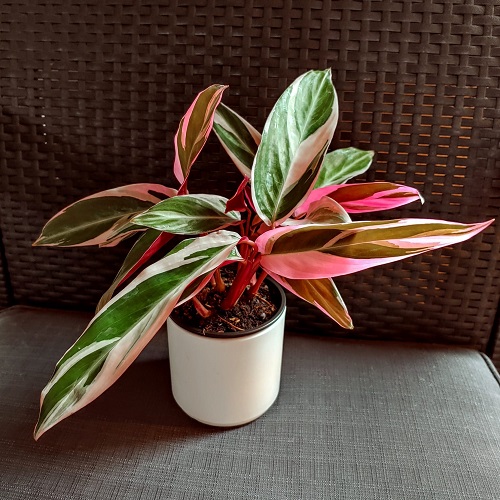
When grown outdoors, Calathea Triostar does well in shaded or semi-shaded areas. It can be used in garden beds or decorative containers where its foliage can spread gracefully. Protect it from direct sun, strong winds, and cold weather. In warm climates, they can grow steadily and will add a soft, tropical feel to your outdoor spaces.