
As an Amazon Associate, we earn a small commission from qualifying purchases — at no extra cost to you.
Struggling with dull foliage? Try these Ways to Make Calathea Leaves Look More Vibrant and help your plant shine again.
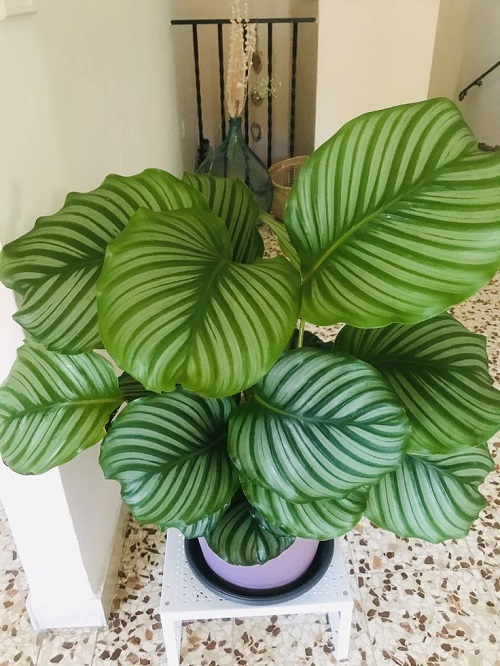
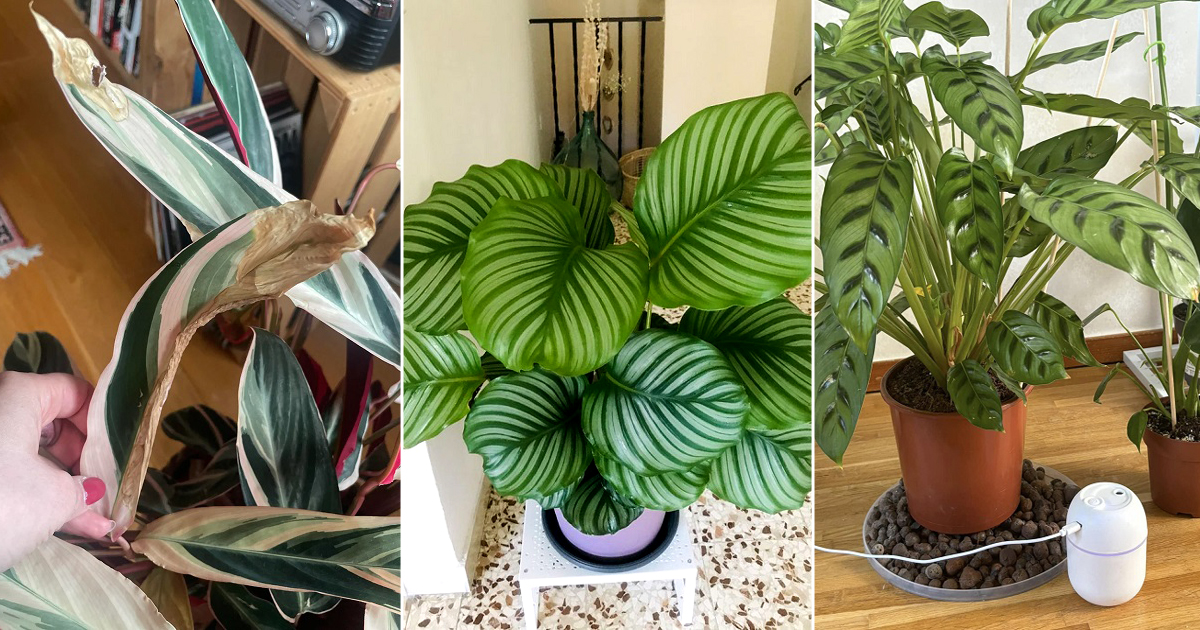
Calatheas are loved for their colorful and patterned leaves, but dull foliage can make them look tired. These Ways to Make Calathea Leaves Look More Vibrant will help your plant stay bright, healthy, and full of life. From better lighting to proper watering, small changes can bring back their beautiful glow indoors.
Ways to Make Calathea Leaves Look More Vibrant
Want to build the perfect indoor plant setup? Check out this indoor gardening system that serious plant lovers swear by. You can also check our Amazon Storefront for all such gardening needs.
1. Place the Plant in Bright Indirect Light
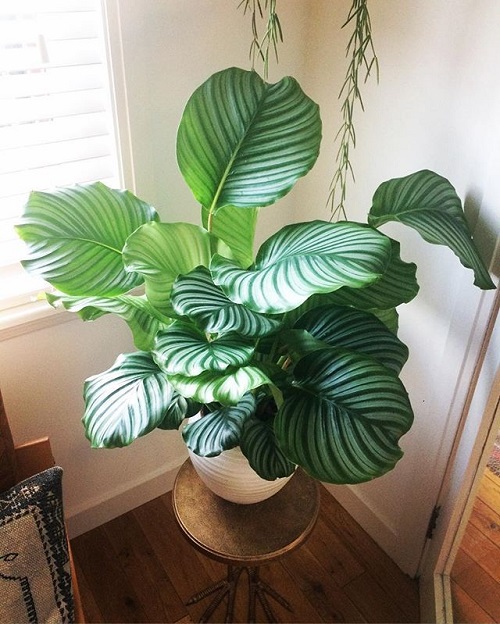
Calatheas grow best in bright indirect light. This type of light helps the leaves keep their rich green color and clear patterns. Direct sunlight can burn the leaves and make the colors look faded. Very dark rooms can also make the plant weak and dull over time.
Keep the plant near a window with filtered light. A sheer curtain can help soften strong sunlight. Rotate the pot every few weeks so all sides get enough light. This helps the plant grow evenly and keeps the leaves looking fresh and healthy.
2. Water the Plant Properly
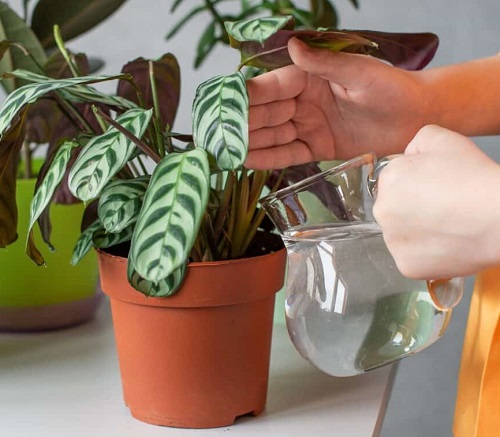
Proper watering is important for healthy calathea leaves. Dry soil can make the leaves curl and lose their shine. Too much water can cause root rot and yellow leaves. The soil should stay lightly moist but not wet all the time.
Check the top layer of soil before watering. If it feels slightly dry, water the plant slowly until extra water drains out. Do not let the pot sit in standing water. Regular watering keeps the leaves soft, smooth, and vibrant.
This watering can is perfect as it’s easy to handle and holds just the right amount of water.
3. Increase Humidity Around the Plant
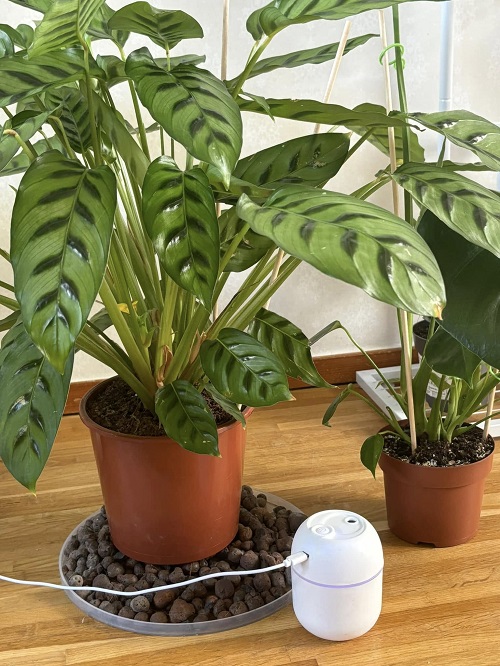
Calatheas love humid air because they are tropical plants. Dry indoor air can cause brown edges and faded leaves. Higher humidity helps the leaves stay colorful and healthy. It also keeps the plant from curling or drying out too quickly.
You can place the plant near other plants to create a more humid area. A humidifier also works very well indoors. In dry weather, misting the leaves lightly can help for a short time. Good humidity keeps the foliage looking fresh every day.
Do not forget to get a humidifier that gives your plants the correct environment required for growth.
4. Keep the Leaves Clean
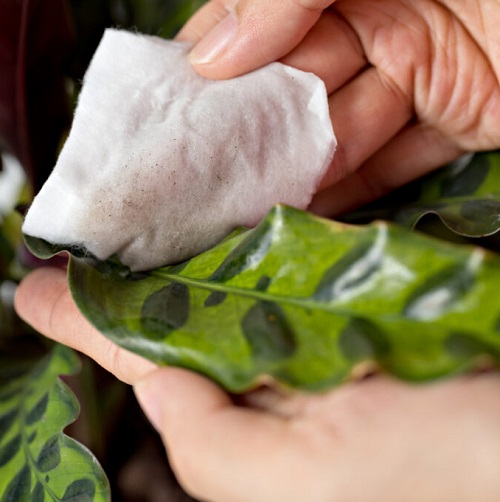
Dust on the leaves can make a calathea look dull. Dirty leaves also block light and slow down healthy growth. Cleaning the leaves helps the plant absorb more light and improves its overall appearance.
Use a soft damp cloth to wipe each leaf gently. Do this every couple of weeks to remove dust and dirt. Avoid using strong cleaning products or leaf shine sprays. Clean leaves naturally look brighter and show their beautiful patterns more clearly.
5. Use Well-Draining Soil
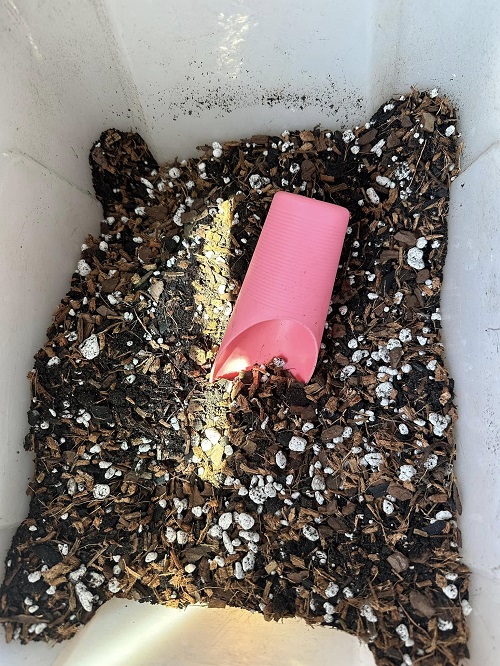
Good soil helps calatheas grow strong and healthy. Heavy soil that stays wet for too long can damage the roots. Weak roots often lead to pale or unhealthy leaves. A light and airy soil mix supports better growth and brighter foliage.
Choose soil that drains well but still holds some moisture. Indoor potting mix with perlite or coco peat works well for calatheas. Make sure the pot has drainage holes at the bottom. Healthy roots help the plant produce vibrant leaves.
Give your plant roots the right growing medium with a chunky, well-draining potting mix from Amazon.
6. Feed the Plant During the Growing Season
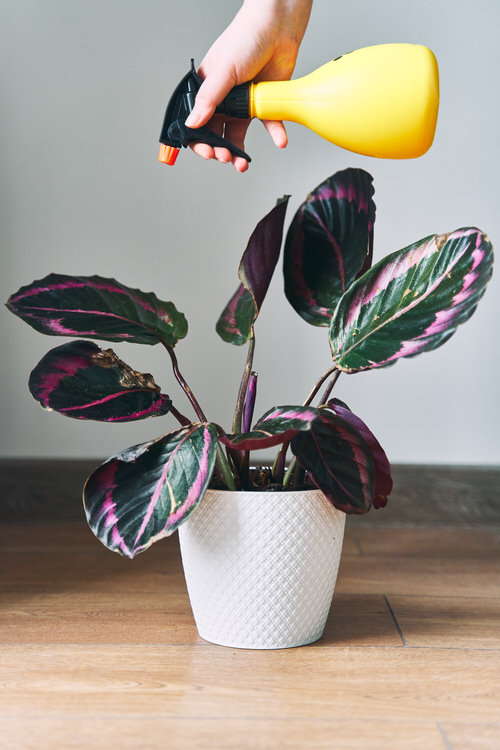
Calatheas need nutrients to grow healthy leaves. Without enough feeding, the foliage may lose its rich color. A balanced liquid fertilizer can help the plant stay healthy during spring and summer when growth is active.
Use fertilizer once every month at half strength. Too much fertilizer can damage the roots and cause brown leaf edges. Always water the soil before feeding the plant. Regular feeding supports fresh growth and stronger leaf color.
Choose a balanced houseplant fertilizer and follow the recommended dilution and feeding schedule.
7. Protect the Plant From Cold and Heat
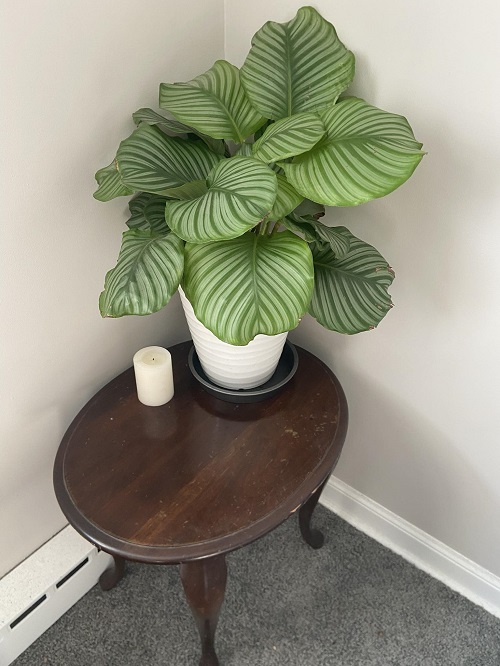
Calatheas do not like sudden temperature changes. Cold drafts and hot dry air can damage the leaves. Stress from temperature problems often causes curling, fading, or crispy edges.
Keep the plant in a room with steady indoor temperatures. Avoid placing it near air conditioners, heaters, or open windows during cold weather. Stable conditions help the leaves stay smooth, colorful, and healthy throughout the year.
8. Remove Damaged Leaves
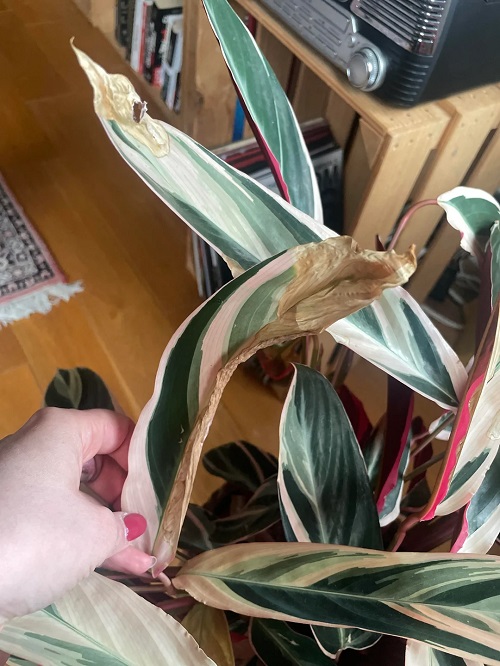
Old or damaged leaves can make the plant look untidy. Brown or yellow leaves also take energy away from healthy growth. Trimming these leaves helps the plant focus on producing fresh and vibrant foliage.
Use clean scissors to cut damaged leaves near the base. Remove only the leaves that are badly affected. Regular pruning keeps the plant neat and encourages healthy new growth with better color and patterns.
Get a copy of How Not to Kill Your Houseplant to become the best plant parent.