
As an Amazon Associate, we earn a small commission from qualifying purchases — at no extra cost to you.
Is your spider plant refusing to make babies? Try these easy growing tips to encourage more runners and fill your home with new spiderettes.
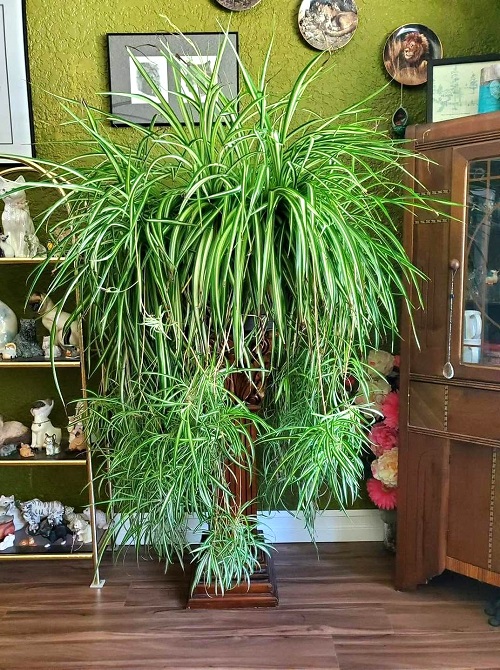
If you want your spider plant to produce more babies, start by looking at how you are growing the mother plant. A healthy, mature spider plant is much more likely to send out runners covered with little spiderettes.
You do not need to force the plant with extra fertilizer or water. In fact, too much care can sometimes slow it down. The better approach is to give your spider plant the conditions it needs and avoid a few common mistakes.
Here is what you can do to encourage more spider plant babies.
How to Make Spider Plant Grow More Babies
Get this gardening tool set for lush growth with minimal effort. Also, check our Amazon storefront for more garden supplies.
1. Give Your Spider Plant Bright Indirect Light
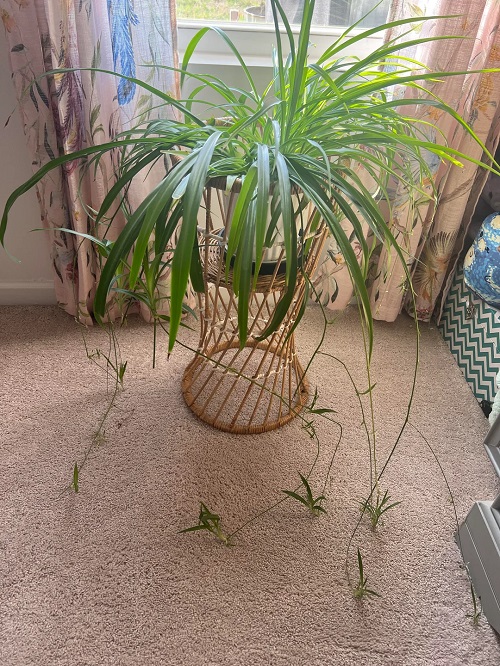
Light is one of the first things you should check if your spider plant is not producing babies.
Place your plant near a bright window where it gets plenty of indirect light. An east-facing window is a good choice because it gives you gentle morning sun. You can also place it near a brighter south or west-facing window if you protect it from strong direct afternoon sun.
You may keep a spider plant alive in a darker room, but low light can reduce new growth. If the plant rarely gets enough light to grow strongly, it may not have the energy to produce runners and babies.
Watch how your plant responds after you move it. New leaves and stronger growth are good signs that you have found a better spot.
Get a grow light for your spider plant if it does not receive adequate light.
2. Keep It Slightly Root Bound
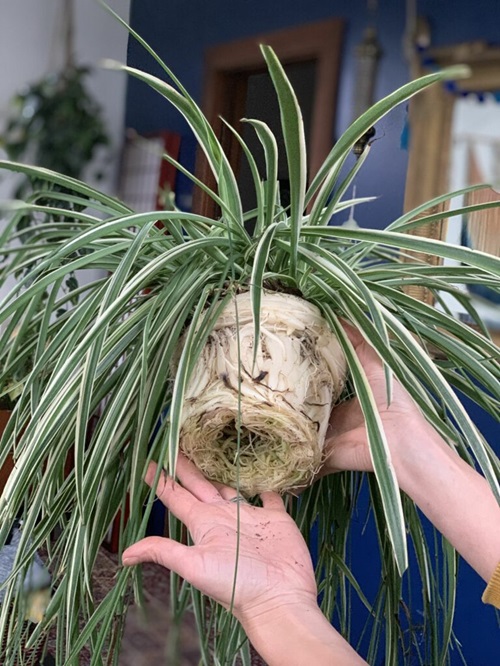
If your main goal is to get more babies, do not rush to move your spider plant into a much bigger pot.
Spider plants can produce runners when their roots fill the container. You do not need to keep the plant severely root bound, but a comfortably crowded root system is not usually a problem.
When you give the plant a huge pot, you create a lot of extra space around the roots. The soil can also stay wet for longer after watering.
Instead, let your spider plant fill its current pot before you consider moving it. When repotting becomes necessary, choose a container only one size larger.
This small change can make a difference if you have been giving your spider plant more room than it actually needs.
Check out these clay pots that come with drainage holes in the bottom.
3. Make Sure Your Spider Plant Is Mature
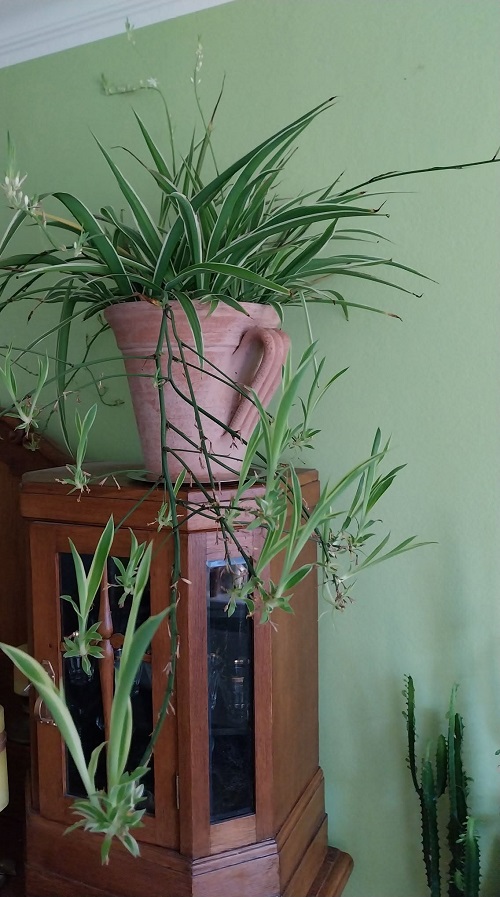
You cannot expect a young spider plant to produce lots of babies right away.
Your plant needs time to mature before it starts producing the long runners where spiderettes develop. If you recently bought a small plant, focus on healthy growth first.
Give it enough light, water it properly, and allow the roots to establish.
Once your plant becomes larger and stronger, you may notice long stems growing from the center. These runners are what you want to see if you are waiting for babies.
So if your young spider plant has no babies yet, do not assume something is wrong.
4. Let the Runners Grow
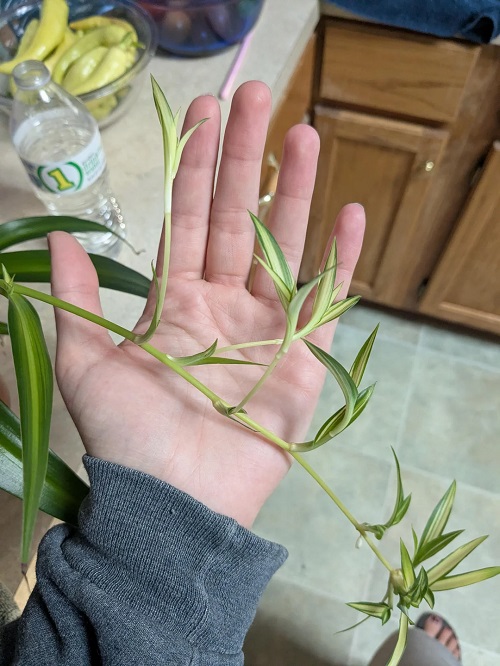
When you see long runners coming from your spider plant, leave them alone.
These stems eventually produce flowers and spiderettes. If you keep cutting them off because they look untidy, you are removing the very growth that can give you more babies.
You can let the runners hang naturally over the side of the pot. They may eventually become long enough for the little plants to hang down around the mother plant.
If you want a fuller-looking plant, you can also allow several runners to remain attached at the same time.
5. Keep the Soil Moist but Not Wet
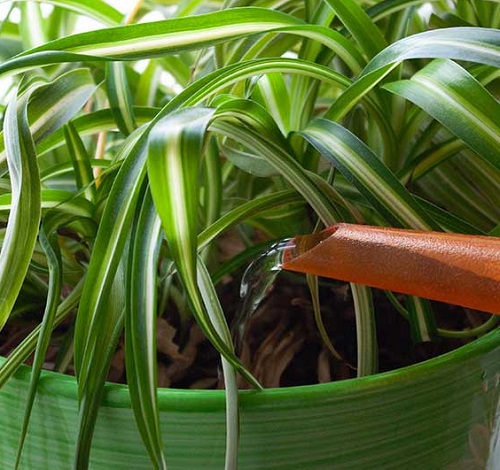
Your spider plant needs enough water to grow actively, but soggy soil can cause more problems than it solves.
Check the soil before you water. When the upper part of the soil has dried, water the plant thoroughly and allow excess water to drain through the holes in the bottom of the pot.
Do not leave the pot sitting in water.
If the soil stays wet for days, the roots can become stressed or damaged. A plant with unhealthy roots will have a harder time producing strong new growth.
On the other hand, letting the plant become severely dry over and over can also slow its growth. Try to keep your watering fairly consistent.
This watering can is perfect as it’s easy to handle and holds just the right amount of water.
5. Use a Loose Potting Mix
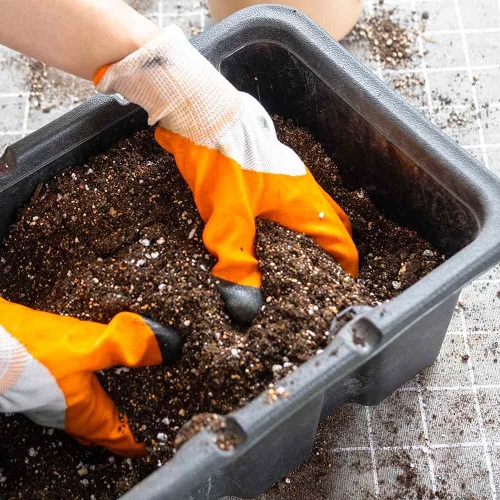
Good soil helps your spider plant develop a healthy root system.
Choose a houseplant potting mix that drains well. If your current soil becomes heavy and stays wet for a long time, consider replacing it when you next repot.
You want water to move through the pot rather than collect around the roots.
A pot with drainage holes is also important. Without proper drainage, even a good watering routine can become difficult to manage.
Check out this potting mix filled with nutrients that all your plants need.
6. Feed Your Plant Lightly During Active Growth
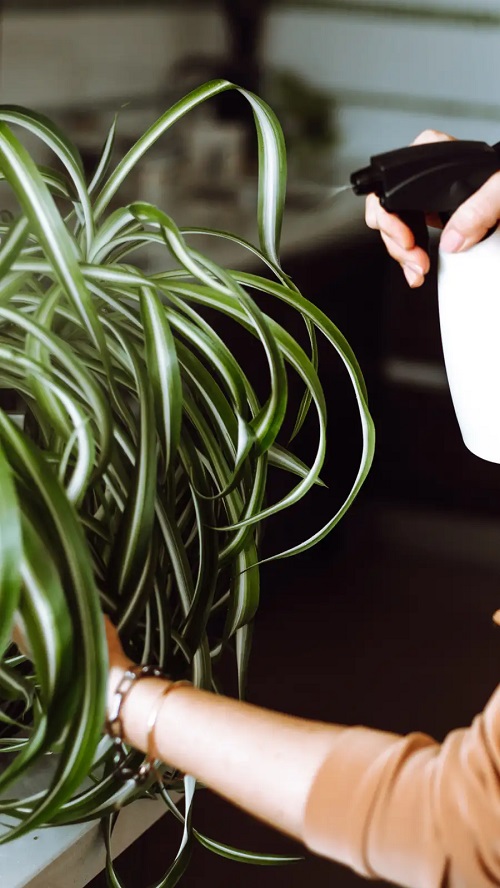
A spider plant does not need heavy feeding to produce babies.
If your plant is actively growing, you can use a balanced houseplant fertilizer during the growing season. Dilute it according to the product instructions rather than adding extra fertilizer.
Too much fertilizer can lead to salt buildup in the soil and brown leaf tips. It will not automatically give you more spiderettes.
If you recently planted your spider plant in fresh potting soil, you may not need to feed it immediately. Fresh soil often contains enough nutrients to support new growth for a while.
Think of fertilizer as support for healthy growth, not a shortcut to more babies.
Use this fertilizer to boost the growth of your spider plant.
7. Keep Your Spider Plant Warm
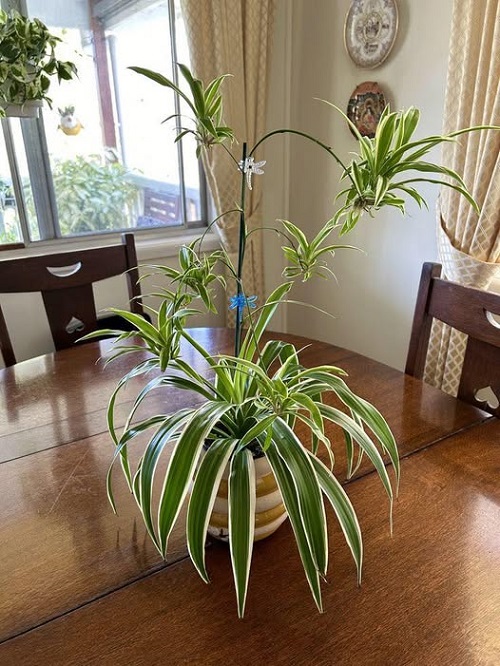
Spider plants grow best when you keep them in comfortable indoor temperatures.
Protect your plant from cold drafts and sudden temperature changes. Do not place it directly beside an air conditioner or in a spot that becomes very cold at night.
You may also notice that your spider plant produces fewer babies during a cool, darker season. That does not necessarily mean the plant has a problem.
When the growing conditions improve, new runners may appear again.
8. Avoid Giving It Too Much Shade
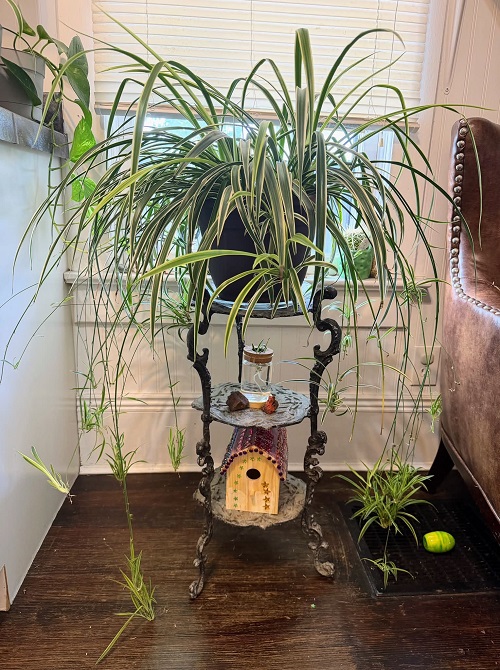
If your spider plant has stopped producing babies, take a close look at where you keep it.
A plant can look perfectly healthy in low light for quite some time. But if you want stronger growth and more runners, you should give it better light.
Try moving it closer to a bright window.
Do not place it directly in harsh midday or afternoon sunlight, especially if the leaves are not used to it. Make the change gradually and watch the leaves for signs of scorching.
9. Do Not Keep Repotting It
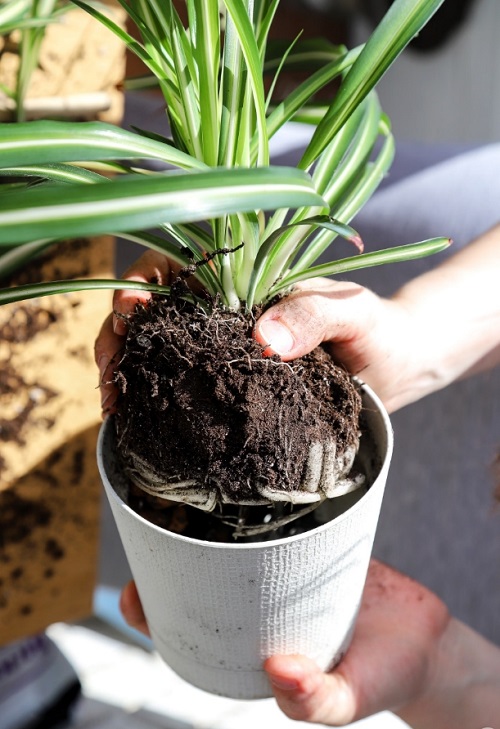
Repotting your spider plant every time the roots look crowded can work against your goal.
Spider plants are quite comfortable when their roots fill the pot. If the plant is still growing well and the soil drains properly, you may not need to repot it yet.
Look for a real reason to repot. If roots are coming heavily through the drainage holes, the soil has broken down, or water is no longer moving through the pot properly, then it may be time.
When you do repot, avoid jumping from a small container into a very large one.
10. Give It Time After Making Changes
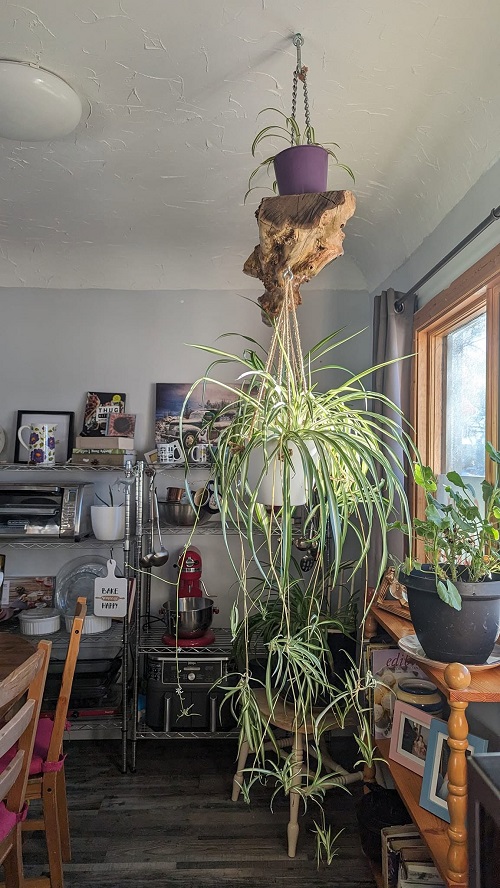
Do not expect your spider plant to produce babies immediately after you move it to a brighter window or change its pot.
The plant needs time to respond. If you improve the light today, you may first notice stronger leaf growth. Later, you may see new runners developing. Give the plant several weeks of consistent care before deciding whether your changes worked.
Constantly moving the plant, changing the soil, increasing fertilizer, and adjusting your watering can create more stress instead of helping.
Pick a good location and let your spider plant settle.
For better gardening, you can use these seeding trays for growing little sprouts.
Why Is Your Spider Plant Not Producing Babies?
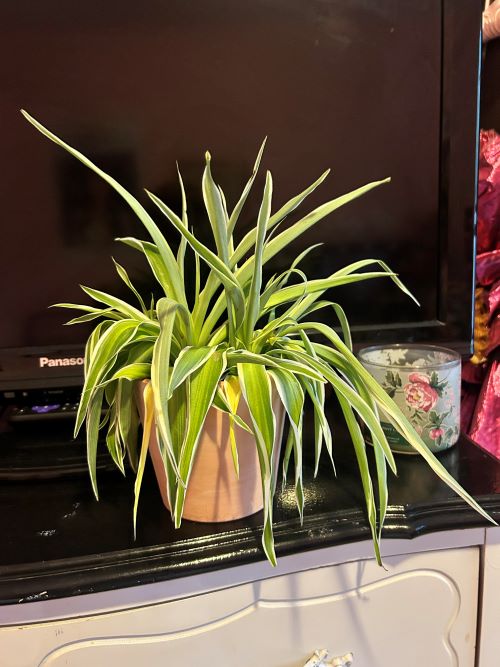
If your spider plant is not producing babies, start with the simplest questions.
Is it getting enough bright indirect light? Is it mature enough to produce runners? Are you keeping it in a pot that is much larger than its root system? Are you cutting off the runners as soon as they appear?
You should also check your watering habits.
If the soil stays wet all the time, the roots may not be healthy. If you regularly let the plant become extremely dry, growth may slow down.
Sometimes the answer is simply that your plant needs more time. Not every spider plant produces babies at the same rate.
Grab this moisture meter to keep the soil in check before watering.
What to Do When You See Tiny Babies
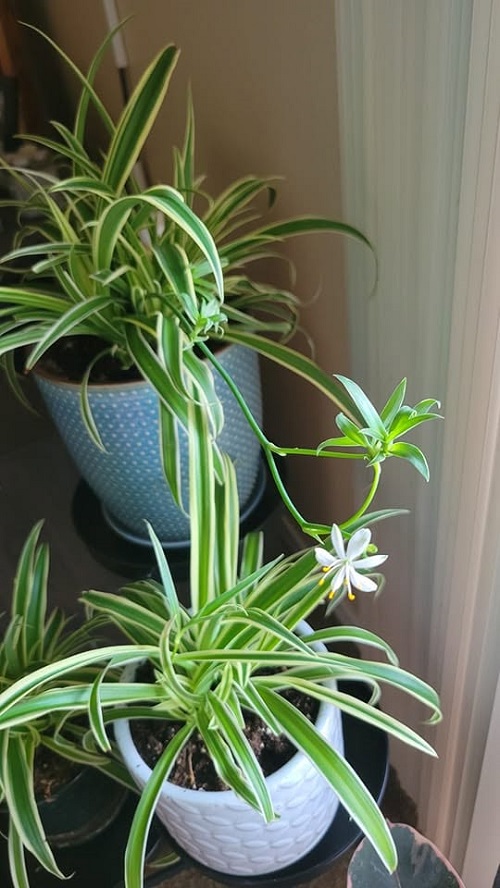
Once your spider plant starts producing runners, look closely at the ends of those stems.
You may first notice tiny flowers. Small spiderettes can develop along the runners as the plant continues growing.
At this point, you do not need to separate the babies immediately.
Let them grow while they are attached to the mother plant. Once a baby has several leaves and has started developing roots, you can propagate it if you want another plant.
You can also leave the babies attached and allow them to create a full, cascading display.
Can You Make a Spider Plant Produce Babies Faster?
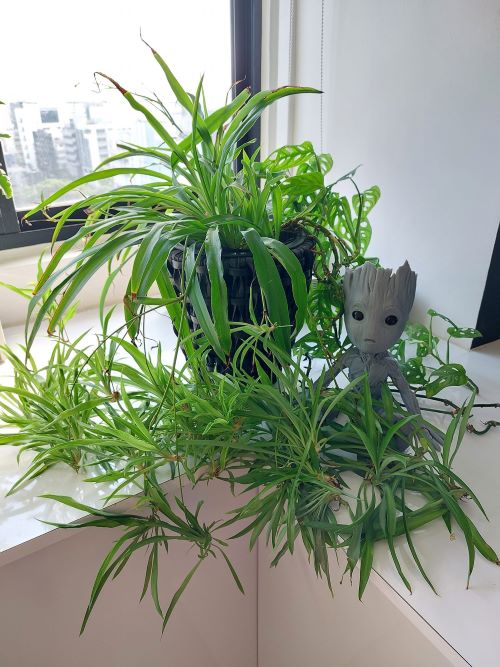
You can encourage better growth, but you cannot force a spider plant to produce babies on a specific schedule.
Your best chance comes from keeping the mother plant healthy and mature.
Give it bright indirect light. Keep it slightly root bound rather than giving it a huge pot. Water when the soil begins to dry. Feed lightly during active growth and keep the plant away from cold drafts.
Most importantly, give it time.
When your spider plant has enough light, healthy roots, and good growing conditions, it has a much better chance of producing the long runners that carry its babies.
Become the best at gardening with The New Plant Parent book to help you at every step.