
As an Amazon Associate, we earn a small commission from qualifying purchases — at no extra cost to you.
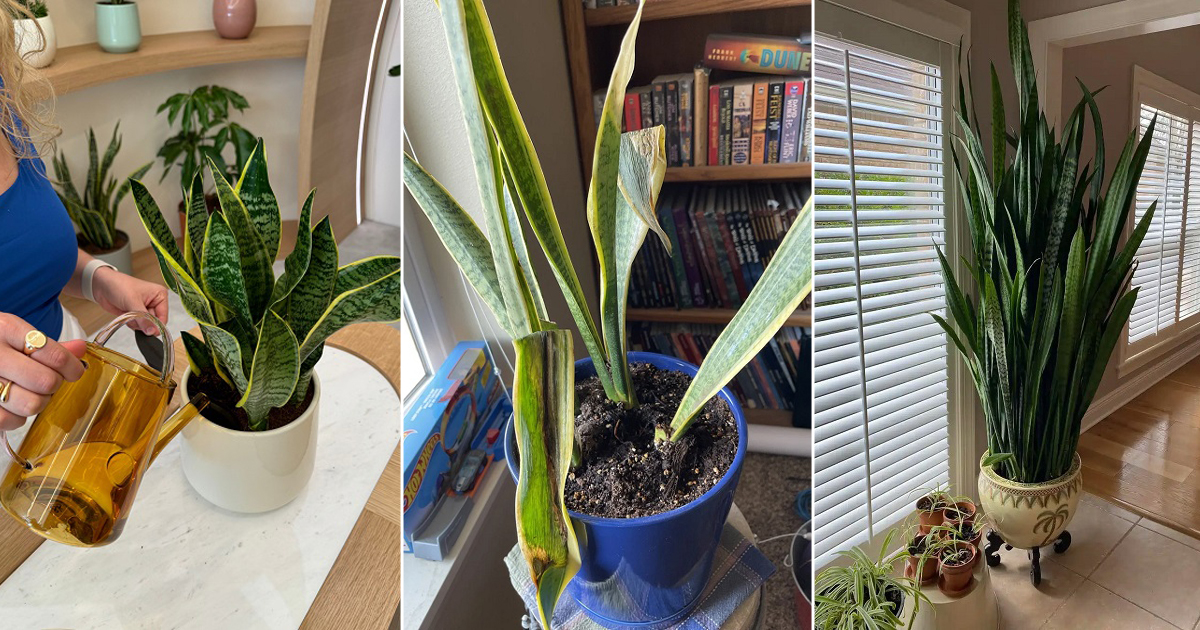
Learn How to Save Snake Plant from Sunburn during Summer with easy steps to fix damage and keep your plant healthy.
The snake plant (Sansevieria), also called mother-in-law’s tongue, is a very strong and easy-care houseplant. It comes from the dry areas of West Africa, so it can handle heat well. That’s why many people grow it in hot places. However, even this tough plant can get sunburn if it sits in very strong, direct sunlight for too long.
In this article, you will learn how to spot sunburn on a snake plant, why it happens, and how to keep your plant safe in very hot weather.
Can Snake Plants Really Get Sunburned?
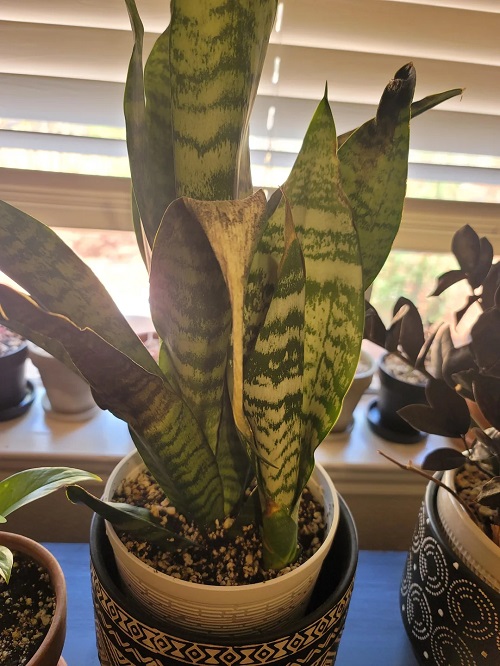
Yes, they can. Snake plants are strong and can handle bright light and a bit of neglect, but too much direct sunlight for a long time can burn their leaves.
In very hot places, the conditions can be extreme:
- UV levels go above 10 in summer
- Temperatures can rise above 45°C
- Strong afternoon sun can pass through windows and heat up balconies
All of this can harm even tough plants. Snake plants grow best in indirect or filtered light, not in constant harsh sun. If you keep them outside without shade or near a south-facing window with no curtain, their leaves can get burned easily.
Signs of Sunburn in Snake Plants
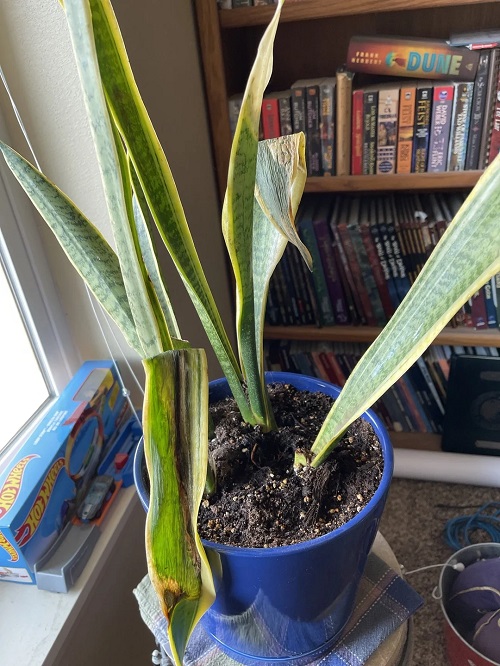
- Brown, dry, or crispy spots on the leaves
- White or faded patches caused by strong sunlight
- Wrinkled or dry-looking leaves, especially new ones
- Yellow tips that slowly turn brown
- Leaves starting to curl from too much heat
Sunburn usually shows up on the side facing the light. If only one part of the plant is damaged, it means the sunlight is too strong from that direction.
Why Snake Plants Burn in Summer
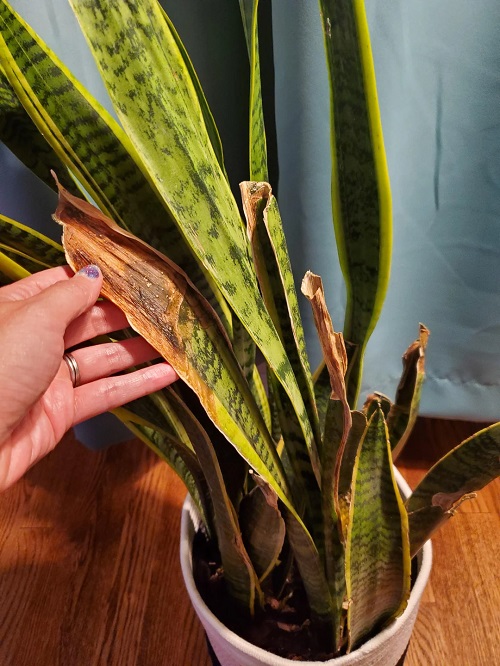
High UV Radiation
Snake plants can handle some direct sunlight, but strong summer sun can damage their leaves and break down plant tissues.
Heat Retention in Pots
Dark plastic or ceramic pots can trap heat. This makes the soil and roots very hot, which increases stress and the risk of sunburn.
Reflective Surfaces
Surfaces like glass, white tiles, or sand can reflect sunlight. This increases the amount of light and heat your plant receives, even if it’s not in direct sun.
Sudden Sun Exposure
If a snake plant grows indoors or in shade and is suddenly moved into full sun, it can burn quickly because it is not used to strong light.
How to Save Snake Plant from Sunburn during Summer
Install Shade Netting Outdoors
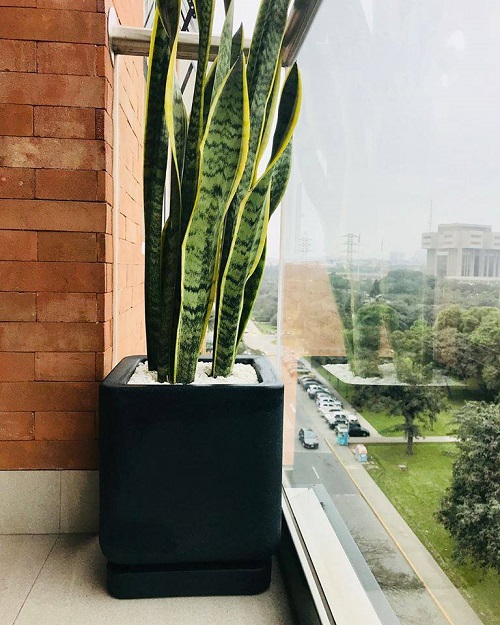
For balcony or terrace gardens, use a 30–50% shade cloth to soften the sunlight. It helps block some of the strong rays and keeps the area cooler, making a safer space for your plant to grow.
Control Direct Sun Exposure
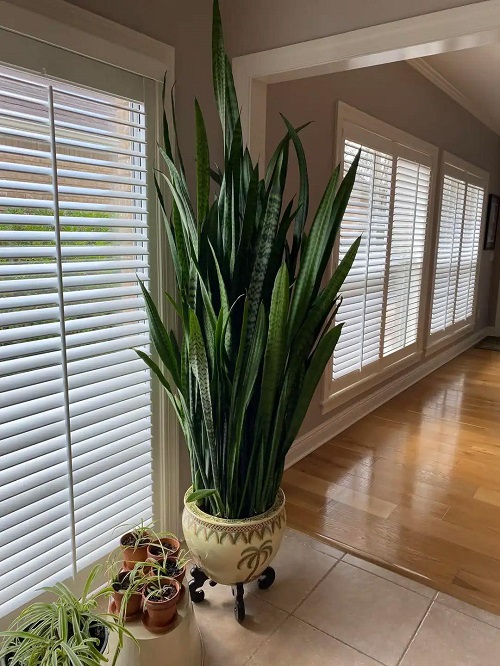
Keep your snake plant in bright but indirect light. Good places include: Near east- or north-facing windows, behind a light curtain, under a pergola or shade cloth if kept outside.
Try to avoid direct sunlight between 11 AM and 4 PM, as it can be too strong.
Selection of Right Container
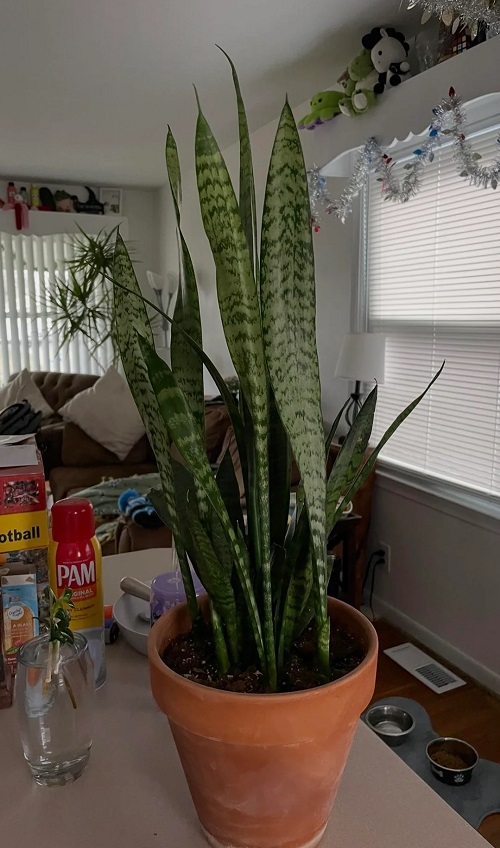
Use light-colored pots like terracotta. They don’t hold too much heat and help keep the roots cool.
Avoid black or dark pots, as they can get very hot in strong sunlight and harm the plant.
Mulching
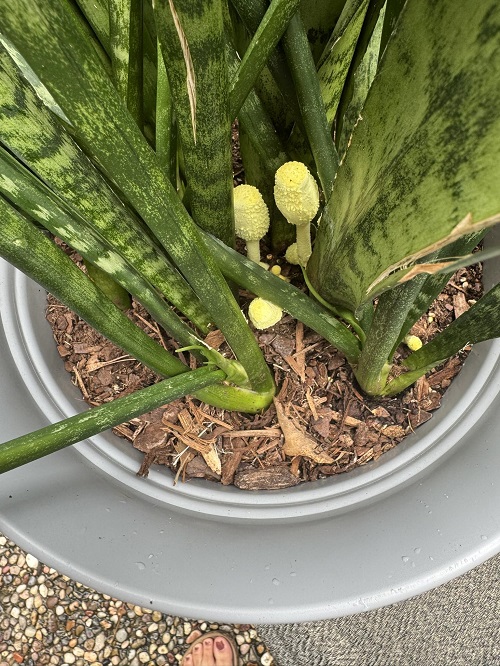
Adding a layer of pebbles or natural mulch helps keep the soil moist and protects the roots from very hot or cold temperatures.
Water Properly
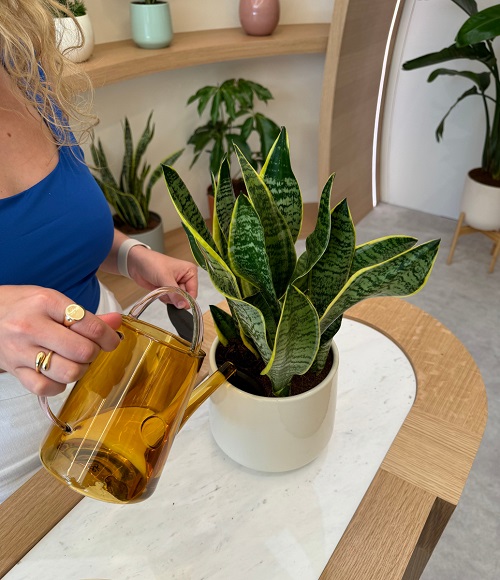
Snake plants can handle dry conditions, but they still need some water to stay healthy. In very hot weather; water well only when the soil is fully dry, avoid light watering, as it makes the roots weak.
Water early in the morning or in the evening, not during the hottest part of the day
Acclimate Gradually
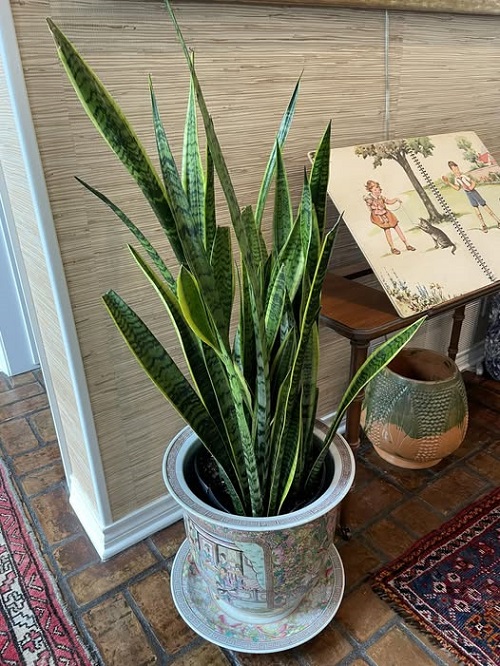
If you are moving your snake plant from indoors to outdoors, give it sunlight slowly. Start with 1–2 hours of morning sun, then increase the time little by little over two weeks.
Plant Rotation
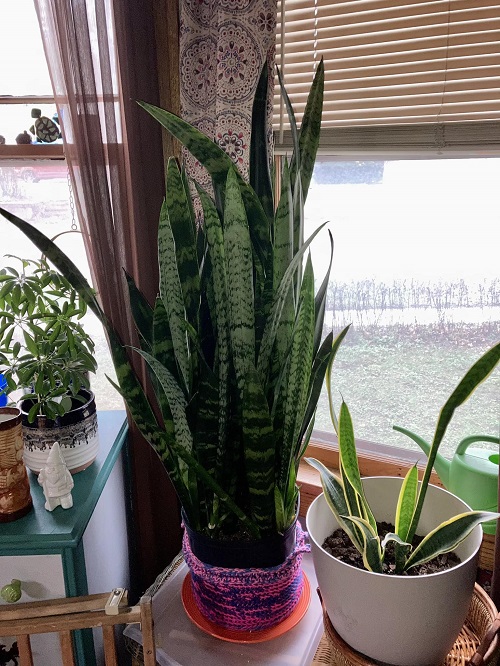
If your plant gets sunlight from only one side, turn it a little every week. This helps it get even light and lowers the chance of sunburn in one spot.
Can Sunburned Snake Plant Heal?
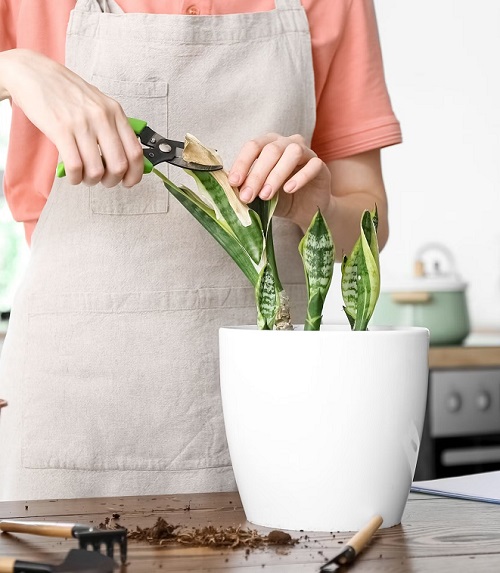
Sunburn damage cannot be fixed, and the burnt parts will not turn green again. But you can still save your plant.
Cut off badly damaged leaves using clean scissors. Keep slightly damaged leaves if they are still healthy enough to grow. Give your plant the right care, and it will start growing new leaves.
Snake plants can recover well if you take care of them early.