
As an Amazon Associate, we earn a small commission from qualifying purchases — at no extra cost to you.
Learn How to Train a Wandering Jew to Climb Like a Vine with the help of expert tips and tricks and boost the aesthetic appeal of your home.
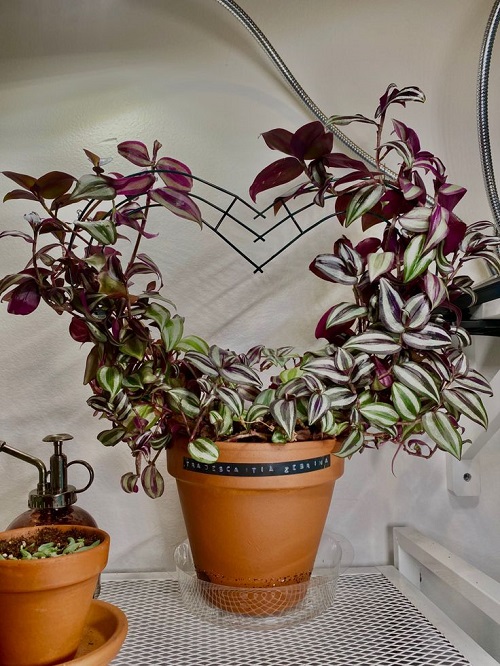
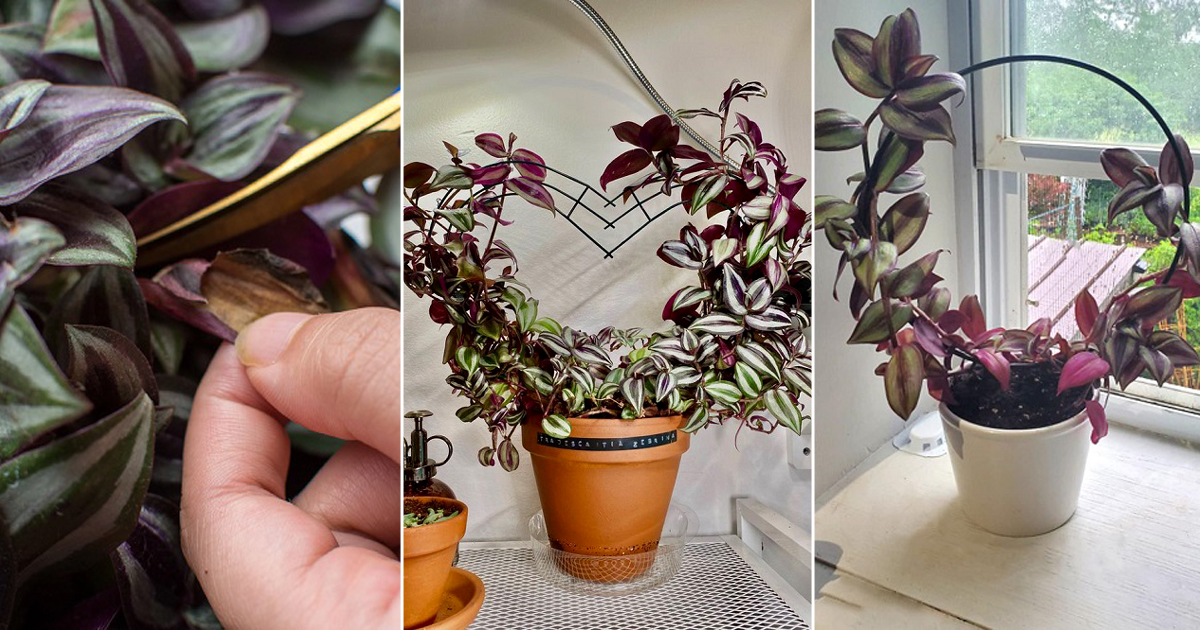
The Wandering Jew plant, also known as Tradescantia, grows fast and spreads easily. It usually trails down from pots, but you can train it to climb like a vine. This makes the plant look fuller and more structured. With the right support and simple care, you can guide its stems upward and create a beautiful vertical display indoors or outdoors.
How to Train a Wandering Jew to Climb Like a Vine
Love indoor greenery all year? Grow beautiful herbs and plants effortlessly with this best-selling indoor garden. For more such supplies, check out our Amazon storefront.
1. Choose the Right Support Structure
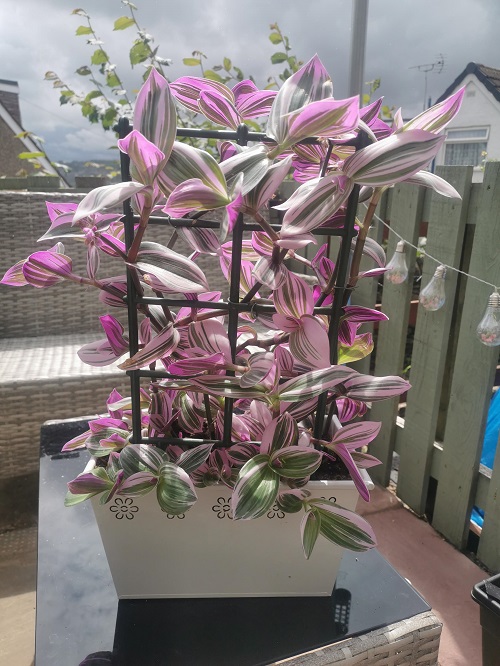
Start training your wandering jew vine when the new stems are about 4–6 inches long and still soft. Use soft and flexible ties like velcro plant tape or raffia. Do not use wire or hard string because they can hurt the stems. Gently wrap the tie once around the stem and the trellis, and leave a little loose space so the stem can grow.
Tie the stems at the nodes, which are the small points where leaves and roots grow. Do not tie the middle part of the stem. Trim the long trailing tips every 10–14 days to help the plant grow upward instead of downward. Do not try to bend old or stiff stems. Only guide the soft new growth.
Repeat this process every week for about 4–6 weeks. Slowly, the plant will start to grow upward on its own.
Use this nylon string for your gardening activities.
2. Start Training When the Plant Is Young
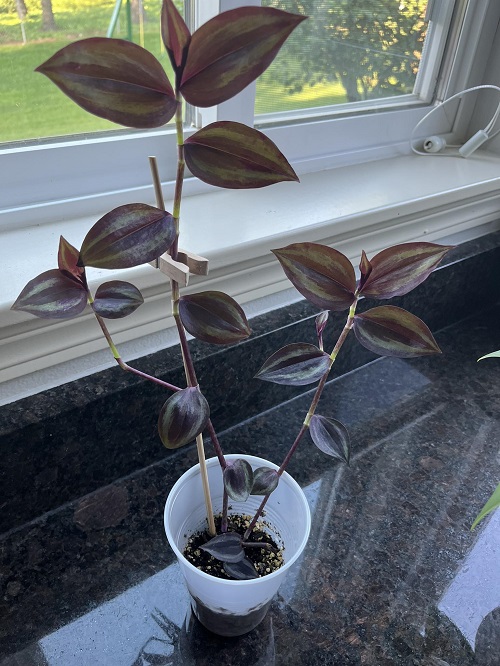
It is easier to train a young plant because the stems are soft and flexible. Older stems can become weak or break if you bend them too much. Start early and guide the stems as they grow. This helps the plant adjust to the new direction. You will also get a neater and more controlled shape.
Give your plant sturdy support that encourages upright, natural growth.
3. Gently Tie the Stems to the Support
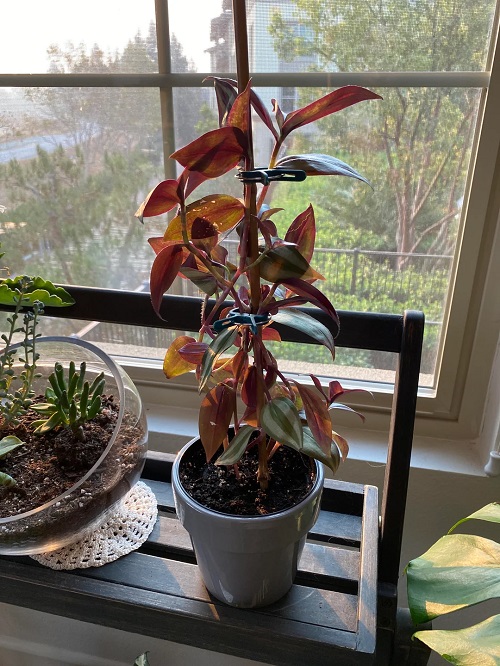
Wandering Jew plants like Tradescantia fluminensis or Tradescantia zebrina do not have tendrils or sticky pads to climb on their own. They climb in a different way. Small roots grow at the leaf joints, called nodes, when they get air and light. These roots help the plant hold onto support.
If you push or force hard stems against a trellis, you can damage the inside of the stem. This can stop water flow and even cause rot or disease. To train the plant well, let these small roots start growing first. Then gently tie the stem where it is already trying to attach on its own.
Use soft ties like garden tape, thread, or cloth strips. Do not tie the stems too tightly. Leave some space so the plant can grow and move. Attach the stems to the support at different points. This keeps them upright and prevents them from falling. Check the ties often and adjust them as the plant grows.
Use these cages that can hold your plant upright.
4. Encourage Upward Growth with Light
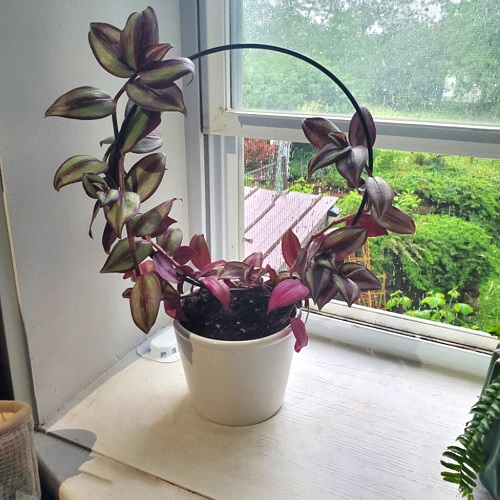
Light plays a big role in training your plant. Place the plant where it gets bright, indirect sunlight. The stems will naturally grow toward the light source. This helps them move upward instead of trailing down. Rotate the pot every few days so all sides get equal light and grow evenly.
Bright light helps produce fuller growth and stronger vines for training.
5. Prune to Shape the Plant
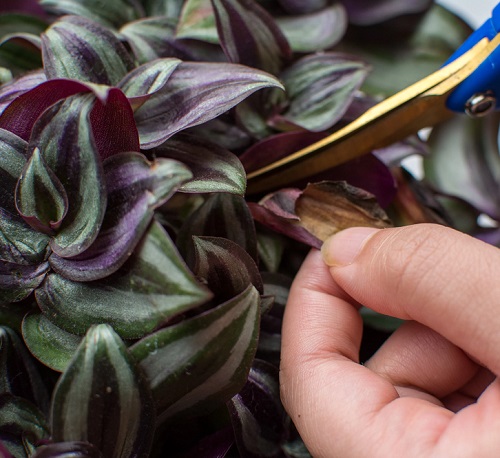
Pruning helps control the shape and direction of growth. Cut long trailing stems that do not follow the support. This encourages new growth closer to the base. The new stems are easier to train upward. Regular pruning also makes the plant look fuller and healthier over time.
Use these sharp pruning shears for your plant care.
6. Keep the Plant Healthy While Training
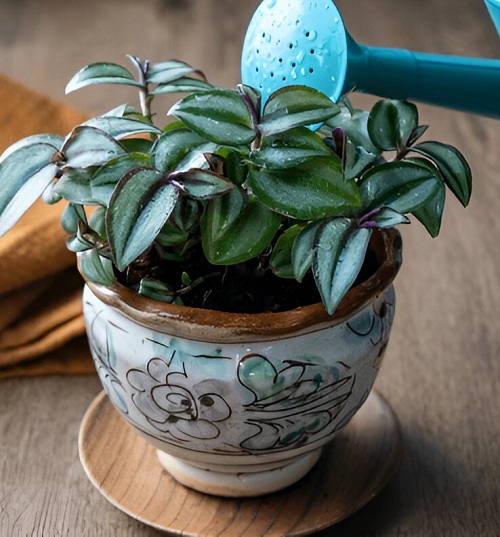
A healthy plant responds better to training. Water the plant when the topsoil feels dry. Do not overwater, as this can cause root problems. Use well-draining soil to avoid soggy roots. You can also feed the plant with a light fertilizer during the growing season to support strong growth.
Here is a watering can that can make your gardening easy.
Why More Support Does Not Mean Better Growth
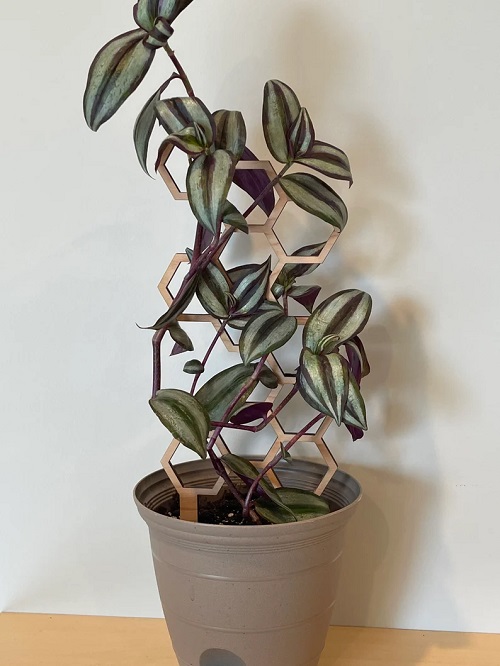
Many people think adding more ties, nets, or mesh will help the plant grow better. This is not true. Too much support can block airflow around the stems. It can also trap moisture where the plant touches the trellis. This damp space can lead to problems like grey mold, also called Botrytis, and stem rot.
In simple tests done in indoor gardens, plants with fewer ties stayed healthier. Vines that had five or fewer well-placed ties per foot had much fewer disease problems than plants covered in many tight supports. Too many ties can stress the plant instead of helping it.
The best approach is to guide the plant, not control every part of it. Use only a few ties where needed and let the plant grow naturally. This keeps airflow good and reduces the risk of disease.
Looking to grow more thriving houseplants? This practical guide covers training, watering, pruning, and solving common plant problems.