
As an Amazon Associate, we earn a small commission from qualifying purchases — at no extra cost to you.
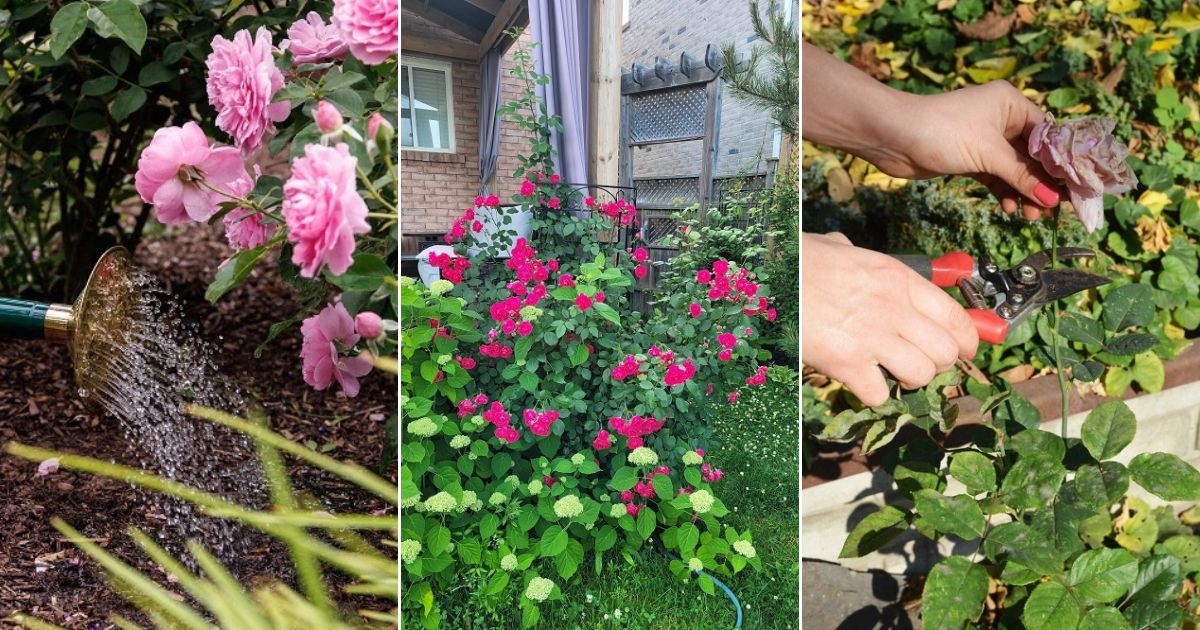
Keep Roses Blooming in July With These 5 Easy Care Tips and have a fragrant flourishing garden this season.
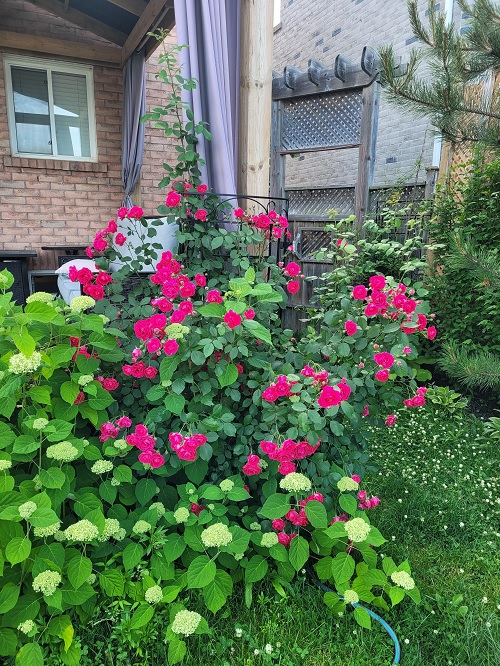
During spring and early summer, your roses focus on growing new stems and leaves. By July, hot weather and dry soil can make it harder for them to stay healthy. If your roses become stressed, they may produce fewer flowers and become more likely to attract pests or develop diseases. Taking care of your roses in July helps them stay strong through the heat. A few simple care tasks can keep roses blooming in July healthy and encourage more blooms for the rest of summer. Also, avoid the common mistake in the first tip below, as it can stop your roses from flowering again.
Give your roses everything they need with a complete rose care kit.
Keep Roses Blooming in July with Care Tips
1. Water Deeply
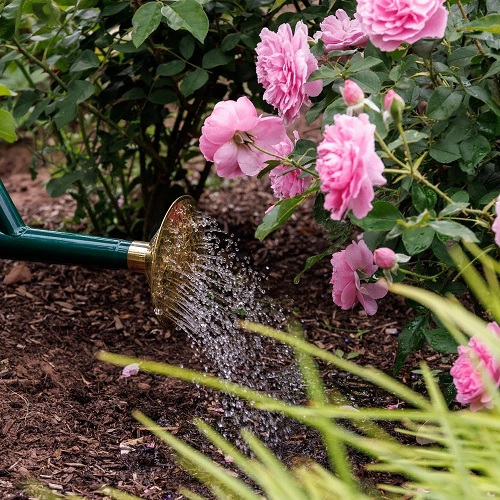
One of the best ways to help your roses stay healthy and keep flowering in July is to water them properly. Hot weather and little rainfall can dry out the soil quickly. Most roses need about 1 inch of water each week, so you’ll need to water them if there isn’t enough rain.
Instead of giving a little water every day, soak the soil well once or twice a week. Deep watering helps the roots grow farther down, where the soil stays cooler and holds moisture longer. Water the base of the plant with a hose or a drip irrigation system. Try not to spray the leaves, as wet foliage can increase the risk of fungal diseases.
How often you need to water depends on the weather. During heat waves or long dry spells, your roses may need extra watering. Roses growing in containers dry out much faster than those in the ground, so you may need to water them every day in very hot weather.
You can try this smart hose timer that automatically waters your roses on schedule
2. Keep the Mulch Fresh
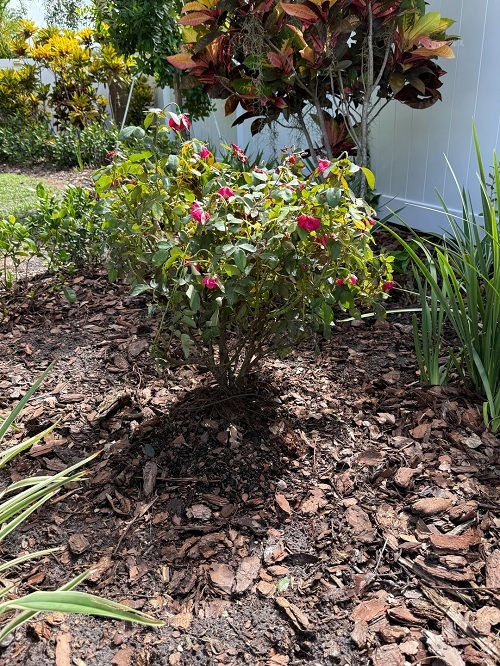
Adding mulch around your roses is one of the easiest ways to protect them during the summer. Spread a 2 to 3-inch (5 to 7.5 cm) layer around the base of each plant. Mulch keeps the soil cooler, which helps roses handle high temperatures with less stress.
It also slows down water loss, so the soil stays moist for longer. Another benefit is that it helps stop fungal spores in the soil from splashing onto the leaves during rain or watering. On top of that, mulch reduces weed growth, so your roses don’t have to compete for water and nutrients.
Check the mulch around your roses in July. If it has broken down or become too thin, add a fresh layer. Keep the mulch a few inches away from the main stems to prevent rot and other diseases.
You can use materials like shredded bark, straw, or coconut husk as mulch. All of them help protect the soil and keep your roses healthier during hot weather.
You can try Electric mulcher and keep mulch fresh across summer
3. Keep Deadheading Spent Blooms
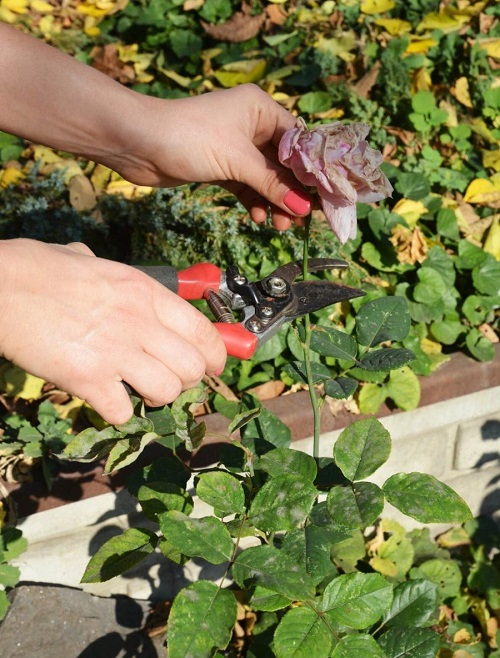
Many repeat-blooming roses flower heavily in late spring and early summer. With the right care in July, they can produce another round of beautiful blooms. One common mistake is leaving faded flowers on the plant or removing them the wrong way.
Remove spent flowers as soon as they fade. This encourages the rose to put its energy into making new buds instead of producing seeds. Cut the stem just above the first leaf that has five leaflets. If your rose grows flowers in clusters, remove each faded bloom one by one.
Always use clean, sharp pruning shears when deadheading. This makes a neat cut, helps the plant heal faster, and lowers the chance of spreading diseases.
Don’t wait until all the flowers have faded before deadheading. Check your rose bushes every few days and remove any spent blooms as you notice them. Doing this regularly encourages your roses to keep producing new flowers and helps them bloom throughout the summer.
This Felco F-2 Pruning Shears make deadheading easier and help prevent damage to your rose stems.
4. Check Pests and Diseases
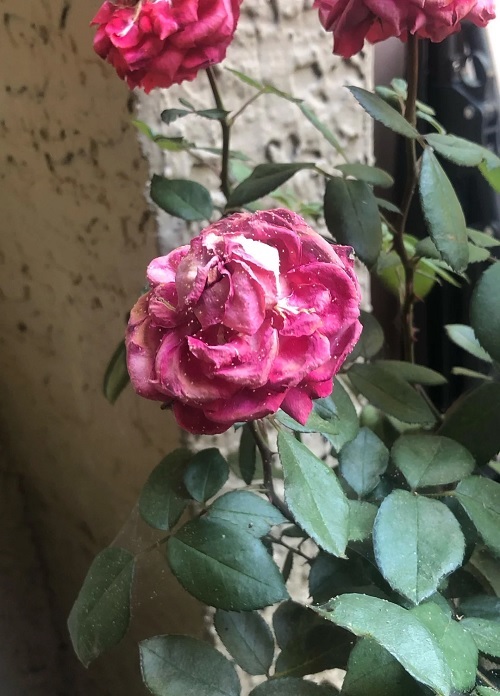
Hot weather can weaken roses, and make them more likely to attract pests and develop diseases. Check your plants often during July for common problems like aphids, spider mites, Japanese beetles, black spot, and powdery mildew.
If you notice pests, try the safest solution first. A strong spray of water can remove many insects. If that isn’t enough, use insecticidal soap or another suitable pest control product. If you see diseased leaves, remove them right away and throw them away instead of adding them to your compost. Also, clean up any fallen leaves around the plant to help stop the disease from spreading.
Use a fungicide only if the problem becomes serious. Try larger rose gardens quickly with a battery-powered sprayer that reduces hand fatigue.
5. Feed Lightly
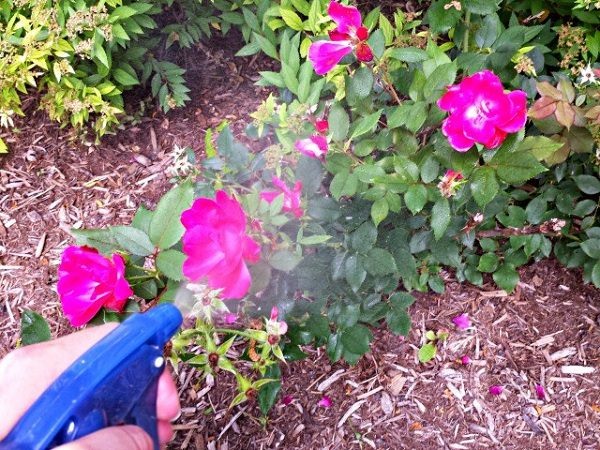
Roses need regular feeding to stay healthy and keep producing flowers. While you may have given them more fertilizer in spring to support new growth, July is the time to feed more carefully. Too much fertilizer during hot weather can encourage soft new growth that struggles in the heat.
Use a balanced fertilizer, such as a 10-10-10 formula, or choose one made especially for roses. After feeding, water the soil well so the nutrients reach the roots and the plant doesn’t become stressed.
If your area is going through extreme heat or a long dry spell, it’s better to wait before fertilizing. Focus on keeping the soil evenly moist, then start feeding again when the weather becomes cooler.
Read this trusted guide that covers planting, pruning, feeding, pest control, and seasonal care with easy-to-follow advice for beginners and experienced gardeners alike.