
As an Amazon Associate, we earn a small commission from qualifying purchases — at no extra cost to you.
Know about these major Mistakes That Can Kill a Peace Lily in your home and avoid them by following the fixes discussed in this post.
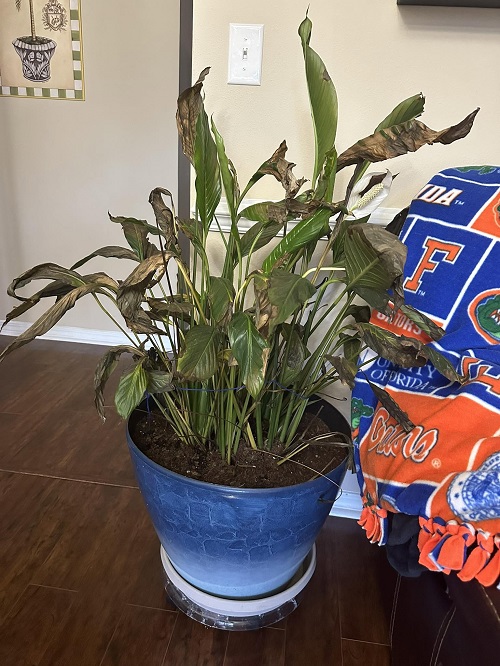
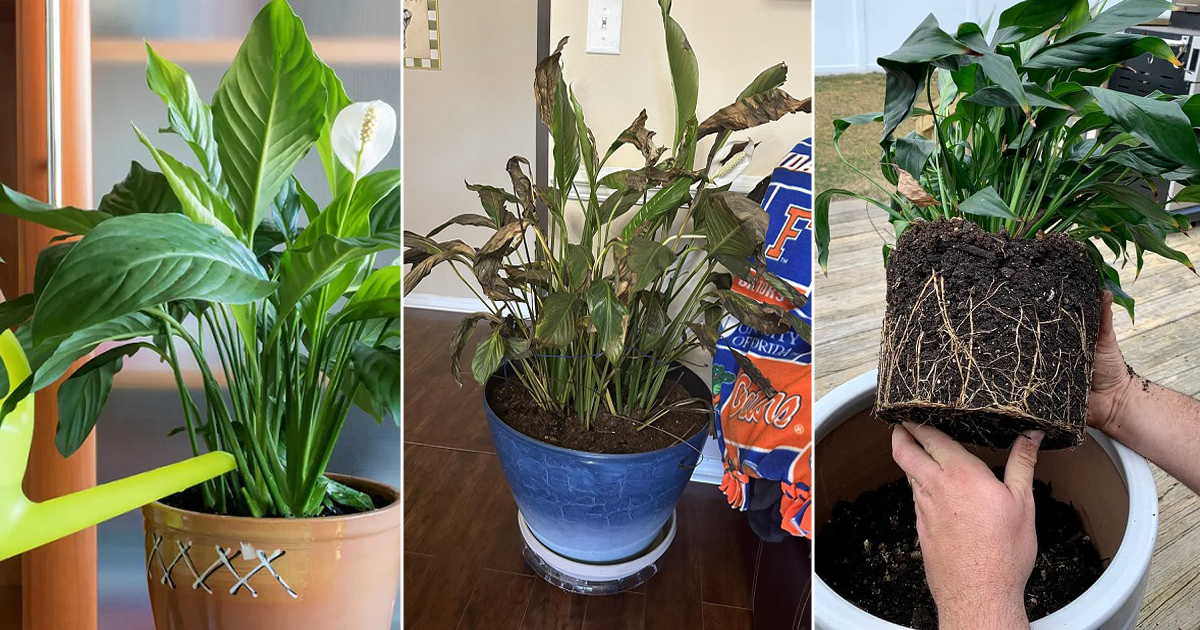
Peace lilies have a funny way of making you think something is wrong before there really is. One day, the leaves are standing up nicely. The next morning, they are hanging over the sides of the pot. You water it, only to find that the soil was already wet.If you have ever been confused by a peace lily, you are not alone. These plants are fairly forgiving, but a few care mistakes can slowly damage them. The problem is that most of these mistakes come from trying to help.
You water too often. You move the plant around. You add fertilizer when the leaves look pale. Before long, the plant is more stressed than it was in the beginning.
Mistakes That Can Kill a Peace Lily
Get this gardening tool set for lush growth with minimal effort. Also, check our Amazon storefront for more garden supplies.
1. Watering It Every Time When Plant Droops
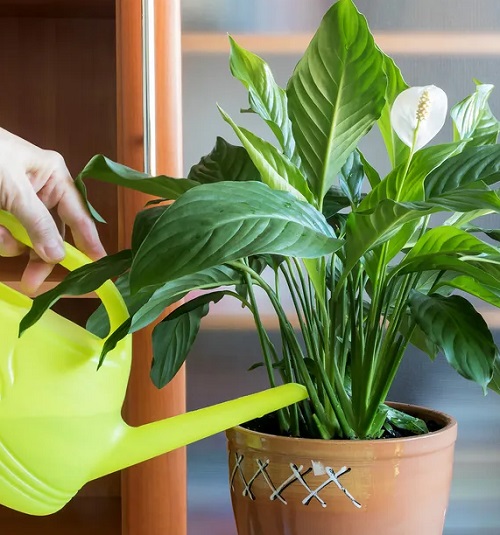
This is probably the easiest mistake to make.
A thirsty peace lily is hard to miss. Its leaves can suddenly flop down and look completely miserable. If you are new to peace lilies, you may assume the plant needs water immediately.
Sometimes it does. Sometimes it really does not.
Peace lilies can also droop when their roots are struggling. If you have been watering frequently and the soil stays wet, the roots may not be getting enough air. Damaged roots cannot take up water properly, so the leaves can droop even though the pot is full of moisture.
That is why you should check the soil before watering.
Stick your finger into the soil a couple of inches. If it still feels damp, give it some time. If it feels dry, water thoroughly and allow the excess to drain from the bottom of the pot.
You do not need to follow a strict watering day. Your plant may need water more often in warm weather and less often when growth slows down.
Pay attention to the soil instead of the calendar.
There is another thing to watch for. If the soil becomes extremely dry, do not dump a huge amount of water into the pot all at once. Very dry potting mix can sometimes repel water or let it run down the sides. Water slowly so the soil has time to absorb it.
Use this soil moisture meter to keep track of your plant’s needs.
2. You Keep It in a Dark Corner
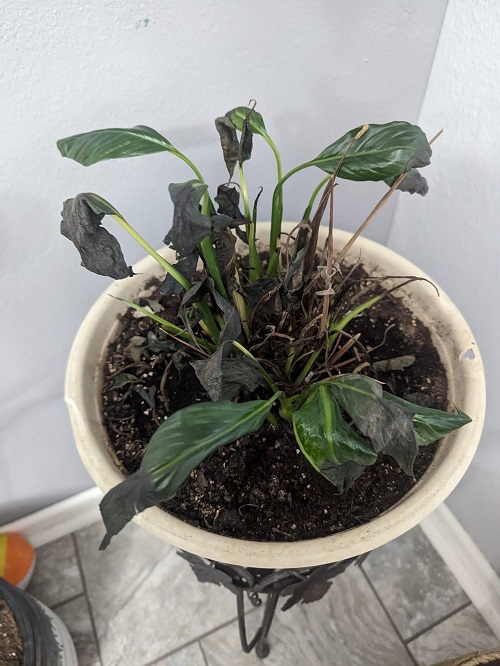
Peace lilies have a reputation for being low-light plants. That is true, but people often take it too far.
Your peace lily can handle lower light than many flowering houseplants. It still needs enough light to make healthy growth.
If you place it in a dark corner because you heard peace lilies “like shade,” do not be surprised when growth becomes slow. You may also notice that the plant stops flowering or takes a very long time to use the water in its pot.
Look around your home for a spot with good daylight but no harsh direct sun. A few feet from a bright window can work well. If the sun hits the leaves strongly for hours, use a sheer curtain or move the plant farther away.
There is a simple way to judge the spot. During the day, ask yourself whether the area feels bright enough to comfortably read without turning on a lamp. If it does, you are probably closer to what your peace lily needs.
You also need to think about how light affects watering.
A plant in low light usually uses water more slowly. If you keep watering it on the same schedule as a plant in brighter light, the soil may stay wet for too long.
So if your peace lily is sitting in a dark room and the soil never seems to dry, do not immediately assume it needs more water. It may need more light.
Adjust these grow lights according to your peace lily’s needs.
3. Reaching for Fertilizer Whenever It Looks Unhealthy
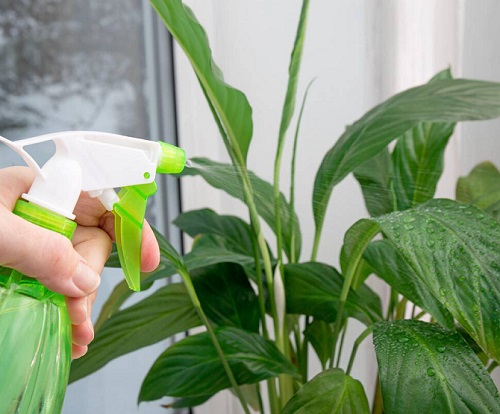
This is one of those mistakes that makes sense at first.
Your peace lily looks pale. Growth seems slow. Maybe the leaves are smaller than they used to be. You assume the plant is hungry, so you add fertilizer.
Before you do that, stop and look at the basics.
How often are you watering? Is the soil staying wet? Is the plant getting enough light? Has it been sitting beside an AC vent or heater? Did you recently move it?
A peace lily can show poor growth for many reasons. Lack of nutrients is only one possibility.
If the roots are already stressed, adding a strong fertilizer can make things worse. Fertilizer salts can build up in the potting mix and cause brown, crispy leaf edges. You may then think the plant needs even more help and add another dose.
That can turn into a frustrating cycle.
Get the growing conditions right before you start feeding heavily. Once your peace lily begins producing healthy new leaves, you can use a balanced houseplant fertilizer according to the label directions during active growth.
You do not need to feed it every time you notice a problem.
Sometimes the best fertilizer is simply better light and better watering.
Use these clay pebbles to fill the pot for good drainage.
4. You Keep Trying to Rescue It
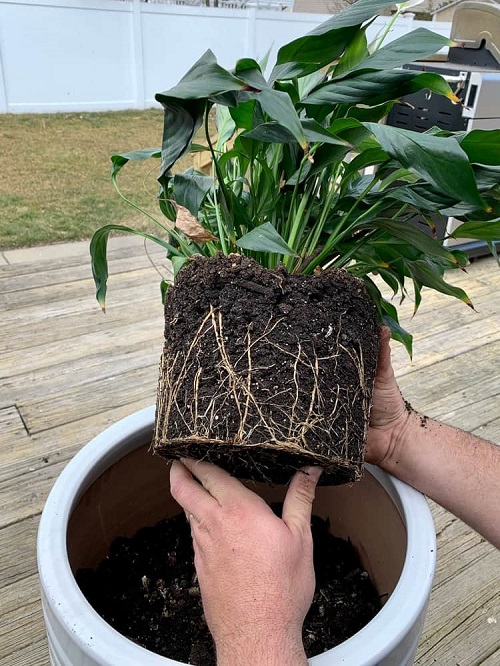
This may be the hardest mistake to avoid because it comes from good intentions.
Your peace lily looks bad, so you want to fix it right away.
You move it closer to the window. Then you decide it needs a new pot. You repot it, water it heavily, add fertilizer, trim some leaves, and maybe start misting it too.
A few days later, it still looks unhappy.
Now you have no idea what caused the problem or which change made things better or worse.
Peace lilies need time to adjust. If you make several changes at once, you can create more stress instead of solving the original problem.
Try a slower approach.
Start with the soil. If it is soaking wet, stop watering and check that the pot drains properly. If it is very dry, water it thoroughly. Then look at the light. Make sure the plant gets bright, indirect light without sitting in strong afternoon sun.
After that, give it some time.
You do not need to move the plant every few days just because you do not see new leaves yet. Roots need time to recover, and new growth does not always appear immediately.
If the plant continues to decline, then take the next step. Check the roots, look for pests, and inspect the leaves closely.
Here is a ceramic plant pot that you should use for your plants.
A Simple Way to Handle a Struggling Peace Lily
When your peace lily starts looking rough, resist the urge to do everything at once.
Start with the soil. It can tell you a lot.
If it is wet all the time, look at drainage and your watering habits. If it is bone dry, think about how long you have been leaving it without water.
Next, check the light. A peace lily should not sit in a dark corner, but it also does not need strong direct sunlight.
Then think about what has changed recently. Did you move it? Repot it? Start using a new fertilizer? Put it near an AC vent?
Sometimes the answer is hiding in something you changed a week or two earlier.
Add this book, How Not to Kill Your Houseplants, to your reading list to become the best plant parent.