
As an Amazon Associate, we earn a small commission from qualifying purchases — at no extra cost to you.
Avoid the major Mistakes That Make Your Wandering Jew Leggy and sparse looking. Follow the simple tips and make it look bushier in no time.
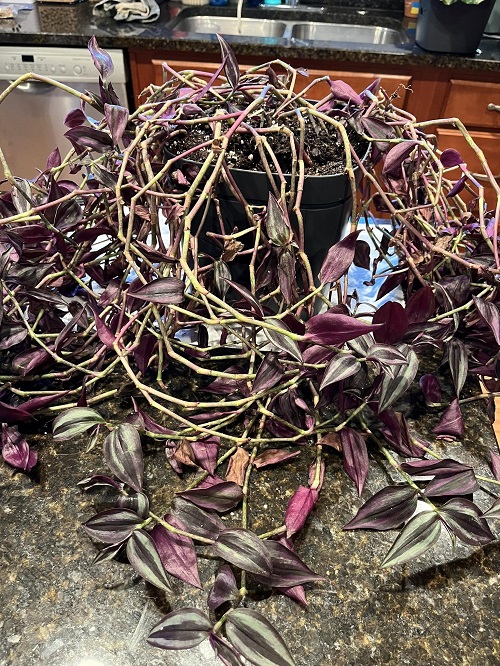
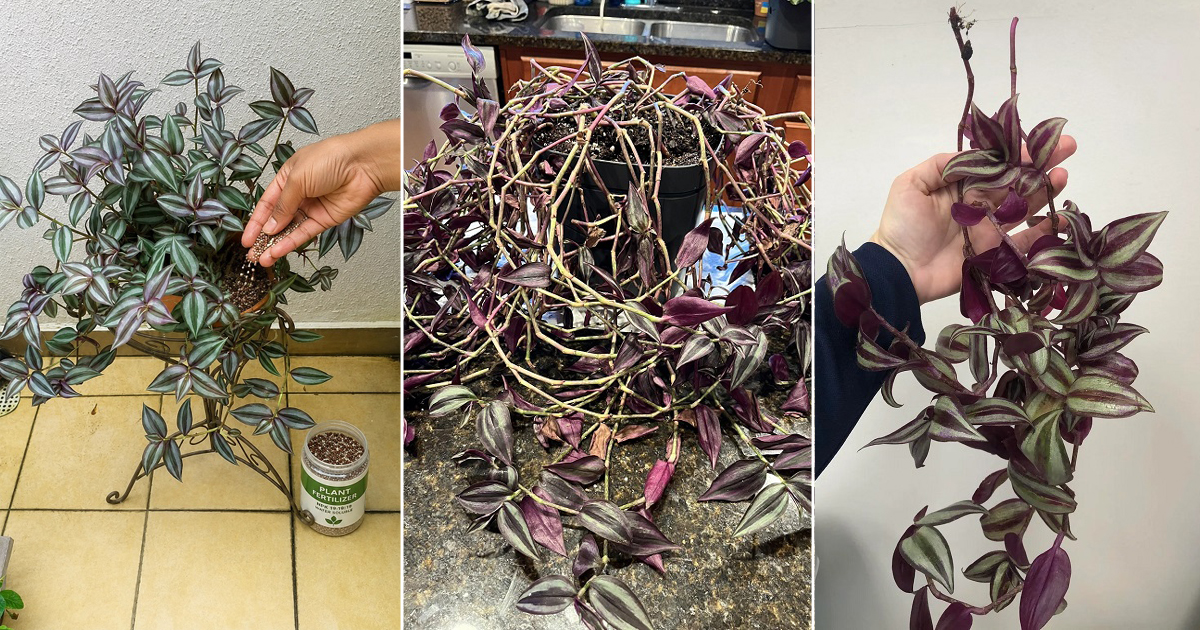
A Wandering Jew plant is loved for its fast-growing vines and colorful leaves. Under the right conditions, it spreads quickly and becomes thick and full. But many gardeners notice that after a few months, the stems become long, bare, and weak. The leaves are spaced far apart, and the plant loses its attractive look. Thin growth is usually not caused by one big problem. It happens because of small care Mistakes That Make Your Wandering Jew Leggy. The good news is that most of these problems are easy to fix. Once you understand what your plant needs, it will start producing fresh, compact growth again
Mistakes That Make Your Wandering Jew Leggy
Want to build the perfect indoor plant setup? Check out this indoor gardening system that serious plant lovers swear by. You can also check our Amazon Storefront for all such gardening needs.
1. Keeping It Too Far From the Window
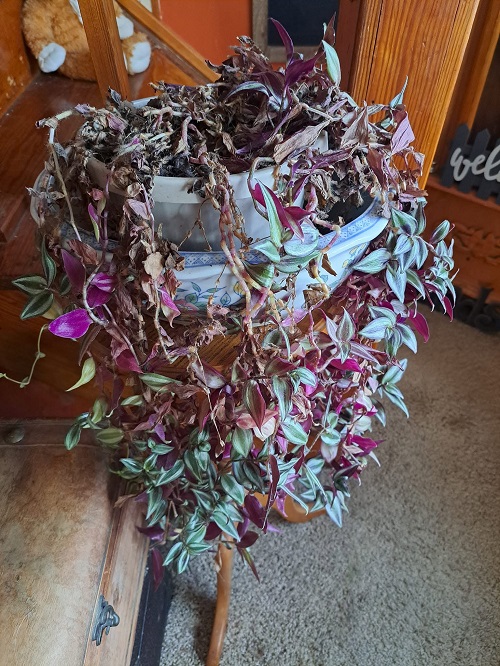
One of the easiest mistakes to make is placing your Wandering Jew where it looks bright to you but isn’t bright enough for the plant.
You might set it on a shelf across the room because it fits the space perfectly. For a while, everything seems fine. Then the stems begin reaching toward the nearest window. New leaves appear farther apart, and the vines become longer than you expected.
This is the plant’s way of searching for more light. It isn’t growing because it’s happy. Plant is stretching because it has to.
Move it closer to a bright window often changes the way it grows. You won’t see the old stems become shorter, but the new ones should come in more compact with better color.
Get these rolling plant stands with wheels for your plants and make moving and shifting pots easier than ever.
2. Letting the Vines Grow Without Trimming
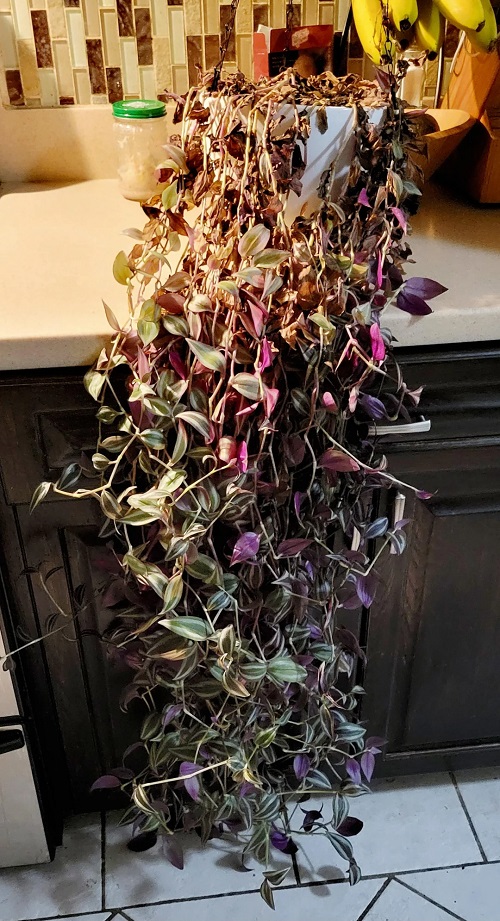
It’s easy to leave the plant alone when the vines keep getting longer. After all, trailing stems are part of its charm.
The trouble starts when those vines continue growing for months without being cut back. The tips stay leafy while the older parts slowly lose their lower leaves. Before long, you have long sections of bare stem with only a small cluster of leaves at the end.
Give the plant a trim now and then encourages it to branch instead of growing as one long vine. It may feel strange to cut a healthy stem, but the plant usually responds by producing several new shoots.
Many gardeners find that regular light trimming keeps the plant much fuller than waiting for a major haircut once a year.
Use these sharp pruners to trim your plants and keep them in shape.
3. You Never Pinch the Growing Tips
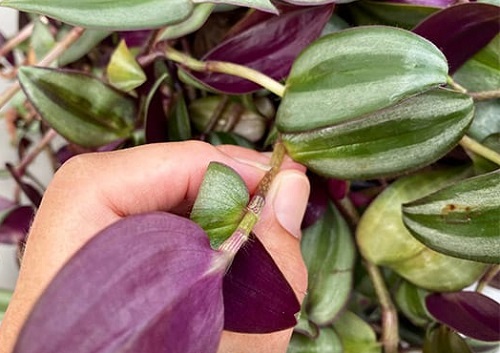
A small habit can make a big difference. When you pinch off the soft tip of a young stem, the plant often sends out new side shoots. Instead of one stem continuing upward or downward, you may end up with two or three new branches.
If you never pinch those tips, each stem simply keeps growing in one direction. That’s one reason older plants often look thin even though they have very long vines.
You don’t have to pinch every stem. Doing it occasionally during the growing season is usually enough to encourage a bushier plant.
4. Expecting Fertilizer to Fix Everything
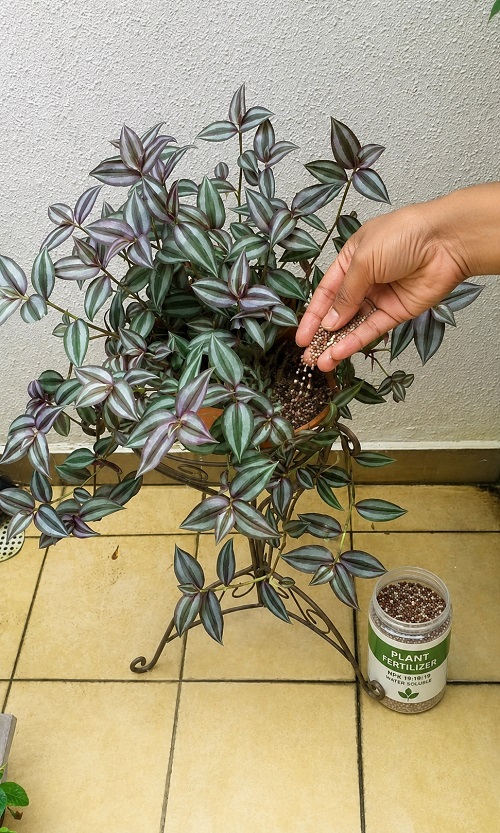
When growth starts looking weak, fertilizer is often the first thing people reach for.
But extra plant food won’t solve a lighting problem or a pruning problem. In fact, feeding too much can encourage soft, fast growth that stretches even more.
If your Wandering Jew already has long, thin stems, adding more fertilizer usually isn’t the answer.
It is better to fix the growing conditions first. Once the plant receives enough light and regular trimming, a normal feeding schedule is all it needs.
5. You Leave Old Stems on the Plant Forever
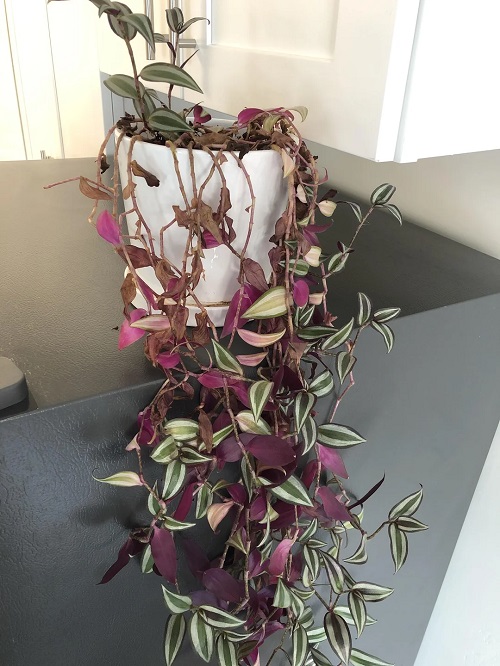
Every stem has its best days. As the plant ages, some older vines naturally lose leaves near the base. Those bare stems rarely become full again. They simply take up space while newer growth tries to develop around them.
Instead of holding onto every vine, remove a few of the oldest ones every so often. It may make the plant look smaller for a short time, but it often fills back in with healthier growth.
Think of it as making room for fresh stems rather than trying to save tired ones.
6. Throwing Away Healthy Cuttings
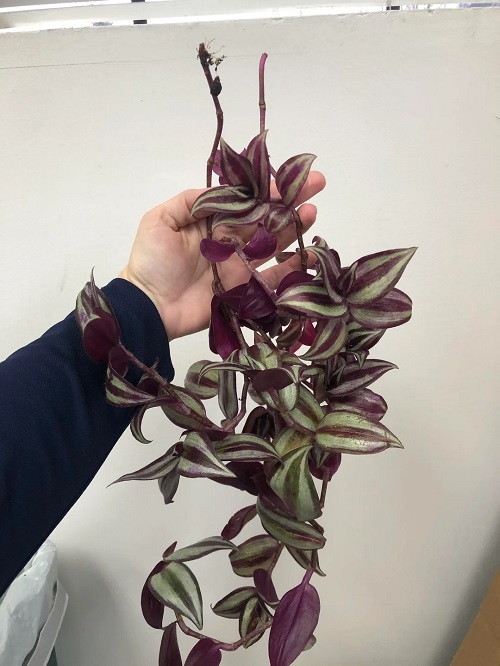
This is probably the easiest mistake to avoid.
Every time you trim your plant, you’re holding pieces that can become new plants within days. Wandering Jew roots very quickly, which is one reason it grows so easily.
Rather than throwing those cuttings away, place them back into the same pot after they root or plant them directly into moist soil.
Over time, those extra stems fill the empty spaces near the center of the pot. That’s why some older plants look thick and lush while others seem thin. They’re often the same age. One has simply been refreshed with cuttings along the way.
7. Forgetting That Light Changes With the Seasons
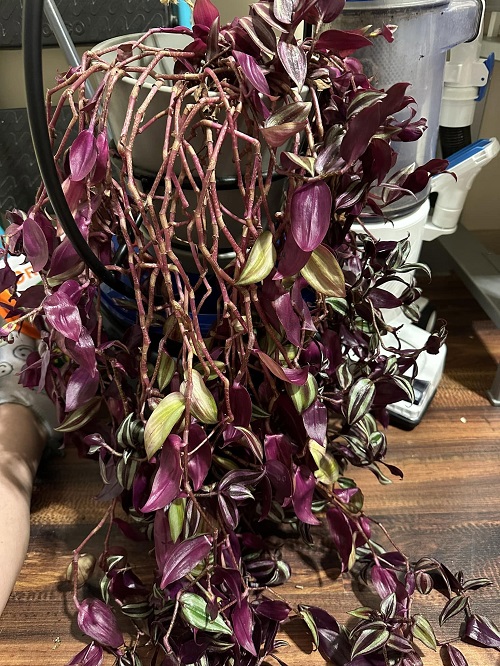
A spot that works well in spring may not work as well in winter.
As daylight becomes shorter, indoor plants receive less light even if you never move them. Your Wandering Jew may continue growing, but the new vines become thinner and longer because they’re trying to find more light.
If you notice stretching during the colder months, don’t assume you’ve done something wrong. Sometimes the plant just needs a brighter spot until the seasons change again.
Pay attention to seasonal light which makes a bigger difference than many people expect.
Use these grow lights to help your plant’s steady growth.
8. Not Rotating the Pot
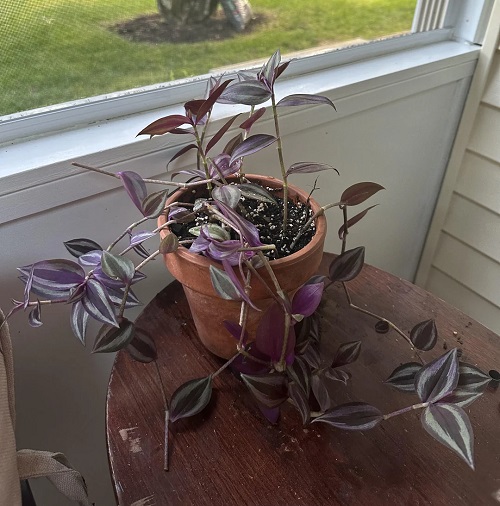
Plants naturally lean toward light. If your window is on one side, that’s exactly where the stems will head.
After a few months, one side of the plant may look thick while the other side becomes sparse. The uneven growth makes the plant appear leggier than it really is.
Turn the pot every week or two helps so each side receive similar light. It is a simple habit, but it encourages more balanced growth over time.
9. Waiting Until the Plant Looks Bad
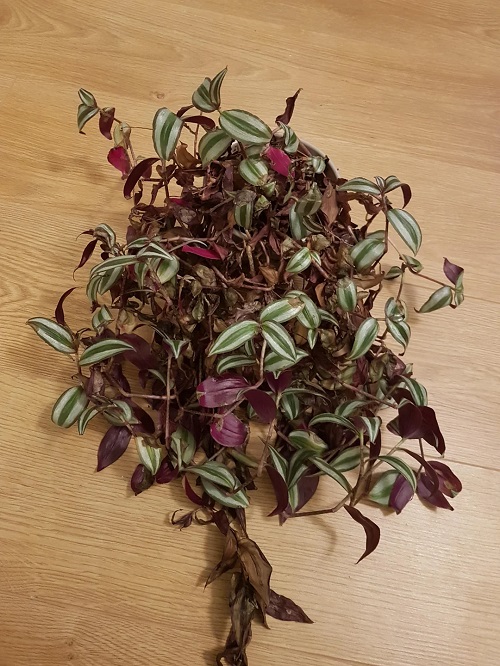
One thing many gardeners learn is that it’s much easier to maintain a full plant than to fix a neglected one.
Once the vines become extremely long and bare, bringing the plant back takes patience. Regular maintenance prevents that stage from happening in the first place.
Try to check your plant every couple of weeks is usually enough. A quick trim here, a pinched tip there. Remove one old stem now and then keeps everything looking tidy without much effort.
Become a better plant parent with the book How Not to Kill Your Houseplant.