
As an Amazon Associate, we earn a small commission from qualifying purchases — at no extra cost to you.
Read about the Reasons Your Spider Plant Is Losing Its White Variegation and find easy fixes for creamy patterns on green foliage.
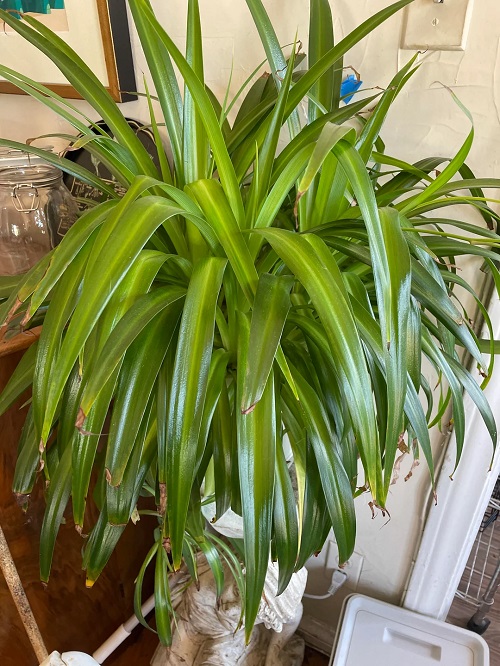
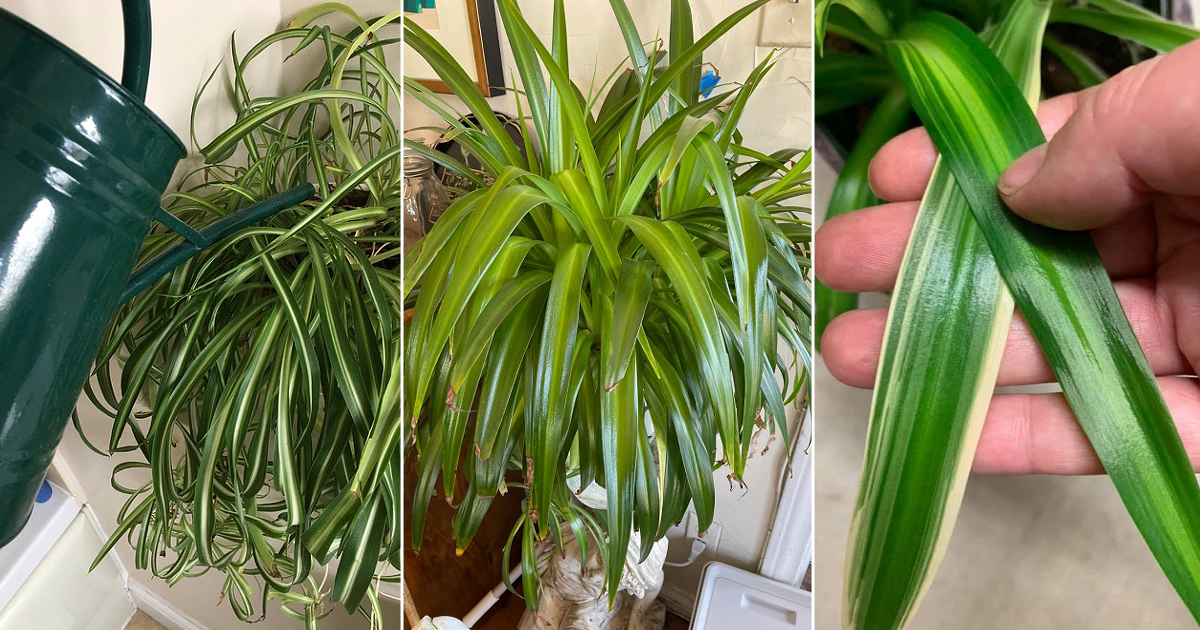
You probably bought your spider plant because of its striped leaves. Those white bands running through the green foliage are what make it so attractive. So, it can be disappointing when fresh leaves start coming out plain green or the stripes become faint. The first time this happens, many people think the plant is sick. Though it is a rare case. A spider plant usually changes its appearance because something in its surroundings has changed. Learn how to fix the problem before the whole plant loses its patterns by finding the Reasons Your Spider Plant Is Losing Its White Variegation.
Reasons Your Spider Plant Is Losing Its White Variegation
1. Take a Look at Where You Keep It
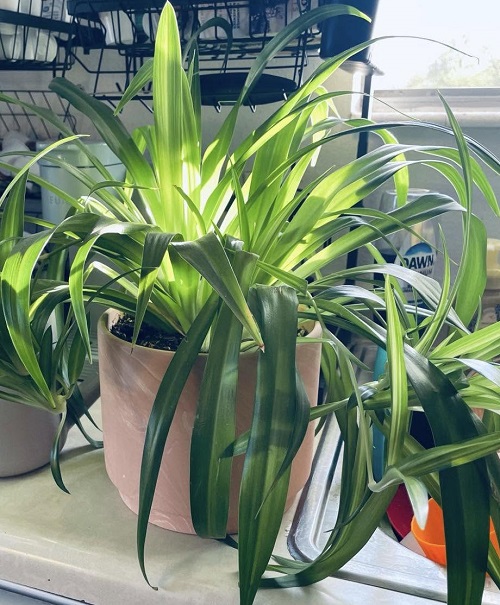
Before you look at fertilizer or watering, check the amount of light your plant receives each day.
Spider plants grow in lower light than many houseplants, but they do not always keep their bright white stripes in those conditions. When light becomes limited, the plant produces more chlorophyll to make up for the lack of energy. As the green pigment increases, the white variegation becomes less noticeable.
This often happens after moving the plant into another room or placing it farther from a window. Seasonal changes can also play a part. A spot that was bright in spring may become much darker once trees outside fill with leaves.
Move your spider plant where it receives bright, indirect light for several hours each day. Do not expect old leaves to change. Instead, watch the newest growth over the next few weeks.
2. Sometimes the Plant Is Simply Adapting
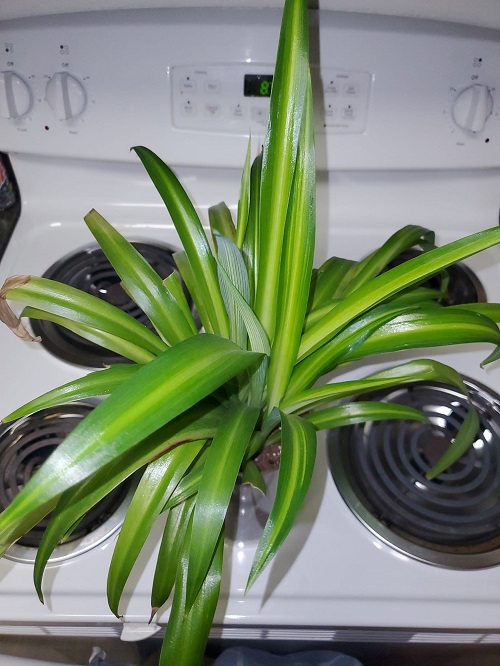
A spider plant can stay alive in a dim room for a surprisingly long time. That is why so many people believe it enjoys shade.
There is a difference between surviving and growing well.
If your plant has been sitting on a shelf, in a hallway, or in a room that rarely gets natural light, it may slowly produce greener leaves. The change is gradual, so you may not notice it until most of the white stripes have faded.
Rather than moving it into direct sunlight all at once, place it in a brighter location little by little. A sudden change can stress the leaves, especially during summer.
3. Don’t Assume More Sun Is Always Better
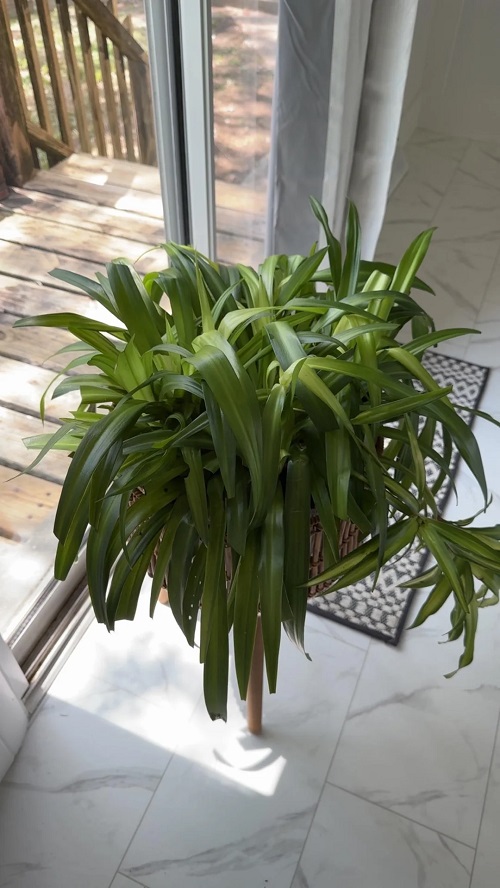
More sunlight is not always better. The white parts of the leaf are more delicate than the green sections. Strong afternoon sun can dry them out or cause them to look faded instead of bright.
If you notice brown edges along with weak-looking stripes, the plant may be receiving too much direct sunlight. Morning sun is usually gentle enough, while bright filtered light works well throughout the day.
A small change in location often makes a noticeable difference.
4. Fully Green Leaves Can Spread Faster
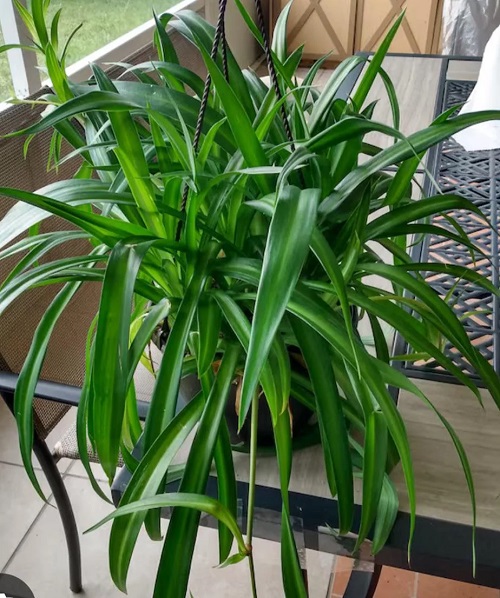
Every now and then, your spider plant may produce leaves that are completely green.
This is called reversion. It happens because green leaves contain more chlorophyll, allowing them to make more energy than variegated leaves. As a result, those green shoots often grow faster.
If you leave them alone, they may eventually become the strongest part of the plant.
Cut fully green shoots close to the base when you see them. Doing this helps the variegated parts remain the main growth.
5. Think About the Last Time You Fed It
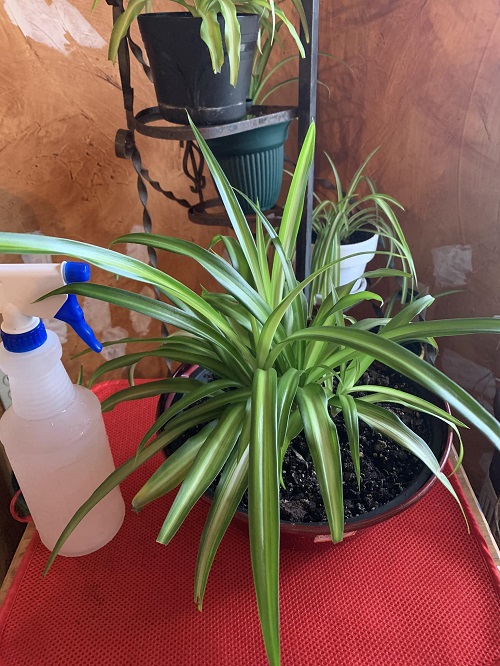
It is easy to think that more fertilizer means a healthier plant.
That is not always true with spider plants. Too much nitrogen encourages lush green growth. While the leaves may become larger and grow faster, the white stripes often become thinner or less noticeable.
Feed your spider plant with a balanced liquid fertilizer during spring and summer. Dilute it to half strength and apply it about once a month. That is usually enough for steady, healthy growth.
Avoid feeding during winter when the plant naturally slows down.
6. Stress Shows Up in New Growth

Plants don’t always react to stress immediately. You may repot your spider plant today, and it looks fine for weeks. Then the next set of leaves appears smaller, lighter, or missing some of the white markings.
That doesn’t necessarily mean you’ve done anything wrong.
Whenever roots are disturbed, the plant spends time settling into its new home. During that period, the foliage may not look its best.
Unless you also notice yellowing, wilting, or root rot, give it a little time before making more changes.
7. Water Can Play a Bigger Role Than You Think
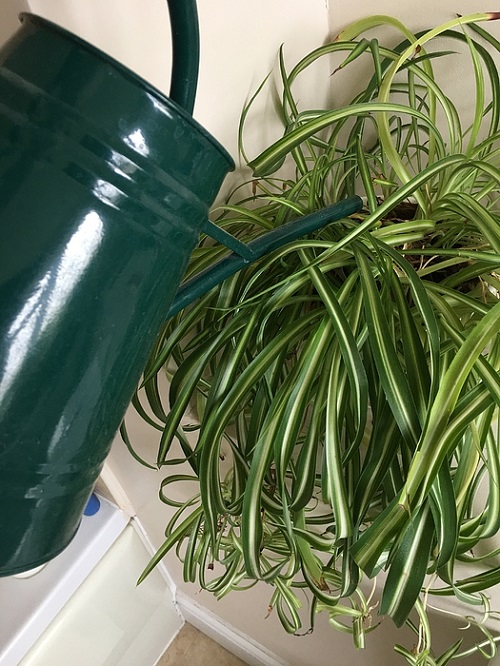
You do not have to water on the same day every week. Instead, let the soil guide you.
If the potting mix stays wet for too long, the roots struggle to stay healthy. If you allow the soil to become completely dry every time, the plant also experiences stress. Either situation can affect the quality of new leaves.
Check the top inch of soil before watering. If it feels dry, water thoroughly until excess moisture drains from the bottom of the pot. Healthy roots usually produce healthier foliage.
8. Old Potting Soil Can Hold the Plant Back
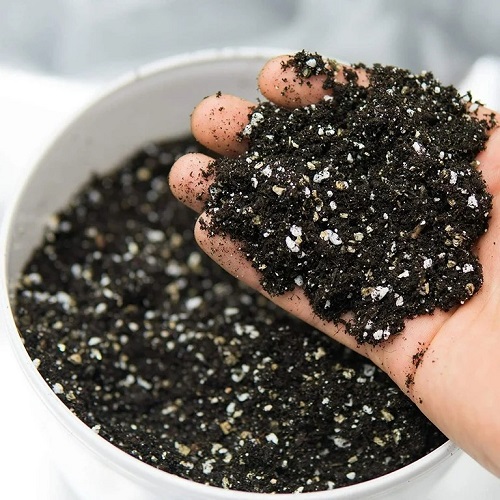
Fresh potting mix does more than support the roots. It allows air to move through the soil, drains excess water, and supplies nutrients that the plant needs.
After a few years, the same soil begins to break down. It becomes dense and holds moisture differently. Even if you water correctly, the roots may not grow as well as they once did.
If your spider plant has been in the same pot for several years, replacing the potting mix can improve future growth. New leaves often become stronger once the roots have a healthier environment.
9. Don’t Worry About Every Green Leaf
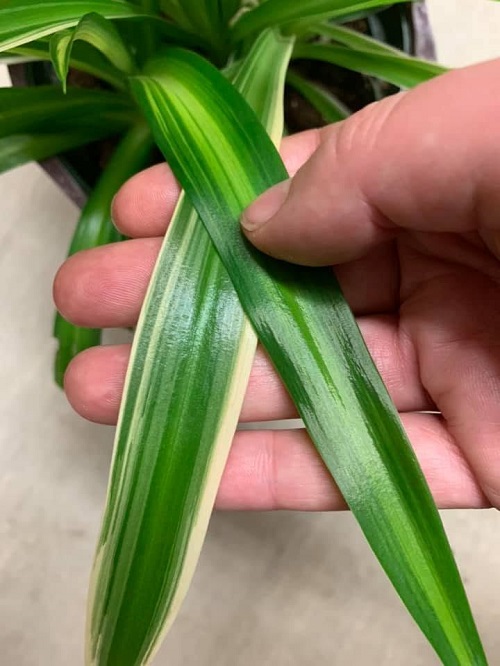
You don’t need to inspect every new leaf with a magnifying glass. A single green leaf here and there isn’t unusual. Even healthy spider plants occasionally produce leaves that look slightly different.
What matters is the overall trend.
If almost every new leaf has lost its white stripe, then it’s worth investigating. If only one or two leaves look different while the rest remain nicely variegated, your plant is probably doing just fine.
Sometimes gardeners create problems by trying to fix something that wasn’t really broken.
10. Seasonal Changes Can Fool You
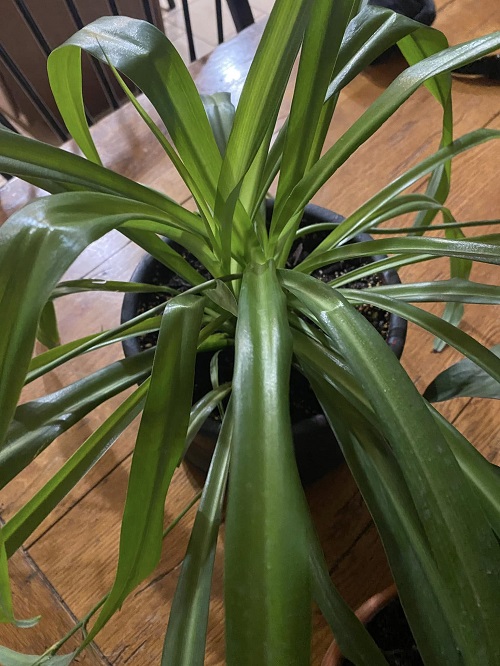
During winter, your spider plant naturally grows more slowly.
The days are shorter, light is weaker, and indoor heating changes the environment. You may notice that new leaves seem greener than the ones produced during spring.
This happen on plants sitting in exactly the same spot all year. As soon as longer days return, the next flush of leaves often shows much stronger variegation without any special treatment.
For that reason, avoid making major changes during winter unless the plant clearly needs help.
11. Give the Plant Time to Respond
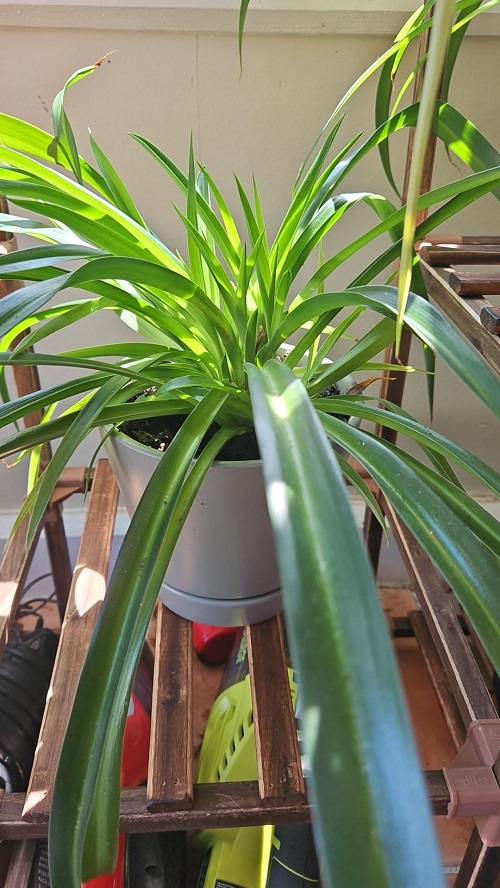
When you notice fading variegation, avoid changing everything at once.
If you move the plant, repot it, change the fertilizer, and adjust watering on the same day, you will never know which change actually helped.
Start with the most likely cause. For most homes, improving the light is the first step. Then wait for new leaves to appear before making another adjustment.
Plants respond slowly, so patience usually gives better results than constant changes