
As an Amazon Associate, we earn a small commission from qualifying purchases — at no extra cost to you.
Keep your plant blooming again and again with easy Tricks to Make Fuchsia Bloom Nonstop. Learn simple care tips for more blossoms and healthy growth.
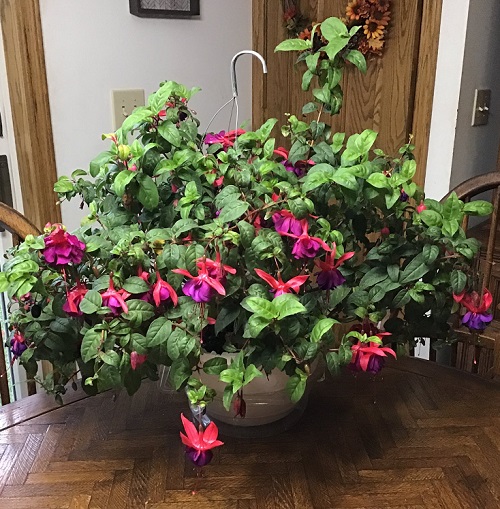
These Tricks to Make Fuchsia Bloom Nonstop can help you enjoy bright flowers for a long time. Fuchsia plants need the right care to keep blooming again and again. Follow the tips and keep your plant healthy and full of colorful blooms throughout the growing season.
Why is My Fuchsia Plant Not Blooming?
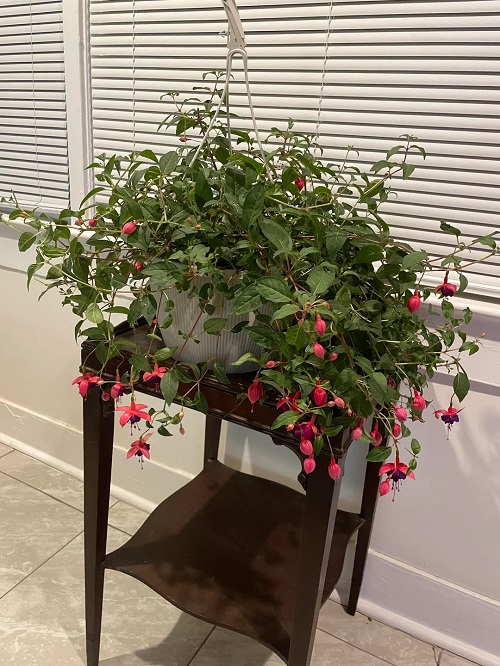
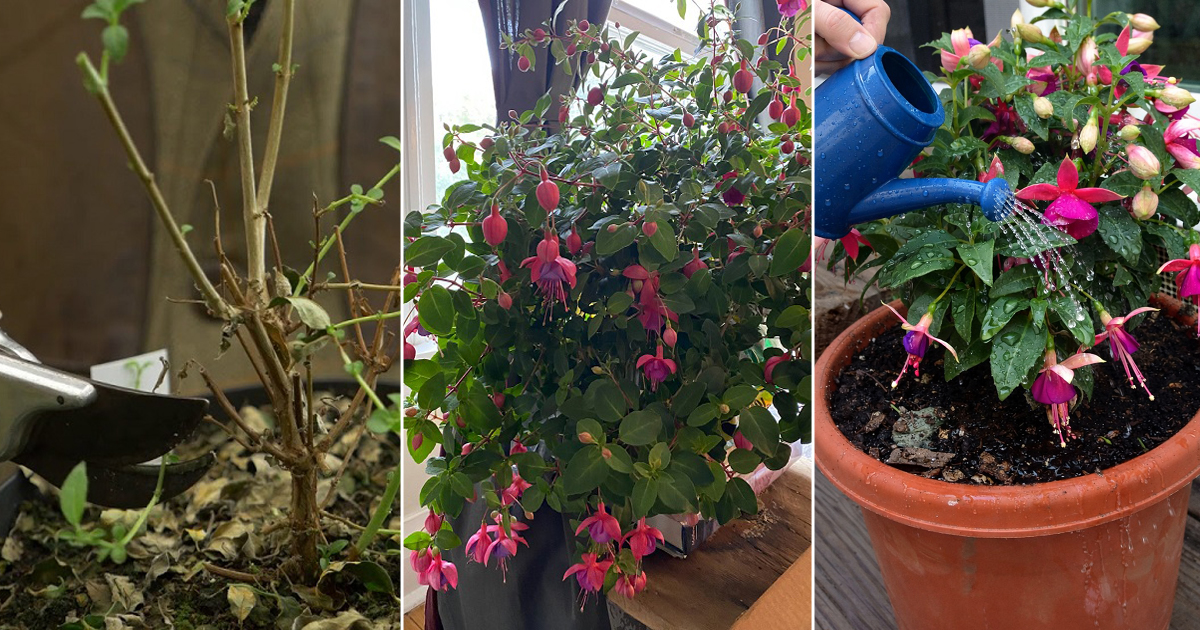
Fuchsia plants bloom on new growth. So if your plant has no flowers, it usually means it needs to be pinched or trimmed. Pinching helps the plant grow new branches, which leads to more blooms.
In early spring, once the plant starts growing well, pinch the tips to encourage flowers. Keep doing this through the summer so it keeps blooming.
Pinching is simple—just cut or pinch off about one-quarter to half of the tip of each branch. If your fuchsia has stopped flowering, don’t worry. It usually starts blooming again within about six weeks after pinching.
If you don’t trim it regularly, the plant can become long and leggy, with old branches that won’t produce flowers.
Tricks to Make Fuchsia Bloom Nonstop
1. Cut Back to Encourage Fresh Growth
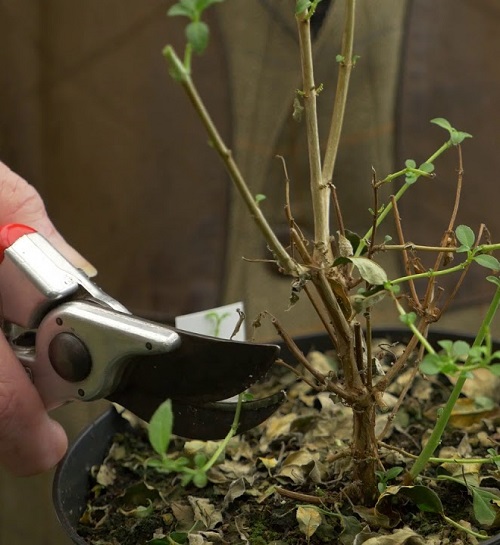
When your fuchsia is not blooming, cut back the branches to the strongest node. A node is the point where leaves grow. This helps the plant focus its energy on new shoots. Within about a month, you will see fresh branches forming. These new branches will soon start producing flowers, giving your plant a fresh and healthy look again.
2. Keep Pinching for Continuous Flowers
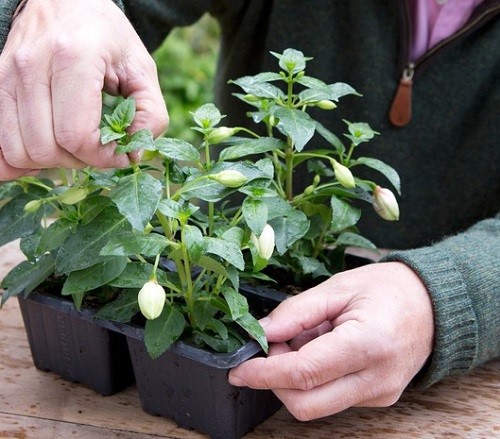
Pinching is one of the best ways to keep fuchsia blooming nonstop. Once a branch finishes flowering, pinch or trim its tip. This encourages more side branches to grow. More branches mean more flowers. Keep doing this from spring through fall. Regular pinching stops the plant from getting leggy and helps it stay full and active.
3. Give the Right Light Conditions
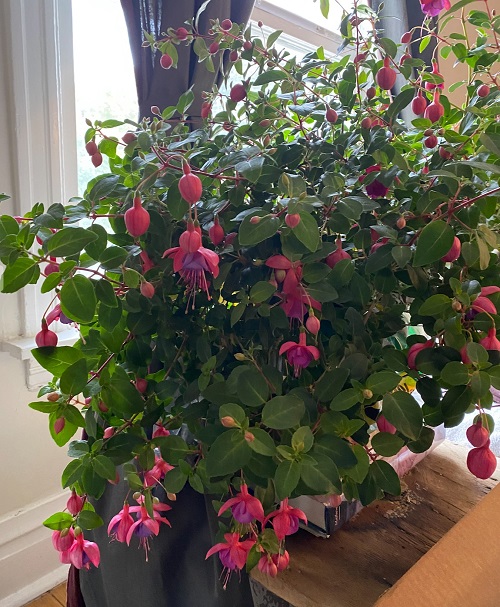
Fuchsias do not like strong, harsh sunlight. They grow best in light sun or partial shade. Too much sun can stress the plant and reduce blooming. Too little light can slow growth. Place your plant where it gets soft morning light or filtered light during the day. This balance helps the plant stay healthy and keeps flowers coming.
4. Maintain Moist but Well-Drained Soil
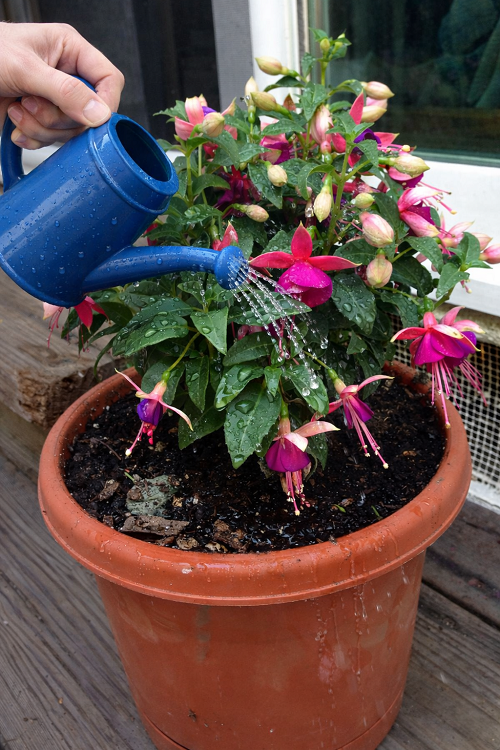
Fuchsia plants need evenly moist soil to grow well. The soil should not stay dry for long. At the same time, it should not be soggy. Good drainage is very important. Wet roots can cause problems and stop blooming. Water your plant regularly and check the soil often to keep the moisture level just right.
5. Feed Regularly During Growth

Fuchsias need regular feeding during their active growth and blooming period. Use a balanced fertilizer at half strength. Feed the plant every other week. This gives it enough nutrients without overfeeding. Proper feeding supports strong growth and helps the plant produce more flowers over a longer time.
6. Fixing a Non-Blooming Plant Is Easy
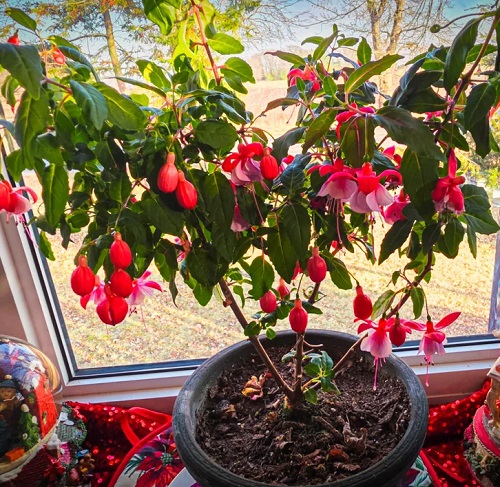
A fuchsia plant with no blooms can feel disappointing. But the problem is usually simple to fix. With regular trimming, proper light, steady watering, and feeding, your plant will recover. Follow these easy steps and your fuchsia will reward you with nonstop flowers throughout the growing season.