
As an Amazon Associate, we earn a small commission from qualifying purchases — at no extra cost to you.
Find out What Happens When You Make This Simple Change for Your Zebra Haworthia and help it grow healthier indoors.
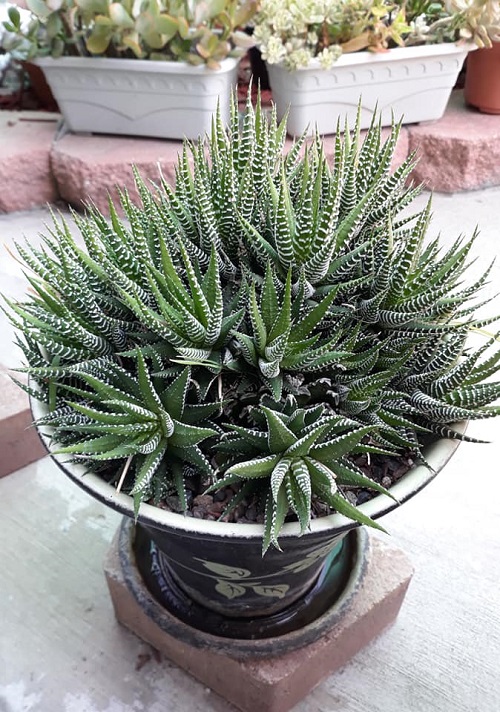
Have you noticed your Zebra Haworthia looking dull or growing very slowly indoors? You may be surprised by What Happens When You Make This Simple Change for Your Zebra Haworthia. Small improvements can start showing within weeks, and the plant may begin looking healthier and more active. Sometimes a simple adjustment can make a big difference in indoor growth.
What Happens When You Make This Simple Change for Your Zebra Haworthia
The Simple Change That Made the Biggest Difference
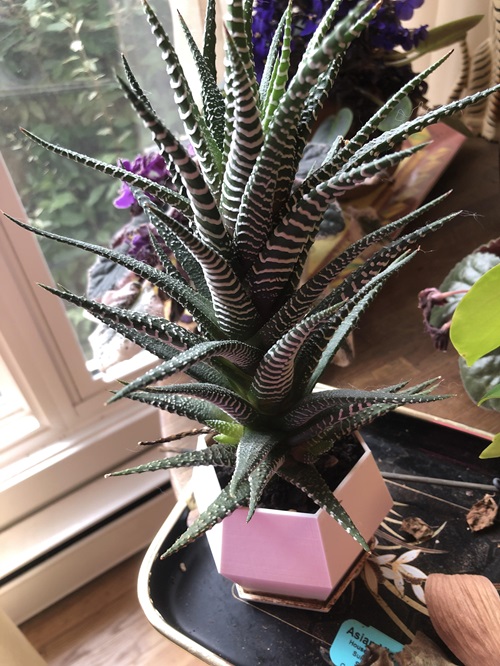
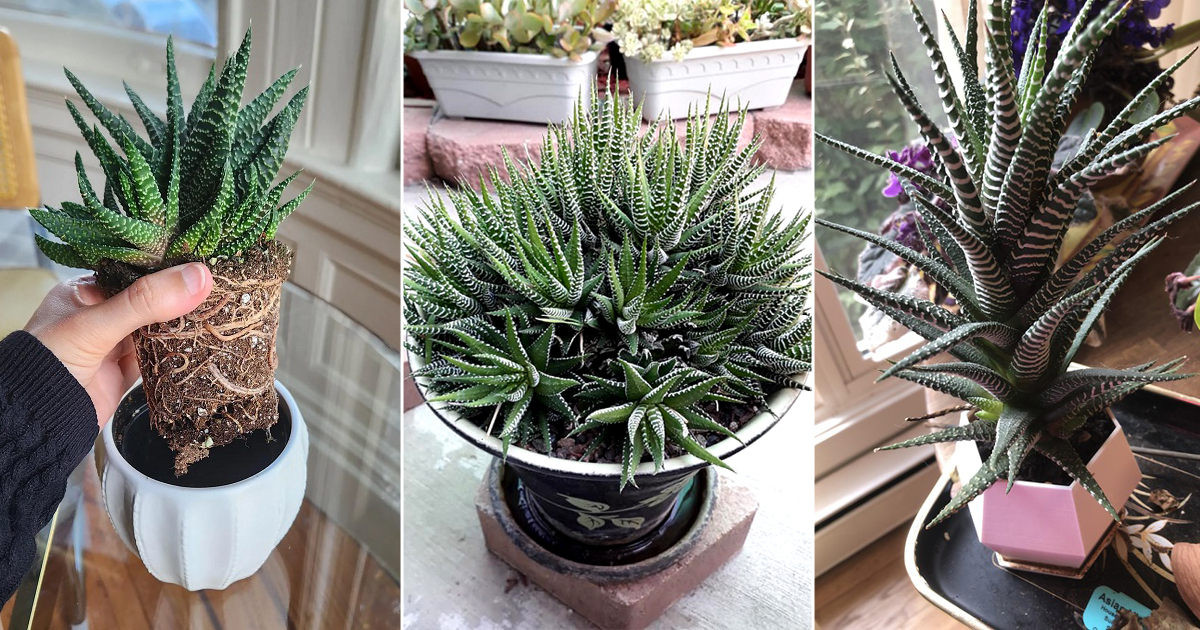
The simple change was moving the Zebra Haworthia to a brighter indoor spot with indirect sunlight. Earlier, the plant stayed in a darker corner where it received very little natural light during the day. After placing it near a bright east-facing window, the leaves became firmer, the stripes looked clearer, and new growth started appearing from the center. This small lighting adjustment helped the plant grow better without changing anything else in its care routine.
Your Zebra Haworthia Starts Growing More Steadily
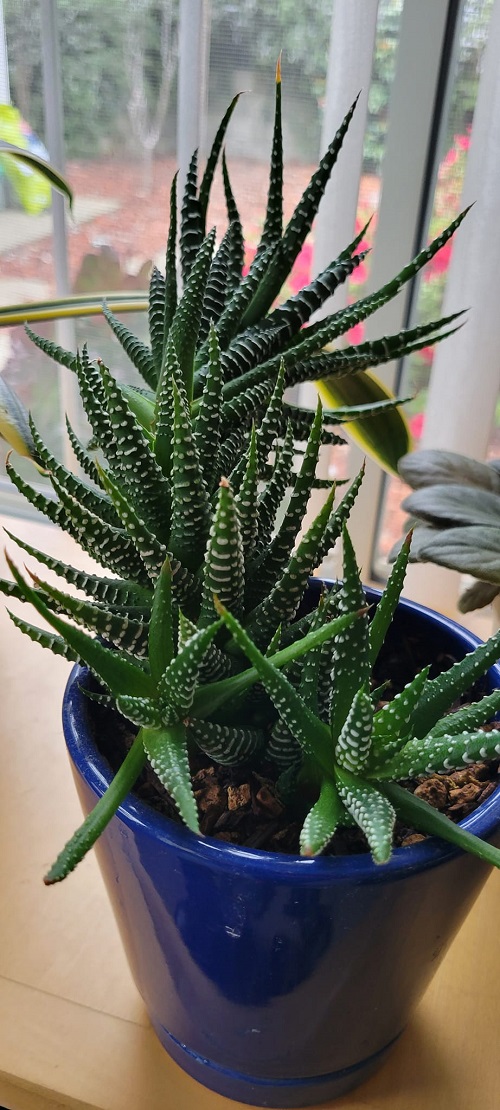
Many Zebra Haworthia plants survive indoors without showing much new growth. They stay alive, but the leaves often look dull and inactive. When you improve the lighting conditions, the plant starts using energy more efficiently. This helps it produce healthier leaves and stronger roots over time.
After moving the plant to a brighter spot, growth usually becomes more noticeable. The center of the rosette starts producing fresh leaves more regularly. The plant also looks fuller because the leaves grow in a tighter and more balanced shape.
The Leaves Become Firmer and More Attractive
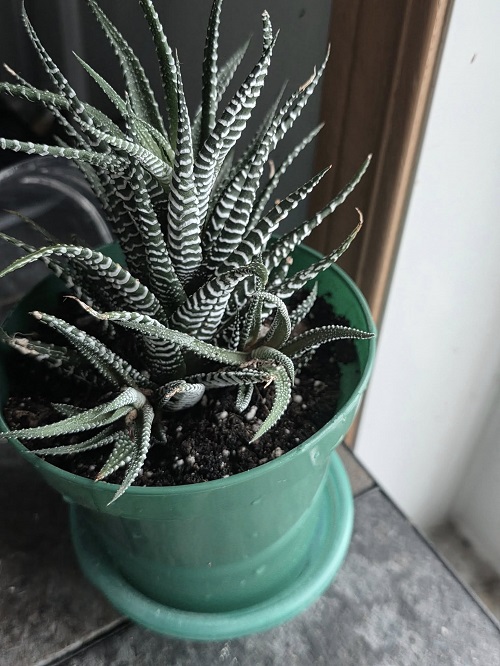
Poor lighting can make Zebra Haworthia leaves look weak or slightly stretched. The leaves may lose their thick texture and appear softer than normal. This usually happens because the plant is not getting enough brightness to support healthy growth indoors.
Once the plant receives better indirect light, the leaves slowly become firmer. They hold moisture more evenly and maintain their compact shape. The white stripes also become easier to see. Healthy leaves give the plant a cleaner and stronger appearance overall.
Watering Becomes Easier to Manage
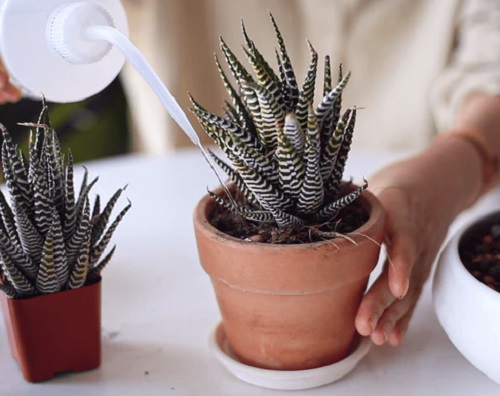
A Zebra Haworthia growing in low light uses less water. This means the soil stays wet longer after watering. Constant moisture around the roots can slowly create problems like root rot or weak growth. Many indoor plant owners accidentally overwater because the plant dries very slowly in dark conditions.
Brighter light changes this situation. The soil dries at a healthier pace because the plant becomes more active. You can follow a simpler watering routine without worrying as much about trapped moisture. This creates a healthier balance for the roots and leaves.
The Plant Keeps Its Compact Shape
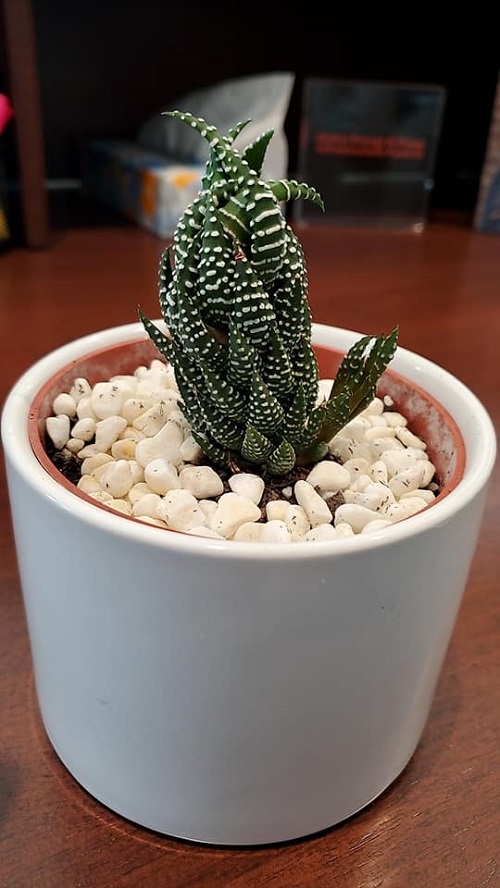
One common sign of low light is stretching. The leaves begin growing farther apart while searching for more brightness. This makes the Zebra Haworthia lose its neat and compact form. The plant may start leaning toward nearby windows or light sources.
After moving it to a brighter area, the leaves begin growing closer together again. The plant looks more balanced and natural. Compact growth also helps the rosette stay stronger because the leaves support each other better in a healthy arrangement.
Root Health Slowly Improves
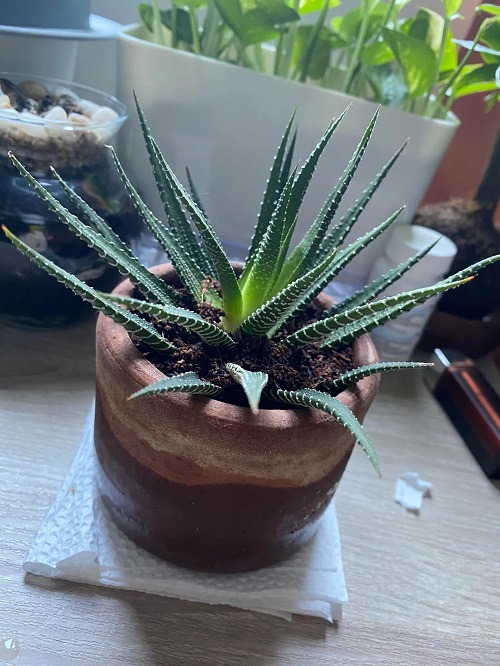
Healthy roots are important for succulent plants like Zebra Haworthia. In dark conditions with wet soil, roots often struggle to breathe properly. Weak roots lead to slower growth and softer leaves. The plant may stay alive for a long time, but it rarely grows well.
Better lighting helps the soil dry more evenly and improves airflow around the roots. Strong roots absorb water more efficiently and support healthier leaf growth. Over time, the plant becomes stronger because the roots remain healthier between waterings.
New Offsets May Start Appearing
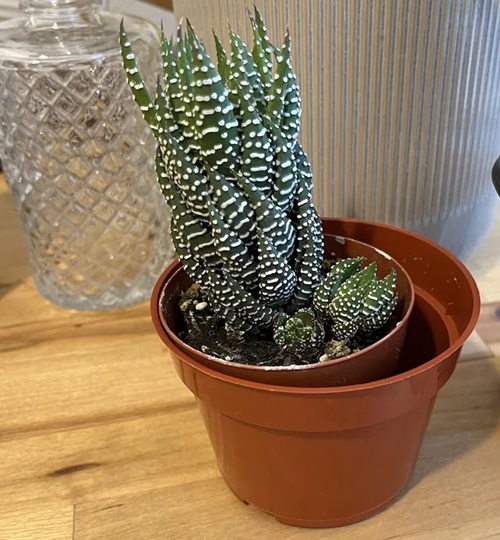
Offsets are small baby plants that grow near the base of the main plant. Zebra Haworthia usually produces offsets when it feels healthy and stable in its environment. A stressed plant often focuses only on survival instead of creating extra growth.
After improving the lighting conditions, you may notice tiny offsets forming around the main rosette. This is a strong sign that the plant feels comfortable and active. Healthy lighting and stable care encourage this natural process without much extra effort.
The Plant Handles Indoor Conditions Better
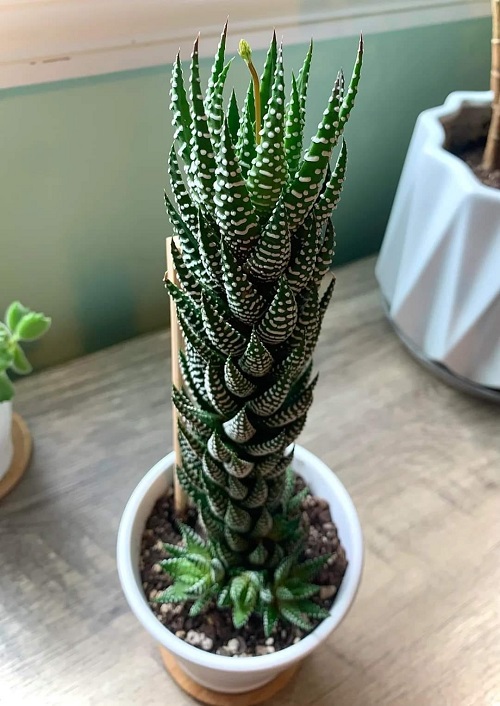
Indoor environments can sometimes stress houseplants because of dry air, temperature changes, or weak lighting. A Zebra Haworthia growing in poor conditions becomes more sensitive to these problems over time. The leaves may weaken faster during seasonal changes.
When the plant receives enough indirect light, it becomes more stable and resilient. Stronger leaves and roots help it adjust better to indoor conditions throughout the year. Healthy plants usually recover faster from small care mistakes as well.
Small Changes Often Create the Best Results
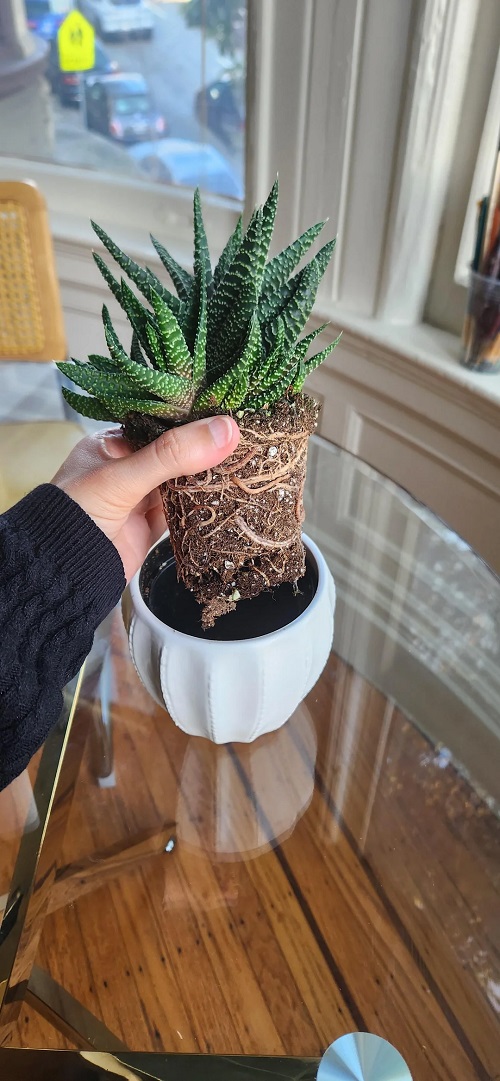
Many people try strong fertilizers or frequent repotting when their plants look unhealthy. Sometimes the real issue is simply the location of the plant. Zebra Haworthia responds better to steady care and proper lighting than complicated treatments.
A small adjustment like moving the plant closer to a bright window can completely improve its growth. Simple care changes often work better because they support the plant’s natural needs instead of forcing rapid growth.