
As an Amazon Associate, we earn a small commission from qualifying purchases — at no extra cost to you.
Why do Hoya buds fall off before blooming? Check the growing conditions and simple care changes that can help your plant flower.
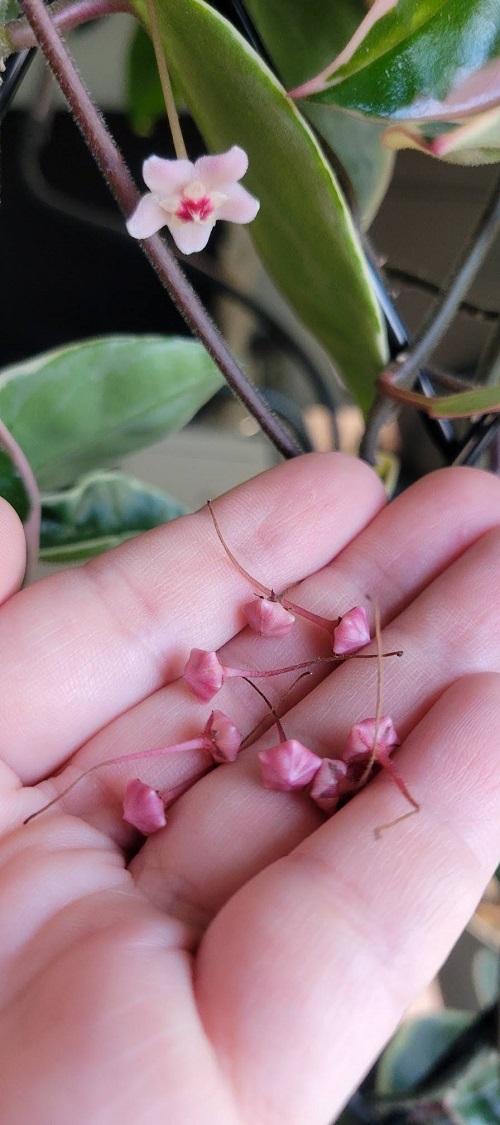
Have you noticed your Hoya buds falling off before they get a chance to open? It can be disappointing, especially when you have been waiting for those flowers to bloom. Why Are Your Hoya Buds Falling Off? Let’s look at what might be happening and what you can do about it.
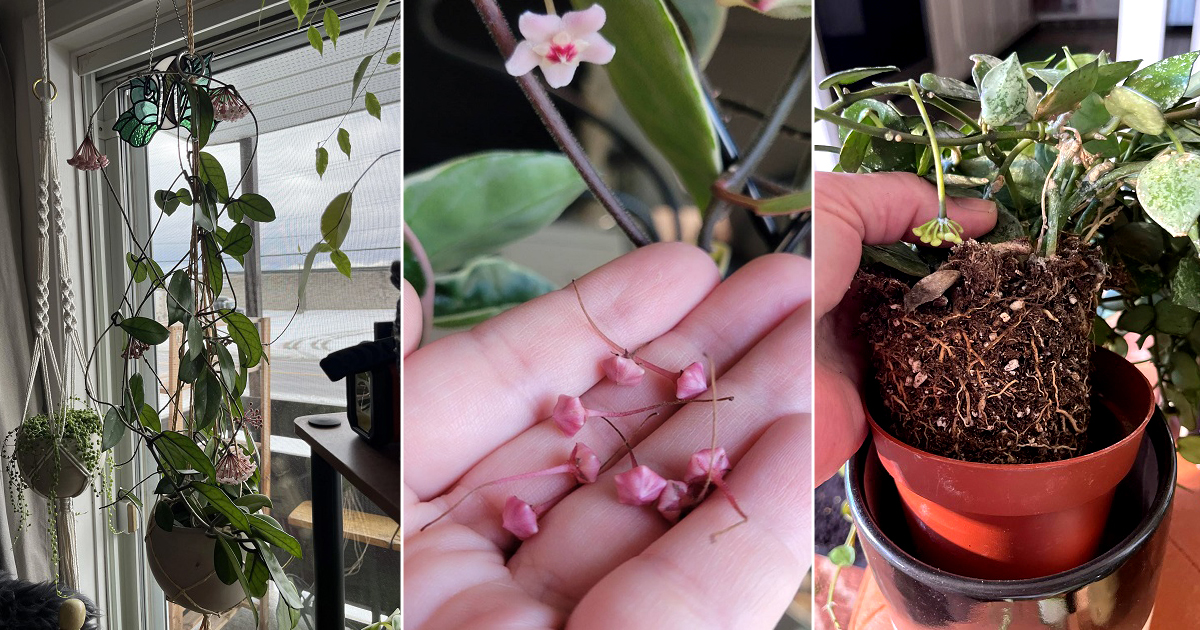
What does hoya bud drop look like?
Check this complete indoor garden setup and transform your plant corner into a year-round growing station. Give a quick glance at our Amazon Storefront for more such essential needs.
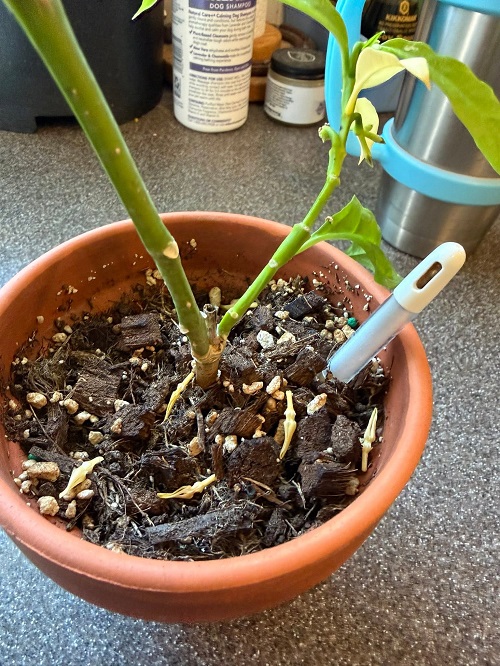
A hoya flower cluster starts as a group of small buds at the end of a short stalk called a peduncle. Each bud grows on its own thin stalk, called a pedicel. Bud drop, also known as bud blast, happens when the buds stop growing, turn yellow or pale, and fall off before they open. Sometimes only a few buds fall, while other times the entire cluster drops. In most cases, the peduncle stays attached to the plant.
This is different from normal flower drop. Hoya flowers that have opened will eventually fade and fall off naturally.
Why does a hoya abort its own buds?
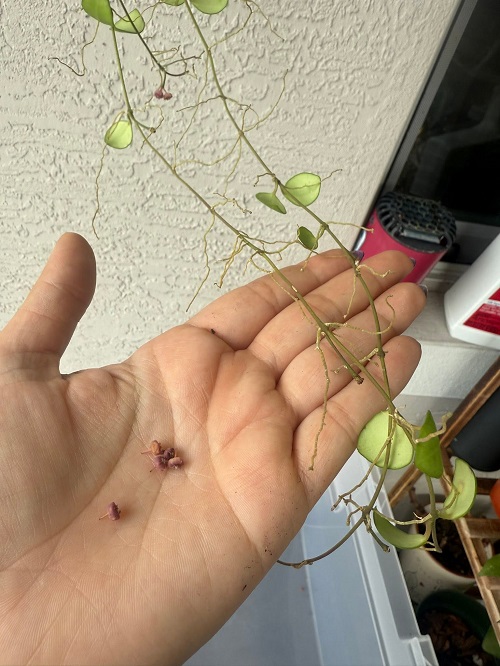
When a plant drops a flower or bud on its own, the process is called abscission. The plant forms a layer of cells at the base of the stalk. These cells weaken, allowing the flower or bud to fall off cleanly. In a study of flower drop in about 300 plant species, it was found that the separation layer usually forms in the pedicel, the small stalk that holds an individual flower. This explains why hoya buds can fall off while the main flower stalk, or peduncle, stays attached to the plant.
It was explained why plants shed flowers. Unfertilized flowers may fall because they compete with other parts of the plant for carbohydrates, which provide energy for growth. Stress from poor growing conditions and a lack of nutrients can also trigger flower drop. His research found that ethylene, a gas produced by plants, plays an important role in this process in almost every species studied. Ethylene is also involved in fruit ripening. However, the study did not specifically examine hoyas, so these findings explain the general process rather than proving exactly how it works in hoyas.
This helps explain why hoya buds may drop when watering, light levels, or root health are affected. The plant may shed the buds to save energy when it cannot support them. Producing flowers takes more resources than you might expect. According to Flora of China, the flower clusters of Hoya carnosa can contain around 30 flowers. Each flower grows on its own stalk, which can be 2 to 4 cm long. The plant must use energy from its leaves to produce the petals, corona, and nectar. If a hoya has only a few leaves supporting a large flower cluster, it has fewer reserves to rely on when growing conditions become stressful.
Why Are Your Hoya Buds Falling Off? 7 Causes and Fixes
Bud drop happens when hoya flower buds fall off before they open. Hoyas can grow new flowers from the same flower stalks, called spurs, so losing one batch of buds does not mean the plant will never flower again. Once you correct the problem, the next set of buds has a better chance of opening.
Soil is Too Dry or Wet
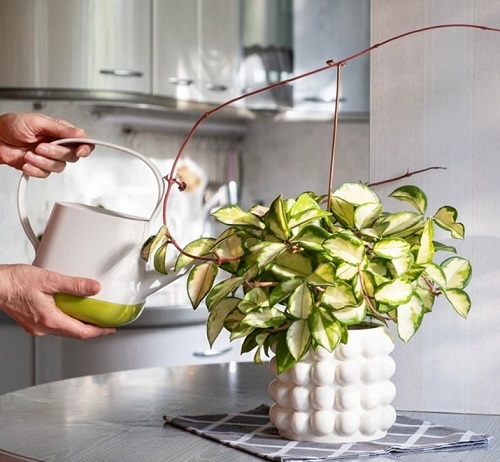
Hoya buds may fall off if the potting mix becomes too dry or stays wet for too long. During the growing season, water your hoya regularly but do not keep the soil constantly wet. Let the potting mix dry out almost completely before watering again. Both underwatering and overwatering can cause flower buds to drop before they open.
What to do: Keep your watering routine steady while your hoya is in bud. Check the potting mix with your finger before watering instead of following a fixed schedule. If the top layer still feels wet, wait a little longer. When the mix is nearly dry, water thoroughly until the excess drains from the bottom of the pot. Empty the saucer so the roots do not sit in water. Avoid letting the soil become completely dry for long periods, especially when the plant is actively growing and forming flowers.
Before you pick up the watering can again, check the soil using a moisture meter to avoid overwatering.
The Plant was Turned or Moved
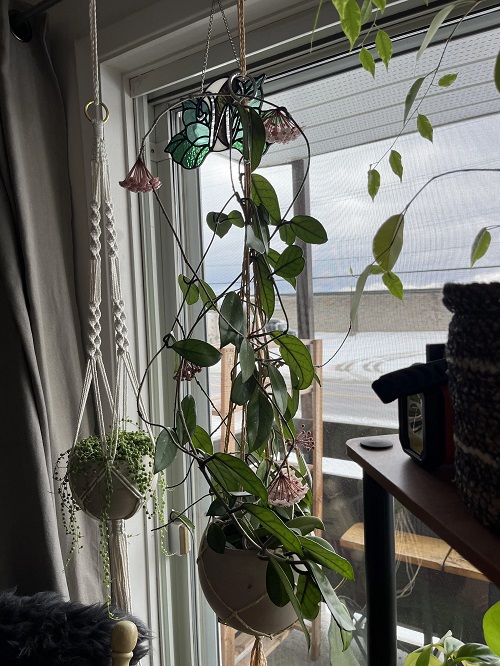
Changes in light are one of the most common reasons hoyas drop their buds. Several sources warn that you should not move a hoya or change its light conditions once buds have formed. Even turning the pot or moving it outdoors for summer can disturb the plant and cause bud drop.
What to do: Once you see flower buds, keep the pot in the same place and facing the same direction until the flowers open. If you need to move or turn the plant, do it before the buds appear.
Experiencing extreme temperature changes? Cover the window with these sheer curtains and keep a humidifier working at home.
Cold Weather
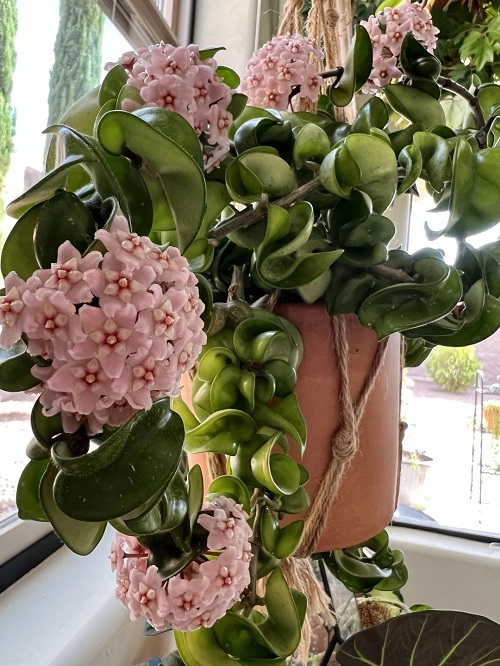
Cold water can shock a hoya and may cause its flower buds to drop. Spraying the plant with cold water can also lead to bud drop. Temperature matters as well. Hoya kerrii grows and flowers best at around 65–80°F (18–27°C). Colder conditions can slow its growth and affect flowering. Different hoya species also have different temperature needs, so some may suffer when nights become too cold.
What to do: Always water your hoya with room-temperature water. Keep the plant away from cold drafts, open windows, and air conditioners while it is forming buds. Avoid sudden temperature changes, especially during winter. Check the temperature near the plant at night, as a cold windowsill can expose it to lower temperatures than the rest of the room.
Too Much or Too Little Fertilizer
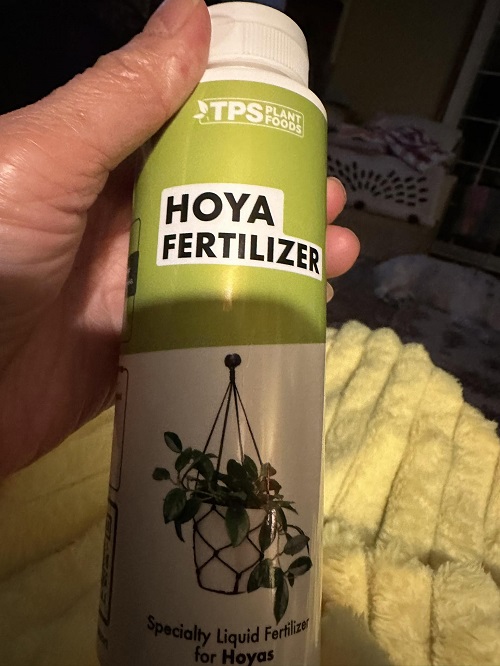
Your hoya needs nutrients to grow leaves, develop roots, and produce flowers. If it does not receive enough nutrients over time, it may struggle to support new growth and flower buds. However, giving it too much fertilizer can also cause problems. Excess nitrogen encourages leaf growth, which may come at the expense of flowering. It is listed both poor fertilization and excess nitrogen among the possible causes of premature bud drop in houseplants.
What to do: Feed your hoya lightly during spring and summer when it is actively growing. Use a fertilizer suitable for hoyas or other flowering houseplants, and follow the label directions. Avoid adding extra fertilizer to encourage the buds to open faster. If you have been feeding the plant regularly, check whether you are using too much or applying it too often. You do not need to increase feeding just because flower buds appear.
Looking to support healthy growth and flowering? A balanced fertilizer made for flowering houseplants can provide the nutrients your Hoya needs during active growth.
5. Repotting While the Plant Has Buds
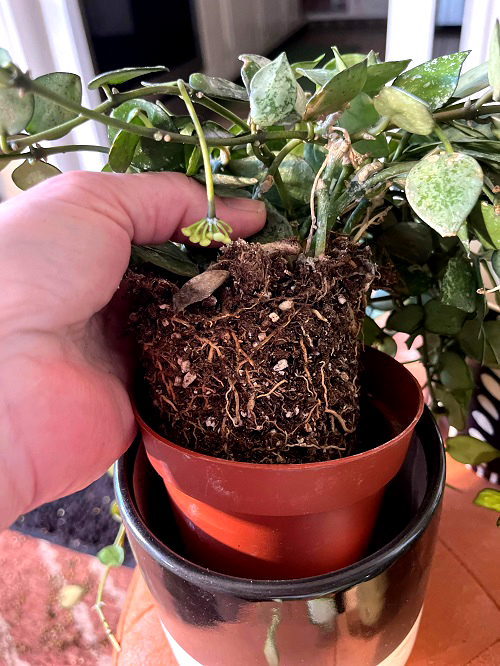
Repotting can disturb your hoya just when it needs stable conditions to develop its flowers. Moving the plant into a new pot can damage some roots, change how quickly the soil dries, and alter the conditions around the root system. It is recommended repotting Hoya carnosa when it is not in bud or flower.
What to do: If your Hoya has buds, it’s best to wait until it finishes flowering before repotting. The pot may look a little small, but don’t disturb the roots unless there’s a serious problem, such as root rot. When you do repot, choose a pot with drainage holes that’s only slightly bigger than the root ball. Use a loose potting mix that drains well. After repotting, leave your Hoya in a stable spot and give it time to adjust before changing anything else.
6. Pests Damaging the Buds
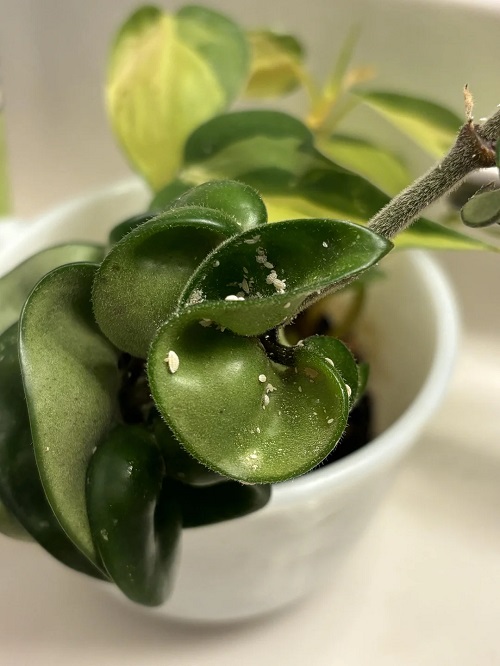
Small insects can damage hoya leaves, flower buds, and developing blooms. Thrips may leave scars or cause flowers and leaves to become distorted. Aphids can gather around tender growth and flower stalks, leaving behind sticky honeydew. These pests are not confirmed causes of hoya bud drop in the cited hoya references, but their damage is worth checking when buds fall without an obvious reason.
What to do: Take a close look at your the buds, flower stalks, and the undersides of its leaves. Check for tiny insects, sticky spots, strange marks, or leaves that look misshapen. If you spot pests, move the plant away from your other houseplants until you deal with the problem. You can wipe off a few visible insects with a damp cloth or wash them away with a gentle stream of water, depending on the pest.
If there are too many to remove by hand, use a treatment made for that insect and follow the label directions. Keep checking your Hoya over the next few days to make sure the pests are gone.
7. Changes in Growing Conditions
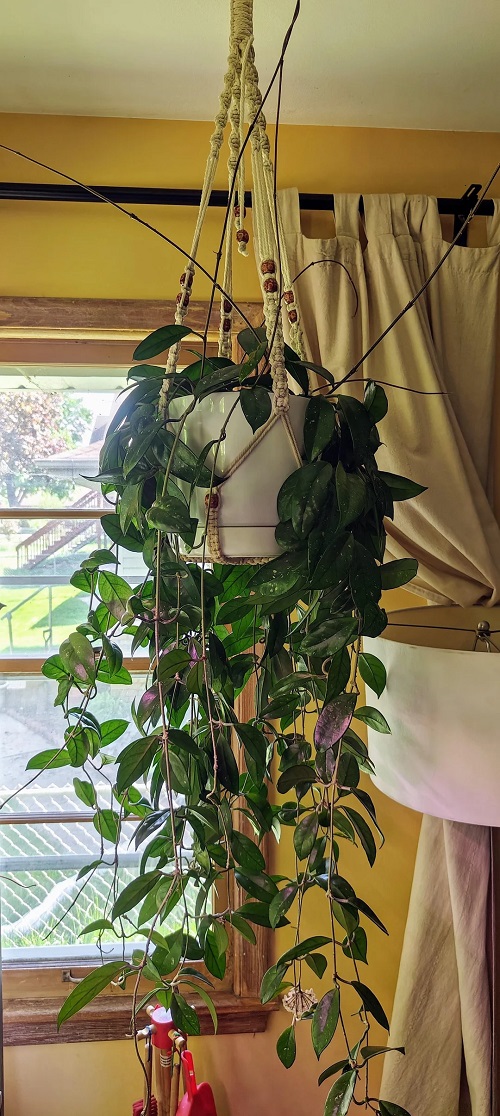
Sometimes a few small changes can happen around the same time and affect your Hoya. You might move it to another spot, water it more often, or place it near a window that gets cold at night. These changes can put stress on the plant, making it harder for the buds to stay on. When your Hoya is getting ready to flower, keep its growing conditions as steady as possible.
What to do: Think back to the days before the buds started falling. Did you move the plant, change your watering routine, or notice colder temperatures? If something stands out, make the necessary adjustment and give your Hoya time to settle. Keep its light and temperature consistent, and check the potting mix before watering. Avoid repotting or pruning unless needed. Making one change at a time will help you figure out what works for your plant.
Will a hoya peduncle flower again after its buds fall off?
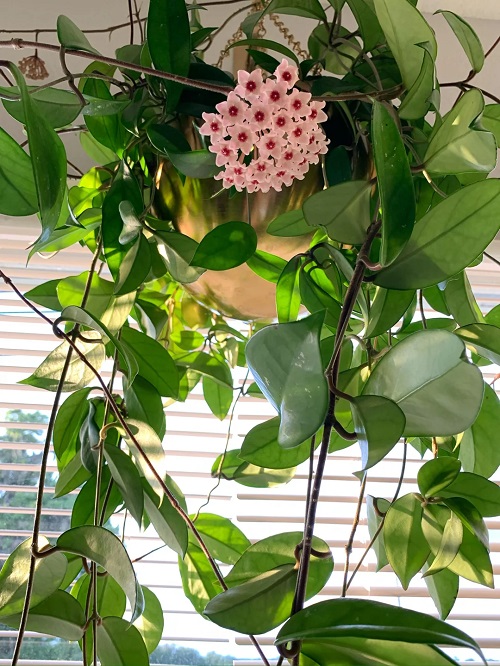
Usually, yes. In Hoya carnosa, the flower stalk can produce new flowers for several years. When buds fall off, they usually separate from their small individual stalks, leaving the main flower stalk intact. Once the growing conditions improve, the same stalk can produce new buds again.
Points to Consider
- Keep your hoya in the same place once the buds appear, and avoid turning the pot.
- Water regularly, allowing the potting mix to dry partly between waterings. Do not let the soil become so dry that the leaves start to shrivel, and never leave the pot sitting in water. Always use room-temperature water.
- Keep night temperatures above the minimum recommended for your hoya species. If your plant needs repotting, wait until flowering has finished.
- Check the flower stalk and the small stalks holding individual buds for pests such as mealybugs, thrips, and scale insects.
Most importantly, do not cut off the flower stalk just because the buds have fallen. Hoya carnosa can produce flowers from the same flower spur for several years. Losing one cluster of buds does not mean the spur is useless. If you cut it off, you may remove the part that could produce flowers again. If your hoya is not producing buds at all, check its growing conditions and flowering needs separately.
Still not sure about your gardening techniques? Get this Hoya Plant Guide to help you at each step.