

As an Amazon Associate, we earn a small commission from qualifying purchases — at no extra cost to you.
Why Is My Winter Squash Rotting in October from the Bottom? Find the causes and learn simple ways to protect the rest of your harvest.
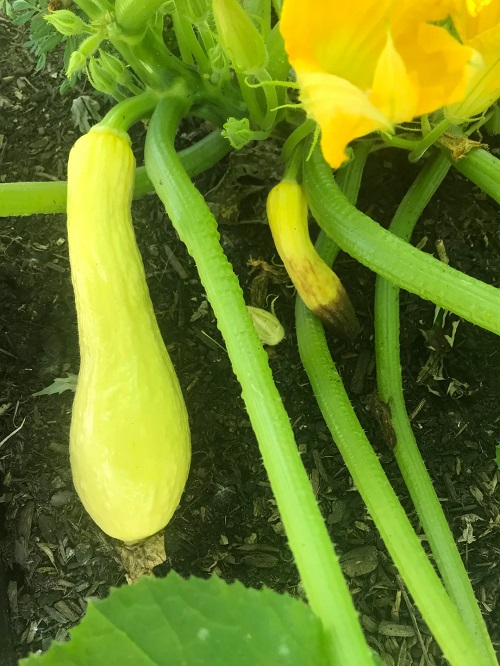
Winter squash is easy to grow, but dark or soft spots at the bottom of the fruit can become a problem in October. These spots may be a sign of blossom-end rot. It can be disappointing to see your butternut, acorn, honeynut, spaghetti, or delicata squash starting to rot just before harvest.
The good news is that you may be able to save the rest of your harvest if you act quickly. First, find out what is causing the rot and take steps to prevent it from spreading to other squash. A few simple changes can help protect the healthy fruits still growing on your plants.
Even if your winter squash looks healthy right now, it helps to know the early signs of rot and what causes them. This way, you can spot a problem early and take action before more of your harvest is affected.
Why Is My Winter Squash Rotting in October from the Bottom?
See this complete indoor garden setup and turn your plant corner into a year-round growing station. Give a quick view at our Amazon Storefront for more such essential needs.
Check the Bottom of Your Winter Squash
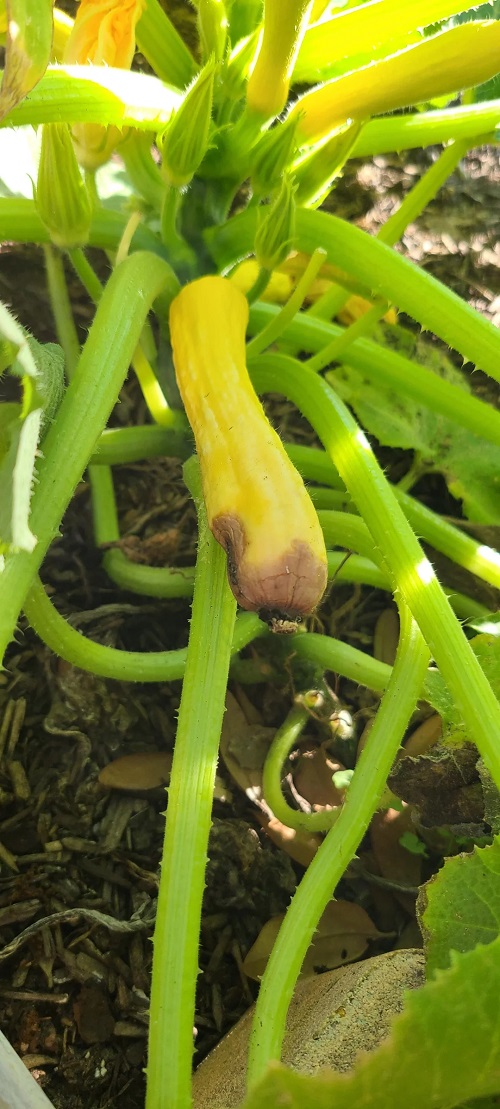
Winter squash that starts rotting from the bottom is usually easy to spot. Look for a discolored patch on the base of the fruit. It may look dark, bruised, or wet. As the problem gets worse, the patch may grow larger and turn brown or black. The affected area may also look flat or slightly sunken. When you press it gently, it may feel softer than the rest of the firm skin.
If the rot has been there for some time, the damaged area may develop a hole, grow mold, or give off a bad smell.
To maintain healthy vines, keep a pair of garden pruners handy for removing damaged squash.
Diagnosis: What Causes the Rot?
You may not be able to save a squash that has already started rotting, but finding the cause can help protect the rest of your harvest. Winter squash growing on the ground can develop rot, but this problem can also affect squash plants growing vertically on a trellis.
Pest Damage
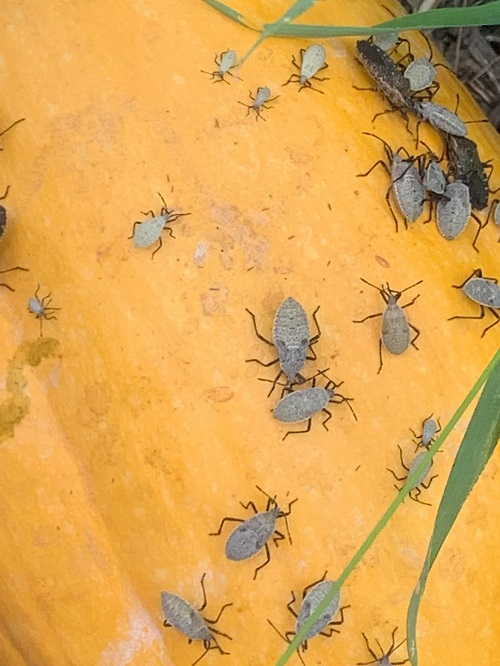
Pests are a less common cause of rot at the bottom of winter squash in October, but they can still be a problem. If insects or other pests chew on the fruit, they leave small wounds where fungi and bacteria can enter and cause rot. Look for bite marks or holes in the skin. These damaged areas are more likely to rot if the squash is touching wet soil.
Protect your hands while inspecting the damaged fruit and removing pests with a pair of gardening gloves.
Wet Ground
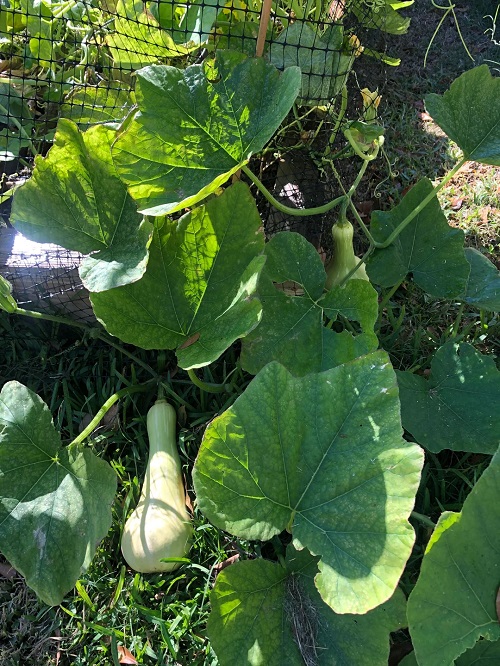
Another common cause of rot is when winter squash sits on wet ground. In October, rain and cooler temperatures can keep the soil damp for longer. When the squash stays in contact with wet soil, its skin can soften. This allows soil-borne fungi and bacteria to attack the fruit and cause rot.
You can tell the difference between rot caused by wet soil and blossom-end rot by looking at the damaged area. If wet ground is the cause, the squash will usually look healthy except for the part touching the soil. With blossom-end rot, the damage is more spread out, although it is usually worse at the bottom of the fruit.
Blossom End Rot
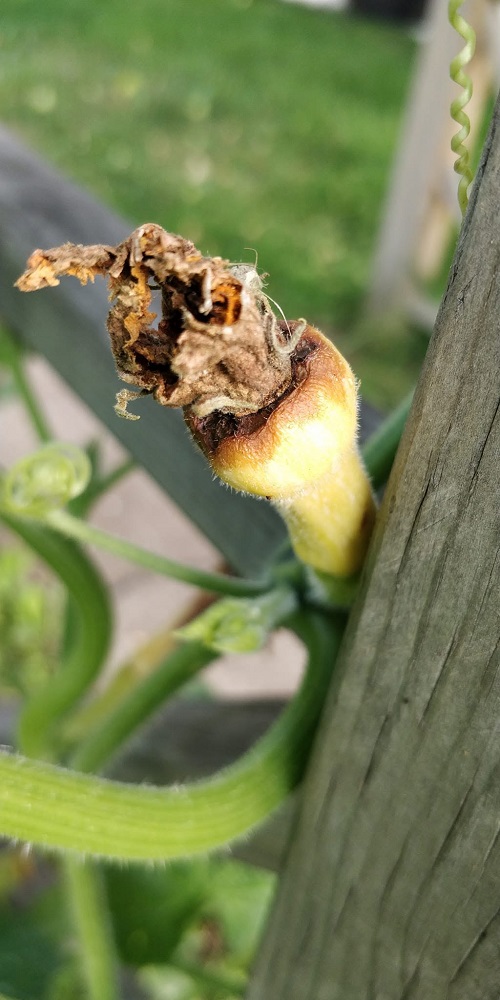
Blossom-end rot is the most common cause of rotting at the bottom of winter squash. It happens when the fruit does not get enough calcium to develop strong cell walls. This does not always mean there is too little calcium in the soil. Often, the plant cannot absorb enough calcium because the soil is too acidic or the watering is irregular. Dry soil can also cause this problem.
If your squash has blossom-end rot, the damaged area at the bottom will usually look brown, sunken, and dry, with a leathery texture. You may also notice that the fruit is misshapen as it grows. This happens because calcium helps build strong cell walls as the squash develops.
Treatment: Protect Your Current and Future Winter Squash Harvests
Check Soil pH
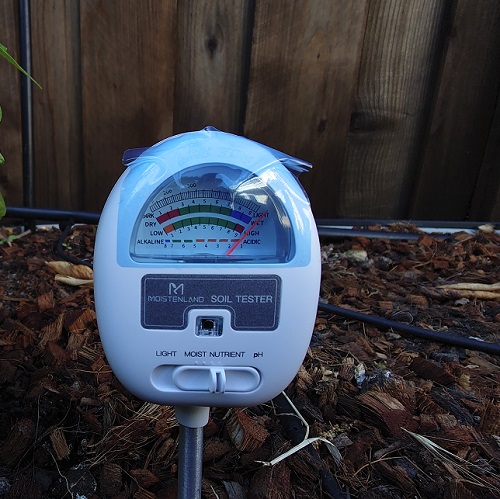
Acidic soil can cause blossom-end rot, so start by checking your soil’s pH level. A soil meter, like this one from Amazon, can measure pH, moisture, temperature, sunlight, and soil fertility. If you only want to check whether your soil is acidic, a simple test kit is a quick and affordable option.
Testing your soil is useful because it can help you find problems that may affect your other crops, too. If the results show that your soil is too acidic, contact your local extension office for advice on how to correct it.
Add a soil testing kit to your gardening products so you can understand the garden’s pH level before making changes.
Improve Airflow
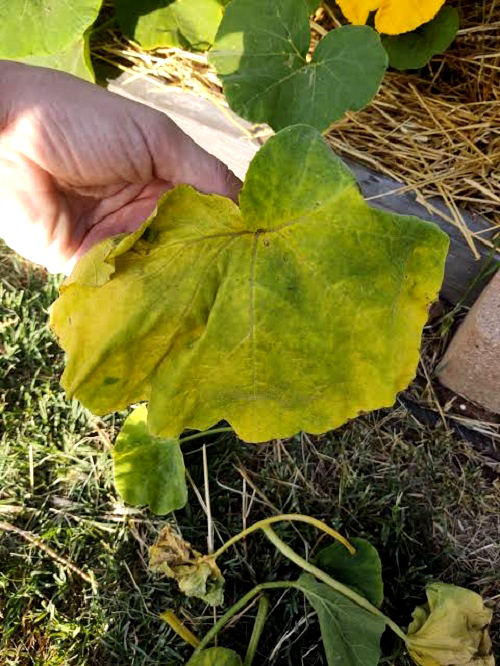
Good airflow around your squash plants helps reduce moisture and lowers the risk of rot. Adding straw to the soil can help by keeping the fruit off damp ground and allowing air to move around it.
Regular plant care also helps. Squash plants can grow thick leaves, so remove any yellow, damaged, or moldy leaves. Avoid cutting off too many healthy leaves because the plant needs them to make food and grow.
Clear away dead leaves and other plant debris from under and around the plants, especially near the fruits. This helps keep the area cleaner and reduces excess moisture.
Remove Rotting Winter Squash
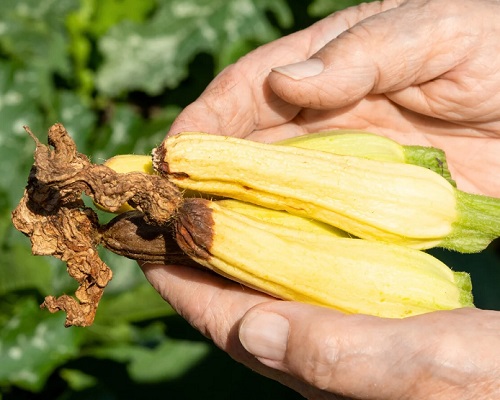
Winter squash with a rotting base usually cannot be saved. The rot may also cause further problems for the plant, so remove affected fruit as soon as you notice the first signs. Use sharp hand pruners to cut the squash from the vine.
If the rot is caused by wet soil or pest damage and you catch it early, you may still be able to eat the squash. Cut away the damaged area, leaving about an inch of healthy flesh around it. Check the inside before cooking. If the flesh is firm, has its usual color, and smells fresh, it may be safe to eat.
If blossom-end rot is the cause, it is best to throw the squash away, even if the damaged spot is small. The calcium problem that causes this type of rot can also affect the fruit’s growth and quality.
Whatever the cause, discard any squash that has extensive rot, feels very soft, leaks liquid, or smells unpleasant.
Keep Squashes off the Ground
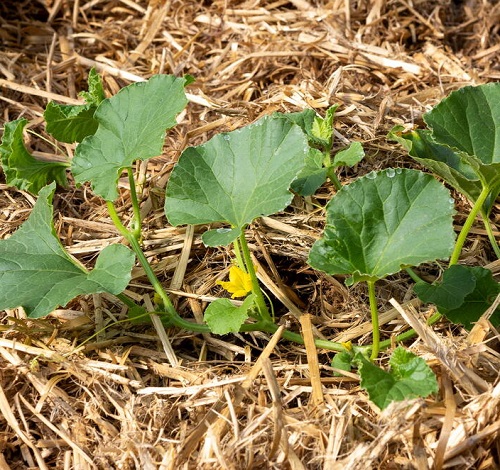
Keeping growing squash off the ground can help prevent rot by stopping the fruit from sitting on damp soil. You can place each squash on a flat rock or wooden plank, or spread a layer of straw under the fruits. Wheat straw is a good option. If a few wheat seeds sprout, the seedlings are easy to pull out because their roots are shallow.
Move young squash carefully to avoid damaging the stems.
Water Consistently
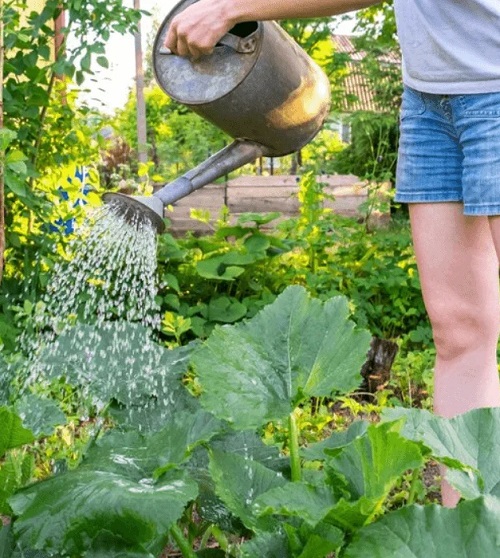
Proper watering can help prevent blossom-end rot in the remaining squash. Keep the soil evenly moist instead of letting it dry out completely before watering again. Water near the base of the plant, close to the soil, and avoid wetting the leaves and fruit. Extra moisture on the squash can lead to rot, especially during the cooler days of fall.
Not sure if your watering schedule is working? A moisture meter can tell you when to water.
Harvest Earlier
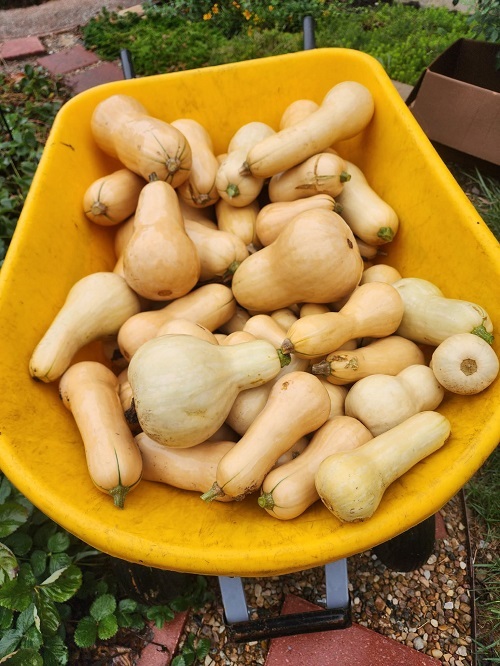
Check your winter squash more often once October arrives, and harvest them as soon as they are ready. The longer they stay outside, the greater the risk of rot. Look for a full, mature color, a hard skin that you cannot easily mark with your fingernail, and a dry, firm stem. These are signs that your squash is ready to harvest.
Winter squash has a hard skin that helps it last in storage. So, even if you have a large harvest, pick the ripe squash as soon as possible to protect it from rotting.
How Zone Affects End Rot
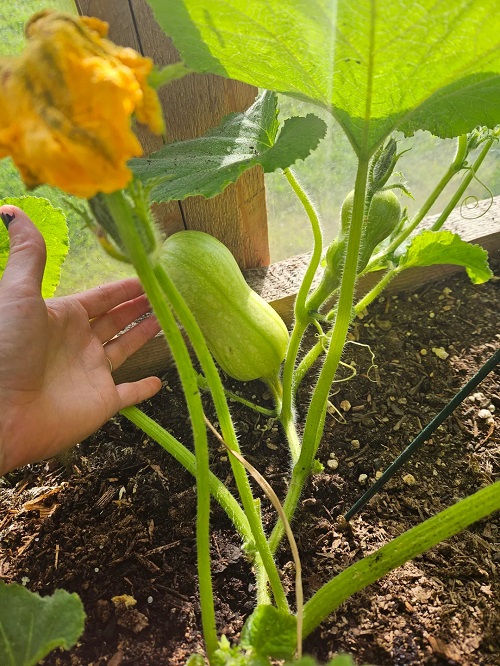
For Garden in a Warmer Zone
In warmer areas, late-season heat and dry soil can make plants use water faster. This can cause soil moisture levels to change quickly. If watering is irregular, these changes can lead to blossom-end rot.
For Garden in a Cold Zone
In colder areas, sudden drops in temperature, shorter days, and damp weather in October can slow root activity. This makes it harder for plants to move calcium to developing squash, which may lead to blossom-end rot.
Protect your healthy harvest from extreme temperatures with a garden row-cover fabric.
Build confidence in your gardening with a Growing Winter Squash For Beginners Handbook on your side table.