
As an Amazon Associate, we earn a small commission from qualifying purchases — at no extra cost to you.
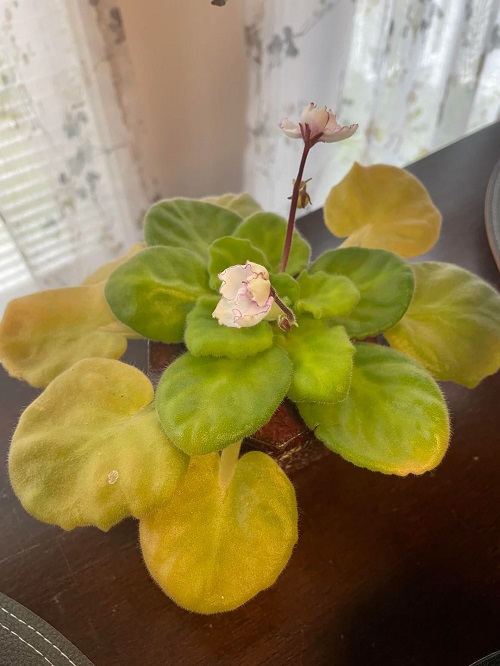
African Violet Leaves Turning Yellow? Find out what causes this issue and learn simple ways to fix the problem and keep your plant healthy.
African violets are popular houseplants because they stay small, have soft green leaves, and produce colorful flowers. They are fairly easy to grow, but they need the right growing conditions to stay healthy.
If you notice yellow leaves on your African violet, there is no need to worry straight away. Older leaves sometimes turn yellow and fall off naturally. However, if several leaves change color, your plant may be reacting to a problem with watering, light, or other growing conditions.
The good news is that many causes of yellow leaves can be corrected. In this article, you will learn why African violet leaves turn yellow and what you can do to help your plant grow healthy again.
African Violet Leaves Turning Yellow
Insufficient Sunlight
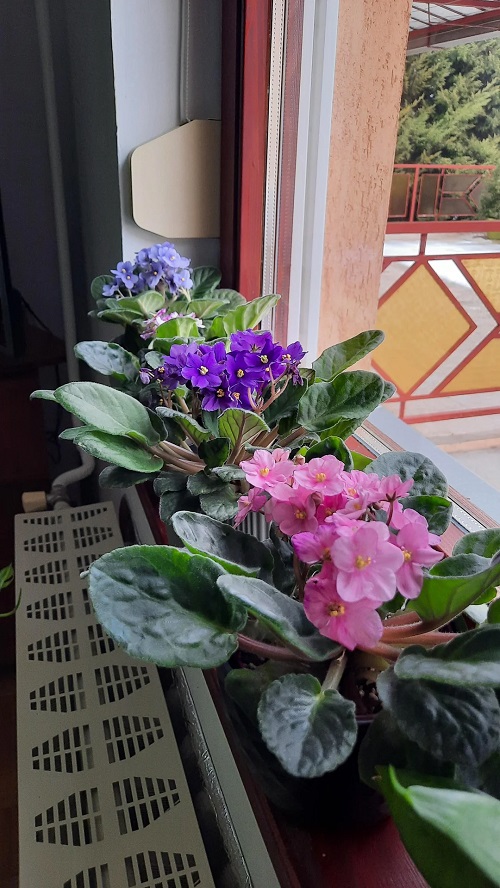
African violets need enough light to grow well. If your plant stays in a dark spot for most of the day, its growth may slow down. The stems may become long and weak, and the leaves may turn yellow. You may also notice fewer flowers.
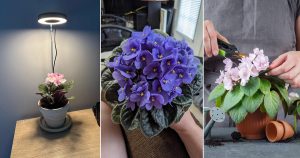
These plants do best with about 10 to 12 hours of bright, indirect light each day. They can also grow under indoor grow lights. Give them a period of darkness at night so they have time to rest.
How to Fix It
Move your African violet to a brighter spot where it gets plenty of indirect light. An east-facing window can be a good choice because it usually receives gentle morning sunlight. If your room does not get enough natural light, use a grow light instead.
Aim for around 10 to 12 hours of light daily, and watch how the plant responds. New leaves and steady growth will help you tell whether the change is working.
Lack of Nutrients
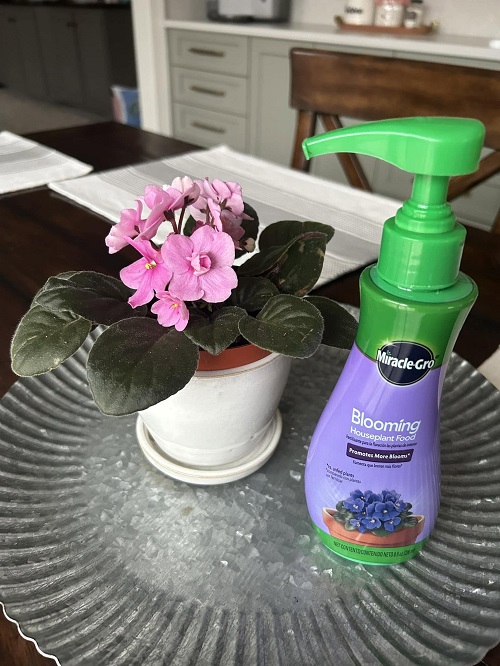
African violets need nutrients to grow and produce flowers. If your plant does not get enough nutrients, its leaves may turn yellow. You may also notice slow growth, fewer flowers, or a plant that looks weak.
How to Fix It
If you have not fed your African violet for a while, try using a fertilizer made for these plants. Follow the instructions on the label to give your plant the right amount.
Be careful not to use too much fertilizer, as this can damage the roots and cause more leaf problems. If a lack of nutrients is causing the yellow leaves, you may notice healthier new growth over the next few weeks.
Too Much Sunlight
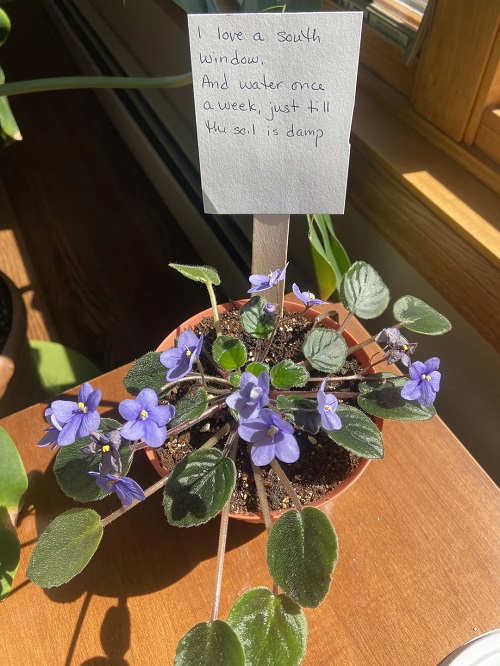
African violets need good light to grow, but direct sunlight can damage their leaves. Too much sun can make the leaves turn yellow. If the plant stays in strong sunlight for too long, brown spots may appear, and the leaves may eventually turn completely brown and die.
How to Fix It
Move your African violet to a spot where it gets bright, indirect light. A south- or west-facing window may be too sunny, especially in the afternoon.
Try placing your plant near an east- or north-facing window instead. You can also move it a little farther from the window or hang a sheer curtain to soften the sunlight.
Water on Leaves
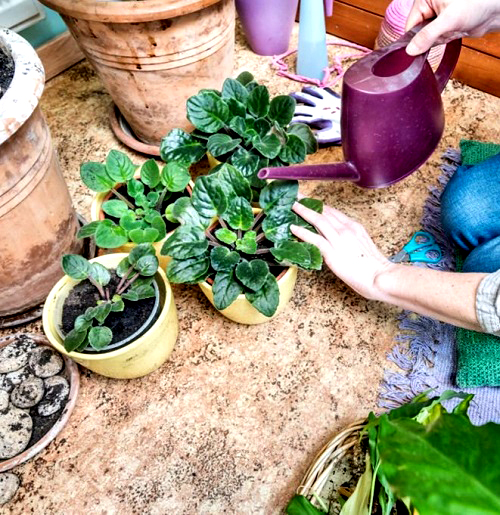
African violet leaves are soft and covered with tiny hairs. They can hold water droplets, and the leaves may develop spots if they stay wet. These plants are also sensitive to water temperature. Cold or hot water on the leaves can damage them, causing yellow spots that may later turn brown.
How to Fix It
Use room-temperature or slightly lukewarm water when watering your African violet. If you water from above, pour the water slowly onto the soil and try to keep it off the leaves.
You can also water from below. Place the pot in a saucer of water and let the soil absorb moisture through the drainage holes. After about 15 minutes, remove the pot and pour away any leftover water. Make sure the pot has drainage holes so excess moisture does not collect around the roots.
Pest Infestation
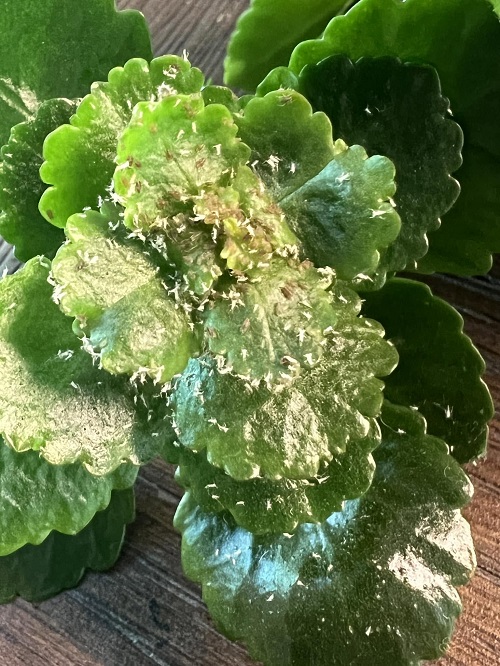
African violets can sometimes attract pests that damage their leaves. You may notice yellow leaves, curled edges, or leaves that look misshapen. Look closely under the leaves and around the stems, as small insects may be hiding there.
Common pests that affect African violets include scale insects, mites, mealybugs, and aphids. If you spot insects or groups of tiny bugs on your plant, pests may be the reason your violet is struggling.
How to Fix It
Move the affected plant away from your other houseplants to stop the pests from spreading. Try to identify the insect first, as different pests may need different treatments.
If there are only a few insects, you may be able to remove them by hand or with a cotton swab, using a suitable treatment if needed. For a larger infestation, use an insecticide labelled for indoor plants and safe for African violets. Follow the product instructions carefully, and test it on a small part of the plant first to check for damage.
Soil Issues
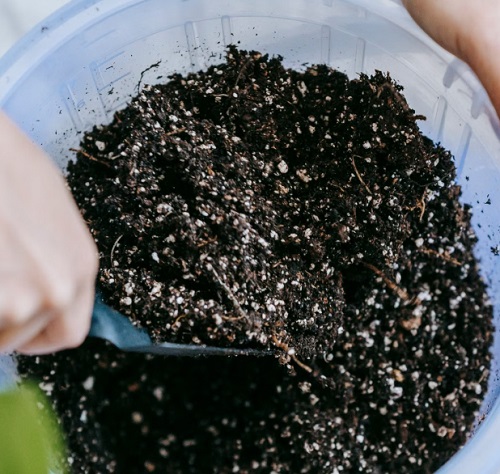
African violets grow best in light, loose soil that drains well. If the soil becomes hard, stays wet for too long, or no longer provides enough nutrients, your plant may start to look unhealthy. Yellow leaves can be one sign that the soil needs replacing.
If you have checked the watering, light, and fertilizer and your plant is still struggling, it may be time to repot it.
How to Fix It
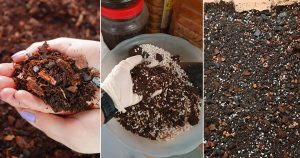
Choose a potting mix made for African violets. These plants usually grow well in small pots, so you may be able to reuse the same pot if the roots still have enough room.
Gently take the plant out of its pot and remove some of the old soil. Check the roots and trim away any that are dead or rotten. Clean the pot before adding fresh potting mix and planting your violet again.
Fresh soil can help a struggling plant, especially if the old mix has become compacted or has been in the pot for a long time. After repotting, water carefully and let the excess drain away.
Natural Plant Aging
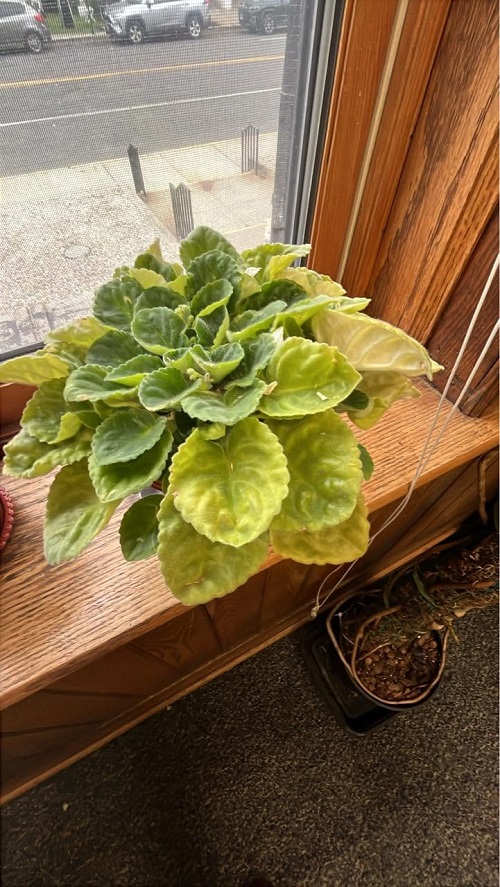
Sometimes, yellow leaves are just part of an African violet’s natural growth. As the plant gets older, the lowest leaves turn yellow and eventually die to make room for new growth. If the rest of the plant looks healthy, there may be nothing to worry about.
How to Fix It
If only one or two older leaves near the bottom turn yellow, gently remove them. Your plant should continue to grow new leaves from the center.
However, if many leaves turn yellow at once, do not assume they are all old. Check the plant’s watering, light, soil, and roots to find the cause.