
As an Amazon Associate, we earn a small commission from qualifying purchases — at no extra cost to you.
Not sure which feed your houseplants need? Check the Best Fertilizers for Indoor Plants and choose an option that fits your plants.
Keeping indoor plants healthy is not just about watering them. They also need the right nutrients as they grow. The Best Fertilizers for Indoor Plants can give your plants the extra feed they need, especially when growth slows or leaves start looking less healthy.
Why Do Indoor Plants Need Fertilizer?
Every time a plant grows a new leaf, stem, root, or flower, it uses nutrients from the potting mix. Unlike plants growing outdoors, houseplants have a limited supply of soil and don’t receive nutrients from rain or surrounding organic matter. Fertilizer helps replace some of those nutrients.
Most fertilizers contain three major nutrients:
Nitrogen (N): Supports leafy, green growth.
Phosphorus (P): Plays a role in root development and flowering.
Potassium (K): Supports overall plant health and helps plants handle stress.
The right nutrients balance depends on the plant. A leafy Monstera may have different nutritional needs than a flowering African violet or a cactus.
9 Indoor Plant Fertilizers to Consider
Keep in mind that these categories can overlap. A fertilizer can be organic and liquid, balanced and slow-release, or specially formulated for succulents while also coming in a liquid or granular form.
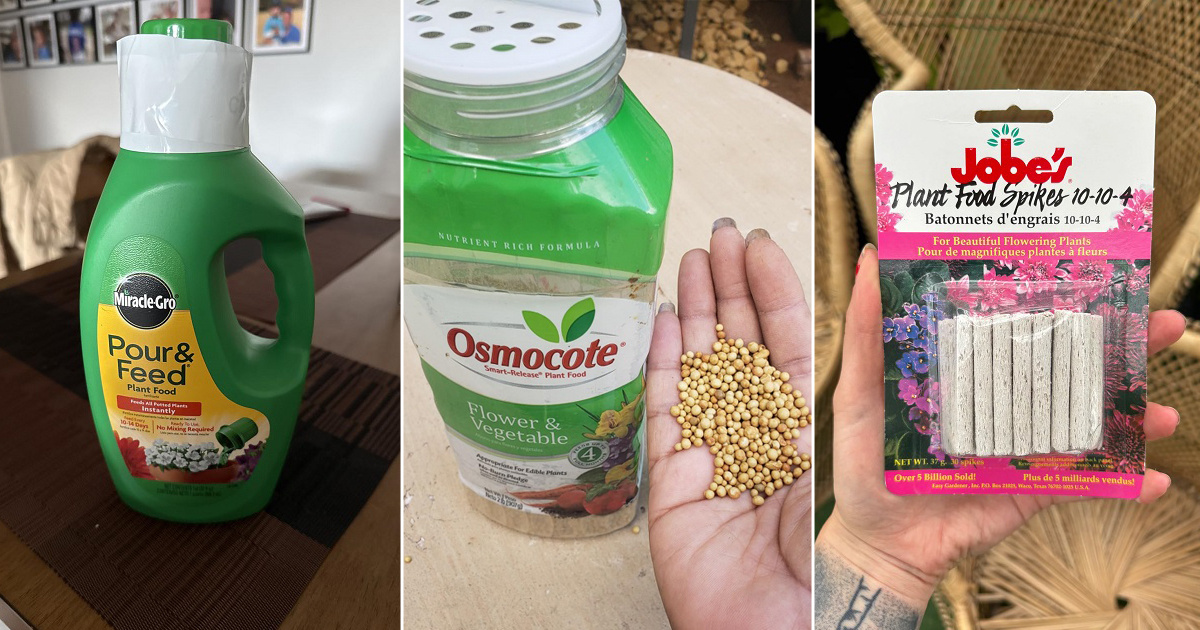
1. Liquid Fertilizer for Easy Feeding
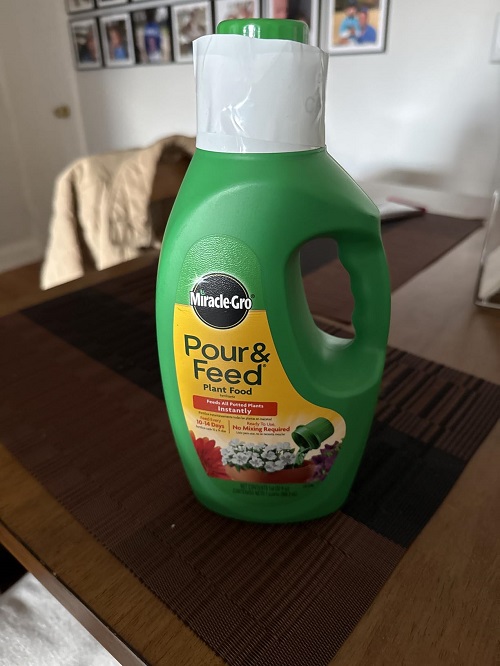
Liquid fertilizer is one of the simplest choices for houseplants. Mix it with water and apply it while watering — an easy way to control exactly how much your plants get.
This works especially well if you have several different foliage plants, since you can adjust the concentration rather than applying a fixed dose to the soil.
Good for: Monstera, pothos, philodendrons, spider plants, ZZ plants, and other foliage houseplants.
Buying tip: Look for a concentrated formula that clearly explains how much fertilizer to dilute with water.
Shop a liquid indoor plant fertilizer for easy, controlled feeding.
2. Slow-Release Fertilizer
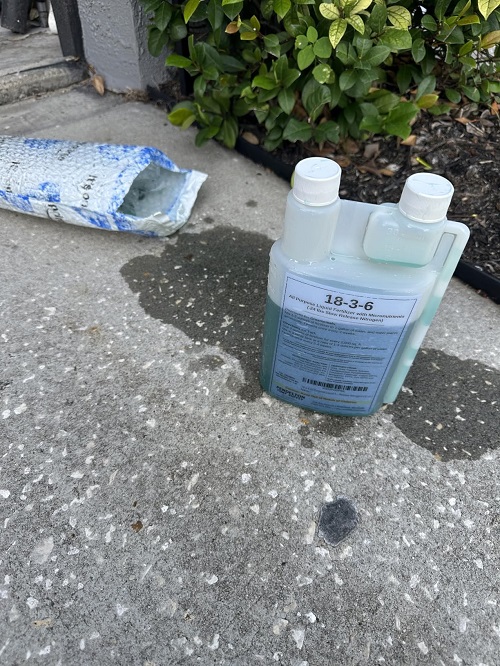
If remembering fertilizer applications is a challenge, slow-release granules make plant care easier. These products gradually release nutrients into the potting mix instead of delivering everything at once — some formulas feed plants for several months, depending on the product and growing conditions.
Good for: Busy plant parents, large indoor plant collections, and foliage plants that need regular but controlled feeding.
Buying tip: Check how long the product is designed to feed your plants and follow the dosage for your pot size.
Shop slow-release plant fertilizer for indoor plants
3. Organic All-Purpose Fertilizer
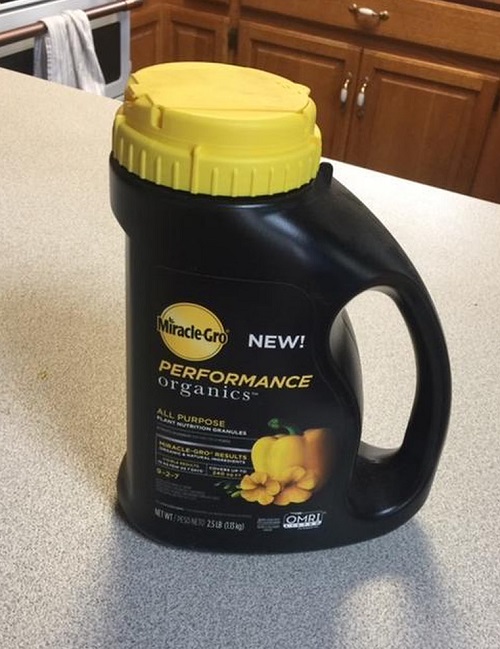
Organic fertilizers are made from natural sources and are a good option if you prefer a more natural approach to plant care. They come in liquid, powder, and granular forms, often built around ingredients like kelp, fish meal, bone meal, or other plant-based nutrients.
Good for: Plant owners who prefer organic gardening products and want one fertilizer for several types of plants.
Buying tip: Check the product label for its nutrient analysis and application instructions.
If you prefer organic gardening, try an organic fertilizer for your houseplant.
4. Balanced NPK Fertilizer
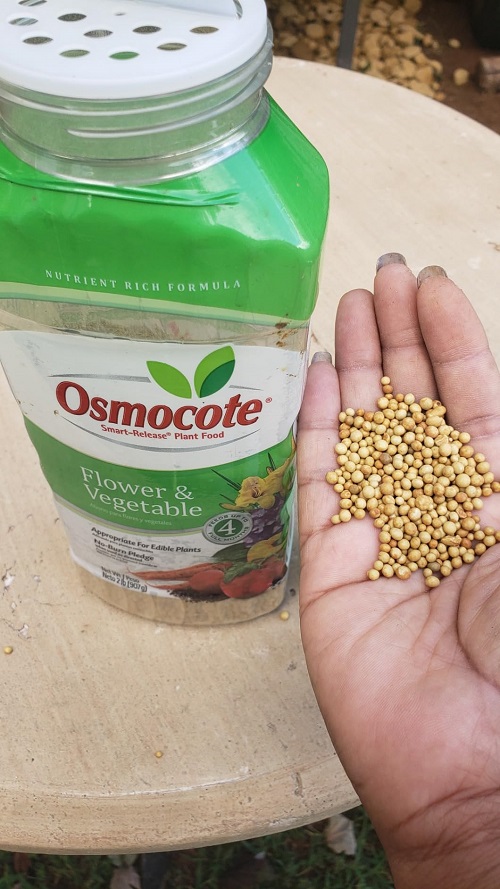
A balanced fertilizer provides nitrogen, phosphorus, and potassium in relatively even proportions. It can be a practical option when you want one general-purpose fertilizer for a collection of different houseplants. However, balanced does not automatically mean better for every plant. Always consider the individual plant’s needs.
Good for: Mixed houseplant collections.
Buying tip: Look at the N-P-K numbers printed on the package before buying.
Keep your everyday houseplants fed with a balanced NPK fertilizer made for indoor use.
5. Fertilizer for Flowering Houseplants
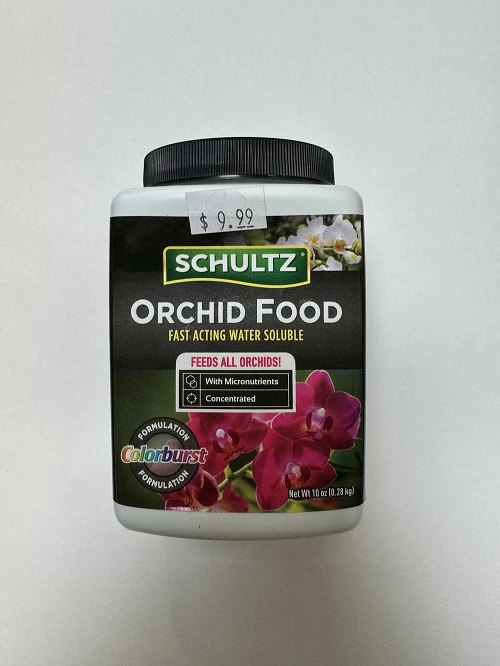
Plants grown for their flowers can have different nutritional requirements from foliage plants. A fertilizer formulated for flowering plants may emphasize nutrients that support blooming.
This can be useful for plants such as African violets, orchids, Christmas cactus, and other indoor flowering varieties.
Good for: Flowering houseplants.
Buying tip: Don’t simply choose a fertilizer because it has a high phosphorus number. Follow the recommended application rate and consider the specific plant.
Help support your flowering houseplants with a fertilizer formulated for blooms.
6. Cactus and Succulent Fertilizer
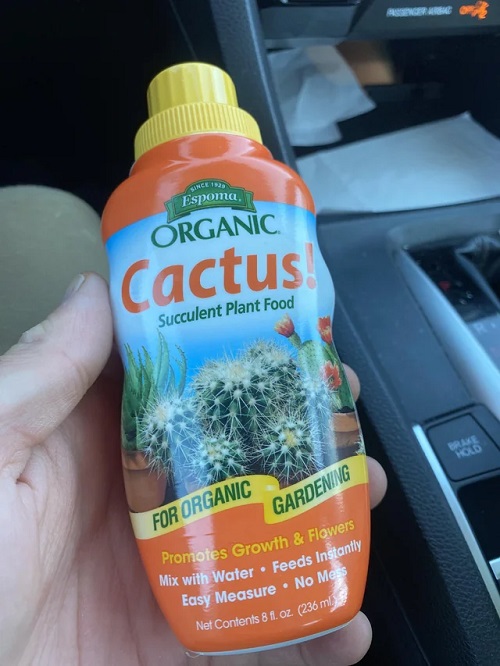
Cacti and succulents generally don’t need frequent feeding, so a fertilizer formulated specifically for these plants can be convenient. Many succulent fertilizers are designed to be used at lower concentrations or less frequently than general-purpose plant food.
Good for: Aloe vera, jade plants, echeveria, haworthia, Christmas cactus, and other succulents.
Buying tip: Choose a formula with clear instructions for succulents and avoid applying more than recommended.
Give your cacti and succulents a gentle feed with a fertilizer made specifically for their needs.
7. Fertilizer Spikes
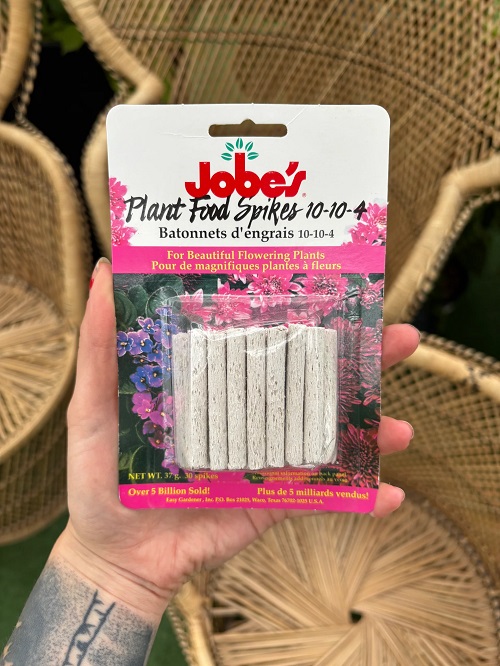
Fertilizer spikes are pressed directly into the potting soil. They can be convenient if you don’t want to measure liquid fertilizer every time you water.
Because the nutrients are concentrated in a small area, placement and dosage matter.
Good for: Plant owners who prefer a simple, mess-free application.
Buying tip: Choose spikes appropriate for the plant and pot size, and don’t add extra fertilizer on top unless the product instructions say to do so.
Skip the measuring and make feeding easier with convenient indoor plant fertilizer spikes.
8. Granular Plant Food
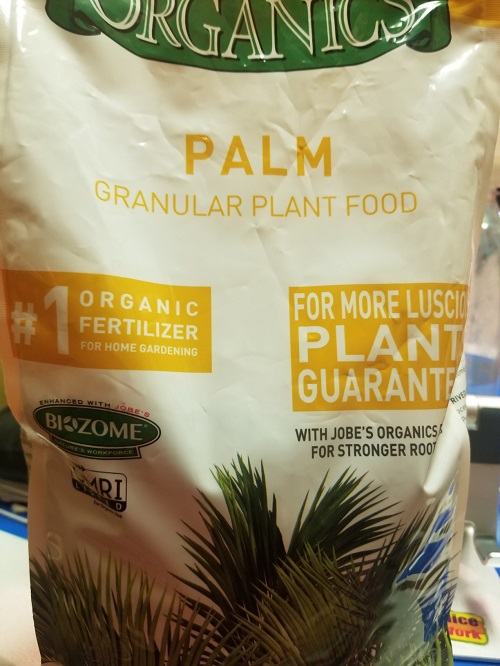
Granular fertilizer can be mixed into potting soil or worked into the top layer of soil around an established plant.
It can be economical, particularly if you have many plants, but measuring the correct amount is important. Too much fertilizer can cause problems such as salt buildup and root damage.
Good for: Larger plant collections and gardeners who prefer dry fertilizers.
Buying tip: Pay close attention to the dosage instructions instead of estimating the amount.
Have several houseplants to feed? Try a granular plant food for an easy dry-feeding option.
9. Kelp-Based Plant Supplements
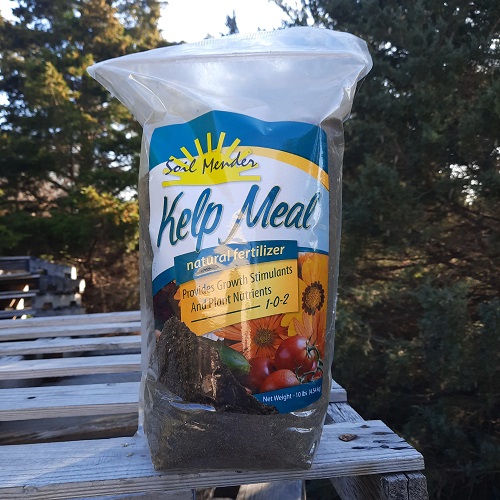
Kelp-based products are another option for indoor gardeners. Rather than thinking of them as a replacement for every type of fertilizer, check the label to see what nutrients the particular product actually provides.
Some kelp products are marketed as supplements intended to support overall plant growth and root development.
Good for: Plant owners looking to add a kelp-based supplement to their regular plant-care routine.
Buying tip: Check the nutrient analysis because not every kelp product provides the same amount of N-P-K.
Add a kelp-based plant supplement to your routine if you’re looking for an extra option for your indoor garden.
How to Choose the Right Indoor Plant Fertilizer
Check the N-P-K Ratio
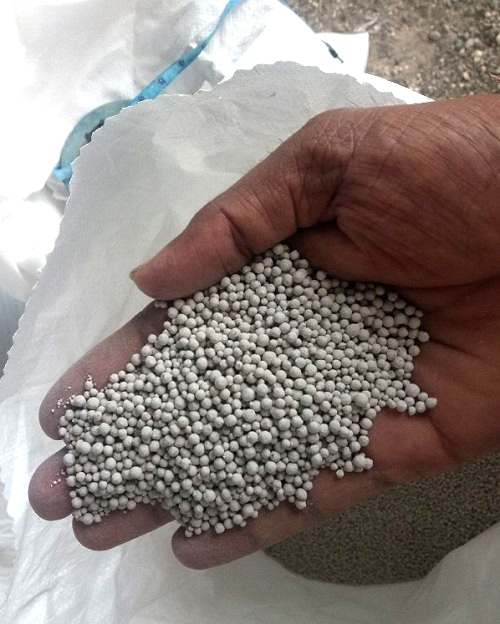
The three numbers on fertilizer packaging represent nitrogen, phosphorus, and potassium.
For example, a fertilizer labeled 10-10-10 contains equal percentages of these three nutrients by weight.
That doesn’t mean every plant needs a 10-10-10 fertilizer. Instead, use the numbers as a starting point and match the product to your plant’s needs.
Think About Your Plant Collection
If you mostly grow pothos, philodendrons, Monstera, spider plants, and other foliage plants, a general indoor plant fertilizer may be enough.
If you grow orchids, African violets, succulents, or fruiting plants, you may want a product designed specifically for those plants.
Decide How Often You Want to Fertilize
Liquid fertilizer gives you more control but usually requires more frequent applications.
Slow-release products require less maintenance but aren’t as easy to adjust once they’ve been added to the soil.
If you often forget feeding days, a slow-release option may fit your routine better.
Consider Organic vs. Synthetic
Neither type is automatically better for every houseplant; the important factors are the nutrients provided, the plant’s needs, and how the product is applied.
If organic gardening matters to you, look for products clearly labeled for organic gardening and check whether they carry an appropriate organic certification.
Don’t Ignore the Application Instructions.
More fertilizer does not mean faster growth. Over-fertilizing can lead to salt buildup in the potting mix and may damage roots. Always use the amount recommended on the product label.
When Should You Fertilize Indoor Plants?
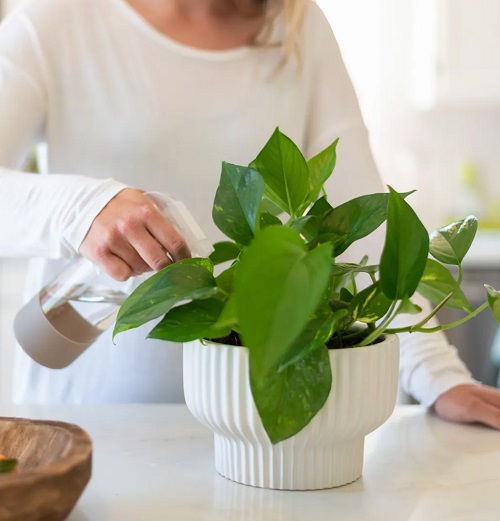
Most houseplants benefit from feeding during periods of active growth, generally from spring through summer and sometimes into early fall depending on the plant and growing conditions.
Many plants grow much more slowly during winter, particularly when light levels are low. During this period, their fertilizer requirements may decrease.
However, there is no universal schedule for every houseplant. Tropical plants growing under strong artificial lighting, for example, may continue growing when outdoor conditions are less favorable.
The best approach is to check your plant’s specific needs and follow the fertilizer manufacturer’s instructions.
Signs You May Be Over-Fertilizing
Adding too much fertilizer can do more harm than good. Watch for:
- Brown or scorched leaf edges
- White or crusty buildup on the soil
- Wilting despite adequate moisture
- Damaged roots
- Sudden decline after fertilizing
If you suspect fertilizer buildup, stop feeding and review the product’s recommended dosage and application frequency.
How to Fertilize Indoor Plants Safely
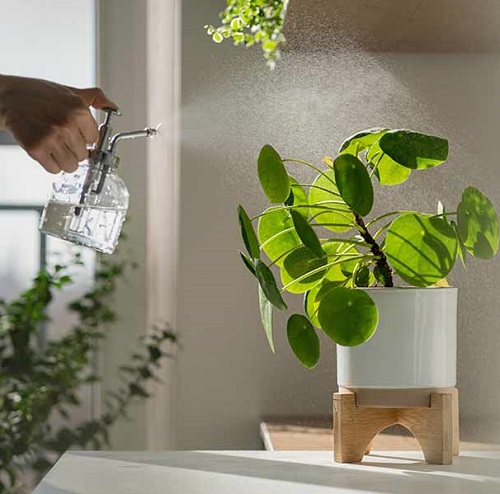
A few simple habits can make fertilizer use safer:
- Read the label before mixing or applying fertilizer.
- Measure liquid concentrates instead of guessing.
- Use the recommended amount for your pot size.
- Don’t combine several fertilizers unless the instructions specifically allow it.
- Avoid feeding plants that are severely stressed unless their care instructions recommend it.
- Reduce or pause feeding when the plant enters dormancy or slows down significantly.
- Keep fertilizer away from children and pets and store it according to the product label.
What About Newly Repotted Plants?
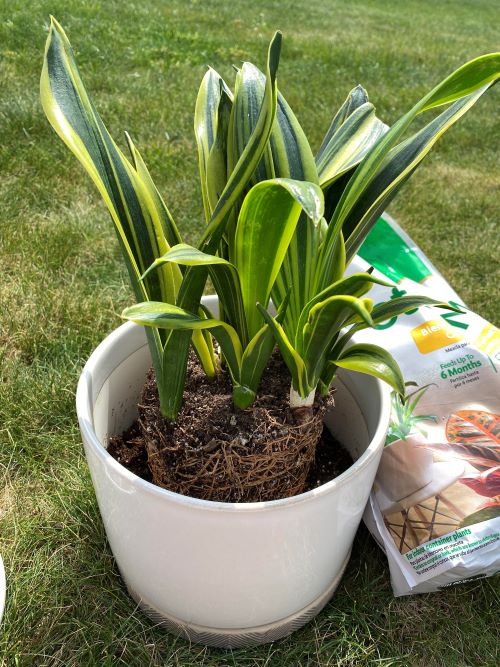
Fresh potting mixes often contain nutrients already, particularly mixes designed specifically for houseplants. Because of this, you may not need to fertilize immediately after repotting. Check the potting mix label and wait until the plant has settled and resumed active growth before starting a regular feeding routine.
Ready to feed your houseplants? Check out the guide for making your feeding easier.