
As an Amazon Associate, we earn a small commission from qualifying purchases — at no extra cost to you.
Is your Ficus elastica struggling? Change this one watering habit for a Healthier Rubber Plant, better growth, and strong roots indoors.
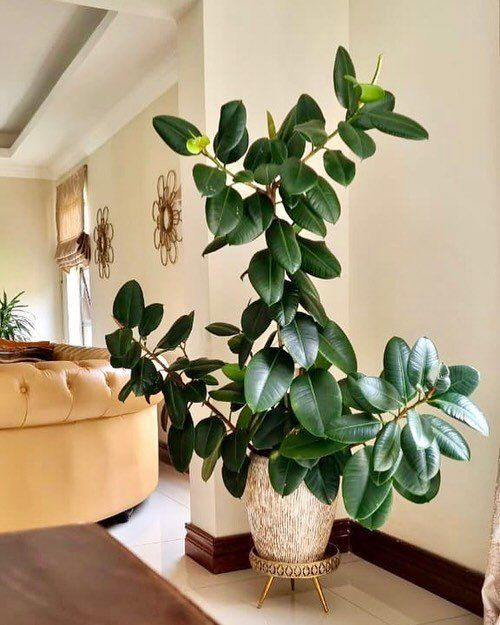
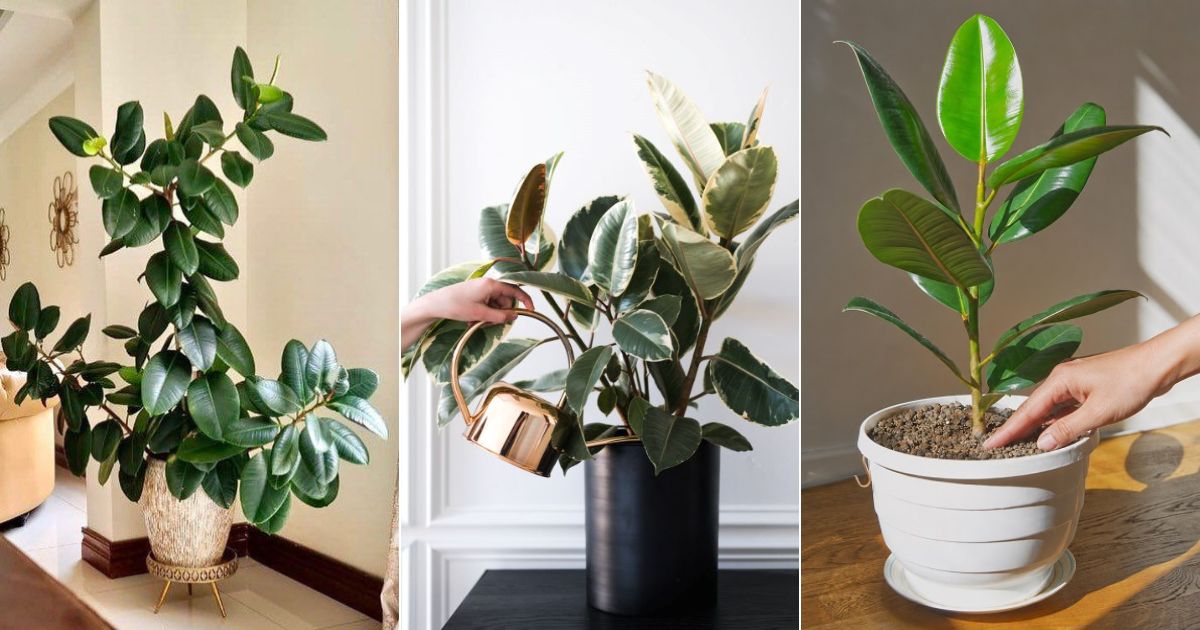
Rubber plants often struggle because of simple watering mistakes. Too much water can weaken roots, while dry soil can slow growth. Change This One Watering Habit for a Healthier Rubber Plant to help your indoor plant grow stronger leaves and healthier roots. A small change in your routine can make a big difference over time.
Why Watering Habits Matter for Rubber Plants
Rubber plants can grow thick leaves and strong stems when they get the right amount of water. Many people water them too often because the top layer of soil looks dry. This keeps the roots wet for too long. Wet roots struggle to take in oxygen. Over time, leaves may turn yellow, droop, or fall off. A healthy watering routine keeps the roots active and supports steady growth indoors.
Change This One Watering Habit for a Healthier Rubber Plant
The One Watering Habit You Should Change
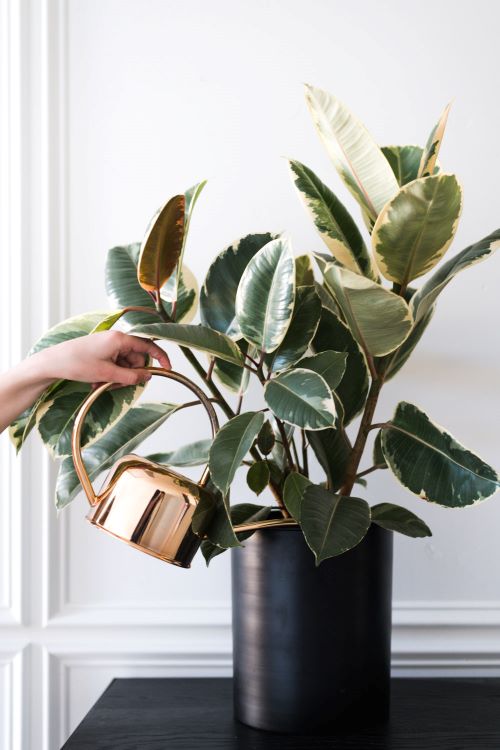
The biggest watering mistake is giving small amounts of water too often. This keeps the upper soil damp while the lower roots stay weak. Instead, water deeply and wait until part of the soil dries before watering again. Deep watering helps moisture reach all the roots. It also encourages the roots to grow deeper and stronger. This simple change can improve leaf color and make the plant look fuller.
How to Know When Your Rubber Plant Needs Water
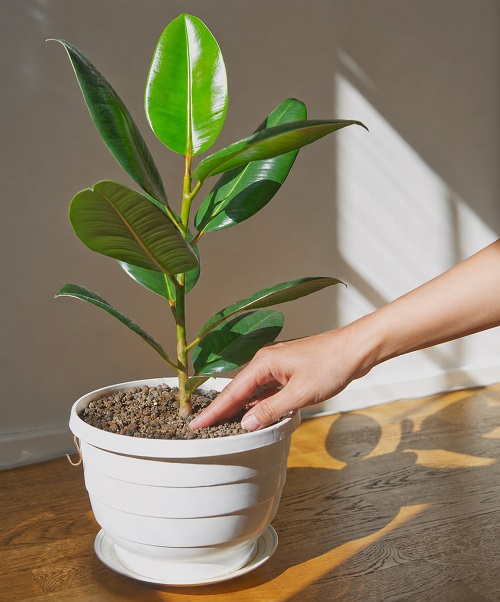
Do not water your rubber plant on the same day every week without checking the soil first. Indoor temperature, humidity, and light can change how fast the soil dries. Push your finger about two inches into the soil. If it feels dry at that depth, it is usually time to water. If the soil still feels cool and damp, wait a few more days before watering again.
Water the Soil Slowly and Evenly
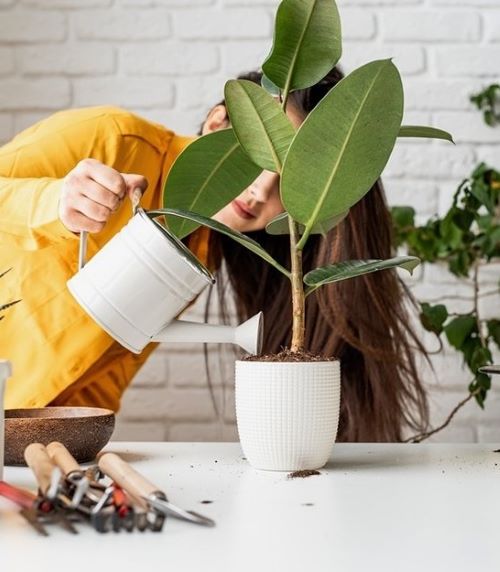
When watering, pour water slowly around the entire surface of the pot. Avoid dumping all the water in one spot. Slow watering helps the soil absorb moisture evenly. It also prevents dry pockets from forming around the roots. Keep watering until excess water drains from the bottom holes. This flushes out trapped salts and helps the roots stay healthier over time.
Do Not Leave Water Sitting in the Tray
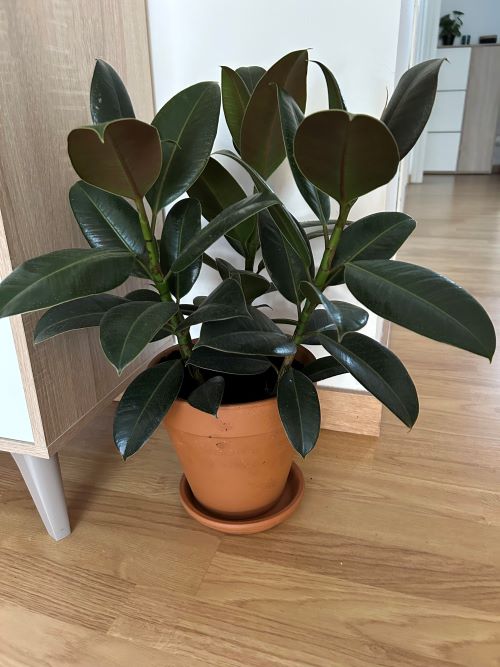
Many rubber plants suffer because extra water stays trapped under the pot. After watering, empty the tray or saucer within a few minutes. Roots sitting in water for long periods can start to rot. Root rot weakens the plant and may cause black spots or soft stems. Good drainage keeps the root system healthy and lowers the chance of fungal problems indoors.
Adjust Watering During Different Seasons
Rubber plants do not need the same amount of water all year. During spring and summer, the plant grows faster and uses more moisture. The soil may dry more quickly during warm weather. In fall and winter, growth slows down. Watering too often during cooler months can lead to soggy soil. Always check the soil first instead of following a fixed watering schedule.
Choose the Right Pot and Soil
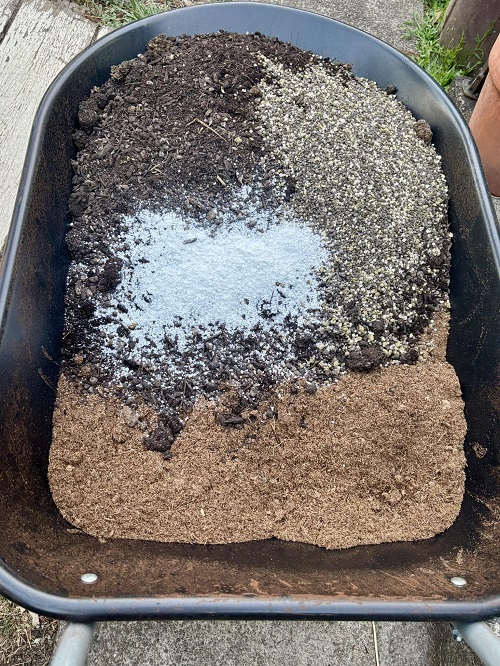
Even the best watering habit will not help if the soil stays heavy and compacted. Rubber plants grow best in loose soil that drains well. A pot with drainage holes is also important. Without drainage, extra moisture stays trapped around the roots. Healthy soil allows air to move through the pot and helps roots stay strong after each watering session.
Watch for Signs of Overwatering
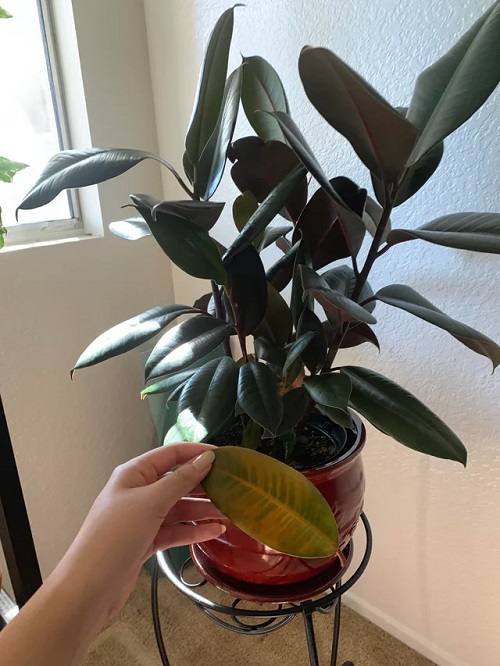
Overwatered rubber plants often show warning signs before serious damage happens. Leaves may turn yellow, feel soft, or drop suddenly. The soil may also smell sour or stay wet for many days. Slow growth can also point to root problems. If you notice these signs, allow the soil to dry more before watering again. Improving airflow around the plant can also help.
Watch for Signs of Underwatering
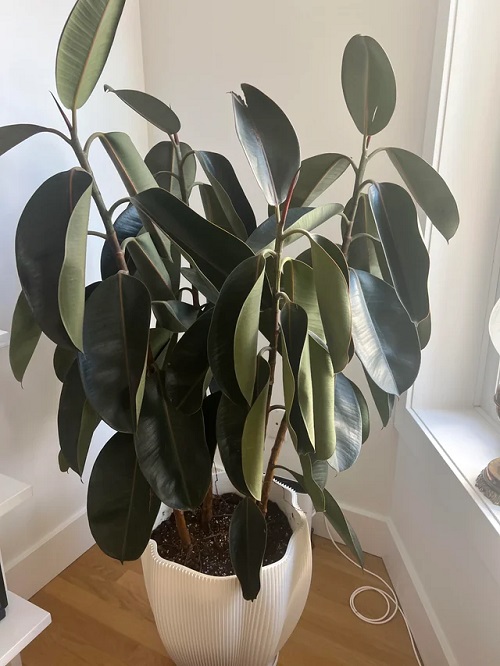
A rubber plant can also struggle if the soil becomes too dry for long periods. Leaves may curl, droop, or develop crispy brown edges. The plant may look dull and stop producing new growth. Dry soil can pull away from the sides of the pot. Water deeply when this happens so the roots can absorb moisture evenly again.
Build a Better Watering Routine
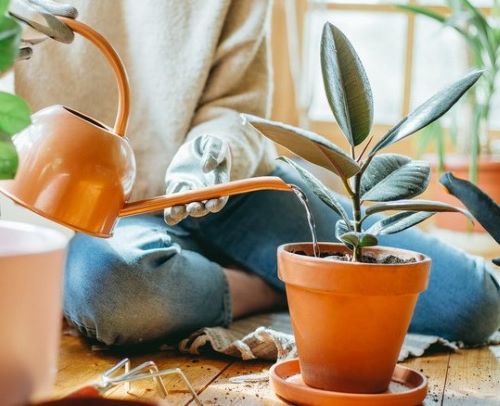
Healthy rubber plants usually do better with careful observation instead of strict schedules. Check the soil often and pay attention to leaf condition. Deep watering followed by proper drying time keeps the roots balanced. This simple habit supports steady growth and stronger leaves. Over time, your rubber plant can become fuller, greener, and easier to maintain indoors.