
As an Amazon Associate, we earn a small commission from qualifying purchases — at no extra cost to you.
Follow this simple Horseradish Growing Guide for Beginners and learn planting, care, harvesting, and more.
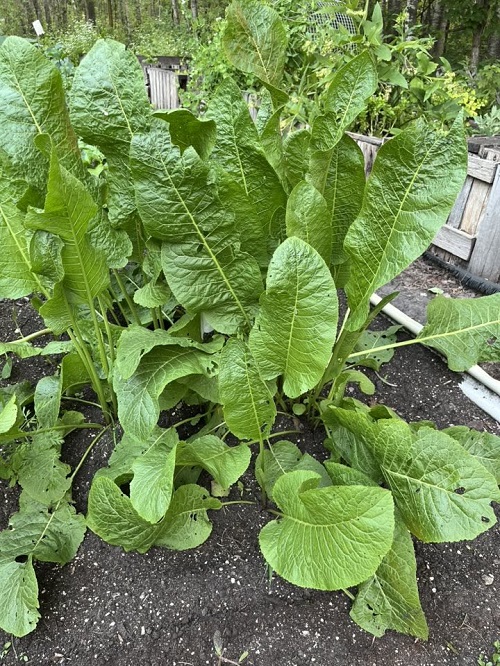
Horseradish isn’t a plant you need to baby. Give it a sunny spot, decent soil, and enough room for the roots to grow, and it will usually take care of itself. In fact, the bigger problem is often keeping it from spreading farther than you intended.
This hardy perennial is grown mainly for its long, pungent roots, which are harvested and grated fresh or turned into sauces and condiments. If you’ve never grown it before, the good news is that you don’t need much gardening experience to get started.
Here’s how to grow horseradish and what to expect along the way.
Horseradish Growing Guide for Beginners
Get a complete indoor plant-care kit and keep the essential tools together for watering, pruning, potting and everyday plant care. Also, you can get all the necessary items for gardening at our Amazon Storefront.
Where Should You Plant Horseradish?
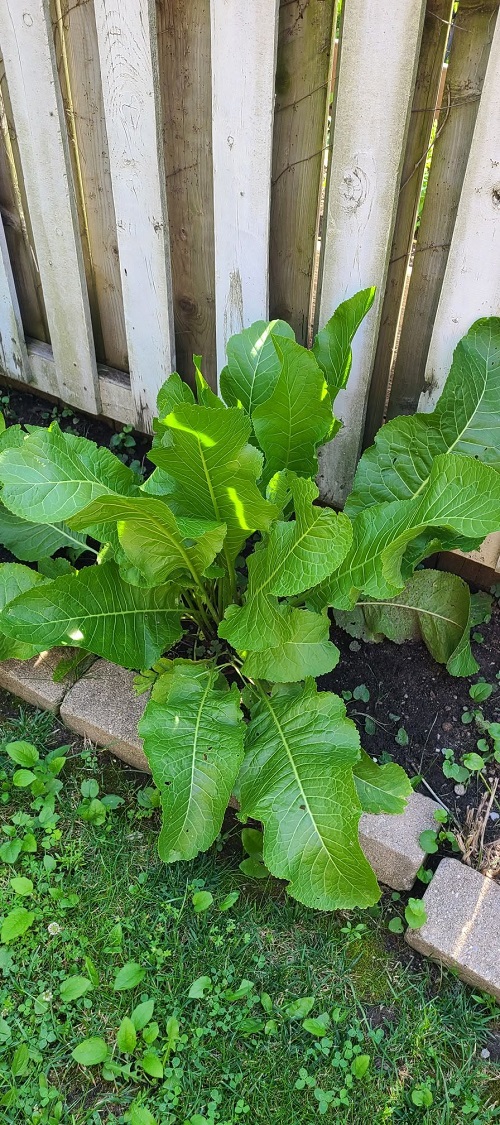
Pick a spot that gets at least 6 hours of sunlight a day. Horseradish can tolerate some shade, but good sunlight encourages stronger growth and better roots.
Before planting, think about the location carefully. Horseradish is a perennial, and bits of root left behind can grow into new plants. Once it settles into a garden bed, getting rid of every piece can be surprisingly difficult.
If you aren’t sure you want it spreading through your garden, a large container is a much safer option.
For in-ground planting, choose a place where you won’t mind having horseradish for years. Keep the plants about 18 inches apart if you’re growing more than one.
Use this large- sized ceramic pot for your plant.
What Kind of Soil Does Horseradish Need?
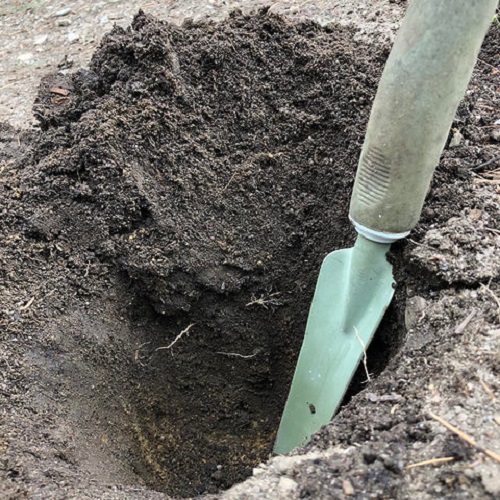
Horseradish grows best in loose, fertile soil that drains well. The roots need to push downward without meeting hard clay, rocks, or compacted soil.
Before planting, loosen the soil to around 12 inches deep. Remove stones and break up any large clumps. Adding some compost can improve the soil structure and give the plant a good start.
Don’t make the soil too wet, though. Horseradish likes moisture but doesn’t appreciate sitting in soggy ground. Poor drainage can lead to unhealthy or rotting roots.
If your garden soil is heavy and difficult to dig, growing horseradish in a container may be easier.
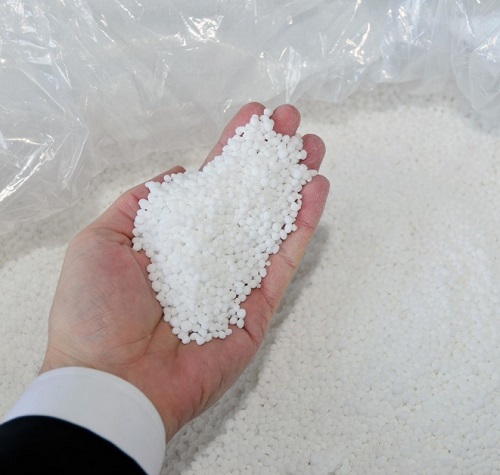
You can use these Coco Coir Pellets to make the drainage system better for your plant.
Can You Grow Horseradish From a Root?
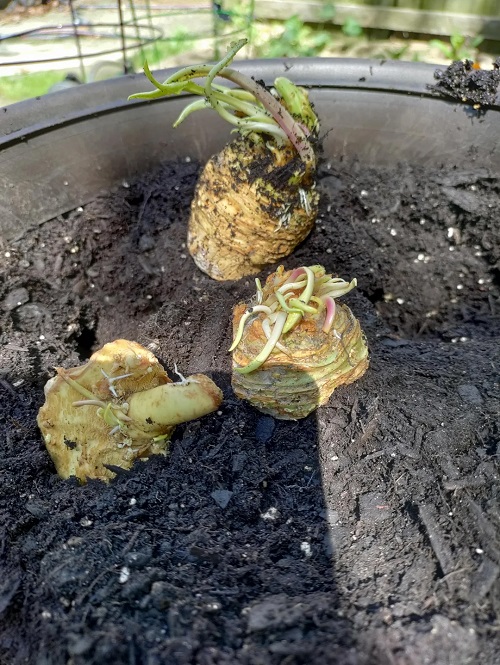
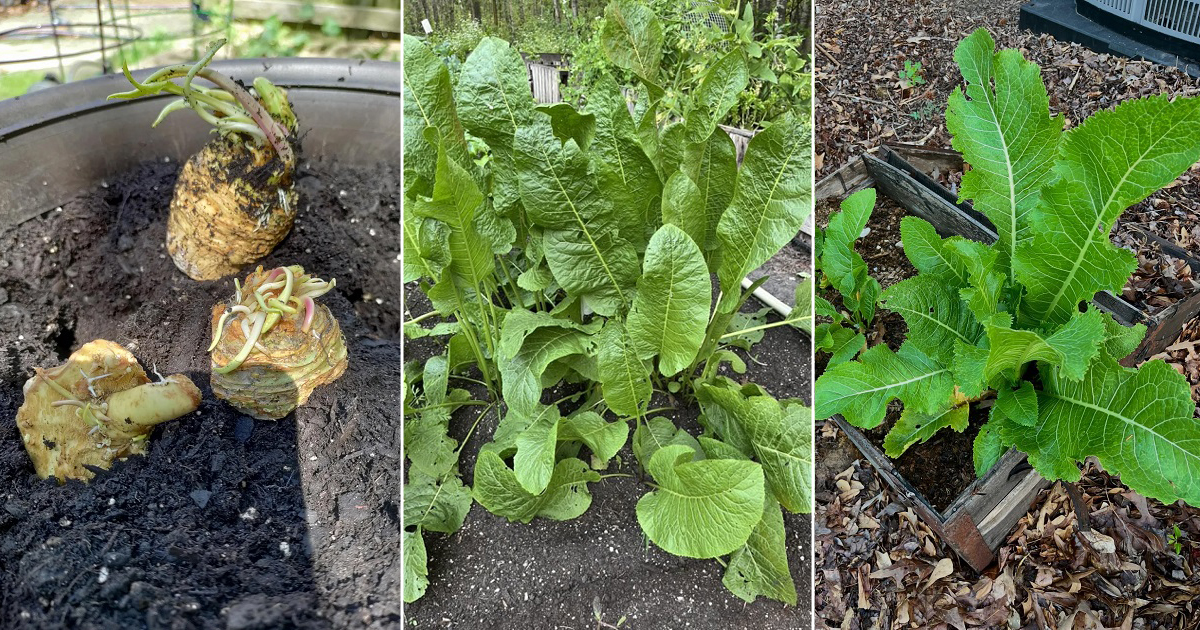
Yes. This is actually the usual way to start horseradish.
You don’t need to grow it from seed. A healthy piece of horseradish root can produce a whole new plant as long as it has a viable growing point.
You can buy root sets from garden suppliers, or in some cases, use a fresh horseradish root from the grocery store. Just make sure it hasn’t been treated in a way that would prevent it from sprouting.
The easiest time to plant is early spring, once the soil is workable.
For better gardening, you can use these seeding trays for growing little sprouts.
How to Plant Horseradish Root
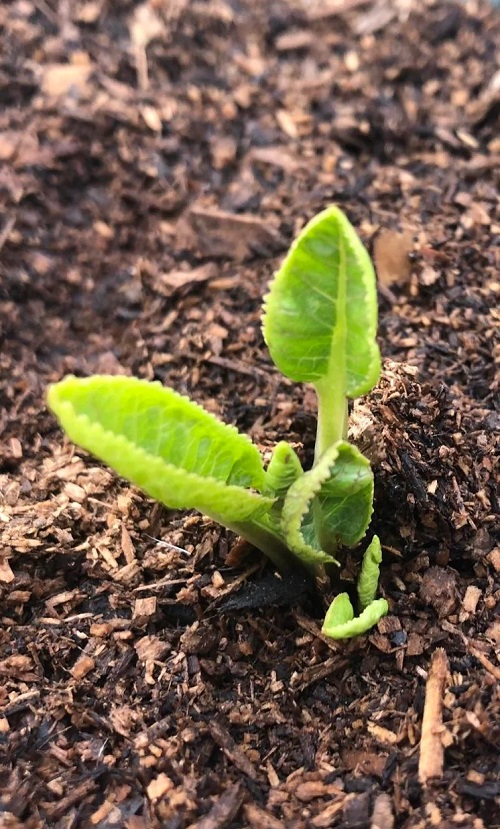
First, loosen the planting area and remove any rocks or debris.
Take your root cutting and place it in the soil at roughly a 45-degree angle. Keep the thicker end positioned higher than the thinner end. Cover the cutting with soil, leaving the upper portion close to the soil surface.
Water it thoroughly after planting.
There’s no need to panic if nothing happens immediately. Horseradish can take a little time to settle in and start producing leaves. Once the shoots appear, growth usually becomes much more noticeable.
Use a long-spouted watering can for your gardening activities.
How Much Water Does Horseradish Need?
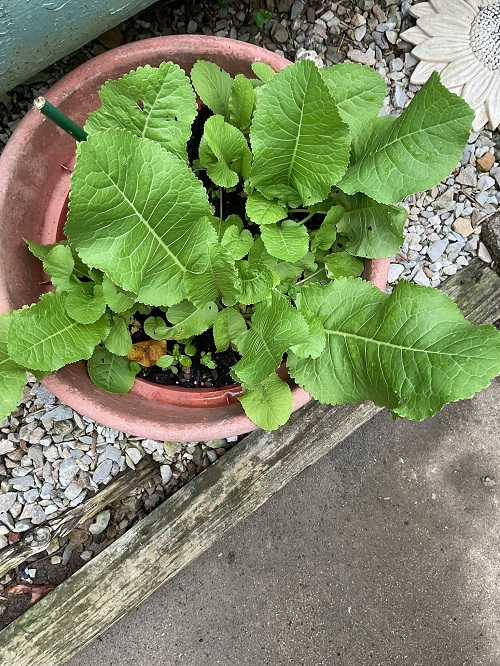
Keep newly planted roots reasonably moist while they’re getting established. Check the soil every few days and water when the upper layer starts to dry.
Once the plant is well established, you won’t need to water it constantly. Horseradish is fairly drought-tolerant, although long periods without water can affect root development.
The goal is moist soil, not muddy soil.
A layer of mulch around the plant can help slow moisture loss and keep weeds from competing with the young plant. Just don’t pile mulch directly against the crown.
Keep the soil in check with this moisture meter.
Does Horseradish Need Fertilizer?
Not much.
If you’ve planted it in good soil amended with compost, you may not need to fertilize at all. Too much nitrogen can encourage lots of leaves when your main goal is a strong root.
If the plant looks weak or growth is poor, you can use a balanced vegetable fertilizer according to the label directions. Otherwise, concentrate on soil quality and consistent moisture.
Should You Grow Horseradish in a Container?
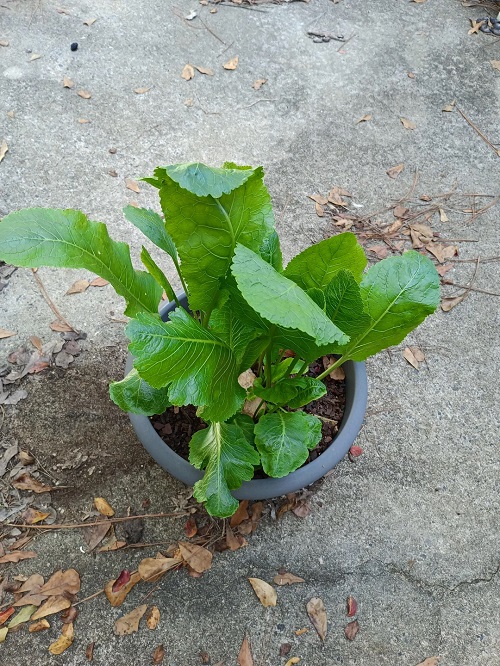
If you’re a beginner, you would seriously consider it.
Horseradish has a habit of spreading because small pieces of root can remain in the soil and produce new growth. A container gives you much more control over where the plant grows.
Use a large, deep container—around 10 gallons or larger—with drainage holes. Fill it with a good-quality potting mix and plant the root cutting as you would in the ground.
Container plants dry out faster, so check the soil more often during hot weather. At the same time, make sure excess water can drain freely.
You may not get quite the same root size as a plant growing in a deep garden bed, but the trade-off is much easier control.
Give your Horseradish roots more breathing room with a chunky, fast-draining soil mix made for tropical houseplants.
How Long Does Horseradish Take to Grow?
This is where impatient gardeners sometimes get disappointed.
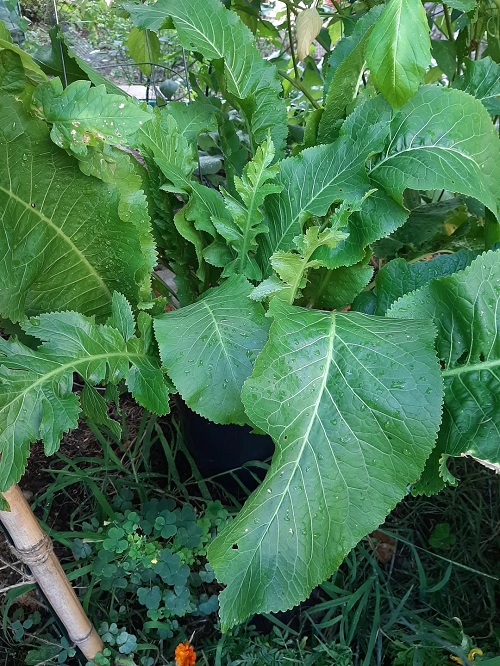
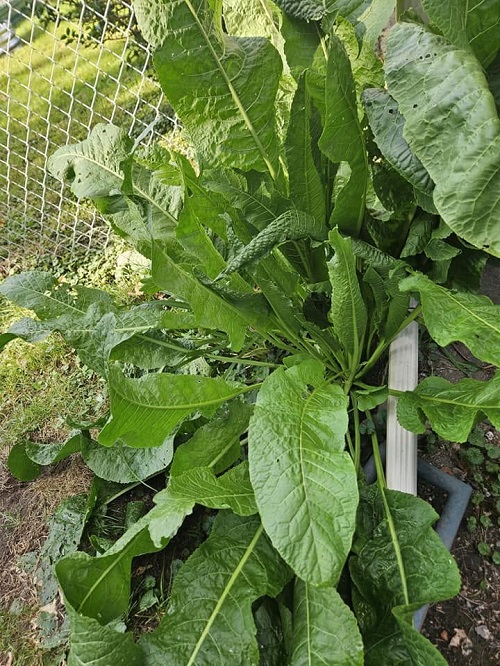
Horseradish can produce plenty of leaves during its first growing season, but the roots need time to develop. In many cases, the best harvest comes after the plant has had a full season—or even a second growing season—to establish itself.
So don’t judge the plant by its leaves alone. A large leafy plant doesn’t necessarily mean the root underneath is ready.
If you plant in spring, give it plenty of time to grow before deciding whether you have a good harvest.
When Is Horseradish Ready to Harvest?
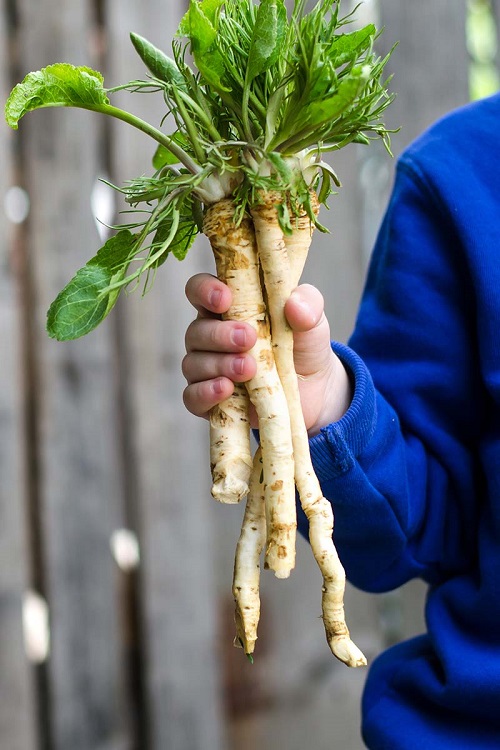
Fall is generally the best time to harvest horseradish. As temperatures cool, the leaves begin to yellow, droop, and eventually die back. This is a good indication that the plant is winding down for the season.
In colder areas, some gardeners wait until after a few frosts. The root can remain in the ground while you wait for the right time to dig it.
Use a garden fork to loosen the soil around the plant rather than driving a shovel straight through the root. Horseradish roots can grow deep, and cutting them into pieces makes cleanup harder.
Once you’ve lifted the root, brush or wash away the soil and trim off the leaves.
Can You Leave Horseradish in the Ground?
Absolutely.
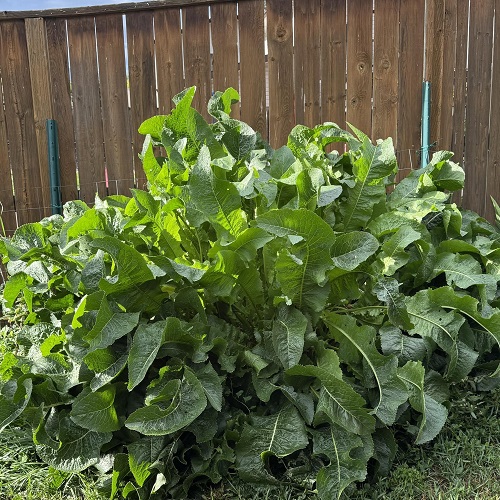
You don’t have to dig up the entire plant every year. If you want horseradish to return next season, leave part of the root in the soil.
The plant will die back above ground during colder weather and then send up fresh growth when conditions improve.
Just remember that every piece of root you leave behind has the potential to produce another plant. That’s helpful if you want a permanent supply, but it can become a nuisance if the plant is growing in a garden bed you want to keep tidy.
How to Keep Horseradish From Taking Over
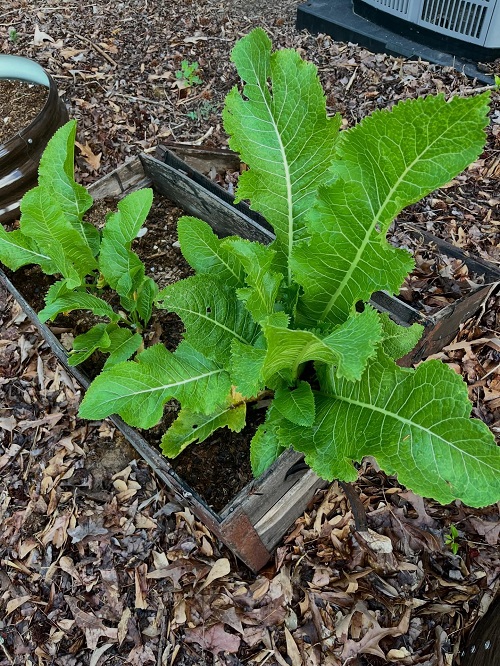
This is probably the most important beginner tip: choose its growing spot carefully.
If you plant horseradish directly in the garden, check around the plant each season for new shoots appearing where you didn’t put them. Remove unwanted growth while it’s still small.
When harvesting, dig carefully and try to remove as much of the root as possible if you don’t want the plant to spread.
For complete control, use a container. It keeps the roots contained and makes harvesting much easier.
Common Horseradish Growing Mistakes
You don’t need to do much wrong to grow horseradish, but a few mistakes can make things harder.
Planting in compacted soil can cause roots to become crooked or poorly developed. Loosen the soil deeply before planting.
Overwatering is another common problem. Keep the soil moist while the plant establishes, but don’t leave it waterlogged.
Harvesting too soon can also leave you with small roots. Give the plant time to develop below the soil.
And perhaps the biggest mistake is planting it somewhere you may want to reclaim later. Horseradish is easy to grow but not always easy to remove.
What Can You Do With Fresh Horseradish?
Freshly dug horseradish has a much stronger bite than many store-bought versions. The root becomes especially pungent once you cut or grate it, so don’t add to your coleslaw if your eyes start watering.
You can grate fresh root into sauces, dressings, dips, pickles, and other dishes. It also works well alongside roasted meats and vegetables.
If you’re preparing a large amount, work in a well-ventilated space. The fumes can be surprisingly strong.
Here is Vegetable Gardner’s Handbook that you need to add to your collection for growing vegetables.