
As an Amazon Associate, we earn a small commission from qualifying purchases — at no extra cost to you.
Make the right seasonal adjustments with Houseplant Changes to Make When Days Get Shorter and help your indoor plants handle lower light and slower growth.
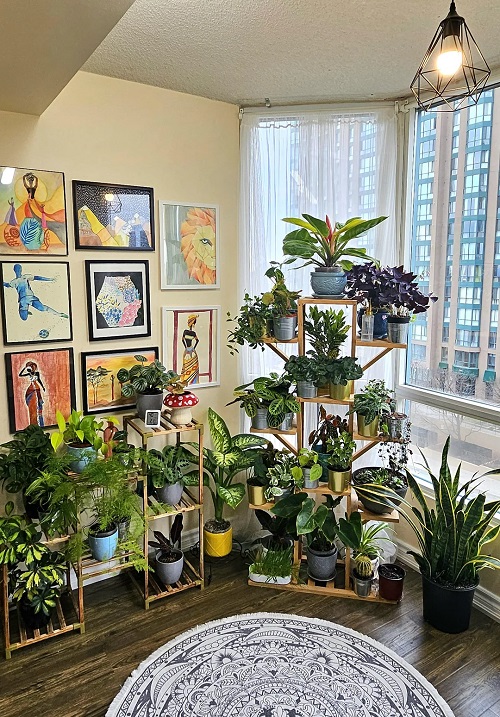
Shorter days can sneak up on your houseplants. You might not notice much at first. Then one day you water a plant and realize the soil is still wet from the last time. Another plant has started leaning toward the window, or the new leaf you were waiting for never seems to open.
This is normal in many homes as fall moves in.
You don’t have to give your plants a completely new routine. But the way you cared for them in the bright summer months may need a few adjustments now.
Houseplant Changes to Make When Days Get Shorter
Get a complete indoor plant-care kit and keep the essential tools together for watering, pruning, potting and everyday plant care. Also, you can get all the necessary items for gardening at our Amazon Storefront.
1. Check Where the Light Falls
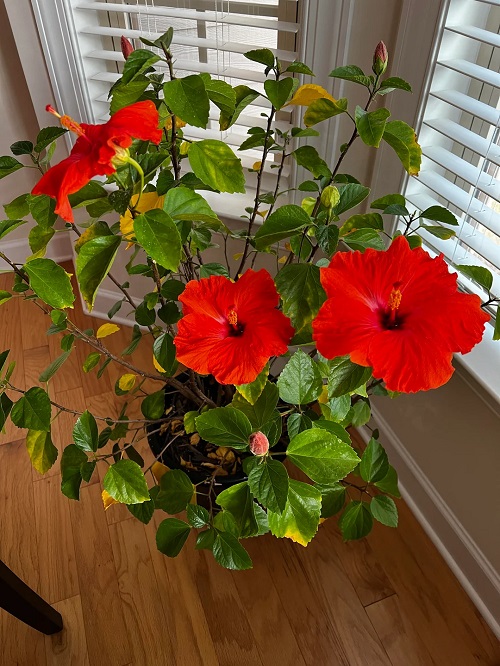
Take a look around your room in the morning and again later in the afternoon.
The sunny patch on the floor may be smaller than it was a few months ago. A window that used to get several hours of sun may now get much less direct light. Even the plants sitting in the same place can notice that difference.
Pay particular attention to plants that are already several feet from a window.
Look at the newest leaves rather than just the older ones. When light is becoming a problem, you may see smaller leaves, longer spaces between leaves, or stems slowly bending toward the window.
You don’t need to move anything yet. Just notice which plants seem to be getting less light than before.
That quick check can tell you more than the calendar does.
2. Shift Plants That Need More Light
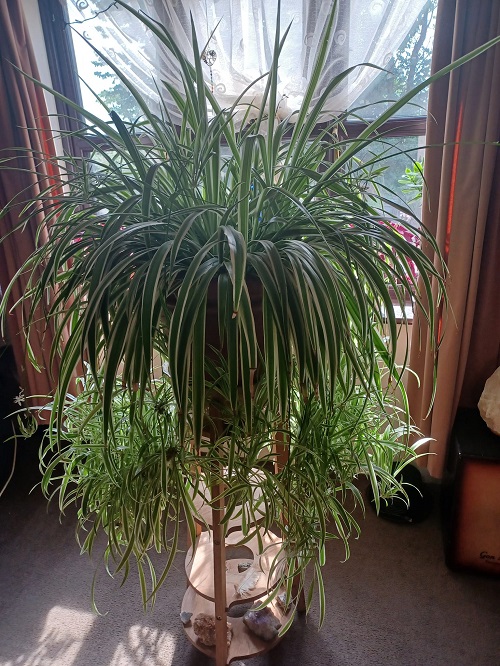
Once you find a plant that is stretching, try changing its position.
You might only need to move it a foot or two closer to the window. There is no rule saying every plant has to sit on the windowsill.
Be a little careful here. A darker spot and a bright window are not interchangeable. If your plant has been sitting in filtered light for months, putting it straight into strong afternoon sun can be a shock.
Move it gradually when necessary and watch the leaves.
An east window often gives you softer morning light. A south or west window can be much stronger. Your curtains, nearby buildings, trees, and even the direction of the room can change what a plant actually receives.
So don’t choose a spot just because someone says a certain window is best. Look at the light in your own home.
Give your houseplant bright indoor light with this LED grow light.
3. Check the Soil Before You Water
Your plants don’t know that it’s Tuesday.
If you watered every week through summer, that doesn’t mean you should keep doing it when the days get shorter.
Less light often means slower growth. When the plant isn’t growing as quickly, the potting mix can take longer to dry. A cooler room can slow things down further.
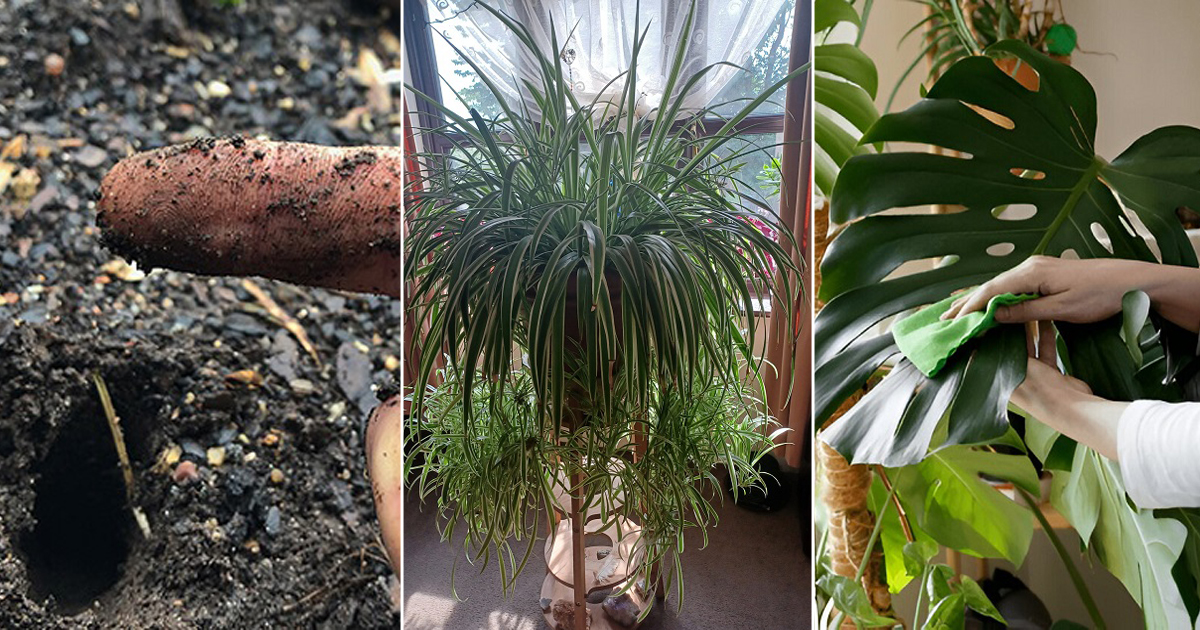
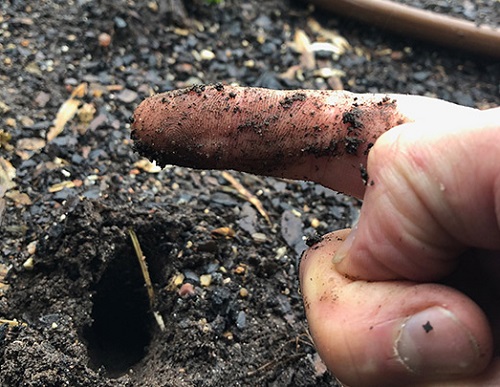
Before you water, put your finger into the soil and check it.
If it still feels damp, wait. Come back in a couple of days and check again.
You may find that one plant needs very little change while another suddenly needs much less water. Pot size, soil mix, room temperature, light, and the type of plant all matter.
This is why a fixed watering schedule can cause trouble. Your plant’s soil gives you a much better clue.
This watering can is perfect as it’s easy to handle and holds just the right amount of water.
4. Rethink Your Fertilizer Routine
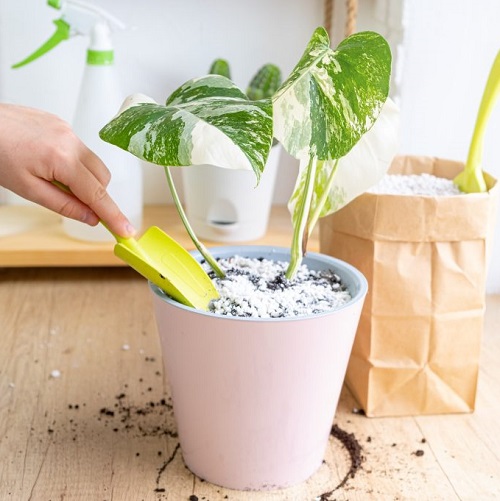
Think about what your plant is doing before you feed it.
During summer, you may have seen new leaves appearing regularly. By fall, that same plant might slow down considerably.
There is nothing wrong with that.
When you see little or no new growth, you don’t need to keep pushing the plant with regular doses of fertilizer. The plant isn’t going to grow faster simply because you give it more food.
On the other hand, a plant in a warm room with good light may continue growing. In that case, you may still have reason to feed it.
Look at the plant rather than making the change based only on the season.
And don’t use fertilizer to compensate for poor light. If the real problem is that your plant isn’t getting enough light, adding more fertilizer isn’t a substitute for moving it to a better spot.
Use this fertilizer to boost the growth of your houseplant.
5. Check Plants Sitting Near Windows at Night
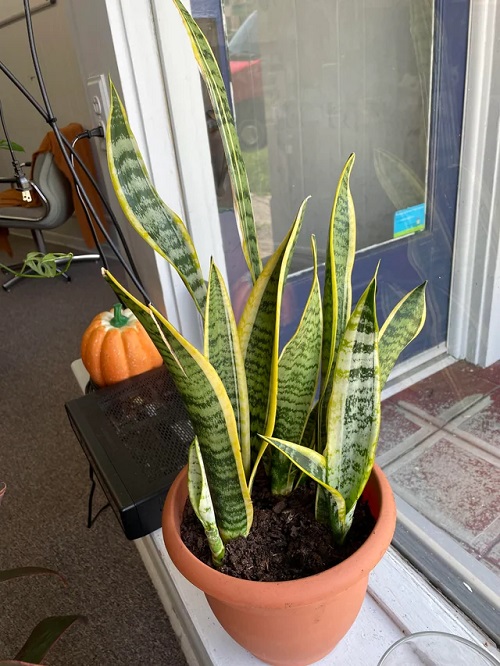
A sunny window can turn into a cold spot after dark.
This is easy to miss because the rest of your room may still feel comfortable. Your plant, however, is sitting much closer to the glass.
Run your hand along the window on a cool evening. Notice how cold it feels.
If a tropical plant is pressed right against the glass, move it back a little. Check around the frame too. A draft coming through a window can be more troublesome than the general room temperature.
You don’t need to pull every plant away from the windows. Keep an eye on the ones that dislike cold conditions, particularly plants that were perfectly happy in that spot during summer.
A small change in position may be all they need.
6. Give the Leaves a Quick Clean
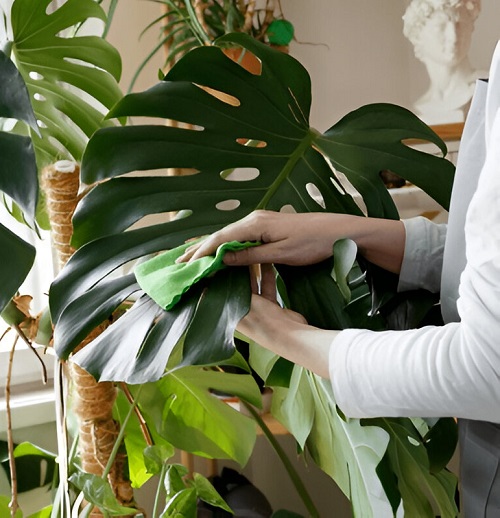
This is one of those little jobs that is easy to put off.
Then you look at a rubber plant or Monstera and realize the leaves have collected quite a layer of dust.
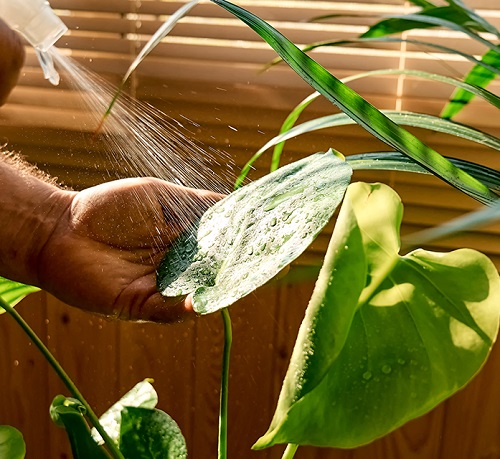
Use a soft, damp cloth and wipe the leaves gently. You don’t need to make them shiny or use a special product. Water is fine for ordinary dust.
While you’re there, look underneath the leaves.
This is actually the useful part. Once you are close enough to see the underside of a leaf, small pests are much easier to spot. Check around the stems and leaf joints too.
You don’t have to turn this into a big cleaning session. Do a few plants while you’re already watering or checking the soil.
This organic neem oil can be used to effectively kill the pests on your plants.
7. Start Watching Instead of Following a Routine
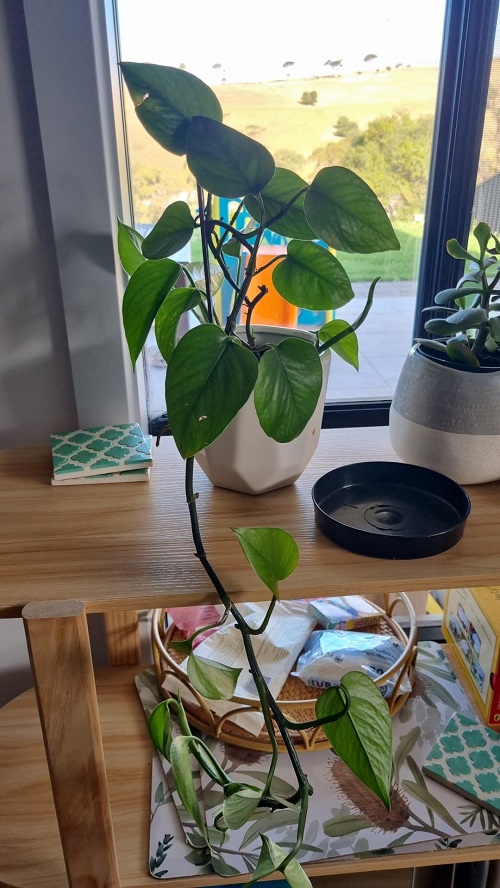
Shorter days are a good time to stop doing things simply because that’s what you have always done.
Watch what your plants are telling you.
Maybe your pothos is growing much more slowly. Perhaps the soil in your snake plant’s pot stays wet for ages. Your plant near the window might be leaning so far that you have to turn the pot.
Those changes are useful information.
You don’t need to fix every small change immediately. One yellow leaf doesn’t necessarily mean something is wrong. One slow-growing plant doesn’t automatically need fertilizer.
Look for a pattern.
When you pay attention to the same plant over several weeks, its normal behavior becomes much easier to recognize.
Don’t Rearrange Everything Just Because Fall Arrived
You don’t need to spend an afternoon dragging every pot around your house.
Start with the plants that are actually showing a change.
A plant stretching toward the window can be moved. A pot that stays wet can be watered less often. A cold-sensitive plant can be moved away from the glass. A plant that has stopped growing can have its fertilizer reduced.
Make the change, then give it some time.
This is much easier than changing the light, water, fertilizer, and location all at once. If you change everything together, you won’t really know what helped.
Check out this potting mix filled with nutrients that all your plants need.
What If Your Home Is Very Dark?
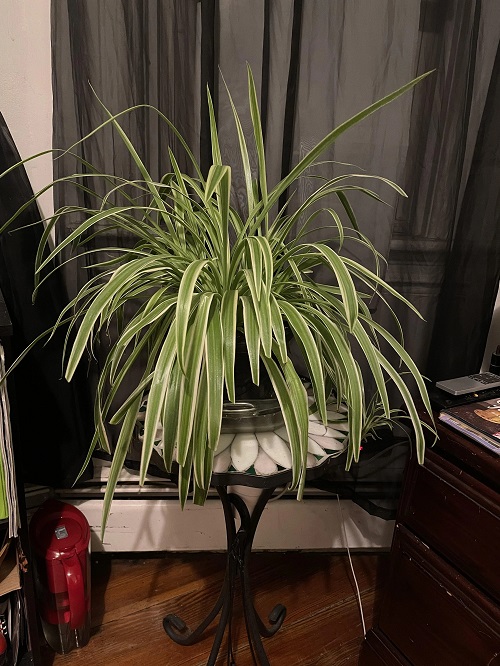
If your brightest window still doesn’t give your plants enough light, a grow light can be useful.
You don’t have to put your entire collection under lights. Pick the plants that are struggling most or the ones that need brighter conditions.
A small light over a plant shelf may be enough.
Keep the light at the distance recommended for the fixture you buy. Don’t judge the distance only by how bright it looks to you. Plants respond to light differently from our eyes.
And if your plants are growing normally without extra lighting, you don’t need to add a grow light simply because the days are shorter.
A Slower Plant Isn’t Necessarily an Unhappy Plant
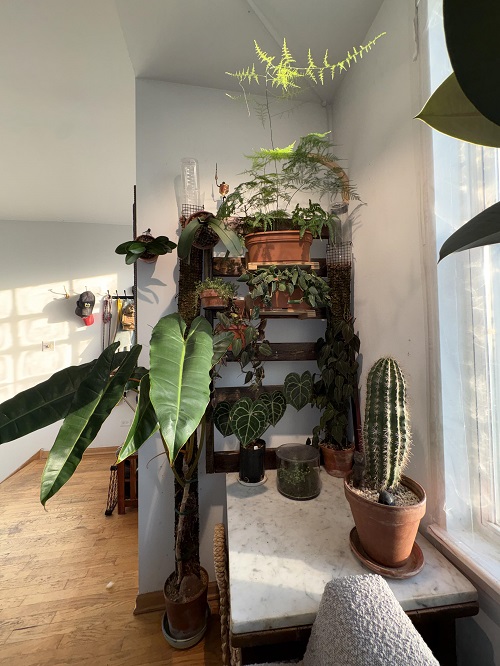
This is probably the hardest seasonal change to accept.
You may be used to seeing a new leaf every few weeks. Then fall arrives and everything seems to slow down.
Let it.
Your plant doesn’t have to produce new growth all year to be healthy. When the light drops, slower growth is often part of the seasonal change.
Keep an eye on the soil. Give the plant enough light. Protect it from cold drafts. Ease back on fertilizer when growth has slowed.
Then leave it alone when there is nothing that needs fixing.
Sometimes the best change you can make in fall is simply adjusting your expectations.
.A good houseplant guide can help you troubleshoot light, watering, soil, feeding and other common problems across your indoor plant collection.