
As an Amazon Associate, we earn a small commission from qualifying purchases — at no extra cost to you.
Explore Houseplants That Grow Better When Root Bound. See which ones prefer snug before repotting and when it’s really time to size up.
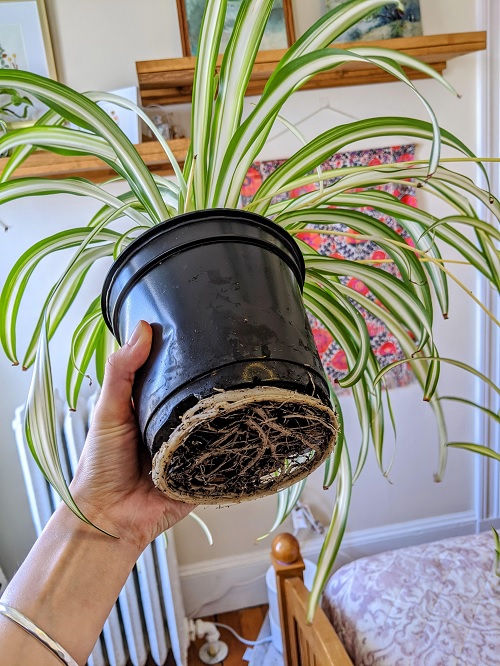
If you’ve always believed roots growing out of the drainage holes mean it’s time to grab a bigger pot, you’re usually right. Most houseplants eventually need more space. But there are a few exceptions that actually perform better when their roots are a little crowded.
For these plants, repotting too early can do more harm than good. You might end up with plenty of new leaves but very few flowers, or the extra soil may stay wet for too long and increase the risk of root rot.
For most houseplants, roots circling inside the pot, pushing above the soil, or growing through the drainage holes are signs that it’s time to repot. But for the plants on this list, these signs usually mean they are comfortable and growing just the way they should.
What Does “Root Bound” Mean?
This post contains affiliate links. As an Amazon Associate, we earn from qualifying purchases, which support our website. You can check out our Amazon storefront here for all kinds of essentials you’ll need.
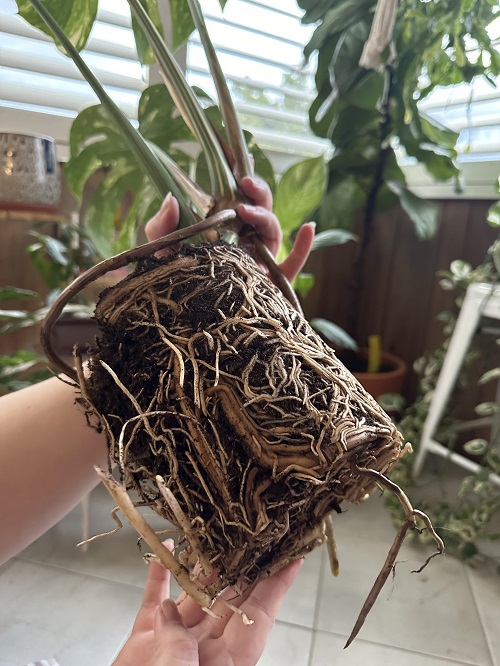
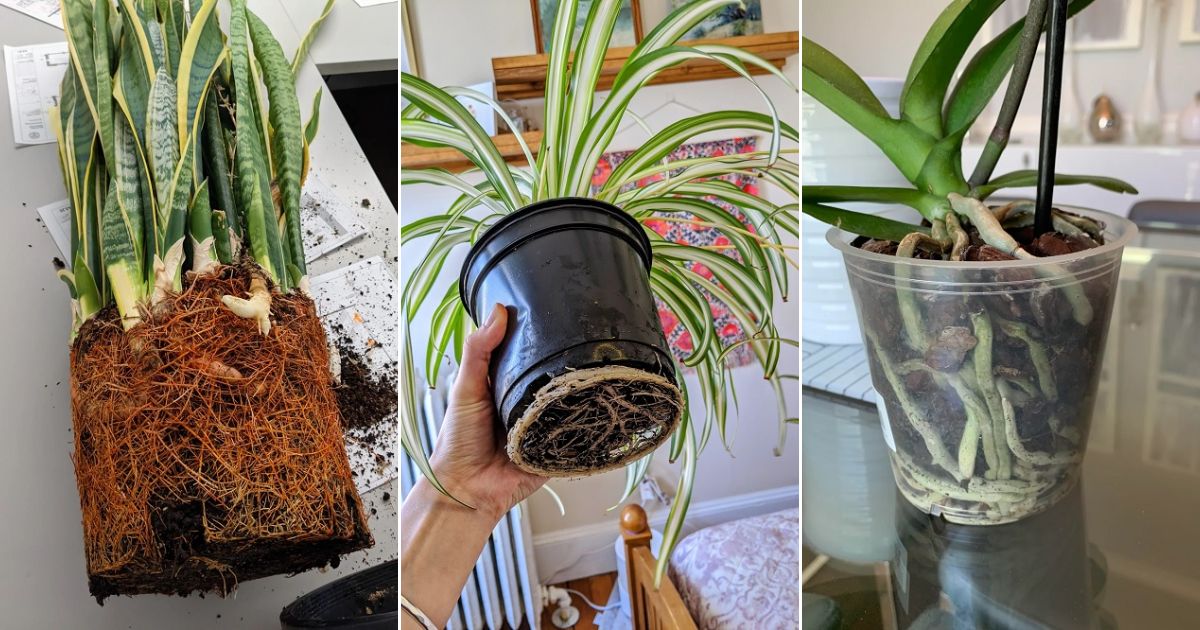
A plant becomes root bound when it has outgrown its pot and there is no more space for the roots to spread. Instead of growing outward, the roots start wrapping around the inside of the pot, bunch up at the bottom, and may even grow out through the drainage holes.
As the roots take up more space, there is less soil left in the pot. This means the soil can’t hold enough water, so it dries out much faster. That’s why a root-bound plant may seem thirsty even soon after watering. If you gently remove the plant from its pot, you’ll often see a thick ball of tangled roots with very little soil left around them.
Most plants don’t like being root bound, but some naturally grow in places where their roots have very little space. In the wild, they may grow on tree bark, between rocks, or along rocky cliffs. Because of this, they are used to growing in tight spaces.
Many flowering houseplants also bloom better when they are slightly root bound. Instead of using energy to grow more roots, they focus on producing flowers. The plant sees the limited root space as a sign that it’s time to reproduce.
When it’s finally time to repot one of these plants, don’t choose a pot that’s much larger. Move it to a container that is only **1 to 2 inches (2.5–5 cm) wider** than the current one. A much bigger pot can hold too much moisture, increasing the risk of root rot and slowing the plant’s growth.
This Ceramic planter pot is perfect for succulents. It’s stylish and has a drainage hole too!
Houseplants That Grow Better When Root Bound
1. Spider Plant
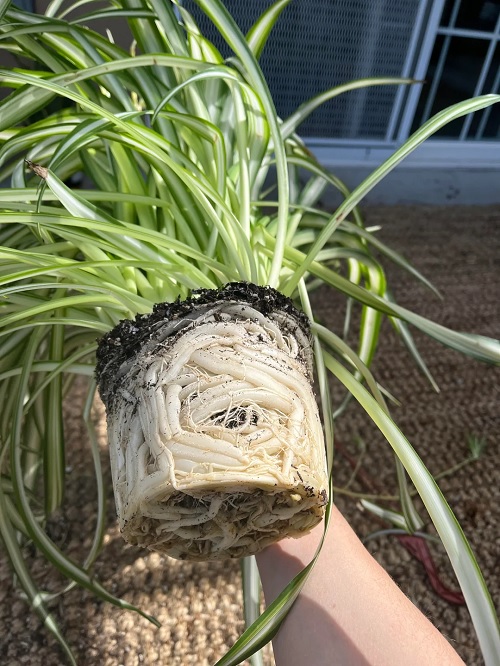
A spider plant often produces more runners and baby plants when it is slightly root bound. Those long stems with small plantlets on the ends are one of the reasons this houseplant is so popular.
Spider plants are also very easy to care for. They can handle lower light, occasional missed waterings, and dry indoor air. There’s no need to repot them too often. Wait until the roots are putting so much pressure on the pot that it starts to bulge or crack. Otherwise, repotting **every 2 to 3 years** is usually enough.
Give your indoor plants this grow light and help them thrive!
2. Snake Plant
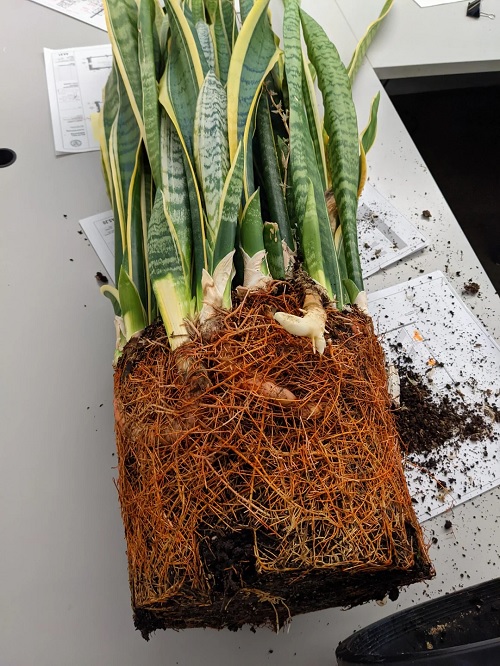
Snake plants grow well in tight pots. They are naturally slow-growing, and a smaller pot helps the soil dry out faster between waterings. This is important because snake plants are drought-tolerant and don’t like sitting in wet soil. In fact, too much moisture is a much bigger problem than being root bound.
You usually only need to repot a snake plant **every 3 to 5 years**, or when the roots start growing out of the pot. Snake plants are very easy to care for. They can tolerate low light, missed waterings, and changing temperatures. Keeping them in a snug pot helps them stay healthy and grow well.
Feed plants with Grow Queen Organic Liquid Indoor Plant Food, which is perfect for all houseplants!
3. Aloe Vera
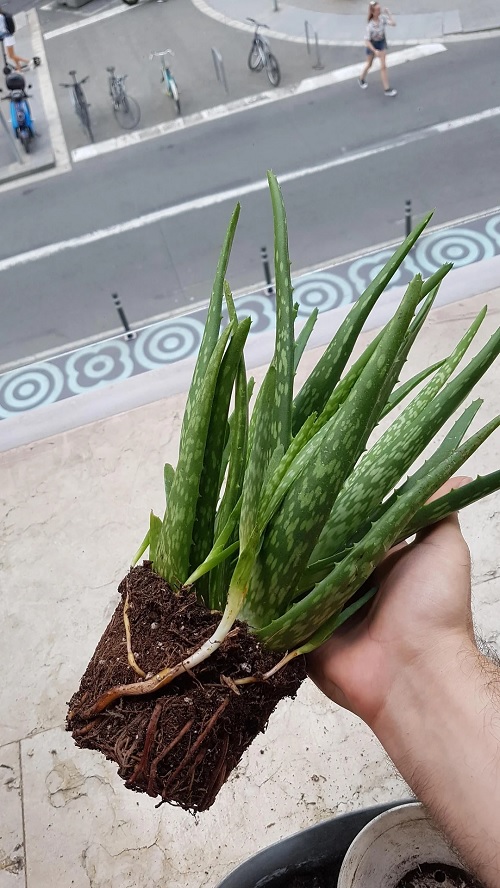
Aloe vera grows best in a small pot. If you plant it in a container that’s too large, the soil stays wet for too long because the roots can’t use all the moisture. This can lead to root rot, even if the plant looks healthy at first.
When repotting aloe vera, choose a snug terracotta pot and use a well-draining cactus or succulent potting mix. Water the plant thoroughly after repotting, then wait until the soil is completely dry before watering again.
You only need to repot aloe vera when the baby plants (offsets) are filling the pot or when the roots are pushing the soil upward. In most cases, repotting every few years is enough. When you do repot, choose a pot that is just one size larger than the current one.
This potting mix is perfect for a container garden!
4. Phalaenopsis Orchid
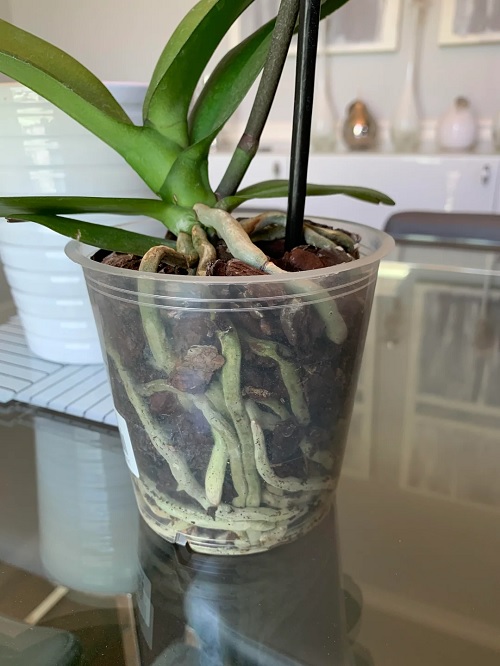
In nature, orchids grow on tree branches, where their roots cling to bark and are exposed to the air. They don’t grow in regular soil, so it’s important to keep this in mind when repotting them.
Use a coarse, bark-based orchid potting mix and plant your orchid in a small pot with good drainage. Orchids prefer containers that drain quickly and dry out fast, so don’t worry if the pot seems a little too small.
Water the potting mix thoroughly, then let it dry out completely before watering again. If you need to repot your orchid, wait until it has finished blooming. Repotting while it is flowering can cause the blooms to fade sooner.
You’ll usually need to repot an orchid every 1 to 2 years, or when the bark mix starts breaking down and holds too much moisture instead of draining well.
This soil mix is perfect for repotting and growing healthy orchids.
5. Peace Lily
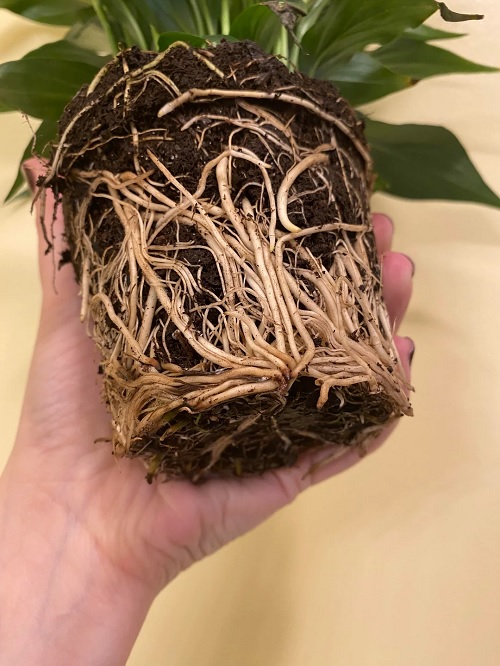
If you give a peace lily a pot that’s too big, it will often grow lots of leaves but very few flowers. A slightly root-bound peace lily is more likely to bloom because the crowded roots encourage the plant to produce flowers.
Place your peace lily in **bright, indirect light** and water it when the top **1 inch (2.5 cm)** of soil feels dry. There’s no need to repot it often. In most cases, repotting **every 2 to 3 years** is enough, and only when the roots have clearly filled the pot.
A **self-watering planter** can be a good choice for peace lilies because it helps keep the soil evenly moist without leaving the roots sitting in excess water, reducing the risk of root rot.
These self-watering pots are great for keeping your plants hydrated!
6. Clivia
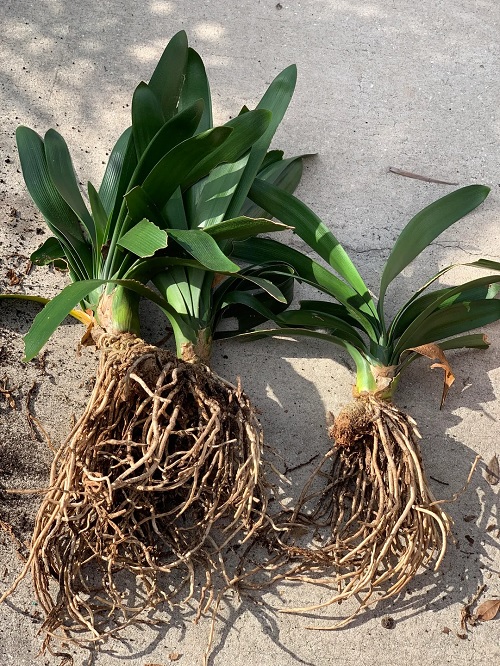
Clivia grows and blooms best when its roots are slightly crowded. If you repot it too often or move it into a much larger pot, it may stop flowering for a long time.
For the best blooms, keep clivia in a snug pot. During winter, place it in a cool, dry spot where temperatures stay around 50°F (10°C). In late winter, move it back to a warmer location and resume regular care. These conditions help the plant produce beautiful orange flowers.
Clivia doesn’t need frequent repotting. In most cases, repotting every 5 years is enough. Only move it to a new pot when the roots have filled the container and are pushing the plant upward.
This Miracle-Go plant food will make your plants thrive.
7. Christmas Cactus
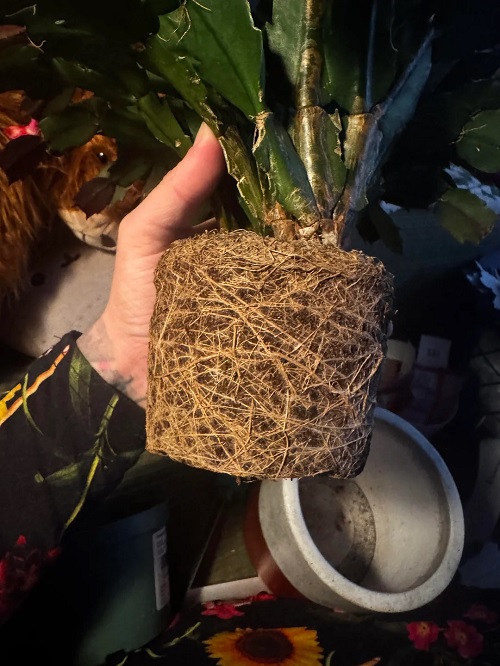
A Christmas cactusblooms best when it is slightly root bound and gets cool, dry nights in the fall. Around September water it less and keep it in a place where nighttime temperatures stay between **50–60°F (10–15°C)**. These conditions help the plant form flower buds naturally.
Repotting a Christmas cactus into a larger pot too soon can delay blooming. If your plant needs a new pot, wait until it has finished flowering. In most cases, you only need to repot it **every 3 to 4 years**.
Choose a terracotta pot with drainage holes when repotting. Terracotta allows the soil to dry out faster between waterings, which helps keep the roots healthy and reduces the risk of root rot.
Get your hands on this More Than Just A Plant book to know all about gardening!