
As an Amazon Associate, we earn a small commission from qualifying purchases — at no extra cost to you.
Learn How to Grow Coneflowers From Seed with easy planting and care tips for healthy plants and bright blooms.
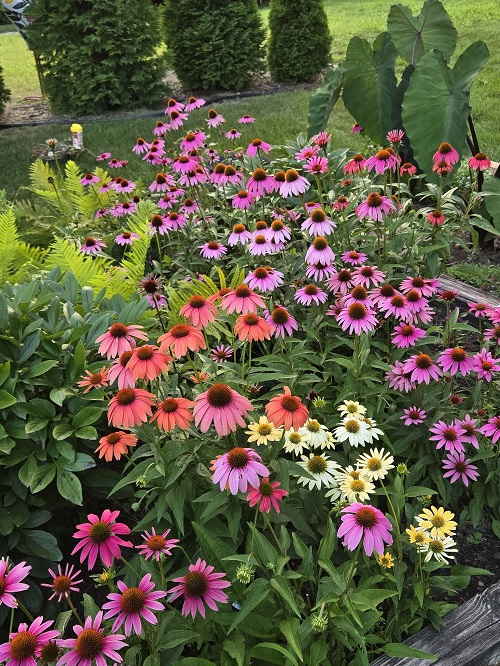
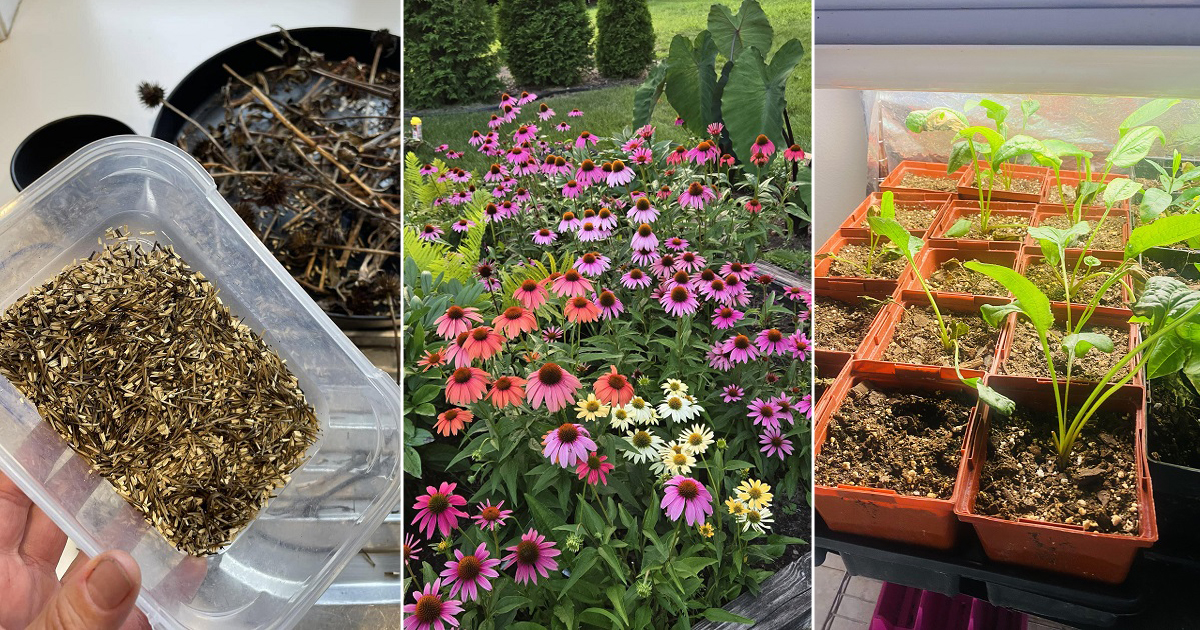
Coneflowers (Echinacea ) are one of those garden plants that look more complicated to grow than they really are. Once established, they handle heat, dry spells, and less-than-perfect soil surprisingly well. The tricky part is getting them started from seed. If you have a packet of coneflower seeds, you don’t need any fancy equipment. Give the seeds the right start, keep the young seedlings growing steadily, and they can become strong plants ready for the garden. Learn in detail about How to Grow Coneflowers From Seed with this post.
How to Grow Coneflowers From Seed
Get a complete indoor plant-care kit and keep the essential tools together for watering, pruning, potting and everyday plant care. Also, you can get all the necessary items for gardening at our Amazon Storefront.
Choose the Right Time to Sow Coneflower Seeds
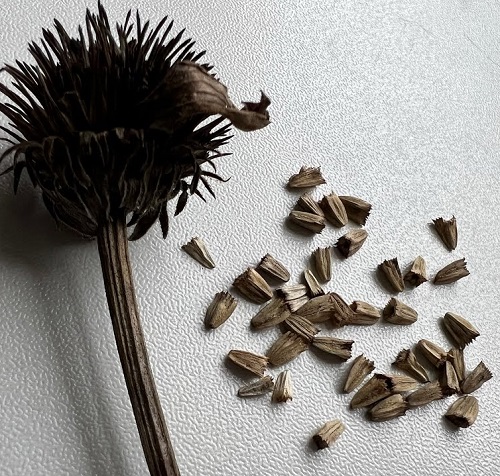
Timing makes a big difference when you’re starting coneflowers from seed. If you want to start them indoors, sow the seeds about 10 to 12 weeks before your area’s last expected frost.
You can also sow them directly outdoors. Wait until the danger of severe frost has passed and the soil is workable. Fall sowing is another option in many climates because the seeds naturally experience a period of cold before they sprout in spring.
Don’t worry if you don’t see quick results. Coneflower seeds can be slow to wake up, especially if they haven’t received the cold period they need.
Give the Seeds a Cold Period
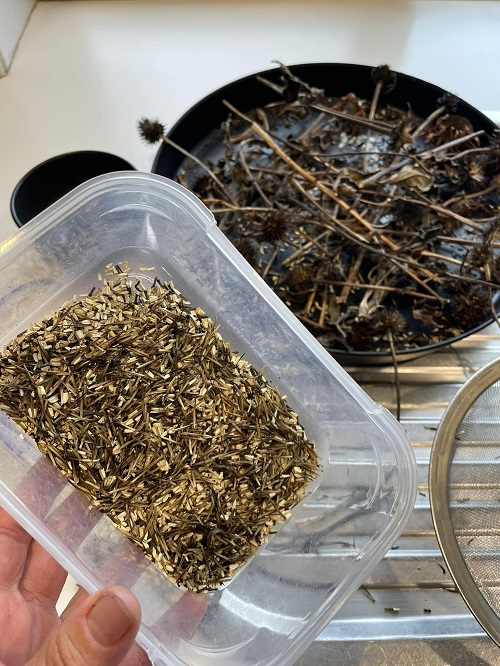
Many coneflower varieties germinate better after a few weeks of cold, moist conditions. This process is called cold stratification, and it mimics what the seeds would experience naturally during winter.
A simple way to do it is to place the seeds in a slightly damp paper towel or a small amount of moist growing medium. Put them in a sealed bag or container and keep them in the refrigerator for around three to four weeks.
The seeds should be moist, not soaking wet. You don’t want them sitting in water.
Some commercially prepared seeds may already have been treated for better germination, so check the seed packet before putting them through a cold treatment.
Sow the Seeds Lightly
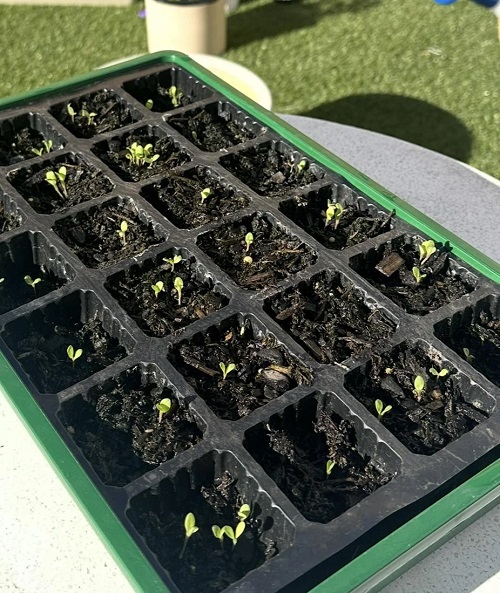
When you’re ready to plant, fill a seed tray or small pots with a loose, well-draining seed-starting mix. Moisten the mix before sowing so you don’t have to disturb the tiny seeds with heavy watering afterward.
Scatter the seeds over the surface and press them gently into the mix. Coneflower seeds need light to germinate, so avoid burying them deeply. A very thin layer of growing medium is fine if needed, but don’t cover them heavily.
Place the tray somewhere warm with plenty of bright light. Temperatures around 65–75°F (18–24°C) are generally suitable for germination.
Keep the surface lightly moist while you wait. A spray bottle or gentle bottom watering works better than pouring water directly over the seeds.
Use this seeding tray to sow your seeds lightly for better growth.
Be Patient During Germination
This is the stage where it’s easy to assume something has gone wrong.
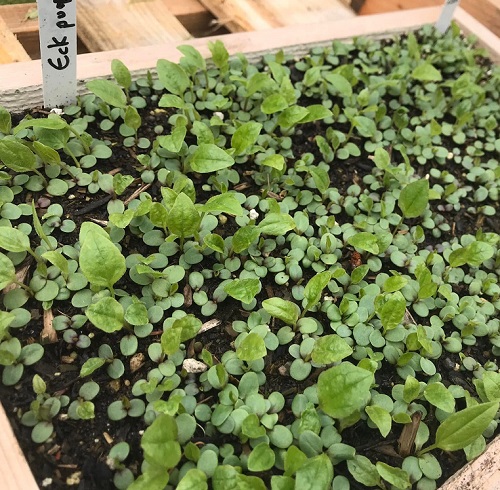
Coneflower seeds may take roughly 10 to 21 days to germinate, and some can take longer. Keep the growing medium lightly moist and give the tray good light.
Once the seedlings appear, make sure they aren’t crowded together. Poor airflow and constantly wet soil can create problems for young seedlings, so avoid overwatering.
If several seedlings come up in the same spot, you can thin them later. Give the strongest seedlings enough room to develop without competing heavily for light and nutrients.
Seed starting mix can be used in a well-draining system for germination.
Give Young Seedlings Plenty of Light
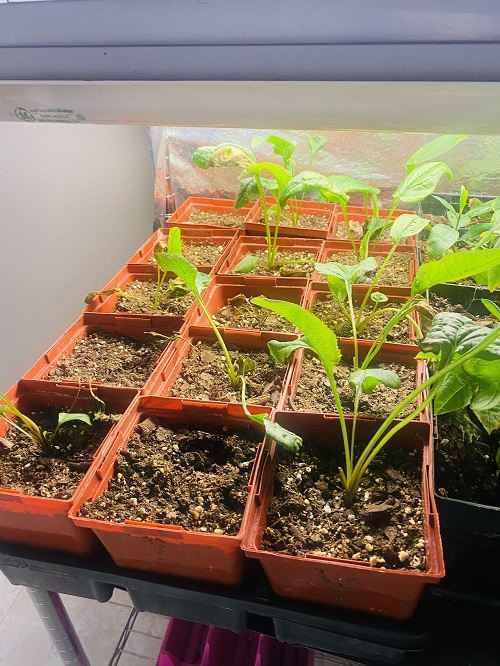
New coneflower seedlings need good light to grow into sturdy plants. A bright windowsill can work, but seedlings often become thin and stretched if the available light isn’t strong enough.
If you’re growing them indoors, a grow light can make things much easier. Keep it close enough to provide strong light without overheating the plants, and give the seedlings a consistent daily light period.
Water when the surface of the growing medium begins to dry. The goal is moist soil, not constantly wet soil.
As the seedlings grow, you’ll notice their first true leaves developing. At this point, they start looking more like the coneflowers you know from the garden.
Install these grow lights to boost the growth of your plant.
Harden Them Off Before Planting
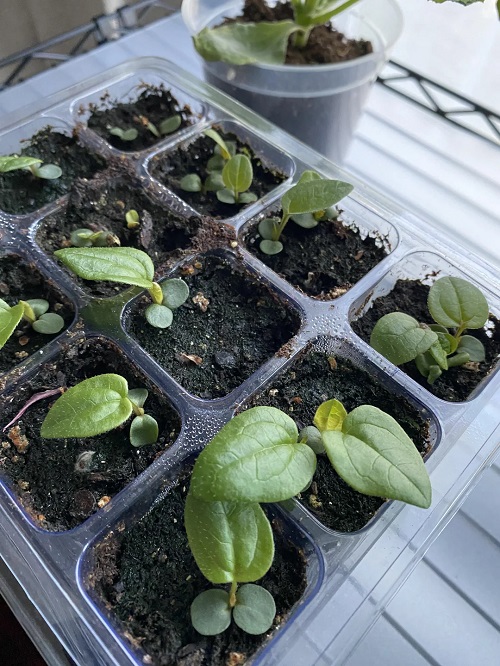
Don’t move indoor-grown seedlings straight from a warm room into the garden. The change in temperature, wind, and sunlight can be a shock.
Instead, harden them off gradually over about one to two weeks.
Start by placing the seedlings outdoors in a sheltered, shaded spot for a short time. Slowly increase the amount of time they spend outside and introduce them to more sunlight as the days go by.
If the weather is particularly windy, hot, or cold, bring them back inside or give them extra protection. There’s no need to rush this part.
Plant Coneflowers in the Garden
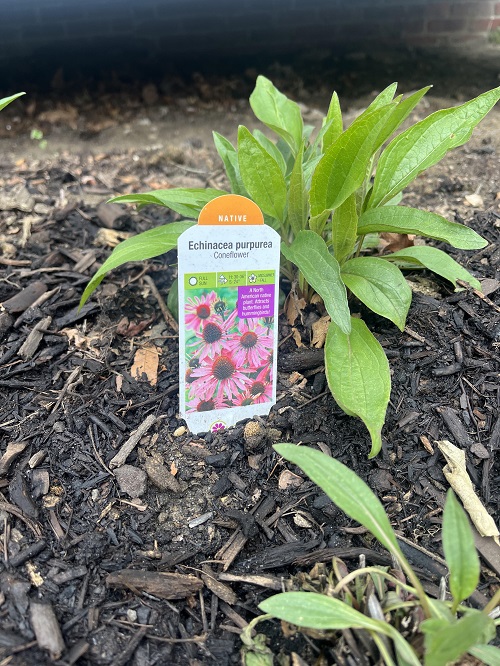
Once the seedlings are accustomed to outdoor conditions and the risk of hard frost has passed, you can plant them in their permanent spot.
Choose a location that receives full sun for the best growth and flowering. Coneflowers aren’t especially fussy about soil, but they do much better when excess water can drain away.
Dig a hole slightly larger than the seedling’s root ball. Set the plant at about the same depth it was growing in its container, then fill around the roots and water thoroughly.
Leave enough space between plants for air to move around them. The exact spacing depends on the variety, so check the seed packet for its mature size.
Don’t Overdo the Fertilizer
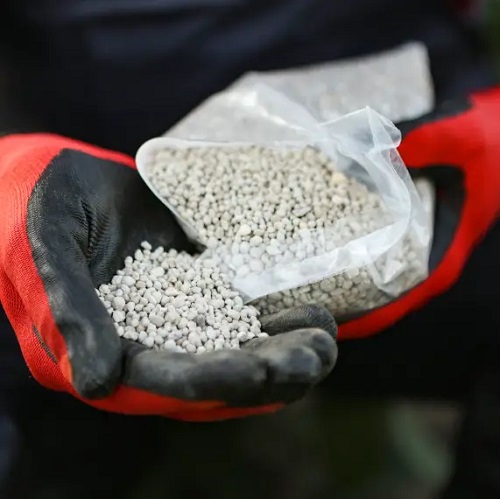
One of the nice things about coneflowers is that they don’t need a heavily fertilized garden to perform well.
Rich soil and frequent feeding can encourage lots of leafy growth without necessarily giving you better flowers. Once the plants are established, focus more on sunlight, drainage, and consistent care.
A layer of compost added to the soil can be helpful if your garden soil is poor, but you don’t need to turn the planting bed into a nutrient-heavy mix.
Give the Plants Time to Settle In
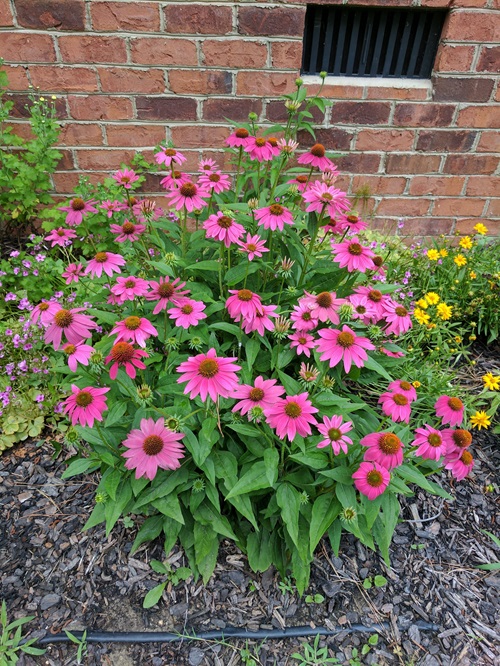
Growing coneflowers from seed takes a little patience. The seedlings may look small and unimpressive at first, especially compared with established plants at a garden center.
That’s normal.
Your main job during the first season is to help them build a strong root system. Keep young plants watered during extended dry periods, particularly while they’re getting established.
Once their roots are well developed, coneflowers become much more independent. Established plants can tolerate periods of dry weather and usually don’t need constant attention.
A Few Problems to Watch For
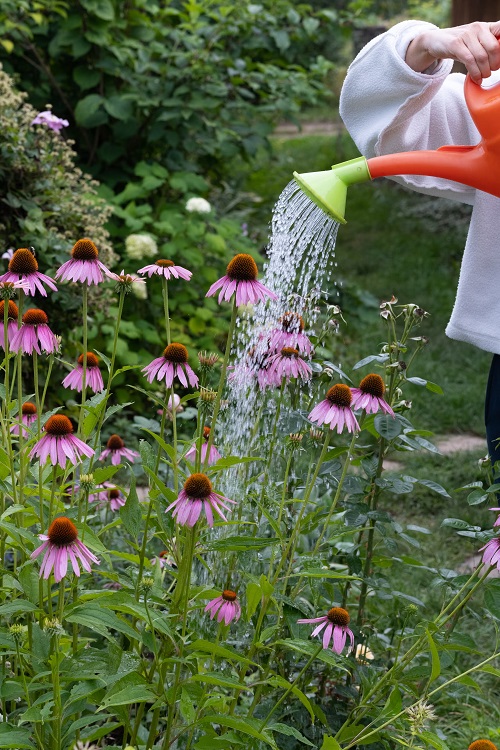
The most common mistake when growing coneflowers from seed is giving them too much water. Constantly wet growing medium can lead to weak seedlings and root problems.
Poor light is another issue. If seedlings are tall, thin, and leaning toward the window, they probably need more light.
And don’t give up simply because germination seems slow. Coneflower seeds aren’t always in a hurry. Keeping the conditions steady is usually more useful than repeatedly changing what you’re doing.
Keep your coneflowers lightly moist with this water mist spray can.
Enjoy the Flowers
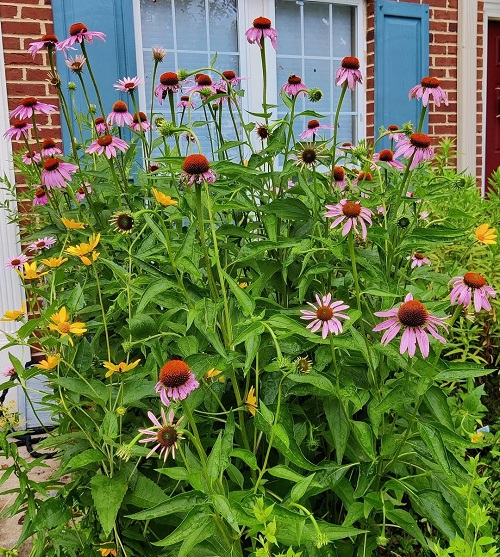
Once your coneflowers mature, you’ll have a tough, long-lived perennial that can return to the garden year after year. Their daisy-like flowers also bring plenty of life to a sunny planting area.
Growing them from seed takes more time than buying an established plant, but there’s something satisfying about watching those tiny seeds turn into flowering plants. Start them carefully, give the seedlings good light, and let them develop at their own pace. That’s really the secret to getting coneflowers off to a good start.
Get this sturdy hand trowel to make your gardening easier and smoother.