
As an Amazon Associate, we earn a small commission from qualifying purchases — at no extra cost to you.
Want to multiply your festive favorite 3X times? Here, get all the answers on how to make a Christmas Cactus Bushier Without Repotting.
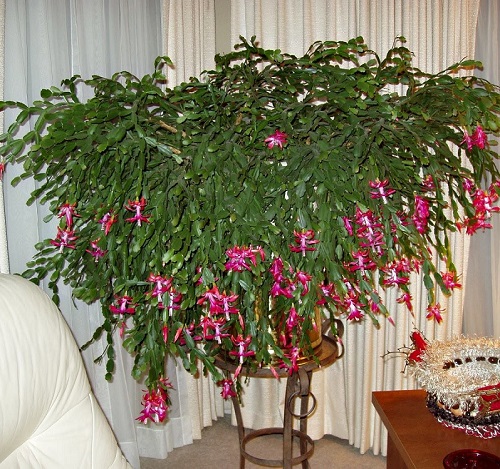
A Christmas cactus looks far more attractive when it grows into a full mound of cascading stems instead of producing a few long, thin branches. You can’t risk it at the peak festive season to give it a new home; instead, try practical ways to make it bushier. Many people think a larger pot is the only answer, but healthy growth depends much more on everyday care than container size.
Healthy branching depends on the way the plant grows throughout the year. Every new segment has the potential to form another branch, but only when growing conditions encourage steady development.
A Christmas cactus naturally grows in forests where filtered sunlight, fresh air, and regular moisture help it produce strong stems. Patience also plays a role because new branches appear gradually instead of overnight. Here are the best ways to make a Christmas Cactus Bushier Without Repotting.
How to Make a Christmas Cactus Bushier Without Repotting
Get this gardening tool set for lush growth with minimal effort. Also, check our Amazon storefront for more garden supplies.
1. Prune the Stem Tips After Flowering
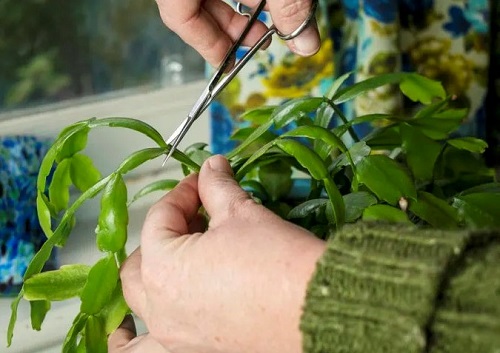
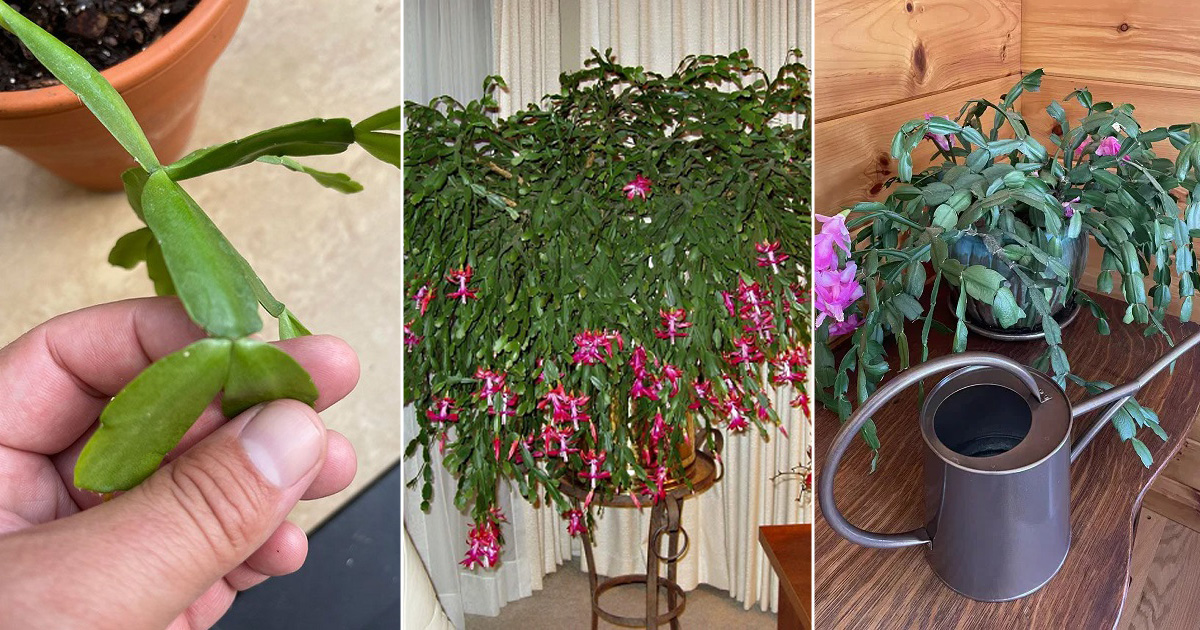
The flowers have fallen from your Christmas cactus, and then it is the right time to encourage branching. You just need to gently twist off one or two stem segments from the tip of longer branches instead of cutting deep into the plant. The resulting new shoots will usually grow from the point where the segments were removed, creating two or more fresh branches over time.
Avoid removing too much growth at once because heavy pruning can slow recovery. Trim only the healthy stems and leave weak or damaged sections until the plant regains strength. Always clean your hands and sanitize tools, and it will help prevent diseases from entering fresh wounds. Repeat light pruning once each year; it gradually produces a thicker and more balanced plant.
Add pruning shears to your cart to have the most essential tool in your garden.
2. Plant Pruned Segments Back Into the Same Pot
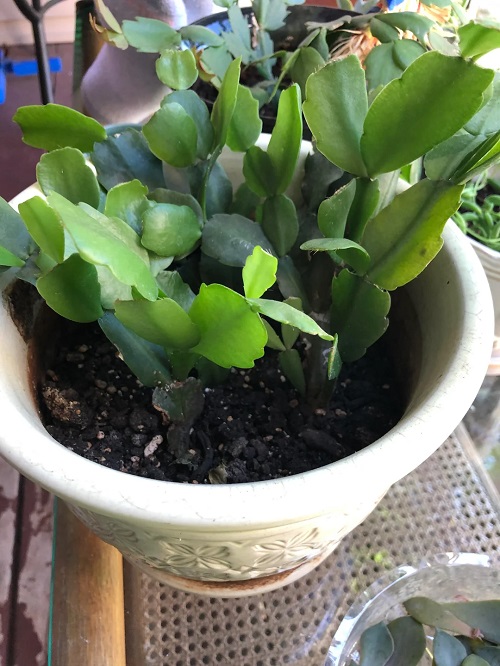
After removing the stems, don’t just throw them away; use them beneficially. Allow the cut ends to dry for a day or two before placing them into the same pot near the outer edge to form a callus, then water lightly until roots begin developing.
As the new cuttings establish themselves, they fill empty spaces and create a denser appearance. Several rooted segments growing together naturally produce a fuller display. Over time, the mother plant and rooted cuttings blend into one thick, lush Christmas cactus.
3. Give It Bright Indirect Light
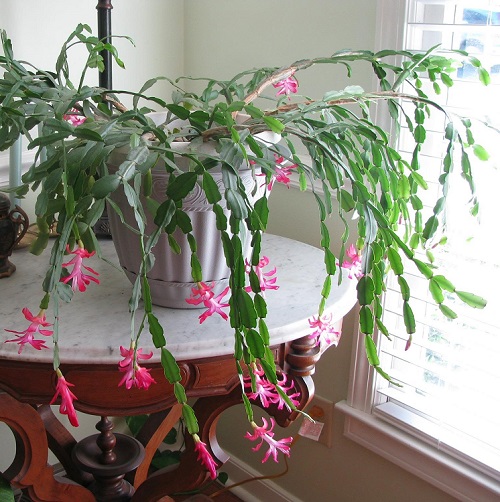
Light has a crucial effect on how many new branches a Christmas cactus produces. Place your plant near a bright window where it receives plenty of indirect sunlight throughout the day. Weak lighting will give you long, stretched stems instead of compact growth.
Strong afternoon sun will burn the segments, so protect your plant from harsh rays. Rotate the pot every couple of weeks so every side receives similar light exposure. This balanced light will keep growth even across the entire plant. The healthy stems of them with enough light produce stronger side branches during the growing season.
Give your cactus bright indoor light with this LED grow light even during gloomy winter days.
4. Pinch New Growth During Active Growth
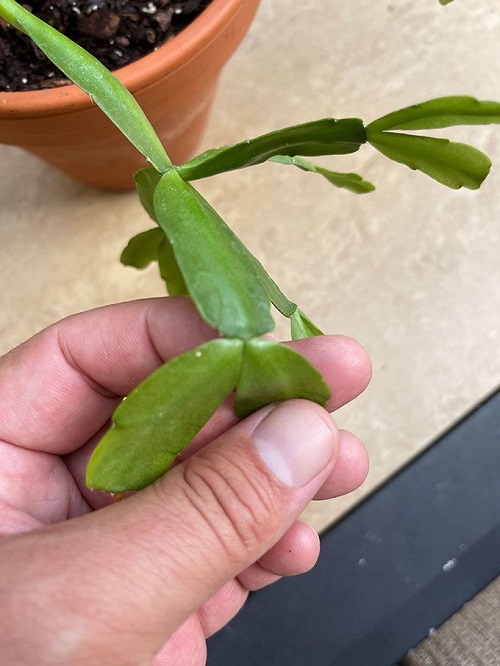
Did you notice the new branch growing? You saw it at the perfect time to pinch, as fresh stem tips are easy to shape while they are still growing. Pinching the newest segment encourages the plant to produce multiple branches from the same point instead of extending a single stem.
Remove the dust particles using your fingers without damaging nearby segments and limit pinching to healthy plants. Avoid doing it close to the flowering period because buds may be affected. Consistent pinching will help in building a fuller plant over several years.
5. Water Only When the Soil Starts Drying
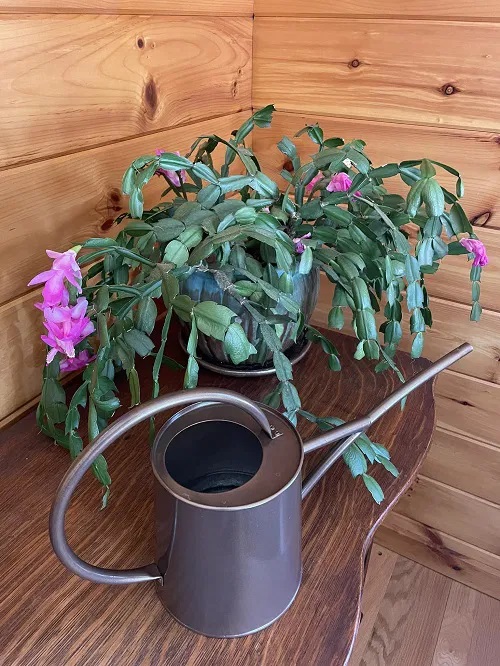
Christmas cactus with constantly wet soil weakens roots and slows healthy branching. So, to avoid this, water them thoroughly, then allow the top portion of the potting mix to dry before watering again. Drying slightly between watering helps the roots receive enough oxygen to stay healthy.
If you have noticed soft stems, poor growth, and fewer new segments in your plant, then it is because of overwatering. When the soil stays dry for extremely long periods, it can also reduce growth. Adjust your watering schedule according to temperature, humidity, and seasonal changes at your place. Their healthy roots will support steady branching and produce stronger stems throughout the year.
6. Feed During the Growing Season
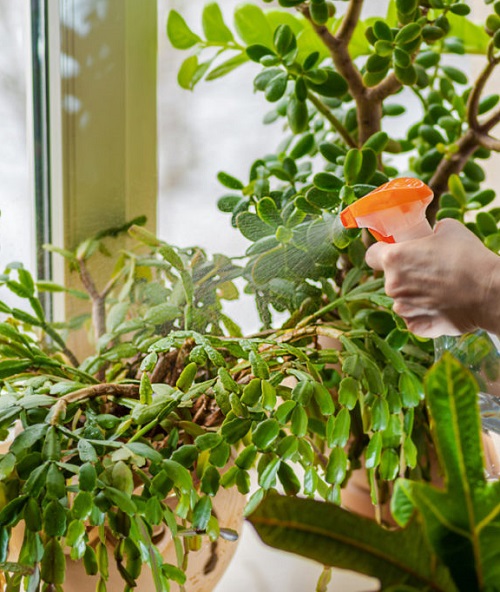
Your Christmas cactus will benefit from regular feeding while it is actively growing. Use a balanced liquid fertilizer at half strength on it every few weeks during spring and summer. Its nutrients will support fresh stem development without forcing weak growth.
Stop feeding your plants once flower buds begin forming because the plant shifts its energy toward blooming. Don’t add excess fertilizer since salt buildup may damage your plant’s roots. Water the soil before feeding to reduce stress on their root system.
7. Rotate the Pot Regularly
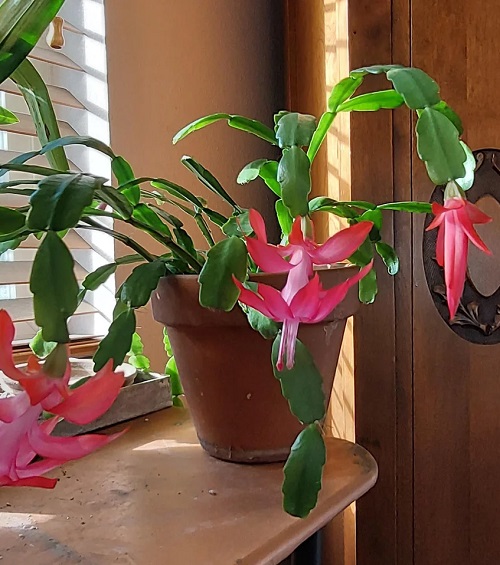
Plants will naturally lean toward the brightest light source always. Keeping the pot in one position for months often produces heavy growth on only one side. Turn your pot slightly every couple of weeks during the growing season.
Even light exposure will encourage balanced branching around the entire plant. Rotate gently without making sudden changes during bud formation because flower buds may drop. The consistent rotation will help in maintaining an attractive rounded shape.
Rotate your plant effortlessly for even growth without lifting heavy pots with this rotating plant stand.
8. Let the Stems Mature Naturally
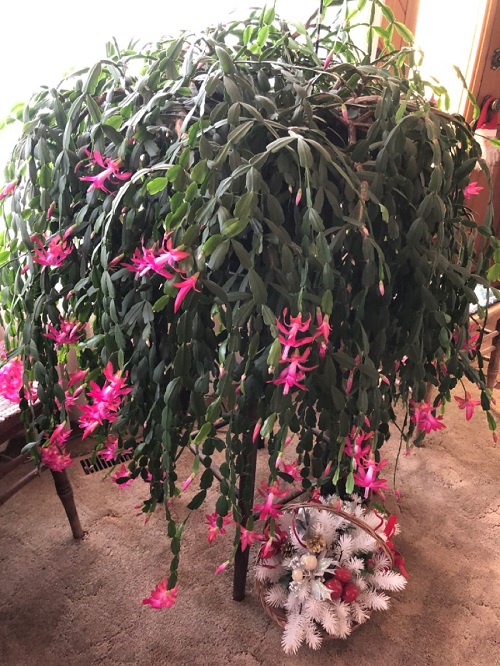
Young stem segments of Christmas cactus need time before they begin producing side branches. If you are constantly handling or trimming fresh growth, it can slow the natural branching process. Give your plant several months to develop strong, healthy segments.
Mature stems of the plant store more energy and are better prepared to produce additional growth, and older branches support future blooms more effectively. Your patience will gift you a thicker plant than frequent interference.
9. Wipe Away Dust from Segments
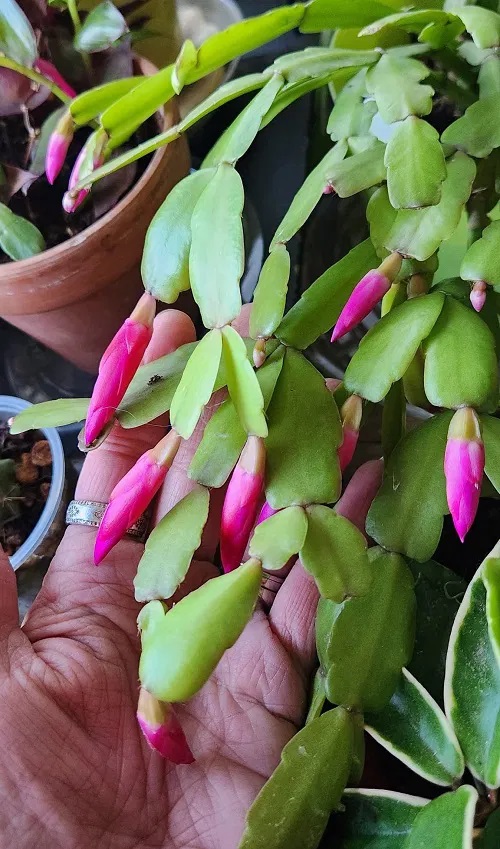
Dust when collected on the flat stem segments reduces the amount of light reaching the plant. Wipe the stems gently with a soft, damp cloth every few weeks. Clean surfaces of stem segments will allow your plant to use available light more efficiently.
Never use leaf shine products because they can clog their surface. Handle the stems carefully to prevent breaking delicate segments. Regular cleaning also makes it easier to notice pests or damaged areas early. Healthy, clean stems will give you a bunches of healthy trailing branches.
10. Increase Humidity Around the Plant
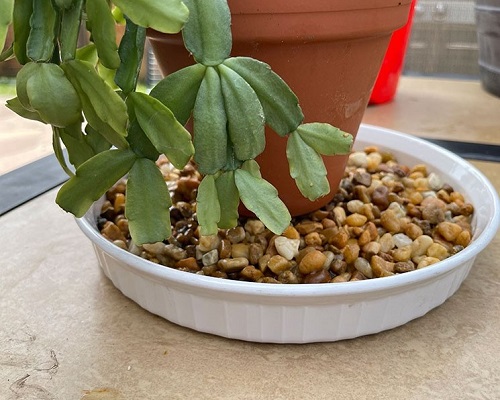
Christmas cactus grows naturally in humid forests instead of desert conditions. Plants inside your home might receive dry air, which shows slow growth and reduces their stem production. Place a pebble tray filled with water beneath the pots or use a humidifier nearby. Always place the pot above the water level so the roots stay dry.
When these plants get better humidity, it helps the stem segments remain firm and healthy. Keeping the moisture balanced in the air will support steady development during active growth. Stronger stems will branch more freely as the plant matures.
A smart humidifier keeps moisture levels ideal, so your Christmas cactus stays healthy all season.
11. Use Rainwater for Root Health
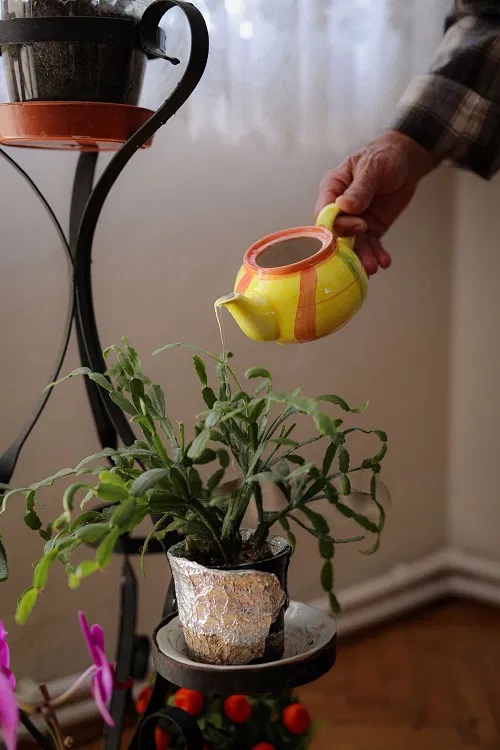
Tap water in some areas contains minerals that slowly build up in the soil. Rainwater is naturally softer and can be gentler on the roots. Collect clean rainwater and use it during regular watering when available. Room-temperature water helps avoid shocking the roots.
Better root health supports steady stem production. Healthy roots encourage stronger branching over time. Consistent care will give you a thicker Christmas cactus, perfect for festive display.
Collect clean rainwater naturally and give your houseplants the soft water they love using this outdoor rain barrel.
12. Avoid Overcrowding With Nearby Plants
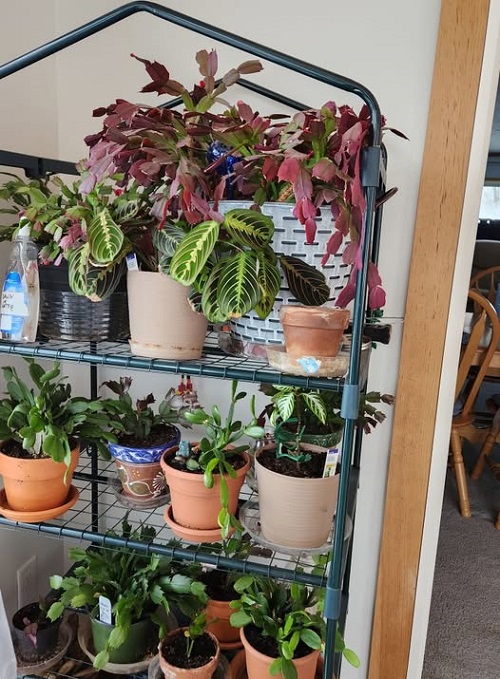
Large houseplants placed too close to your Christmas cactus can block airflow and reduce available light. Give them enough space so every side receives good air circulation. Open space will also help their stems dry properly after watering.
Better airflow will lower the chance of fungal problems, and healthy stems will continue growing without unnecessary stress. More balanced conditions will give your plants stronger branching, and proper spacing supports a fuller, healthier plant.
13. Inspect Regularly for Hidden Pests
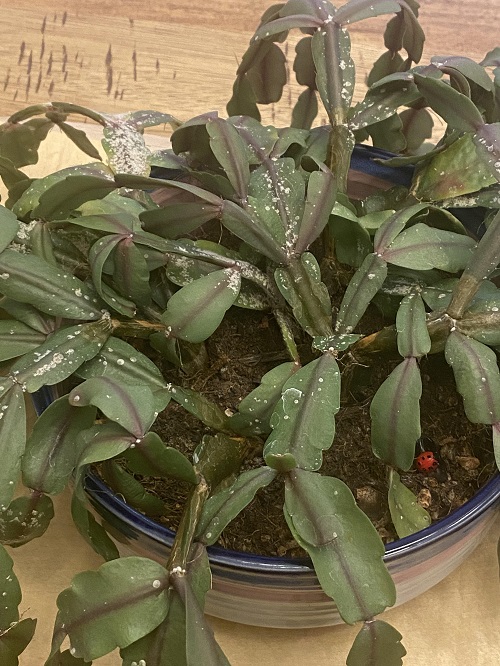
You might have seen tiny pests and fungus destroy the plant more adversely than your pruning, so saving your plants from them is more important. Pests such as mealybugs can weaken the plant long before serious damage becomes visible. Look closely around stem joints and hidden areas every few weeks. Remove them early with cotton dipped in rubbing alcohol or another suitable treatment.
Healthy plants will recover faster from minor problems, and preventing pest damage allows more energy to support fresh growth. Strong stems continue producing new segments throughout the season. Routine inspections will help maintain dense, vigorous growth of your favorite beauties.
14. Give the Plant Enough Growing Time Each Year
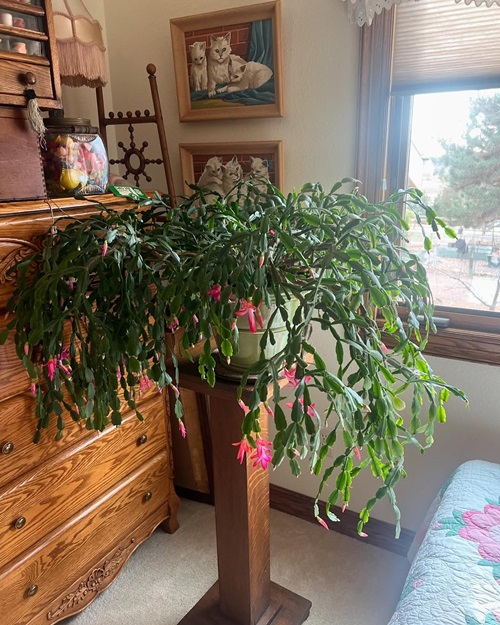
Bushiness develops gradually, and consistent care from spring through early fall allows the plant to produce many new stem segments. Skipping regular maintenance will slow the overall development of your plant. Healthy growth accumulates year after year, making the plant appear denser.
Don’t think of rapid changes after only a few weeks, as small improvements become much more noticeable with time. Steady care produces a naturally full Christmas cactus without repotting. It can even grow so large that you can pass it on to generations.
Do you want healthier houseplants year after year? This bestselling guide is packed with such practical tips for growing stronger, happier indoor plants.