
As an Amazon Associate, we earn a small commission from qualifying purchases — at no extra cost to you.
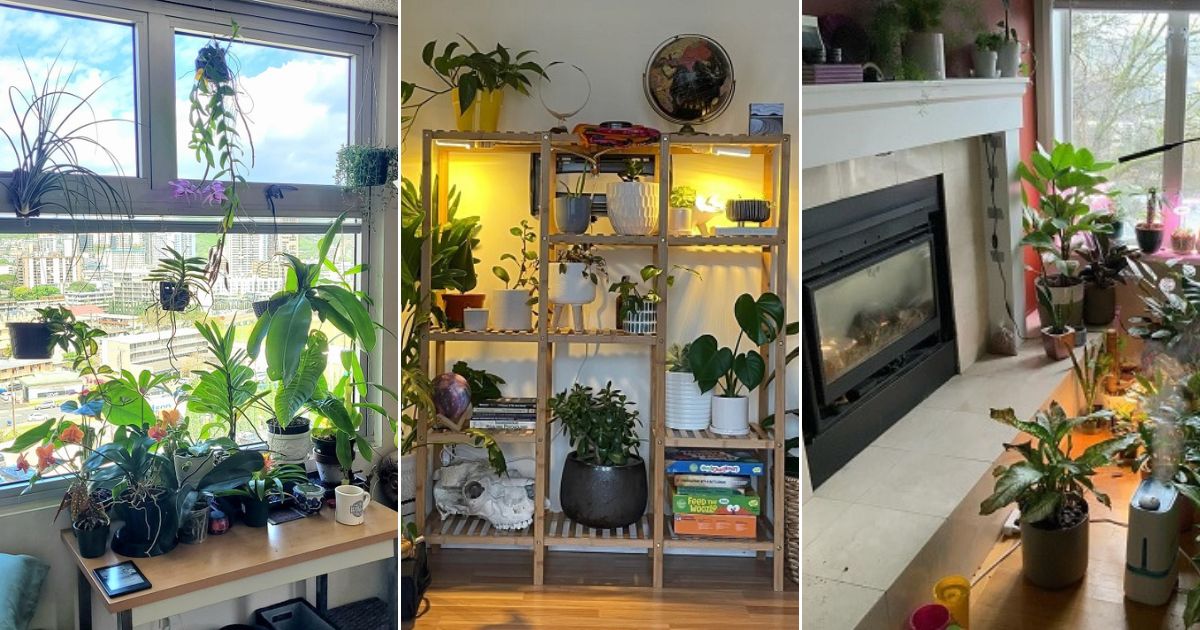
Are your plants ready for autumn? Find out where not to place houseplants in fall and avoid common mistakes that can damage their leaves.
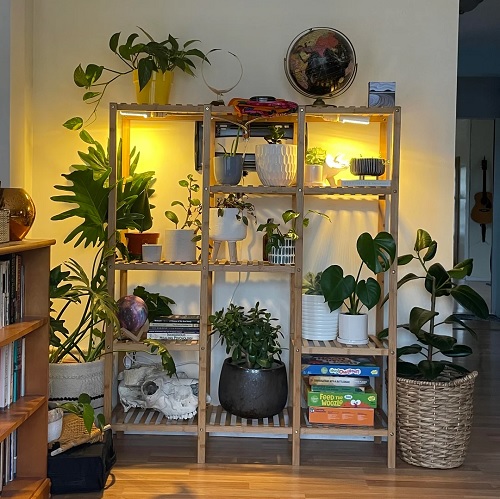
The trees outside your window aren’t the only things changing in fall. Your houseplants also need to adjust to the new season.
One common mistake plant owners make is leaving their houseplants in the same spots they used during summer. As the days get shorter, light levels change, indoor temperatures drop, and humidity levels shift.
When you start using your heating system, the air inside your home can become even drier. These changes can affect how your plants grow and how much care they need.
You may need to move some of your houseplants to help them adjust to the new conditions. Here are five places experts recommend avoiding when placing your houseplants in fall.
Where Not to Place Houseplants in Fall
Against Windows
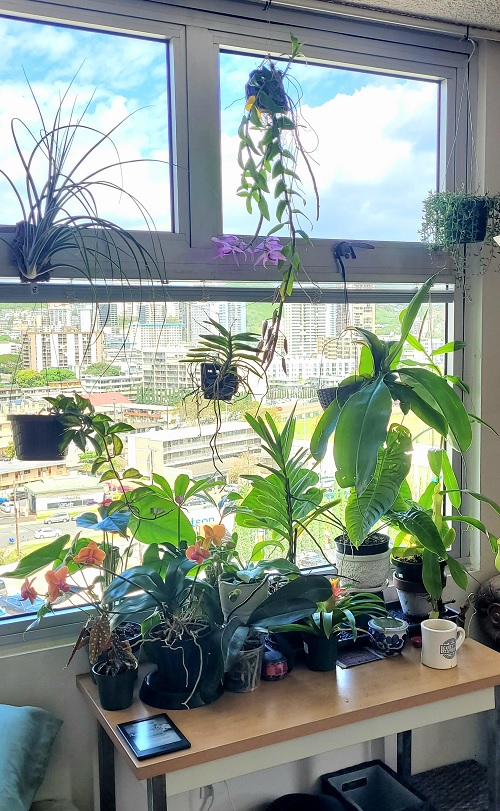
Avoid placing your plants directly against window glass during fall and winter. The glass gets much colder than the rest of the room, especially at night. Lakeisha Jones explains that tropical plants can suffer cold damage if their leaves touch the chilly glass.
Keep your plants a little away from the window and check the temperature around them, especially on cold nights.
Near South-Facing Windows
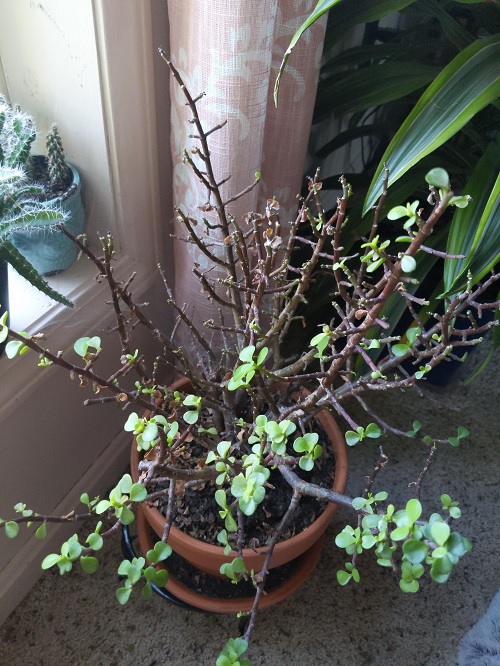
Even though fall brings shorter days, sunlight through south-facing windows can become stronger for some houseplants. The sun’s angle changes during this season, which can affect how much direct sunlight enters your home.
Green suggests moving sensitive plants a little farther away from these windows. Plants with thin leaves are more likely to get sunburned. Move them back a few feet so they still receive natural light without sitting in strong direct sunlight.
Inside Dark, Cold, or Forgotten Spaces
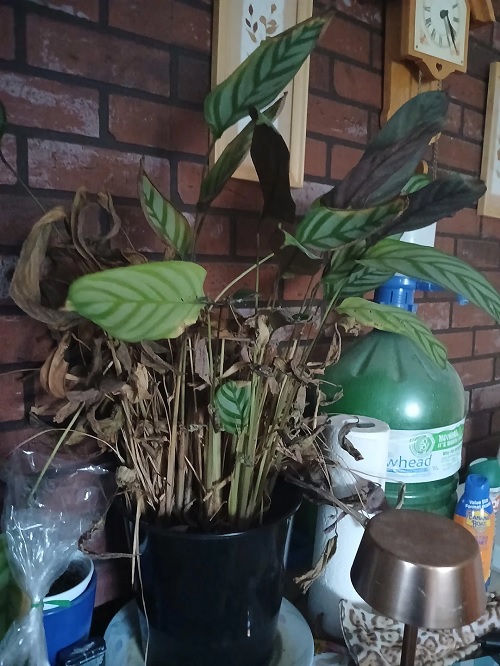
Avoid keeping your houseplants in dark, cold, or rarely used areas of your home. Most tropical houseplants grow better in warm, bright, and humid conditions. During winter, indoor air can become dry, so you may need to use a humidity tray or mist your plants to help maintain moisture.
Keep a thermometer near your plants to check the temperature. Areas near windows can be much colder than other parts of your home.
Attics and basements may seem like good places to keep extra plants, but you might forget to check on them regularly. If you keep plants in these areas, inspect them every two weeks. Place your special or delicate houseplants in rooms you use often, such as the kitchen or bathroom, where you can keep an eye on them.
In Dark Corners
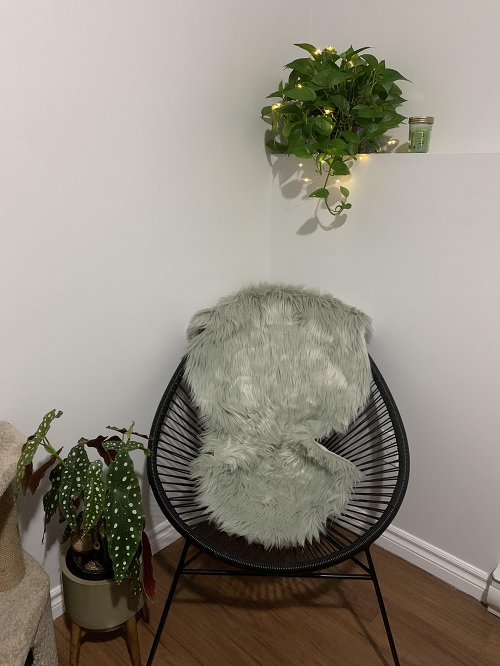
Days become shorter in fall, so your houseplants get less natural light. A spot that provided enough sunlight during summer may not give them enough light now.
Check how much natural light a spot gets before moving your plants there. You can use a light meter to check the light levels. If your plants aren’t getting enough light, move them closer to a window or use a grow light to meet their needs.
Near Fireplaces, Heaters, and Radiators
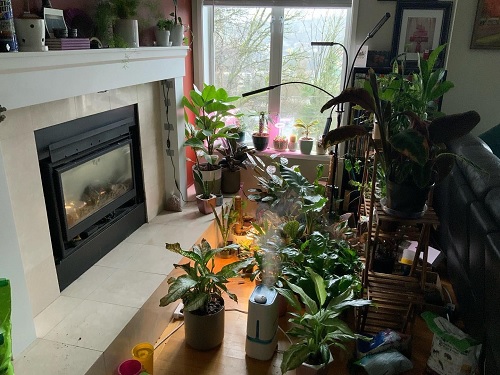
Avoid placing your houseplants above fireplaces or near heaters and radiators. These heat sources can make the air around your plants too hot and dry. This can cause problems for many houseplants, especially tropical varieties that need humidity to grow well.
Plants kept too close to heaters may lose moisture quickly. You may notice the soil drying out faster and the leaves becoming dry, crispy, or damaged.
Keep your plants away from heating vents and other direct heat sources. Move them to a spot where they get a steady temperature without hot, dry air blowing on them.
Tips For Moving Plants Indoors
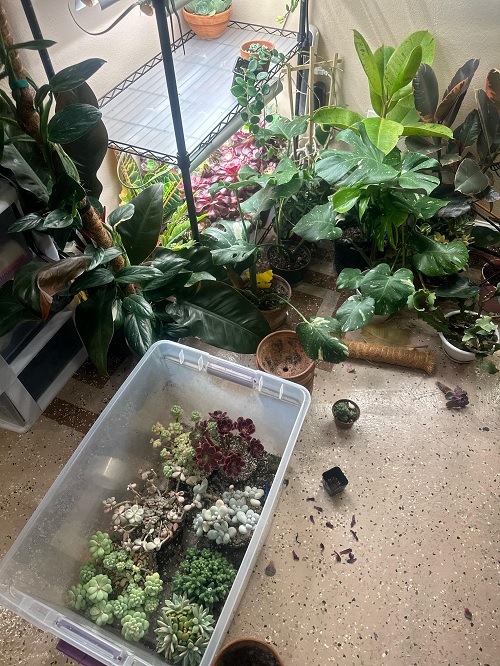
Most indoor houseplants can suffer damage when temperatures drop below 50°F. So, if you kept your plants outdoors during summer, it’s time to bring them inside before the weather gets too cold.
Before bringing them indoors, check the leaves and soil for pests. Give the plants a gentle rinse with water and treat them with an insecticide if needed. You can also repot plants that need fresh soil. Keep them separate from your other houseplants until you are sure they are free of pests.
Moving plants indoors can also be a big change for them. They may have grown well outside in warm, humid air, but indoor rooms can be much drier. This sudden change can affect their leaves and overall growth.
Place your plants in more humid rooms, such as the kitchen or bathroom. These spaces often have more moisture in the air because of running water and steam.