
As an Amazon Associate, we earn a small commission from qualifying purchases — at no extra cost to you.
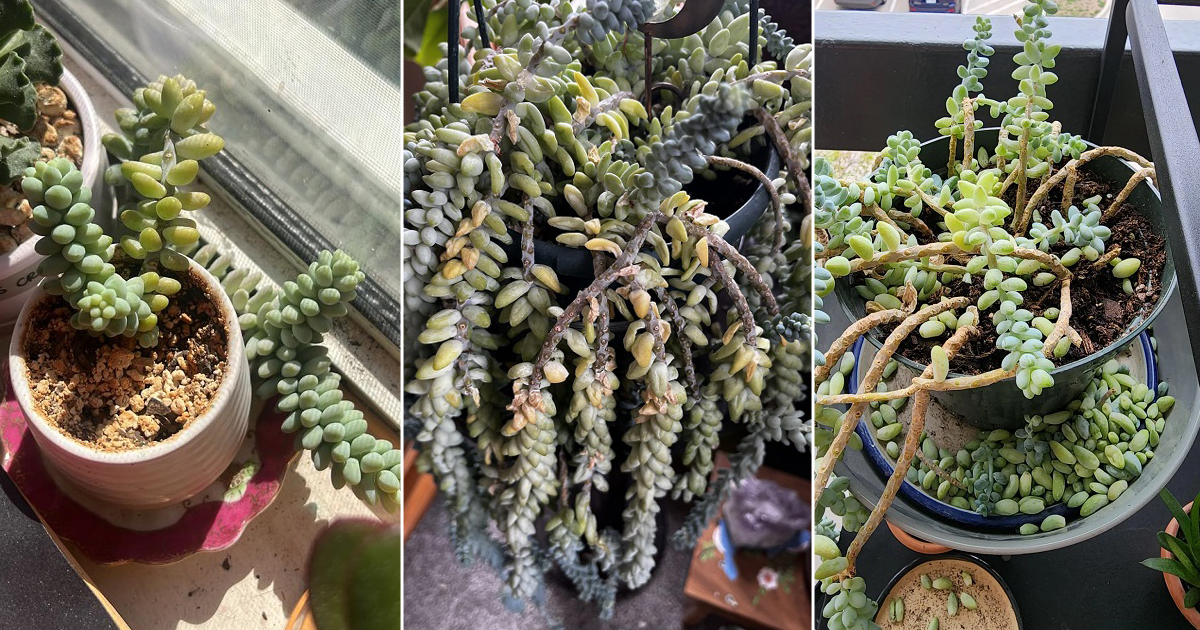
Is your succulent struggling? Learn the common Mistakes that are Killing Your Burro’s Tail Plant and simple ways to help it thrive.
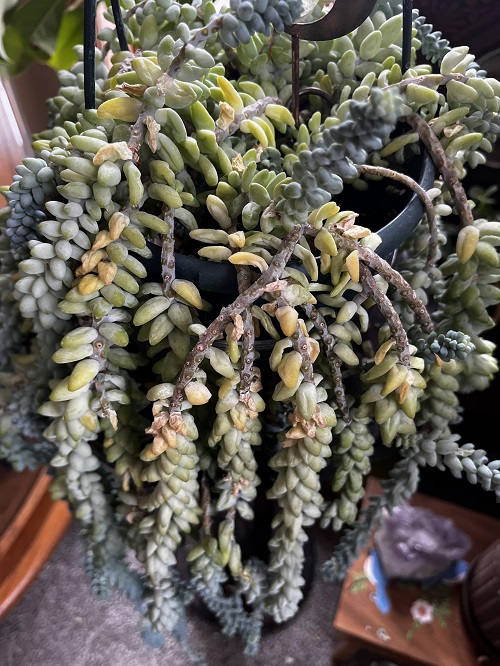
Burro’s Tail is a beautiful succulent, but a few common care mistakes can quickly affect its health. Overwatering, poor lighting, and improper soil are just some of the problems that can cause leaf drop and weak growth. Here are the most common Mistakes that are Killing Your Burro’s Tail Plant and how to avoid them.
Mistakes that are Killing Your Burro’s Tail Plant
1. Overwatering
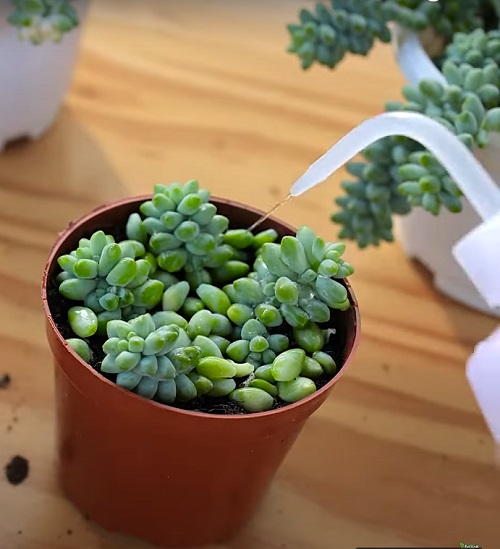
Overwatering is one of the biggest reasons Burro’s Tail plants fail. This succulent stores water in its thick leaves and stems. It does not need frequent watering like many tropical houseplants. When the soil stays wet for too long, the roots cannot breathe properly. The roots begin to rot, and the plant struggles to absorb nutrients. You may notice yellow leaves, soft stems, or leaves dropping easily. Always allow the soil to dry completely before watering again.
2. Growing the Plant in Heavy Soil
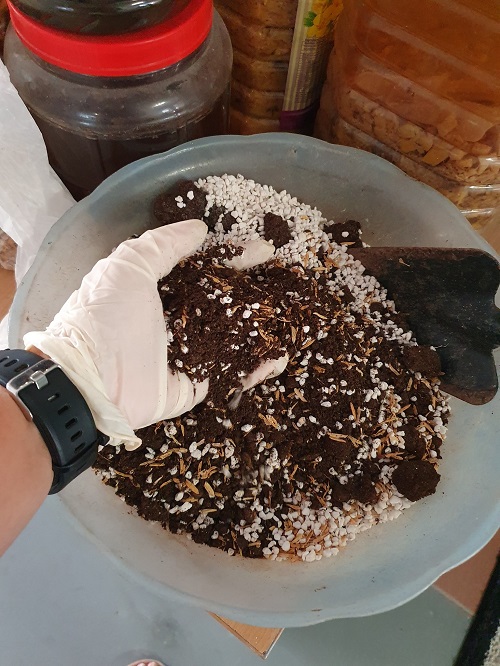
The wrong soil can create serious problems for your Burro’s Tail plant. Regular garden soil or dense potting mixes often retain too much water. Keep in mind that, succulents need soil that drains quickly and allows air to reach the roots. Heavy soil keeps the roots wet for long periods, which increases the risk of rot. A well-draining cactus or succulent mix works much better. Adding coarse sand or perlite can also improve drainage and create healthier growing conditions.
3. Keeping the Plant in Low Light
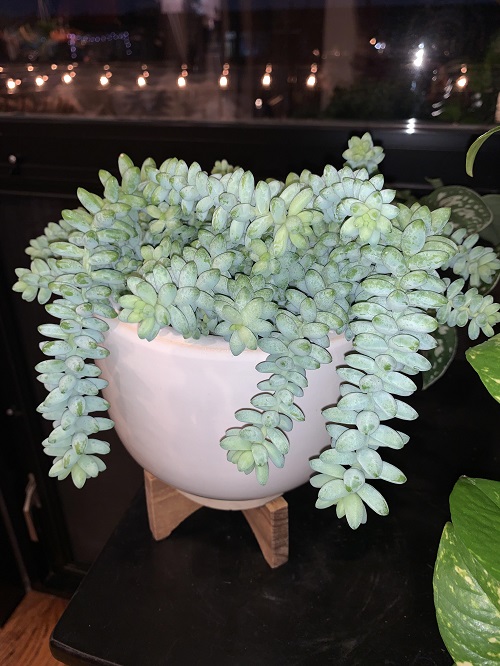
A wrong location can be fatal for this succulent. Burro’s Tail needs bright light to stay healthy and compact. Many people place it in dark corners where it receives very little sunlight. In low light, the stems become stretched and weak.
The spaces between the leaves become larger, and the plant loses its full appearance. Growth slows down, and the stems may become fragile. For best results, place the plant near a bright window where it can receive several hours of indirect light or gentle morning sun.
4. Exposing It to Harsh Afternoon Sun
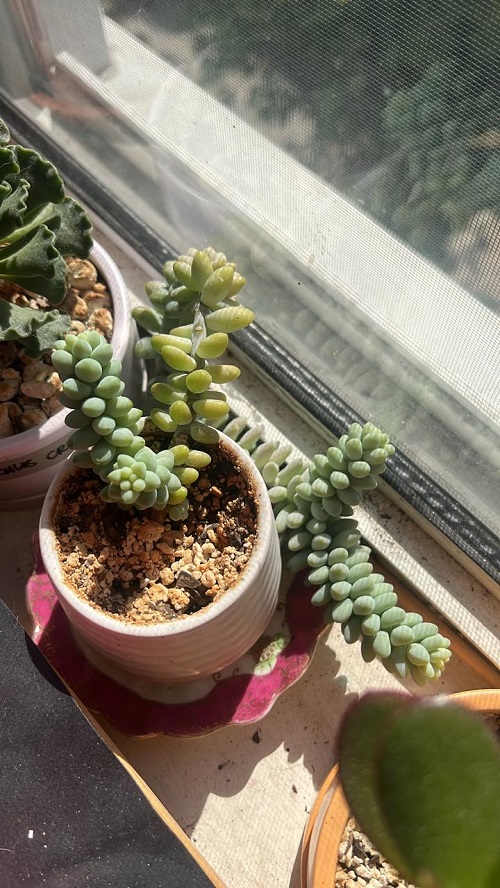
While Burro’s Tail enjoys bright conditions, intense afternoon sunlight can damage the leaves. Strong direct sun can cause sunburn, especially if the plant has been growing indoors. Burned leaves may develop brown, white, or dry patches that cannot be reversed. Sudden exposure to harsh sunlight is often the main cause. If you want to move the plant to a brighter location, do it gradually over several weeks so the leaves can adjust safely.
5. Watering on a Fixed Schedule
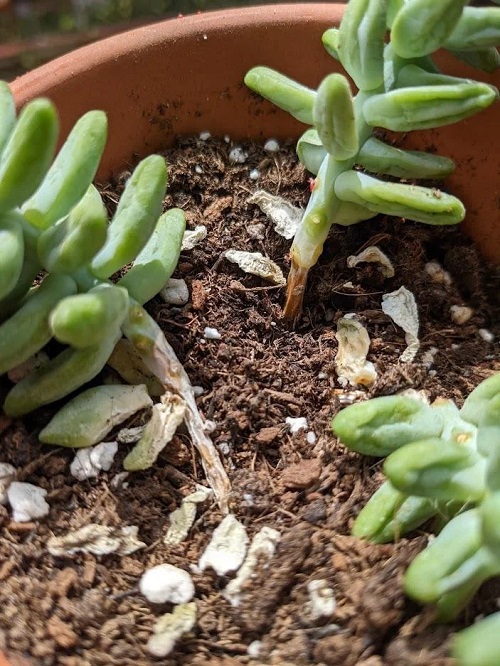
Many plant owners water their Burro’s Tail every week without checking the soil. This habit often leads to overwatering. The water needs of the plant change throughout the year. It may need more water during active growth and much less during cooler months. Instead of following a strict schedule, check the soil first. If the soil still feels damp several inches below the surface, wait a few more days before watering.
6. Choosing a Pot Without Drainage Holes
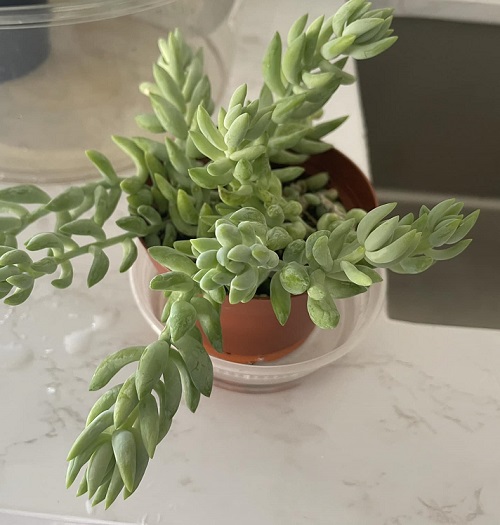
A decorative pot may look attractive, but it can harm your Burro’s Tail if it lacks drainage holes. Excess water must be able to leave the container after watering. Without proper drainage, water collects at the bottom of the pot and surrounds the roots. This creates ideal conditions for root rot. Even if you water carefully, trapped moisture can still cause damage over time. Always select a container with drainage holes for better root health.
7. Handling the Plant Too Often
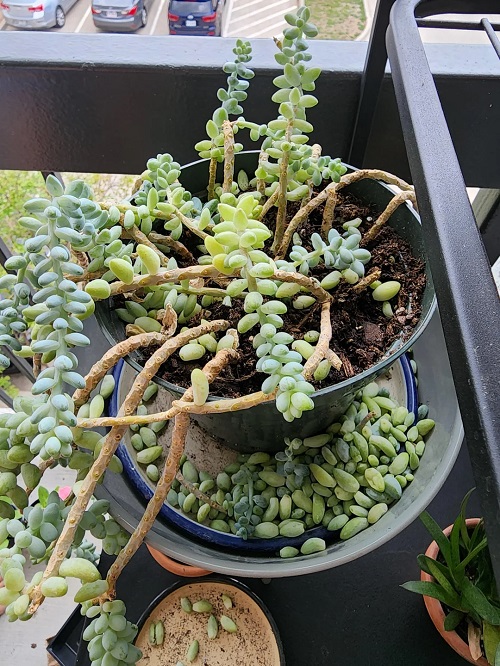
The leaves of Burro’s Tail are very delicate. They can fall off with the slightest touch. Many people move, rotate, or handle the plant frequently. Each time the stems are disturbed, leaves may detach and leave bare spots behind. Although fallen leaves can be used for propagation, constant leaf loss makes the plant look sparse. Once you find a suitable location, try to leave the plant undisturbed as much as possible.
8. Ignoring Temperature Requirements
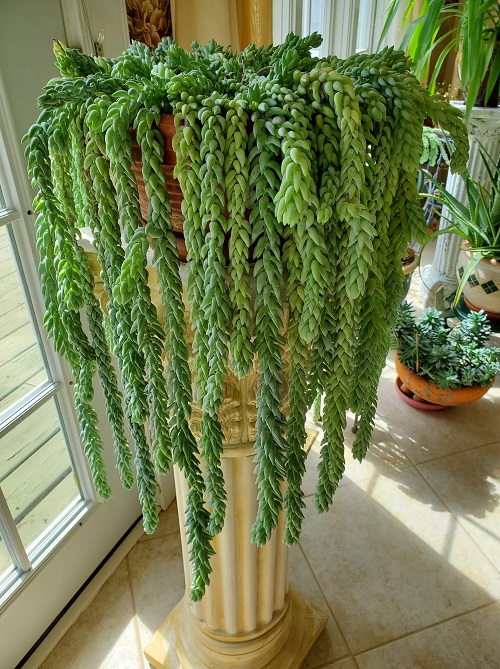
Burro’s Tail grows best in temperatures between 65°F and 80°F (18°C to 27°C). It can tolerate slightly cooler conditions, but temperatures below 50°F (10°C) may slow growth and stress the plant. Prolonged exposure to temperatures below 40°F (4°C) can cause serious damage, including soft leaves, discoloration, and leaf drop.
Frost can quickly kill stems and roots. Keep the plant away from cold drafts, air conditioners, and chilly windows during winter. A stable indoor temperature helps Burro’s Tail stay healthy and continue growing throughout the year.
9. Applying Too Much Fertilizer
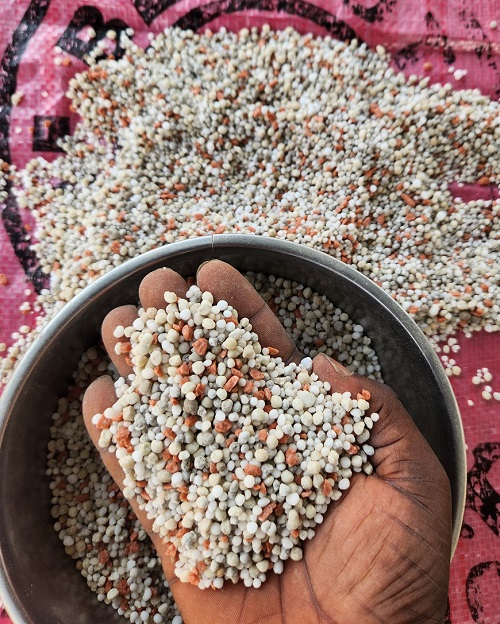
Many gardeners believe more fertilizer will encourage faster growth. However, Burro’s Tail does not need heavy feeding. Excess fertilizer can cause weak, stretched growth and may even damage the roots. Salt buildup from fertilizers can also affect the plant’s ability to absorb water properly. Use a balanced liquid fertilizer with an NPK ratio of 10-10-10 or 5-10-5, diluted to half or quarter strength, once every 4–6 weeks during spring and summer. Avoid fertilizing during fall and winter when growth slows down. Feeding too often can create more problems than benefits.
10. Letting Dust Build Up on the Plant
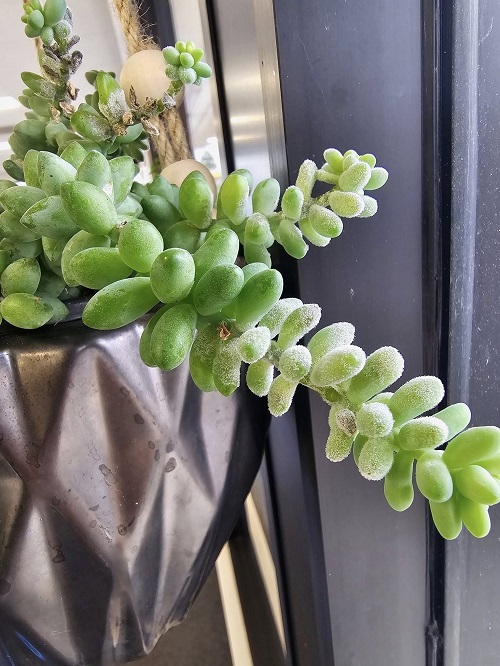
Dust may seem harmless, but it can affect the plant’s ability to receive light efficiently. Over time, a layer of dust can settle on the leaves and reduce photosynthesis. This can slow growth and make the plant look dull. Since the leaves are fragile, avoid wiping them aggressively. Instead, use a soft brush or gentle air flow to remove dust without causing leaf drop.
11. Neglecting Signs of Root Rot
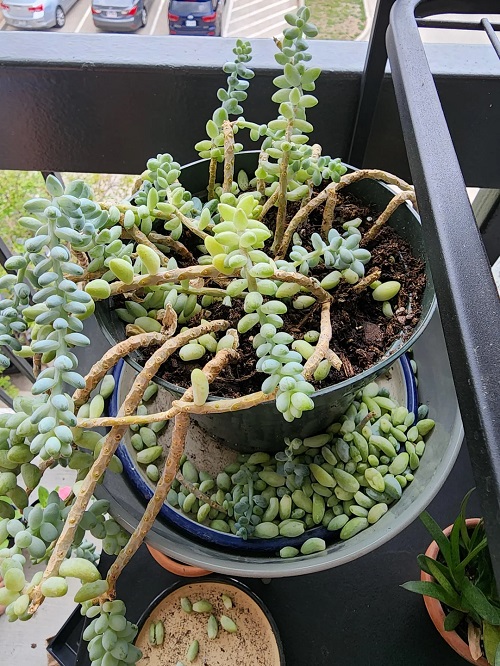
Root rot often develops slowly, and many people do not notice it until the damage becomes severe. Early signs include yellowing leaves, soft stems, and soil that stays wet for a long time. If these symptoms appear, inspect the roots immediately. Healthy roots should be firm and light in color. Removing damaged roots and repotting into fresh, well-draining soil can sometimes save the plant before the problem spreads further.
12. Repotting Too Frequently
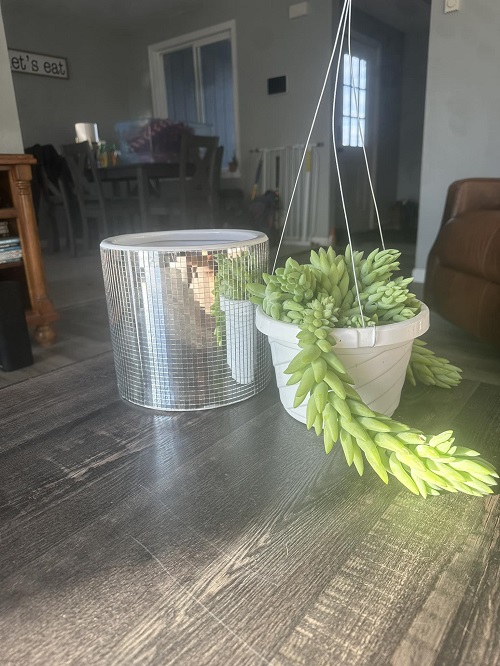
Burro’s Tail grows well when slightly root-bound and does not need frequent repotting. Constant repotting disturbs the roots and often causes significant leaf loss. Every move creates stress for the plant and slows its recovery. Repot only when the plant has clearly outgrown its container or when the soil needs replacement. Choosing the correct pot size from the beginning can reduce unnecessary disturbances.