
As an Amazon Associate, we earn a small commission from qualifying purchases — at no extra cost to you.
Is your fuchsia wilting? Learn simple secrets to revive a wilted fuchsia fast and bring your plant back to life with easy care tips.
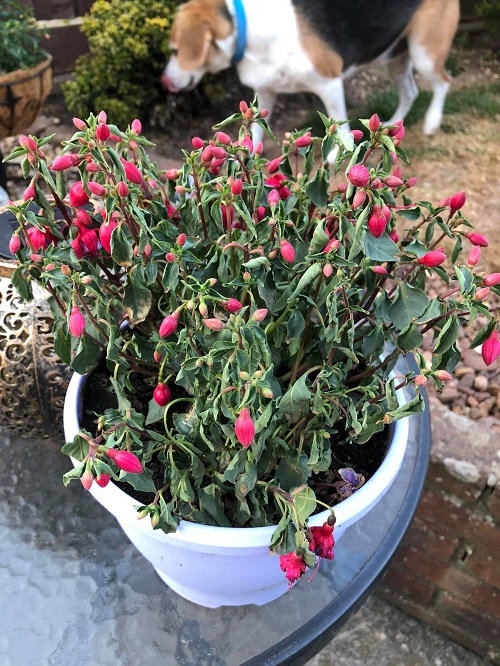
Seeing your plant droop can be worrying, but don’t give up yet. Secrets to Revive a Wilted Fuchsia Fast can help you bring it back to life with simple steps. With the right care, watering, and attention, your fuchsia can recover quickly and look fresh, healthy, and full of color again.
Why Do Fuchsias Wilt?
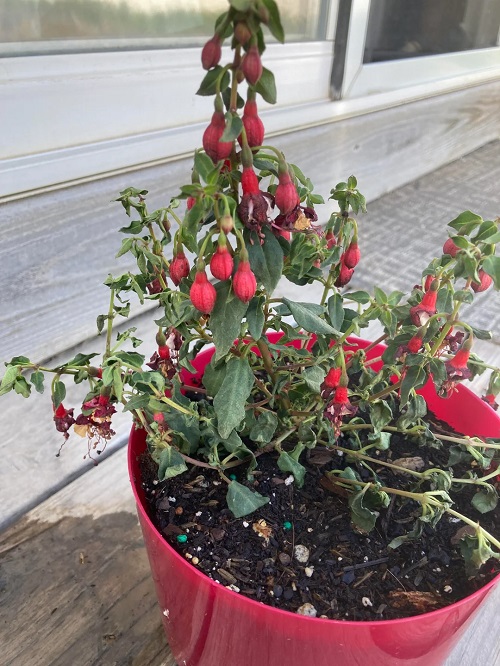
Let’s understand what wilting means. You will notice wilting when your plant’s leaves and soft stems start to droop. This happens because they do not have enough water. The plant loses its firmness, leaves may look darker, and they can curl.
Wilting is your plant’s way of protecting itself, or it happens when water is not moving properly inside the plant. Your fuchsia wilts when it does not have enough moisture to keep its cells full and its stems upright.
Sometimes, your plant wilts to protect itself. It reduces the leaf area exposed to sun and wind so it can save water until conditions improve.
There are three main reasons your fuchsia may wilt. You might be giving it too much water, not enough water, or it could be facing too much heat.
You will learn more about these causes in the next sections, along with helpful tips to fix them.
In some cases, your plant may also wilt because of pests or diseases. This is less common, but it is still possible, and we will talk about it at the end.
Secrets to Revive a Wilted Fuchsia Fast
1. Water Properly
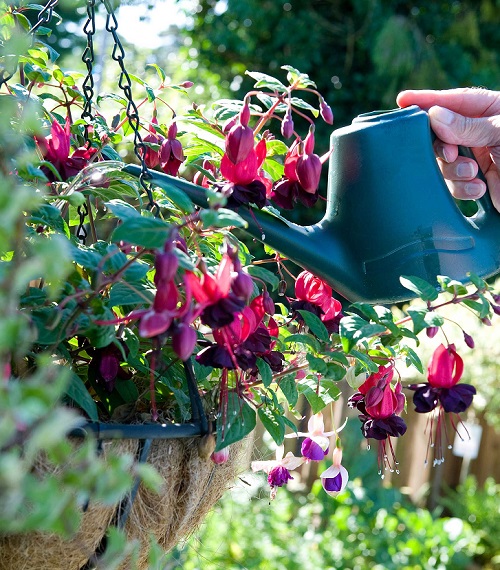
All plants need water, but fuchsia plants need a lot of it. If they stay dry for too long, they will start to wilt. You can check this easily. Touch the soil. If it feels dry, your plant needs water. It is usually that simple.
In ideal conditions, fuchsia plants like soil that stays evenly moist but not soggy. The soil should drain well so the roots do not sit in too much water. But in real life, this does not always happen. You may forget to water, or the weather may become too dry.
When a fuchsia does not get enough water, it will wilt to show stress. If this keeps happening, the leaves may turn yellow. The tips of the leaves can become dry and brown. The plant may also drop buds or flowers. The good thing is that this problem is easy to fix.
Just water the plant well. Keep watering until the soil is fully moist and water starts coming out of the drainage holes if it is in a pot. For plants growing in the ground, the soil should feel like a damp sponge.
2. Keep Pests in Check
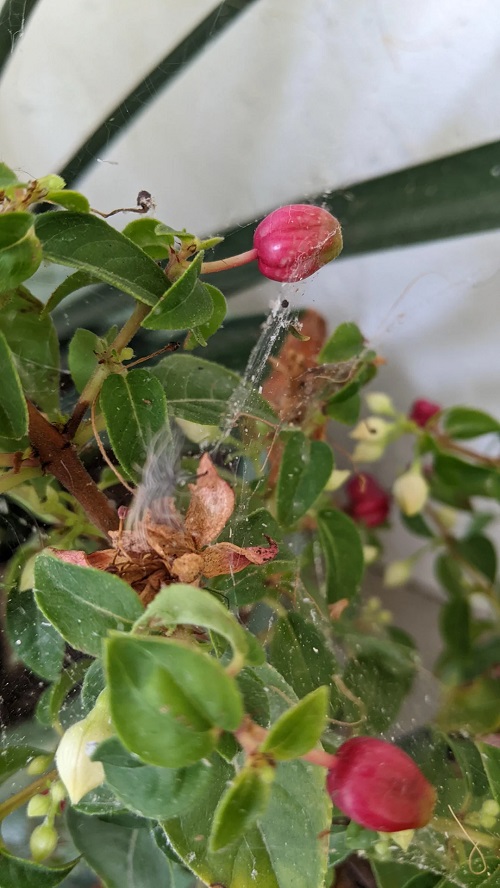
If you have already fixed the watering and the weather is not too hot, then you should check your plant for pests. This is not very common, but it can still happen. In most cases, you will see more signs than just wilting if pests are the problem.
Look closely at your plant. Aphids are small insects that suck sap from the leaves and stems. This can make your plant weak and droopy. Whiteflies do the same thing. They can cause wilting and also turn the leaves yellow.
If you notice these pests, you need to treat your plant quickly. Check both the top and underside of the leaves so you don’t miss them.
You can usually control these sap-sucking insects by using insecticidal soap regularly. Spray it on your plant to keep the pests under control.
Do not use insecticidal soap on a hot day or when your plant is in direct sunlight. It can burn the leaves and damage your plant. Always apply it in the early morning or evening when it is cooler.
Try to use chemical treatments only when needed. Use them as a last option. Organic methods are safer for your plant and better for the environment.
3. Right Temperature
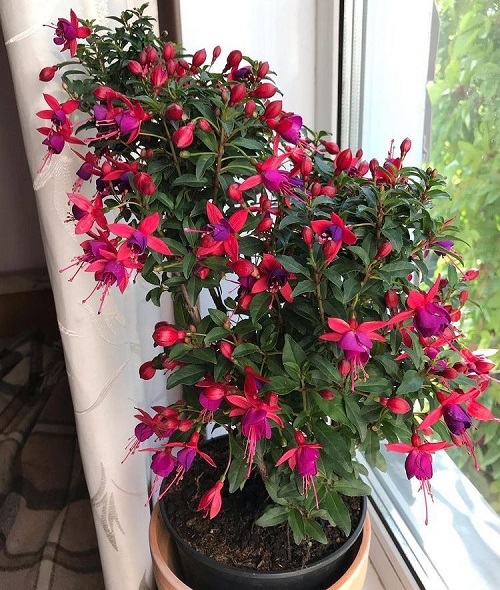
Fuchsia plants do not like heat. If the weather gets too hot, your plant can wilt even when the soil is still moist. If this happens, do not rush to water it. Adding more water can make things worse and harm the roots.
When the temperature goes above the mid-80s, especially in dry air, your fuchsia may start to droop. On hot days, always check the soil before watering. Touch it with your finger. If it still feels moist, do not add water.
Instead, move your plant to a cooler and shady place. If you have a hanging basket, bring it down and keep it in the shade. If your fuchsia is in a pot, shift it to a spot with less direct sunlight. You can also mist the leaves with water. This helps cool the plant and gives quick relief.
Leave your plant in the shade for some time so it can recover. It should look better once the temperature drops. If your fuchsia is indoors, make sure it is not getting strong sunlight through a window. If it is, move it away and mist the leaves.
Remember, heat stress can happen whether the soil is dry or wet. If the soil feels dry, you can water it. But if your plant still looks weak, move it to a cooler spot and mist the leaves to help it recover.
4. Manage Diseases
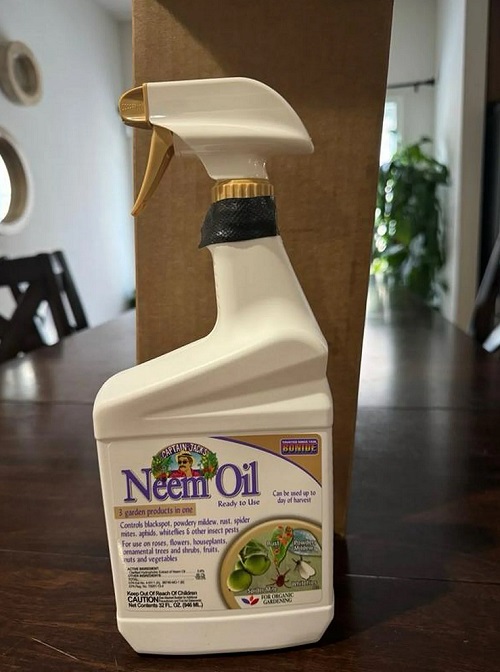
If the problem is not caused by pests or watering, then your plant may have a disease. In many cases, these diseases are fungal. Common ones include botrytis blight, rot, rust, and verticillium wilt. These can make your plant look weak, wilted, and unhealthy.
You can prevent these problems with simple care. Water your plant in the morning so it dries during the day. Always water at the base, not on the leaves. Make sure your plant has enough space so air can move around it. This helps keep the leaves dry and healthy.
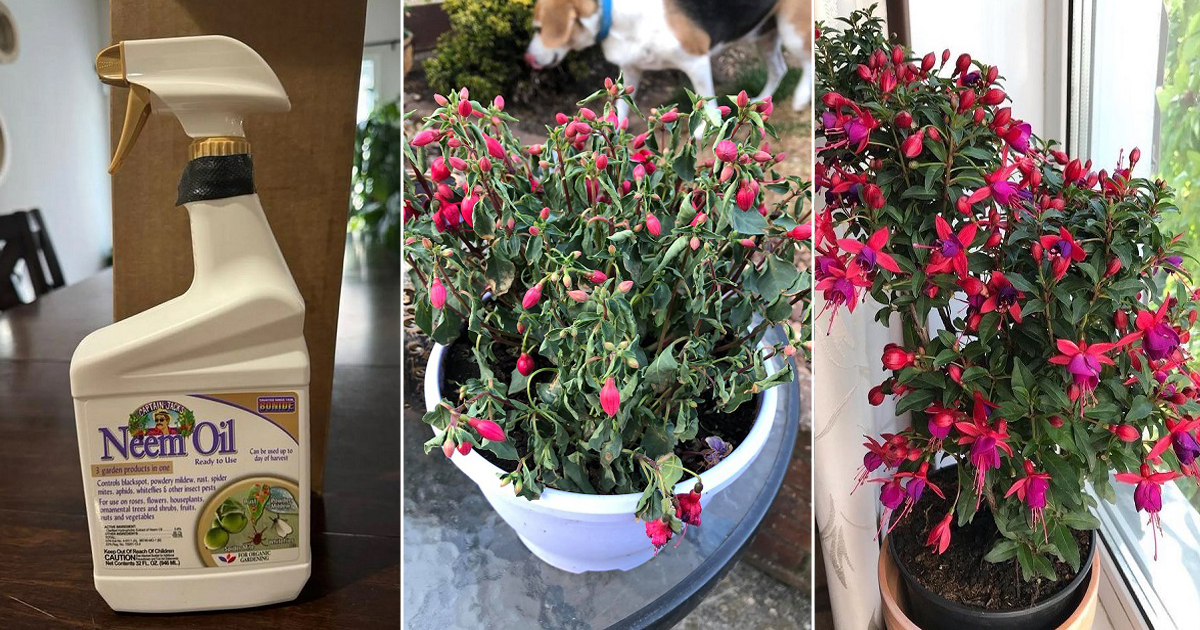
If your plant already has a fungal problem, you can spray neem oil on the leaves once a week. This helps control the spread. You can also use a biofungicide. It works well against many fungal diseases and helps your plant recover.
5. Feed them Right
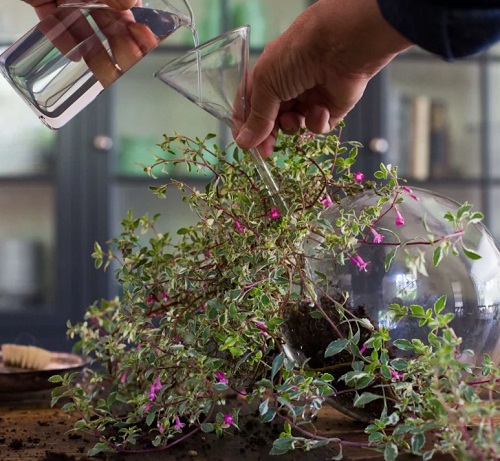
Once your fuchsia plant is well established, you should water it regularly with a diluted water-soluble fertilizer. This helps the plant grow strong and healthy.
Do not feed a newly planted fuchsia right away. Its roots are still soft and delicate. Fertilizer can damage or burn them. Wait until the plant settles and starts growing well before you begin feeding.