
As an Amazon Associate, we earn a small commission from qualifying purchases — at no extra cost to you.
Spot the early Signs and Prevention of Pothos Root Rot with easy tips. Keep your plant safe, healthy, and growing strong with simple care steps.
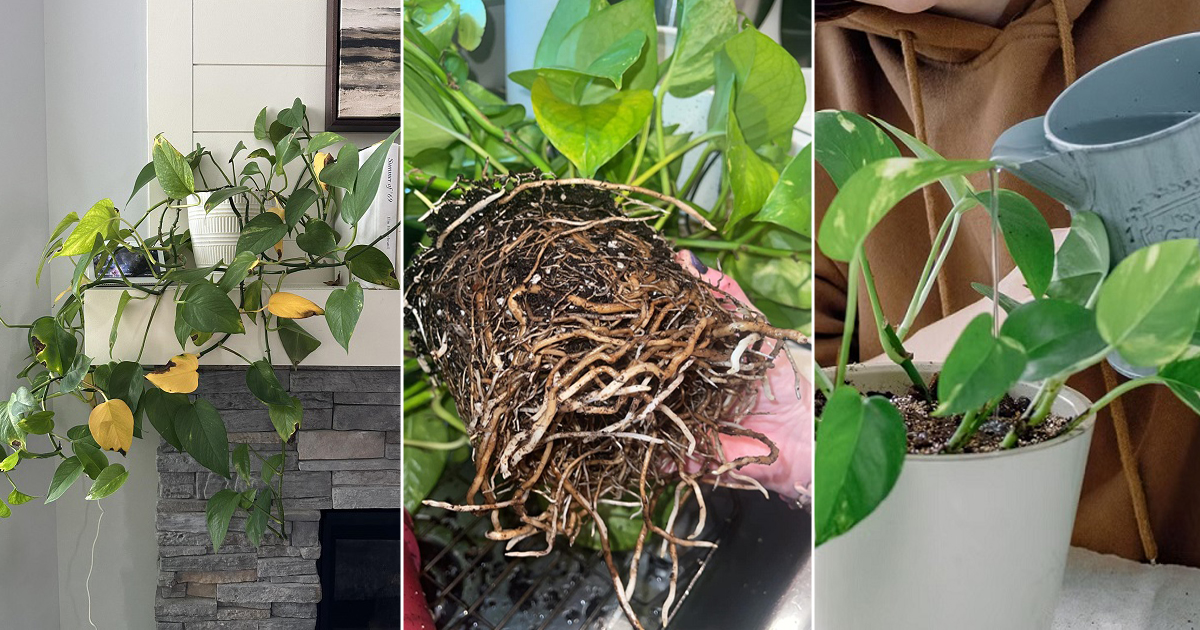
If your plant looks weak or droopy, it may be time to learn about Signs and Prevention of Pothos Root Rot. This common problem happens when roots stay too wet for too long. In this guide, you will understand early signs and simple steps to keep your pothos healthy and strong.
Signs and Prevention of Pothos Root Rot
What causes Root Rot in Pothos
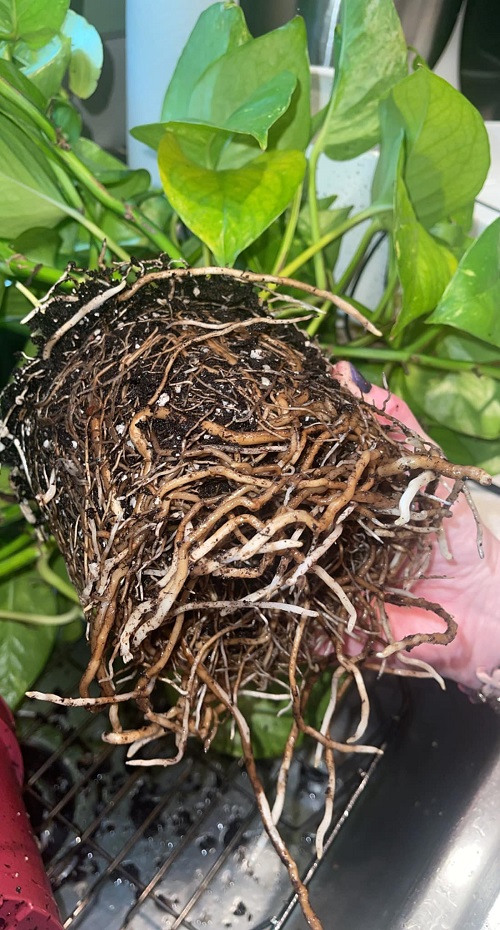
You are not just dealing with watering problems or soil issues. The real problem often starts with tiny organisms in the soil. These are fungi and bacteria that attack your plant’s roots. Different plants can attract different types of these organisms. For example, tomatoes often get a fungus called fusarium. In houseplants, the most common causes of root rot are fungi like Pythium and Phytophthora. You may also hear them called water moulds. Other fungi like Fusarium and Rhizoctonia can also cause damage.
When your plant is affected by Pythium, you may first notice the lower leaves turning yellow. As the problem gets worse, you may see wet-looking spots on the plant. The root tips start to die early. Later, the roots look soft and water-soaked. The outer layer of the roots may even slide off when you touch them.
If your plant has Phytophthora, you may see wilting even when the soil is still moist. This can feel confusing because you are watering properly. The lower stems may turn soft or dark brown to black. The lower leaves often turn yellow and fall off. In some cases, your plant may look like it has too much fertilizer. This happens because damaged roots cannot control salts properly.
Many causes of root rot can show similar signs. You can use these symptoms to understand that your plant has root rot. However, you may not always be able to tell exactly which fungus or bacteria is causing it just by looking at the plant.
1. Early Signs You Should Not Ignore
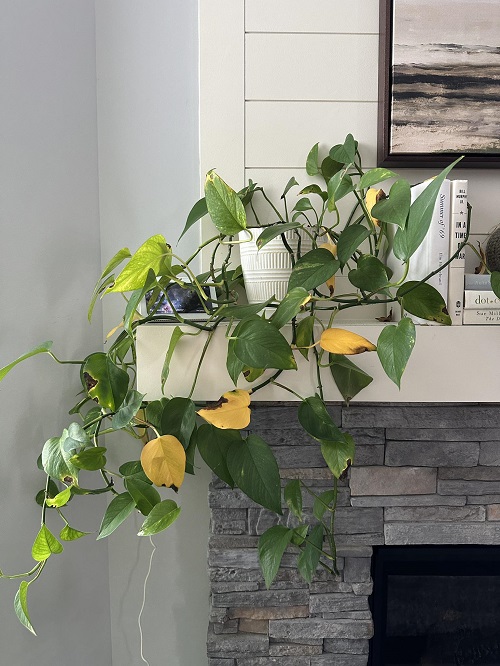
The first signs often appear in the leaves. Leaves may turn yellow even when the soil is wet. You may see slow growth or smaller new leaves. The plant can look dull and tired. If you check the soil, it may feel heavy and stay wet for many days. These are early warnings that something is wrong below the surface.
2. Advanced Symptoms of Root Rot
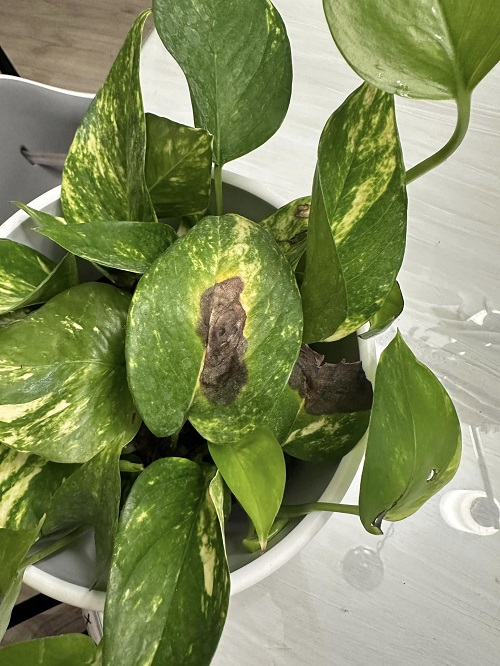
As root rot spreads, the plant shows stronger signs of stress. Leaves may turn brown or black and fall off easily. Stems can become soft near the base. You may notice a bad smell coming from the soil. When you remove the plant, the roots look dark, slimy, and weak. At this stage, damage is serious and needs quick action.
3. Main Causes of Root Rot
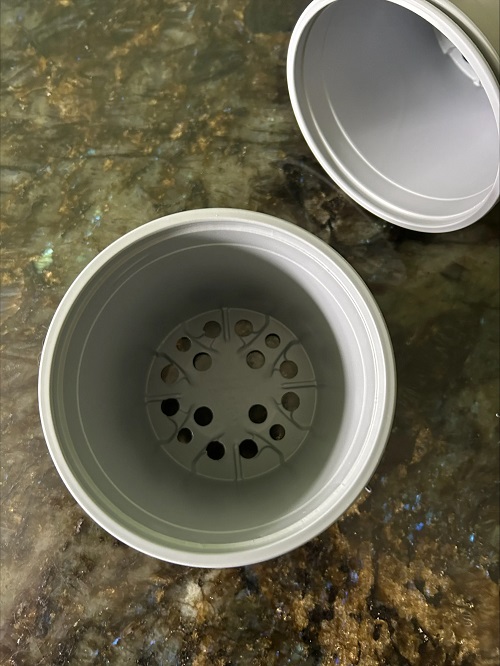
Overwatering is the most common cause of root rot in pothos. When you water too often, the soil does not get time to dry. Poor drainage also plays a big role. Pots without drainage holes trap water at the bottom. Heavy soil that holds too much moisture can also cause problems. Low light slows drying and increases risk.
How to Prevent Overwatering
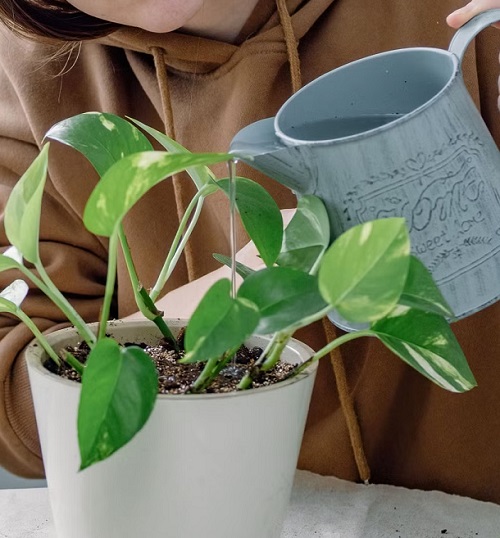
Water your pothos only when the top soil feels dry. Check the soil with your finger before watering. Do not follow a fixed schedule. Weather and indoor conditions change how fast soil dries. Use less water in winter and more in warm months. This simple habit helps keep the roots safe and healthy.
Prevention of Pothos Root Rot
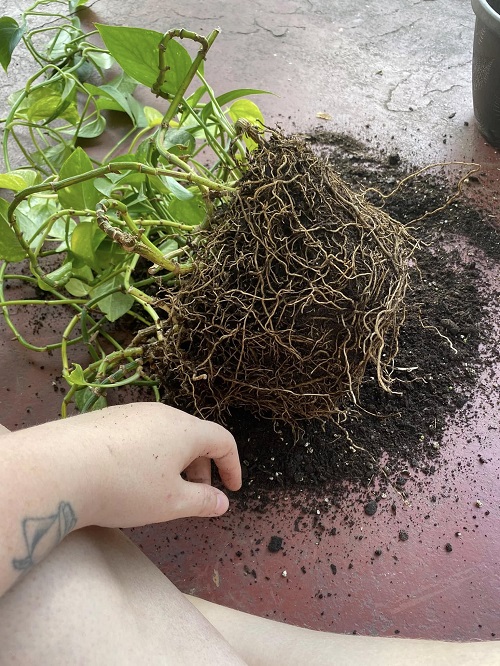
Root rot is hard to fix unless you catch it early. When the roots are badly damaged, your plant may not survive. Still, if some healthy roots remain, you have a chance to save it.
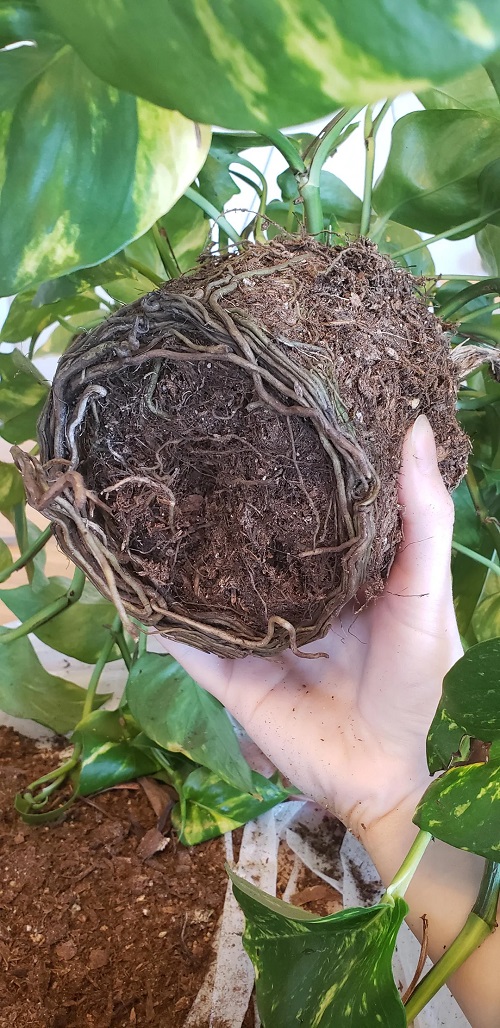
Start by taking your plant out of its pot. Remove all the soil from the roots. You need to wash the roots well so no infected soil stays behind. Look closely at the roots. Cut away all soft, dark, and damaged parts. Keep only the firm and healthy roots. Do not leave any rotting parts, or the problem will come back.
After that, place your pothos in a clean pot with fresh potting soil. This helps the plant recover. You also need to change how you water. Make sure the soil does not stay wet for too long.
If most of the roots are damaged and the vines are also rotting, it is better to remove that part. You can still save the plant by cutting healthy vines. Use clean, sharp scissors and cut above the damaged area. Place these cuttings in water so they can grow new roots. This way, you can grow a new and healthy pothos.