
As an Amazon Associate, we earn a small commission from qualifying purchases — at no extra cost to you.
Learn simple Things You Can Add to the Soil to make Monstera Grow Faster, to speed up growth and support healthy roots.
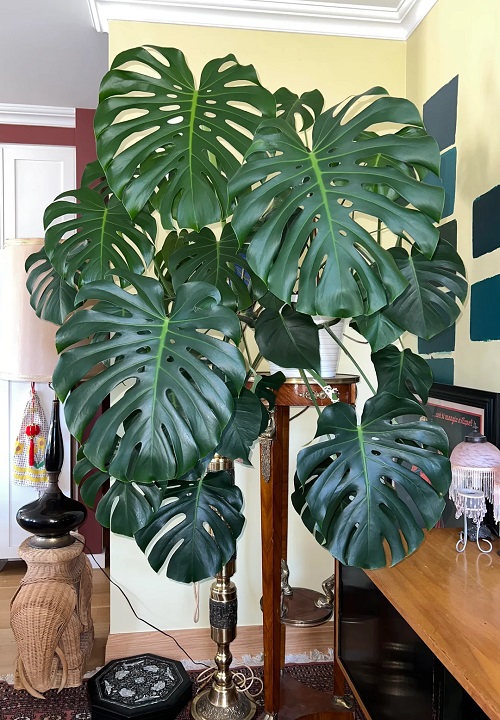
Monstera is loved for its large, tropical leaves and easy-going nature. While it grows well with basic care, you can accelerate its growth by enriching the soil with a few beneficial additions. These extra ingredients enhance nutrient content, improve drainage, and support growth. Here are the best Learn simple Things You Can Add to the Soil to make Monstera Grow Faster, to speed up growth and support healthy roots.
Things You Can Add to the Soil to Make Monstera Grow Faster
Give your Monstera the soil upgrade it deserves! Grab a complete indoor-plant soil kit and also give a look at our Amazon Storefront for more such essentials.
1. Compost for Natural Nutrients
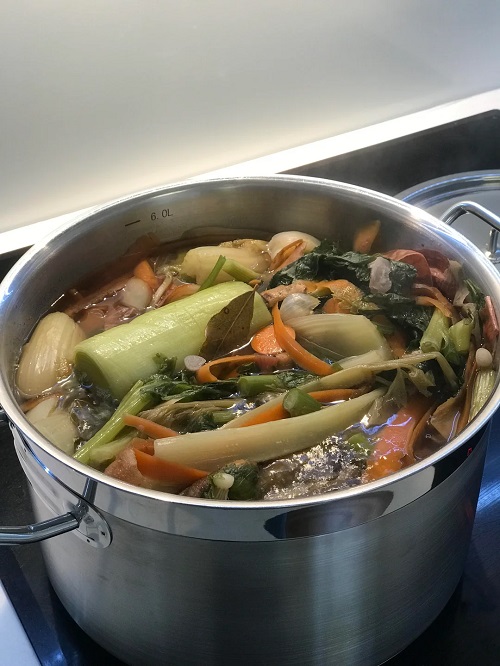
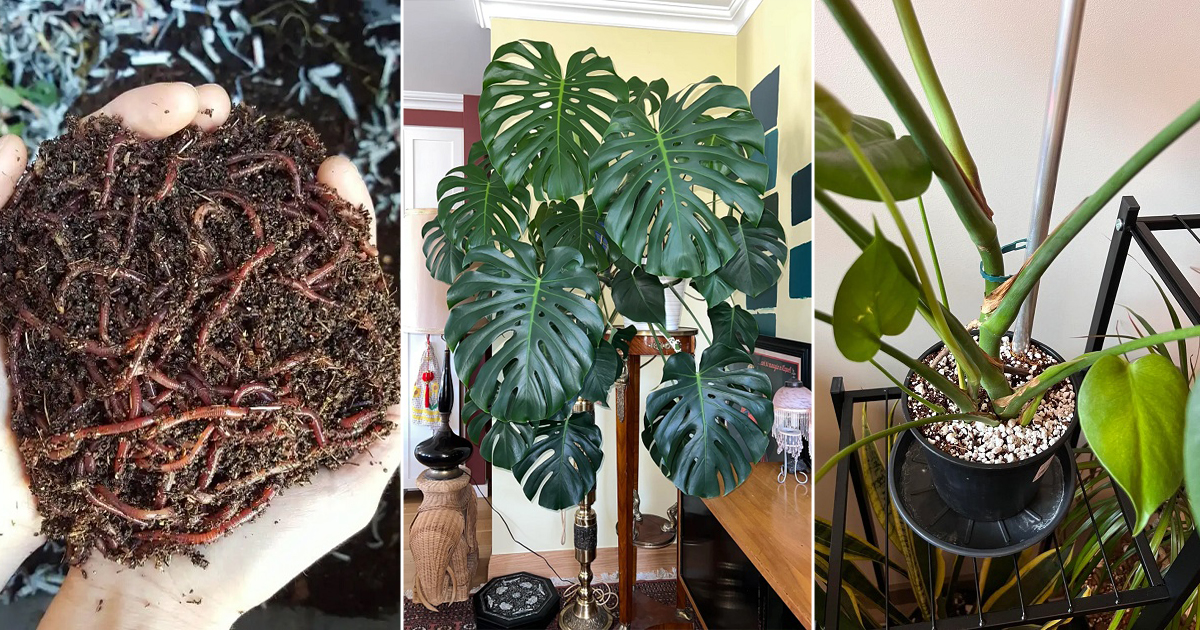
Compost is one of the best things you can add to your Monstera soil. It provides organic nutrients, such as nitrogen, phosphorus, and potassium, that help the plant grow faster. Use well-rotted compost and mix it into the potting soil to enrich and fertilize it.
Tip: Use compost made from vegetable scraps, leaves, and garden waste. Avoid anything with meat or dairy.
Check out this organic potting mix packed with ingredients that support healthy roots and steady growth.
2. Worm Castings for Gentle Feeding
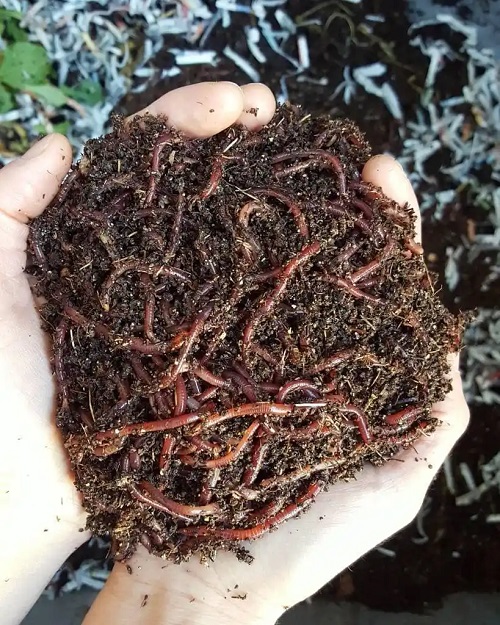
Worm castings, also known as worm poop, are full of good bacteria and slow-release nutrients. They improve the soil structure and help plants take in nutrients more effectively. Just a small handful mixed into the top layer of soil can make a big difference.
Tip: Add worm castings every 2–3 months for steady growth.
Give your Monstera a gentle nutrient boost. Check out a quality bag of worm castings for an easy soil upgrade.
3. Perlite for Better Drainage
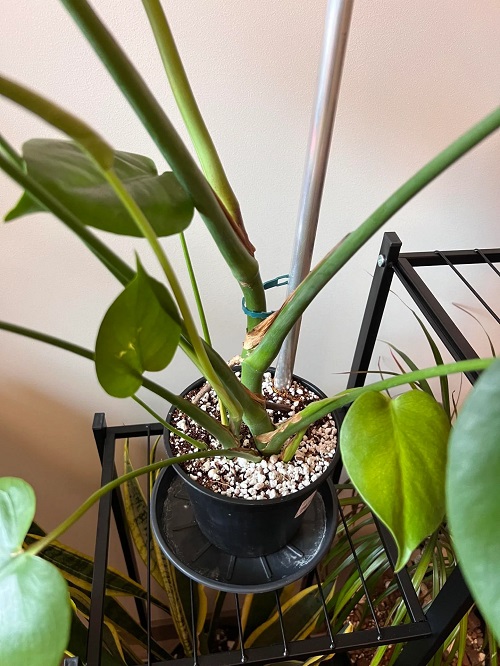
Monsteras don’t like soggy soil. Perlite is a lightweight white rock that helps the soil stay loose and well-draining. It prevents root rot and lets the roots grow freely, which leads to faster growth.
Tip: Mix about 20–30% perlite into your potting mix.
Add some horticultural perlite to your potting mix and give excess water an easier way out.
4. Coco Coir or Peat Moss to Hold Moisture
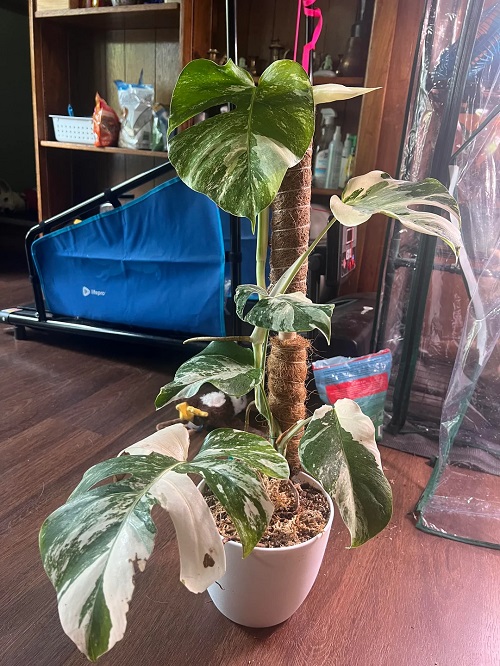
Coco coir (made from coconut husks) and peat moss are great for holding just the right amount of moisture. They also help create a slightly acidic pH level, which Monstera loves.
Tip: Use coco coir instead of peat moss for a more eco-friendly option.
These coco coir bricks make an easy moisture-holding addition to your potting blend. Use a moss pole to give support to your Monstera.
5. Aged Manure for a Nutrient Boost
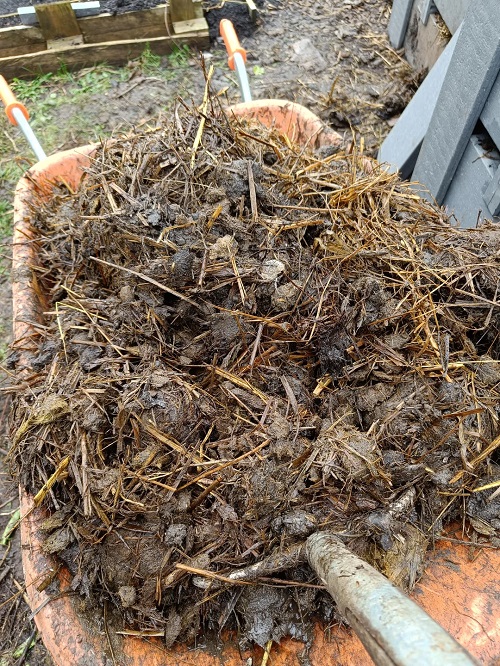
Well-rotted cow or horse manure adds a powerful dose of nutrients to the soil. It’s especially rich in nitrogen, which encourages lush leaf growth. Ensure it’s aged or composted to prevent burning the roots.
Tip: Mix a small amount into the soil once or twice a year.
6. Activated Charcoal to Keep Soil Fresh

Activated charcoal helps absorb toxins, smells, and excess moisture. It keeps the soil clean and reduces the risk of mold or root rot, which means a healthier, faster-growing plant.
Tip: Add a thin layer at the bottom of the pot or mix it lightly into the soil.
7. Fish Emulsion for Fast Growth
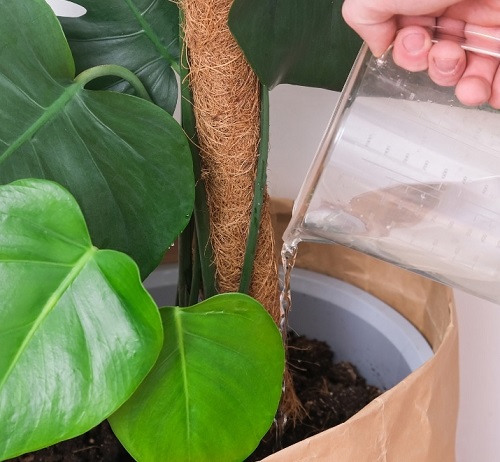
Fish emulsion is a liquid fertilizer made from fish remains. It’s packed with nitrogen and other nutrients that encourage rapid growth. Add it to your watering can and feed your Monstera every 2–4 weeks.
Tip: It can have a strong smell, so apply it outdoors or near an open window.
Take a look at a fish emulsion to help plants make better use of their growing medium.
8. Banana Peel Bits for a Potassium Kick
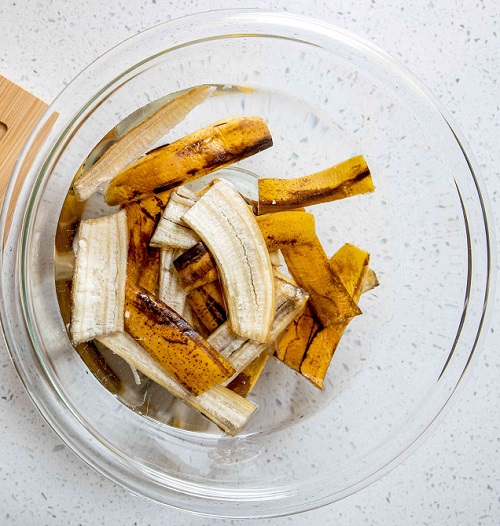
Banana peels are high in potassium, which helps Monstera develop strong stems and healthy leaves. Cut peels into small pieces and mix them into the soil, or dry them and crush them into powder.
Tip: Don’t overdo it—use banana peels once a month.
9. Epsom Salt for Magnesium
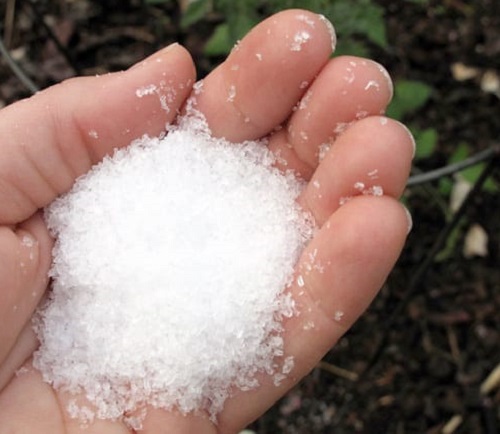
Epsom salt (magnesium sulfate) helps with chlorophyll production, which means greener, healthier leaves. Dissolve one teaspoon in a liter of water and feed your plant once a month.
Tip: Use it only if your plant shows yellowing leaves with green veins—a sign of magnesium deficiency.
Check out this epsom salt that makes regular feeding simple.
10. Mycorrhizal Fungi for Root Health
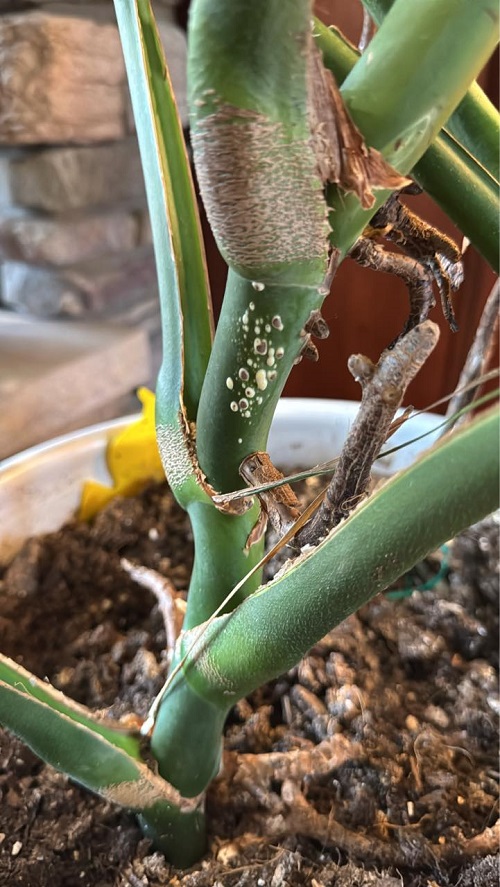
These beneficial fungi help your Monstera roots absorb more nutrients and water. You can find them in powder or pellet form at garden centers. Mixing a small amount into the soil can boost growth speed and overall plant health.
Tip: Use it when repotting for best results.
Want to become better at caring for all your houseplants? Pick up a practical houseplant guide and keep useful plant-care tips close at hand.