
As an Amazon Associate, we earn a small commission from qualifying purchases — at no extra cost to you.
Find out What Geraniums Need in October to Keep Blooming and Survive Winter? Follow these simple care tips for healthier plants and flowers.
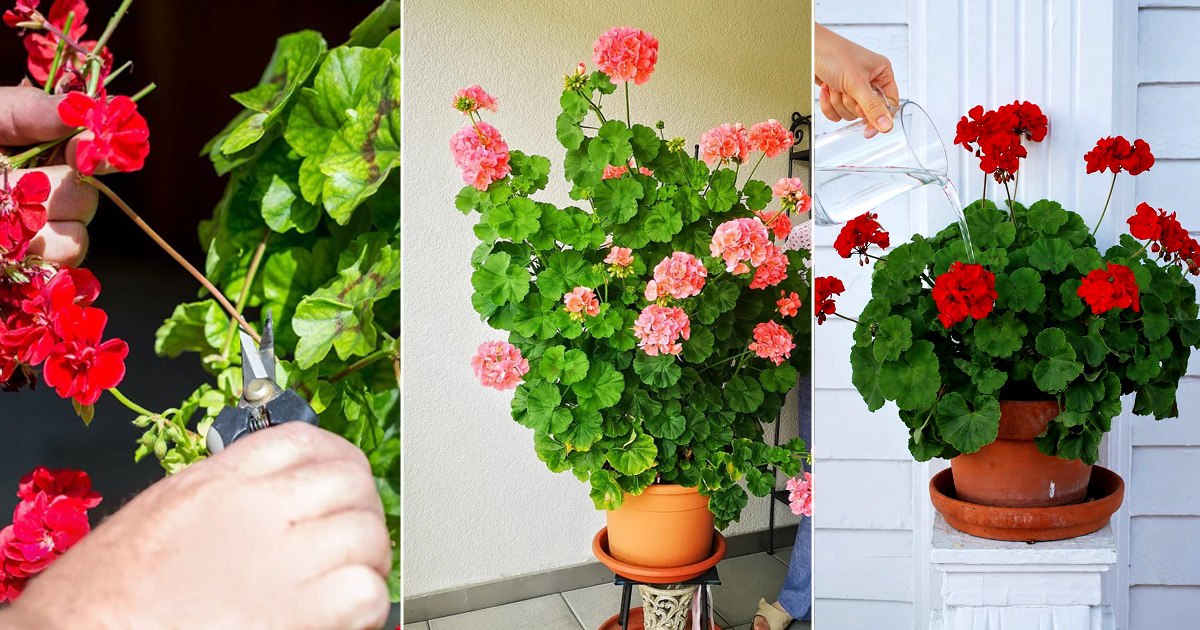
Frost may be on the way, but you don’t have to say goodbye to your favorite geraniums yet. October is a good time to change your care routine from encouraging summer growth to preparing the plants for cooler weather. Depending on where you live, your geraniums may still be covered in flowers, but they will need some care before winter arrives.
Keep in mind that care depends on the type of geranium you grow. What most gardeners call geraniums are tender plants in the Pelargonium group, which are often grown as annuals. True geraniums are different. They are hardier perennials, often called cranesbills. This guide focuses on fall care for Pelargoniums, with a few notes on true geraniums.
What Geraniums Need in October to Keep Blooming and Survive Winter
See this complete indoor garden setup and turn your plant corner into a year-round growing station. Give a quick view at our Amazon Storefront for more such essential needs.
1. Reduce Fertilizer
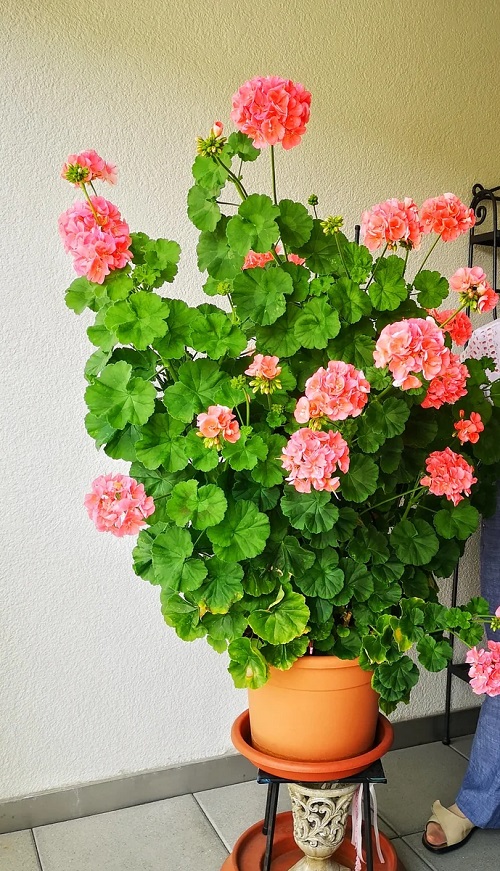
Tender geraniums benefit from regular feeding during summer. A bloom-boosting fertilizer, such as Scotts Super Bloom, can help them keep flowering into fall. However, by October, it is usually best to stop feeding in most areas. Too much fertilizer can encourage new green growth when the plant should be slowing down and getting ready for winter. True geraniums usually do not need fertilizer in fall.
A raised plant stand can help position the geranium closer to a suitable window while keeping it off a cold floor.
2. Deadhead and Trim Lightly
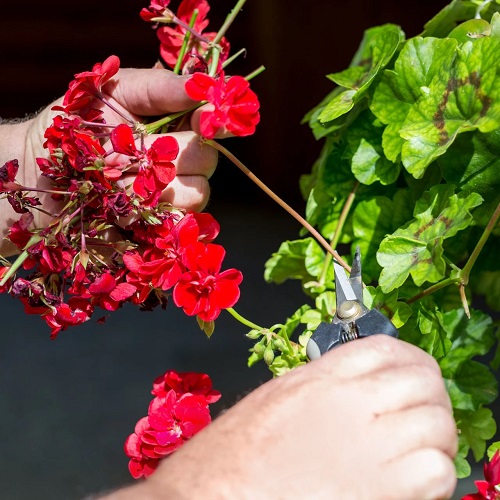
Keep deadheading your geraniums to help them keep blooming for as long as possible. Cut each faded flower stalk back to the point where it joins the main stem.
As temperatures drop, your geraniums will naturally slow down and eventually stop blooming. This is normal. You should also remove any yellow or damaged leaves. Check the plants for signs of fungus or mold, and remove affected leaves right away.
This is especially important if you plan to bring your geraniums indoors for winter. Removing damaged and diseased leaves now can help prevent problems from spreading indoors.
If you have hardy geraniums, you can give them a light trim to keep them neat. However, they don’t need heavy pruning or much deadheading at this time.
3. Change the Watering Schedule
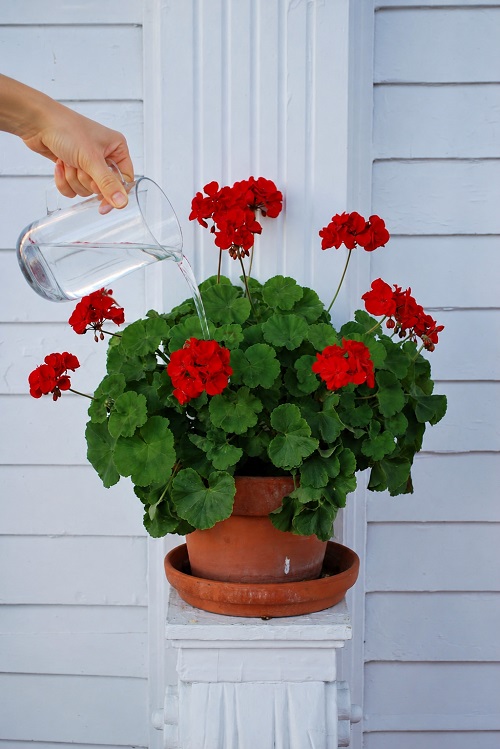
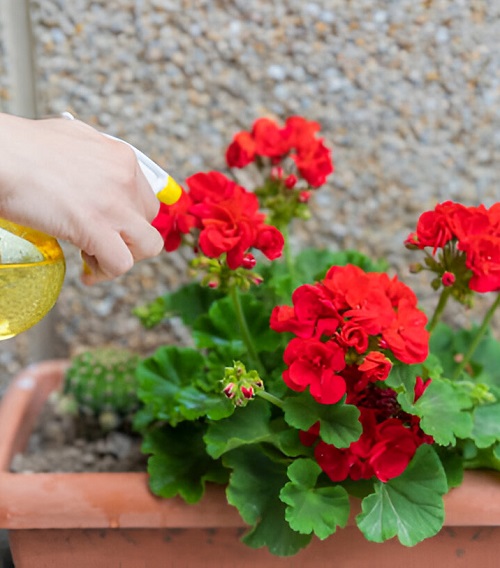
You can water geraniums less often at this time of year, but don’t let the soil become completely dry. Adjust your watering based on the plant’s needs rather than stopping altogether. Cooler temperatures and shorter days help the soil stay moist longer, so your geraniums may not need water as often.
If there is no rain, check the soil before watering. Water when the top 1 inch (2.5 cm) feels dry.
If you plan to bring tender geraniums indoors for winter, gradually reduce watering before moving them inside. Hardy geraniums need very little water once they are well established. Water them only during periods of drought or unusually hot weather.
Keep track of the soil easily with a moisture meter in your garden and a watering can to keep it hydrated.
4. Protect Tender Geraniums
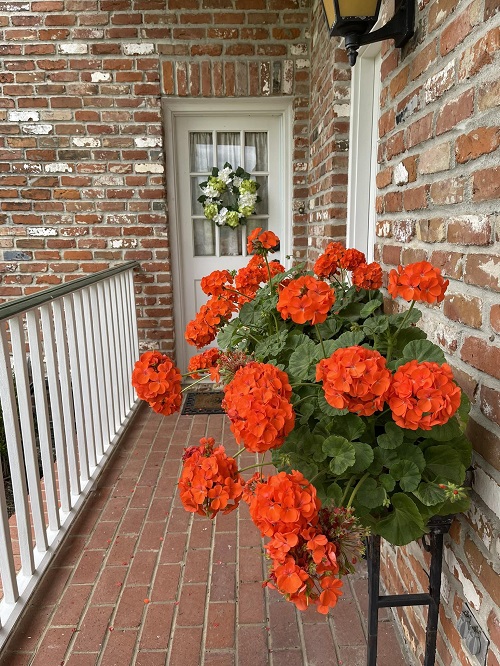
You can let tender geraniums die back as temperatures fall, but a little protection can help them bloom longer. If they are still flowering, move potted plants to a sheltered spot away from strong winds. You can also place them where they get more sunlight during the day.
When nights get colder, cover tender geraniums with a plant cover, old sheet, or burlap. Remove the cover during the day if temperatures are mild. This extra protection can help the plants keep blooming for a little longer.
5. Take Cuttings
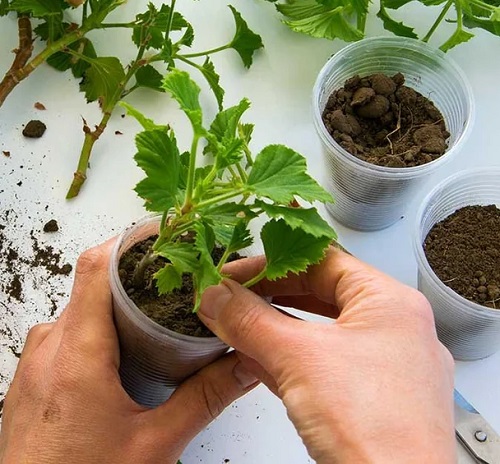
Even if you plan to keep Pelargoniums indoors for winter, early to mid-fall is a good time to take geranium cuttings. Not every tender geranium survives indoors, so cuttings can give you new plants if the parent plant does not make it through winter. This is especially useful if you have a favorite geranium you want to grow again next year.
Choose a healthy stem without flowers and use clean, sharp shears to cut a 4- to 6-inch (10 to 15 cm) section. Remove the lower leaves and place the cutting in good potting soil or a rooting mix. Keep it in a warm spot with bright, indirect light. Keep the soil lightly moist, but do not let it become soggy while the roots develop.
Hardy geraniums are usually best propagated by dividing the roots. Fall is a good time to do this. Carefully dig up the plant and separate a section with healthy roots and shoots. Replant it right away and water it well to help it settle in.
Use these stainless steel electric shears to get the cutting clean and planted safely in a new pot.
6. Move Tender Geraniums Indoors
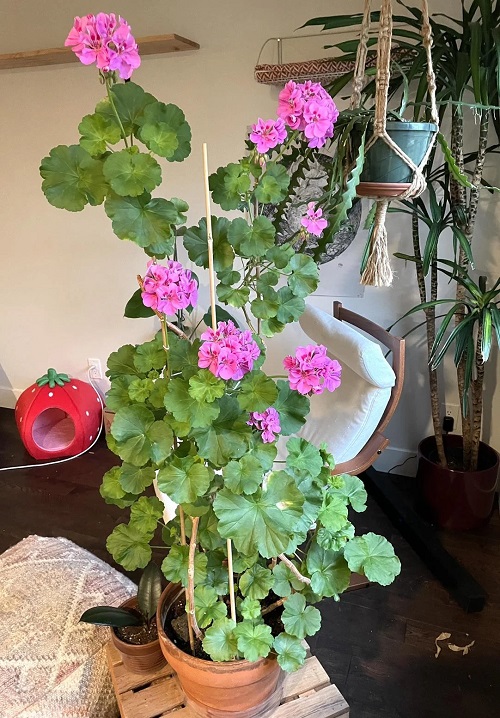
Many people grow tender geraniums as annuals and discard them at the end of the season. They are only perennials in very warm areas, usually USDA zones 10 and warmer, so they cannot survive winter outdoors in most places. Instead of throwing them away, you can bring potted geraniums indoors and keep them through winter. True geraniums are generally hardy in USDA zones 3 to 8 and can survive winter outdoors in many areas.
Bring potted geraniums indoors before nighttime temperatures regularly drop below 45–50°F (7–10°C), or before the first frost if it arrives earlier. Trim away about one-third of the foliage and place the plant in a bright spot away from cold drafts and heating vents. Before bringing it inside, check the stems and the undersides of the leaves for pests. Remove any pests you find so they do not spread to your other houseplants.
Not sure what is making your plant weak? Here is Geranium Gardening Made Easy that you can use as a beginner for a luxious plant.