
As an Amazon Associate, we earn a small commission from qualifying purchases — at no extra cost to you.
Spotted a strange growth on your orchid? Find out what it means, why it appears, and how to tell if your plant needs attention.
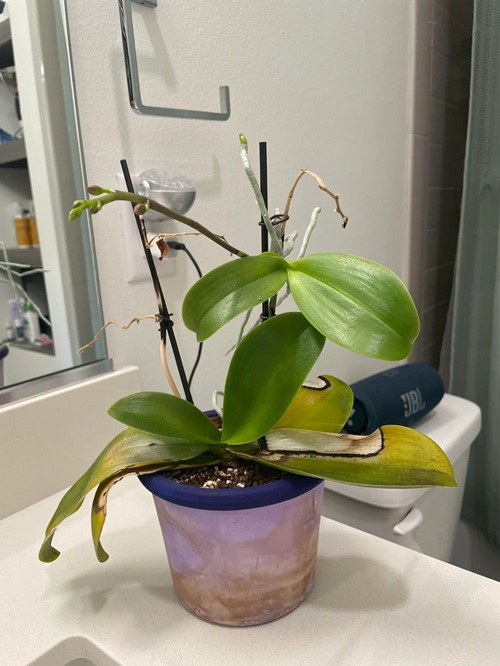
You may notice it while watering your orchid. The old flower spike has finished blooming, but a few small green leaves are now growing from it. You might also see one or two short roots below them. This new growth is called an orchid keiki. At first, it may feel like a bonus because your orchid is growing a new baby plant.
But you may start to wonder if something is wrong. Some gardeners believe orchids produce keikis when they are stressed or unhealthy. This can be worrying, especially if your plant has recently lost a few leaves.
Stress can cause keiki growth, but it is not the only reason. Heat, fertilizer, and the plant’s genetics can also play a part. Many healthy orchids produce keikis, too. So, before you worry, take a closer look at the parent plant. Its leaves, roots, and overall condition can help you understand what is happening.
What Is This Strange Growth on Your Orchid?
Want to build the perfect indoor plant setup? Check out this indoor gardening system that serious plant lovers swear by. You can also check our Amazon Storefront for all such gardening needs.
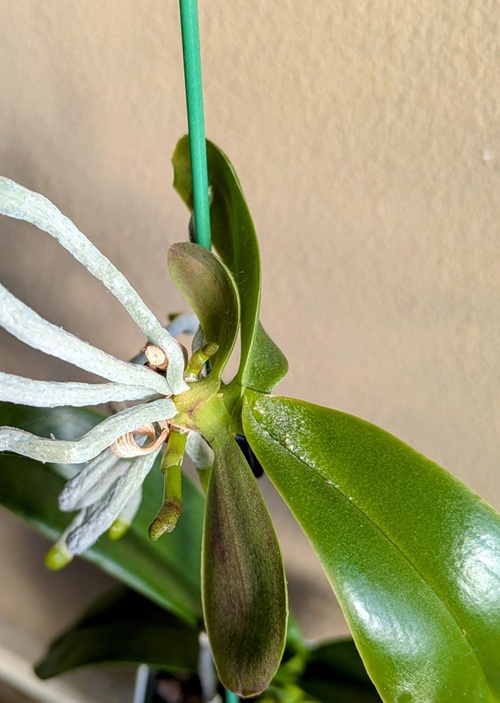
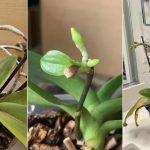
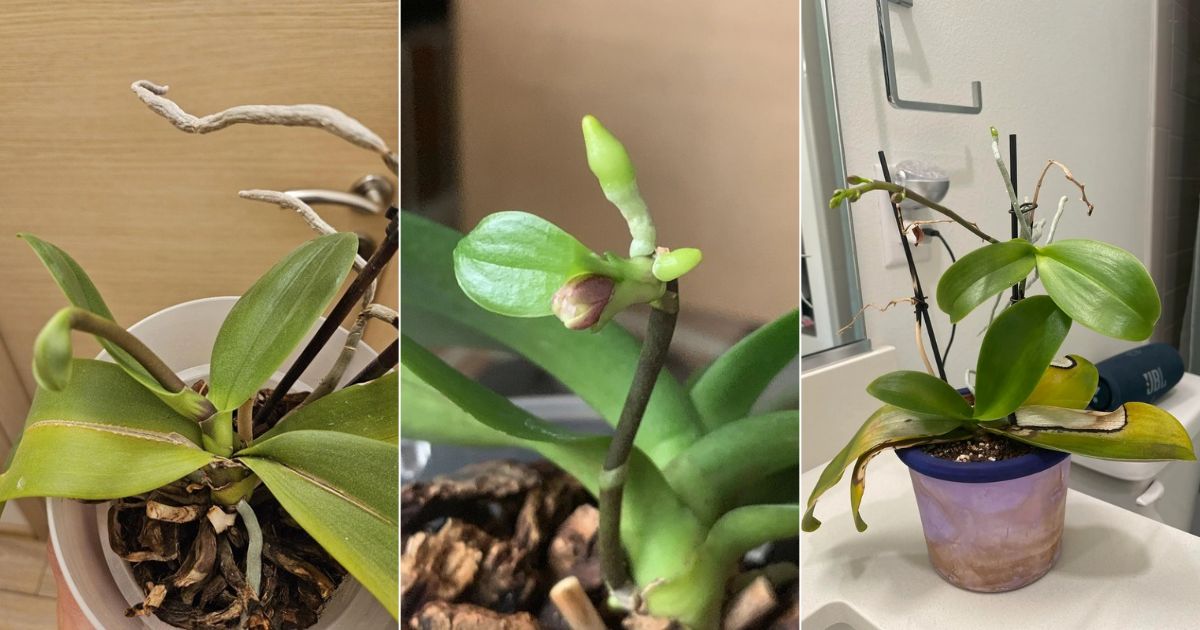
The word keiki comes from Hawaiian and means baby. If you look closely at a moth orchid (Phalaenopsis) flower spike, you will see small bumps covered with thin, papery layers. These are called nodes. Each node has a sleeping bud that can sometimes start growing leaves. The new growth looks like a tiny version of the parent orchid.
A keiki is not a disease or a pest, and it cannot spread to your other plants. It is simply a way for an orchid to grow a new plant without seeds. However, its location matters. A spike keiki grows from the flower stem, while a basal keiki grows at the bottom of the plant, close to the lower leaves. In moth orchids, basal keikis can sometimes be a sign of crown problems.
Does a Keiki Mean Your Orchid Is Dying?
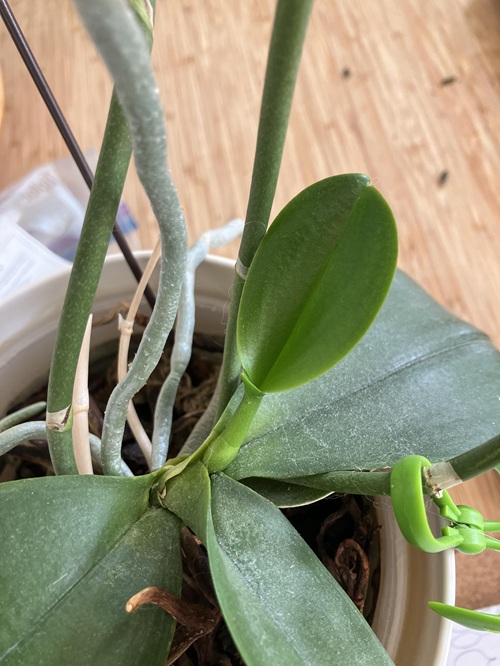
Sometimes, a keiki can appear when the parent orchid is in trouble. Moth orchids grow new leaves from one central point in the middle of the plant. If this growing point gets damaged by rot or breaks, the orchid can no longer produce new leaves from there. The plant may then use its stored energy to grow a basal keiki near the damaged area. Dendrobium orchids can also produce keikis when their canes lose roots or become separated from the main plant due to rot or damage.
However, many healthy orchids produce keikis, too. In moth orchids, keikis can grow naturally from the middle or upper nodes of the flower spike. Some orchid species and hybrids are also more likely to produce them. Plant hormones called cytokinins can activate dormant buds and encourage keiki growth. Even a healthy orchid can produce a keiki when these hormones are applied to a node.
Other conditions can also encourage keiki growth. Long periods of heat while the flower spike is finishing, too much nitrogen fertilizer late in the growing season, low light, and poor humidity have all been linked to keiki production.
Some experienced growers see keiki growth as a sign that the orchid’s growing conditions may need attention. If your plant sits in a dark corner or receives too much fertilizer, you may need to adjust its care. However, a keiki on an orchid with firm leaves and healthy, plump roots is usually nothing to worry about.
Pay closer attention if a basal keiki grows beside a soft, dark, or rotting center. This could point to crown damage or rot in the parent plant.
Want to keep an eye on your orchid’s roots? These transparent plant pots make it easier to check root color, moisture levels, and overall root health without disturbing the plant.
How to Tell Whether Your Orchid Is Actually in Trouble
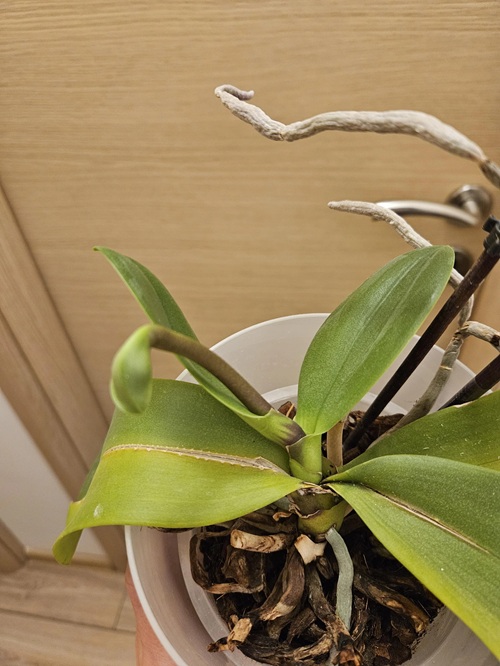
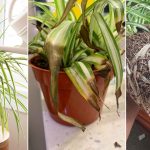
Start by looking at your orchid’s leaves. Healthy moth orchid leaves should feel thick, firm, and slightly leathery. It is normal for an older bottom leaf to turn yellow and dry up as the plant grows. However, if several leaves turn yellow at the same time, something may be wrong. Pay attention to new leaves that look soft, limp, or wrinkled, too. This often means the plant is not getting enough water. During fall, also check the temperature near your window. Cold nights below 60°F (16°C) can cause the lower leaves to turn yellow.
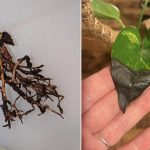
Next, take the orchid out of its pot and check the roots. Healthy roots feel firm and look plump. They turn green after watering and become silvery as they dry. Rotten roots look brown and feel soft or mushy. If you gently squeeze one, its outer layer may slip off and leave behind a thin, string-like center. This is a clear sign of root rot.
Keep track of the temperature around your orchids with a digital thermometer. It helps you monitor indoor conditions and spot temperature changes that could affect your plant’s growth.
What to Do if Your Orchid Is Producing a Keiki
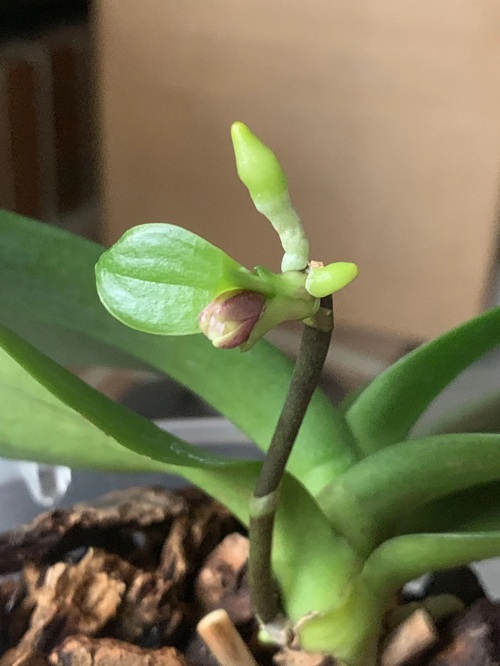
If your orchid looks healthy, you don’t need to do anything special. Let the keiki grow on the parent plant. However, if you notice any problems, focus on fixing those first. Remove rotten roots by cutting back to healthy, firm tissue with a sharp, clean tool. Wipe the blades with rubbing alcohol before using them on another plant.
If your orchid needs repotting, use a special orchid potting mix. Water the plant carefully after repotting and avoid keeping the roots too wet while they adjust to the fresh bark. Water in the morning so the leaves have time to dry before night. Also, remove any water that collects in the center of the leaves. Moth orchids need bright, indirect light. Keep them away from cold window glass and direct heat from vents.
You can leave the keiki attached to the parent plant while it grows. A spike keiki without its own roots gets water and nutrients through the parent’s flower stem. Removing it too early will not solve problems with rotten roots or a damaged crown.
Many orchid growers wait until the keiki has at least two leaves and roots that are about 1–1.5 inches (2.5–4 cm) long before separating it. A smaller keiki may struggle to grow on its own. Once the roots reach this length, you can carefully remove the keiki and plant it in its own pot to grow a new orchid.
Give your orchid roots the right growing environment with a well-draining potting mix. This orchid mix can help improve airflow around the roots and prevent excess moisture from building up.illed with nutrients that all your plants need.
Is it Possible to Save a Dying Orchid?
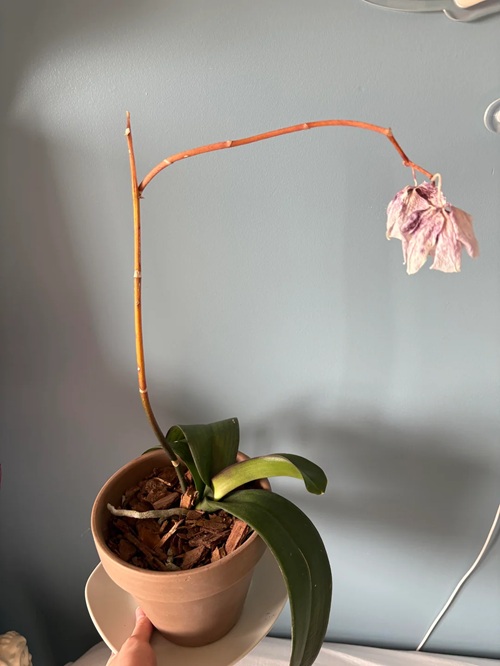
It depends on how badly the orchid is damaged. A moth orchid with some healthy, plump roots and a firm crown can recover once you correct its care. However, it may take some time before you see a new leaf. Crown rot is harder to fix. The same is true if most of the roots have turned soft and mushy. Even in these cases, an orchid with enough stored energy may sometimes grow a new plantlet from its base.
This is where a keiki can be helpful. It grows from the parent orchid, so it has the same genetic traits. If the parent plant does not survive, the keiki can help you keep that orchid variety. Leave it attached while the parent plant is still healthy enough to support it.
What if your orchid is getting weaker but still has a green flower spike and no keiki? You can use keiki cloning paste, as mentioned earlier, to encourage new growth from a dormant bud. However, it does not always work.
So, don’t give up on your orchid just because you notice an unusual growth. Check the parent plant first. If its leaves are firm and its roots and crown look healthy, the keiki is usually nothing to worry about. It is simply a new baby orchid growing on the parent plant. With proper care, both plants can continue to grow and may flower in the future.
Read this trusted guide that covers planting, pruning, feeding, pest control, and seasonal care with easy-to-follow advice for beginners and experienced gardeners alike.