
As an Amazon Associate, we earn a small commission from qualifying purchases — at no extra cost to you.
Why Are My Hoya Leaves Wrinkled? Find out what causes shriveled leaves and learn how to fix watering problems and help your plant recover.
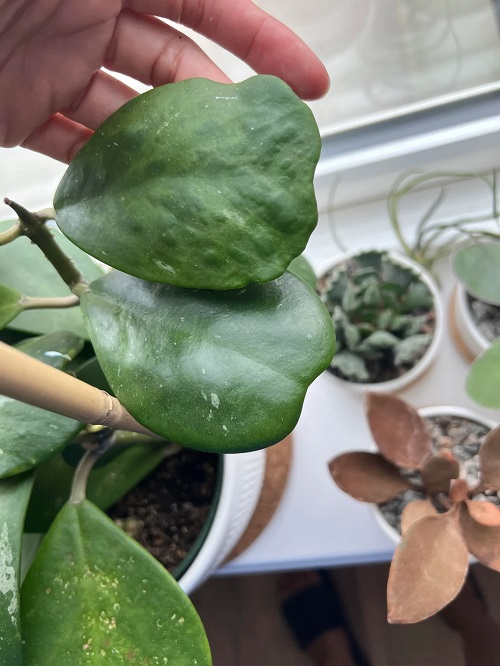
If your Hoya leaves are becoming wrinkled, soft, or shriveled, the plant may not be getting enough water through its roots. Underwatering is a common reason, but it is not the only one. Hoya leaves can also wrinkle when the roots are damaged by too much moisture, making it difficult for the plant to absorb water.
Before you water your plant again, check the soil and look at the condition of the leaves. These simple checks can help you find the cause and choose the right solution without making the problem worse.
Why Are My Hoya Leaves Wrinkled?
Check this complete indoor garden setup and transform your plant corner into a year-round growing station. Give a quick glance at our Amazon Storefront for more such essential needs.
1. Overwatering Has Damaged the Roots
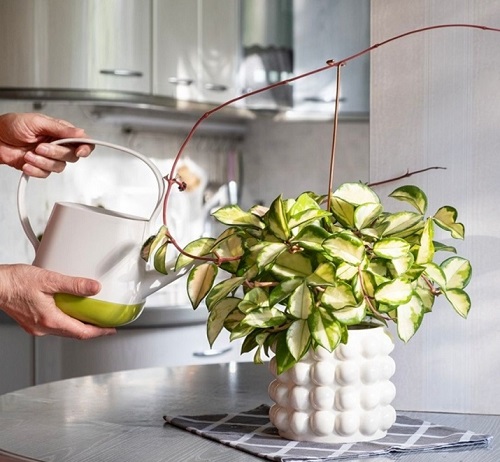
Hoyas have thick leaves that store water, so wrinkling does not always mean your plant needs more water. If the potting mix stays wet for too long, the roots may start to rot. Damaged roots cannot absorb water properly, and the leaves may begin to look wrinkled even when the soil is moist.
Check whether the soil feels soggy several days after watering. Yellowing leaves, a soft stem base, or an unpleasant smell from the soil can also point to root problems.
If you suspect root rot, carefully remove the plant from its pot and inspect the roots. Healthy roots are generally firm, while rotten roots may be brown or black, soft, and unpleasant to smell.
Use clean scissors to remove badly damaged roots, then repot the plant in fresh, well-draining potting mix and a pot with drainage holes. Do not water again simply because the leaves look wrinkled. First, make sure the remaining roots are healthy, and the new mix is not already wet.
Before you pick up the watering can again, check the soil using a moisture meter to avoid overwatering.
2. Your Hoya Is Not Getting Enough Water
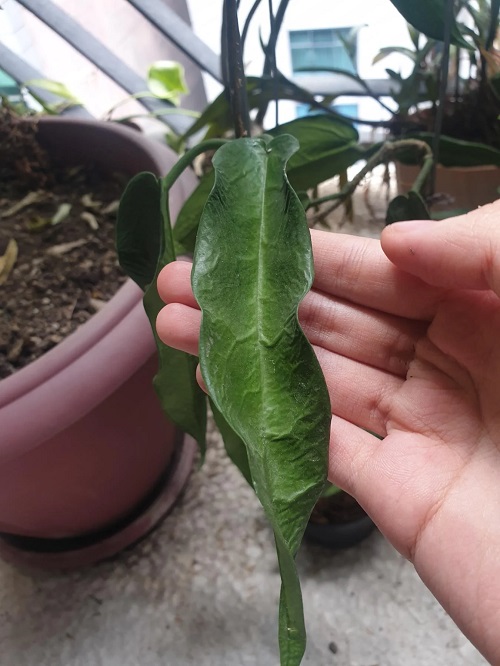
Underwatering is another common reason for wrinkled Hoya leaves. When the soil stays dry for too long, the plant uses the moisture stored in its fleshy leaves. As this reserve runs low, the leaves lose their firmness and begin to look wrinkled.
You may notice that the leaves feel thinner or softer than usual. The pot may also feel lighter, and the soil may have pulled away from its edges.
To check for underwatering, push your finger about 2 inches into the soil. If it feels completely dry, check the weight of the pot as well. If both signs point to dry soil, your plant probably needs water.
Water the plant fully until excess water drains through the bottom of the planter. Empty the saucer afterward so the roots do not sit in standing water. If the potting mix has become very dry and water runs straight through it, water slowly in stages to help the mix absorb moisture evenly.
Give your Hoya a few days to recover. If the roots are healthy, the leaves may gradually become firmer again. However, badly wrinkled leaves may not return to their original shape completely.
3. The Soil Is Not Absorbing Water Properly
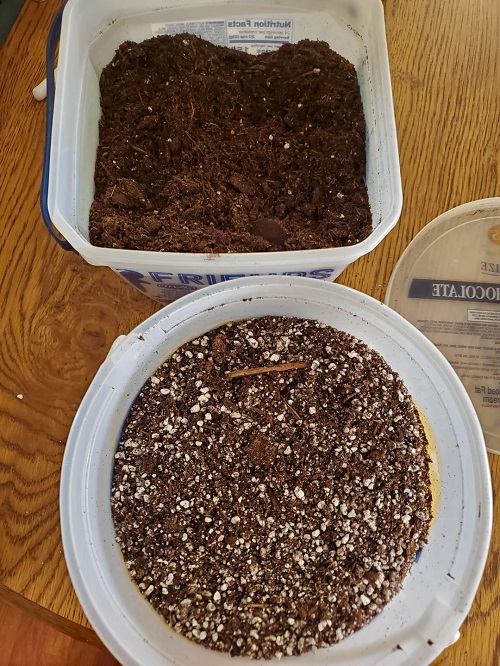
Sometimes, you may water your Hoya regularly, but its leaves still look wrinkled. This can happen when the potting mix becomes too compact or dries out so much that water passes through without soaking the roots properly.
For example, you may pour water into the pot and see it drain from the bottom within seconds. However, the center of the root ball may still be dry. The plant cannot take up enough moisture, even though you have watered it.
Check the soil by inserting a wooden stick into the root area. If it comes out mostly dry after watering, the mix may not be absorbing water evenly.
If this keeps happening, consider repotting your Hoya in a loose, well-draining mix. A combination of regular potting mix, orchid bark, and perlite can provide both moisture retention and good airflow around the roots.
Select a pot with drainage holes that is only a bit larger than the root ball. A planter that is too large can hold excess moisture for longer than the roots need.
Try a plant pot with a saucer and fill it with a well-drained potting mix so your plant can have the healthiest roots.
4. Your Hoya Is Root-Bound
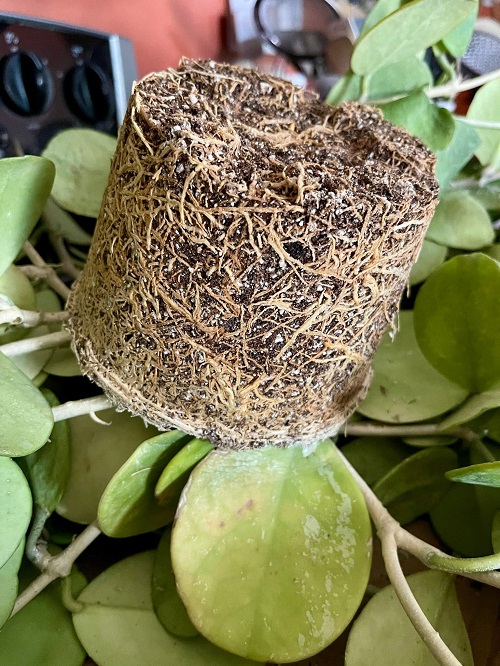
If your Hoya dries out very quickly after watering, its roots may have filled most of the pot. When there is very little potting mix left around the roots, the plant has less space to hold moisture. As a result, the leaves may start to wrinkle between waterings.
Look for roots growing through the drainage holes or circling tightly around the inside of the pot. You may also notice that water passes through the pot quickly and the plant needs watering more often than before.
If the roots have become tightly crowded, move the plant into a pot one size larger. Loosen the outer roots gently if needed, and use a fresh, airy potting mix.
Do not repot your Hoya just because a few roots are visible through the drainage holes. Hoyas can grow well when slightly root-bound. Repot only when the root mass is restricting normal watering or the plant has clearly outgrown its container.
5. Low Humidity and Hot Air Are Drying the Leaves
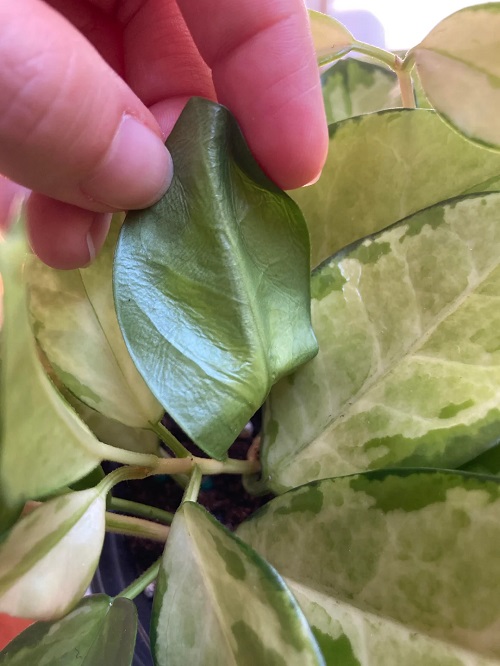
Hoyas can tolerate average indoor humidity, but very dry air combined with warm temperatures can make it harder for the plant to maintain its moisture balance. You may notice wrinkled leaf edges, dry tips, or leaves that feel less firm than usual.
This problem can become more noticeable if you keep your Hoya near a heater, air conditioner, or a window that receives strong afternoon sun. These locations can expose the plant to sudden changes in temperature or increased moisture loss.
Move your Hoya to a spot with bright, indirect light and keep it away from direct heat sources. If the air in your home is consistently dry, a humidifier can help maintain more stable conditions. Around 40–60% humidity is a reasonable starting point for many indoor Hoyas.
Avoid relying on frequent misting to solve the problem. It does not maintain higher humidity for long, and it will not fix wrinkling caused by damaged roots or dry soil.
6. Cold Drafts or Sudden Temperature Changes Are Stressing the Plant
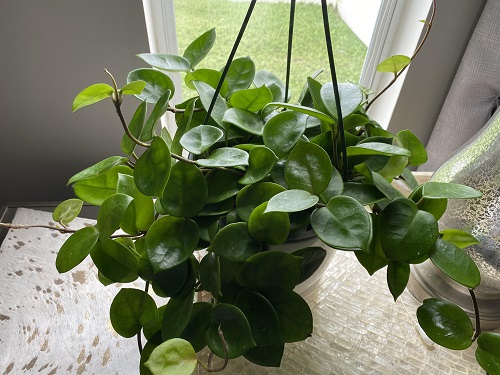
Hoya plants prefer stable temperatures and can suffer when exposed to cold air for long periods. If your plant sits against a cold window, near an exterior door, or directly under an air-conditioning vent, the leaves may develop stress symptoms.
Check whether the wrinkling appeared after a sudden temperature change. Damage may be more noticeable on the side facing the cold window or draft.
Move your Hoya away from cold glass and direct airflow. A room temperature of about 65–85°F (18–29°C) generally suits many commonly grown Hoyas. Avoid exposing the plant to temperatures below 50°F (10°C), particularly for extended periods.
If the soil is already moist, do not add more water to treat cold-related wrinkling. Let the plant settle in a stable, warm location and monitor the leaves over the next several days.
Experiencing extreme temperature changes? Cover the window with these sheer curtains and keep a humidifier working at home.
How to Prevent Wrinkled Hoya Leaves
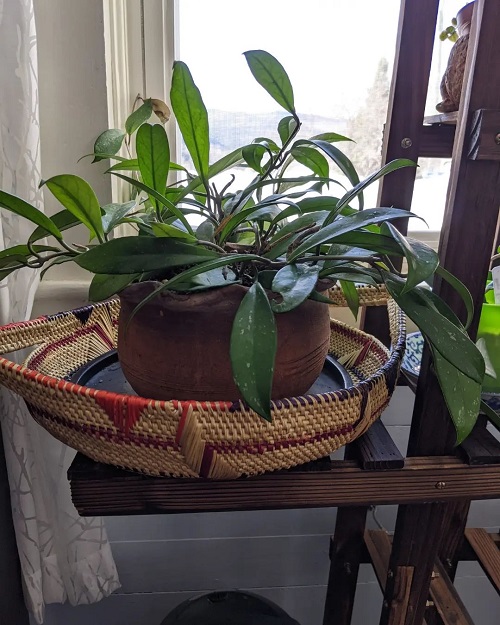
Once your plant starts recovering, a few simple changes can help prevent the same problem from returning.
– Check the soil before watering. Do not follow a fixed watering schedule because the mix dries at different rates depending on the season, pot size, light, and temperature.
– Water deeply when needed. Make sure the water reaches the root zone instead of wetting only the soil surface.
– Use a well-draining potting mix. Hoyas need both moisture and oxygen around their roots.
– Choose a pot with drainage holes. This allows excess water to escape and reduces the risk of root rot.
– Provide bright, indirect light. Adequate light supports healthy growth, while harsh direct sunlight can increase stress.
– Check the leaves regularly. Early changes in firmness, color, or texture can help you catch a watering problem before it becomes severe.
Do not fertilize a stressed Hoya in the hope of making its leaves firm again. Fertilizer cannot replace missing water or repair damaged roots. Correct the underlying problem first.
Still not sure about your gardening techniques? Get this Hoya Plant Guide to help you at each step.