
As an Amazon Associate, we earn a small commission from qualifying purchases — at no extra cost to you.
Why Is My Peace Lily Drooping? Learn 6 common causes and simple fixes to help your plant recover and keep its leaves healthy.
Is your peace lily suddenly drooping? It can be worrying to see your plant lose its shape, especially when it usually looks healthy. Peace lilies are easy to grow, but they can still develop problems when their growing needs are not met.
Drooping leaves are often the first sign that something is wrong. Your plant may need water, or it could be dealing with another care issue. Some causes are easy to fix, while others need more attention.
Let’s look at the common reasons why your peace lily is drooping and what you can do to help it recover.
Why Is My Peace Lily Drooping?
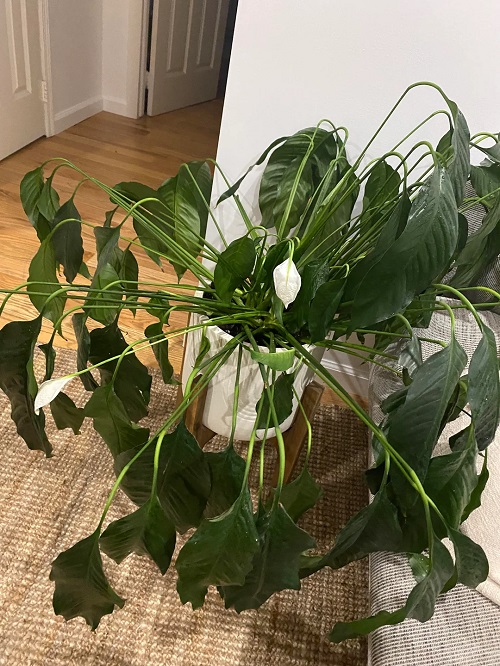
Your peace lily may droop for several reasons. The problem could be related to how you care for the plant, its growing conditions, pests, or disease.
Let’s look at the most common causes and the simple steps you can take to help your peace lily recover.
1. Wrong Watering Schedule
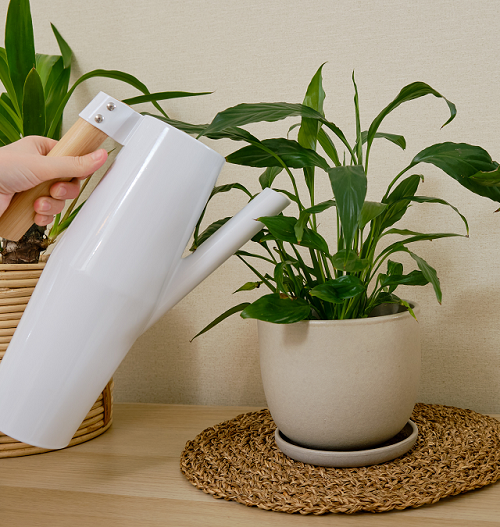
Improper watering is one of the main reasons why peace lily leaves droop. Let the top layer of soil dry slightly between waterings, but don’t let the soil become too dry. When the plant lacks water, its leaves can wilt quickly.
Overwatering can also cause drooping leaves. Too much water keeps the soil wet and can damage the roots. If you think you’ve overwatered your peace lily, stop watering until the soil begins to dry. If the soil is very wet and stays soggy, repot the plant in fresh, well-draining soil.
2. It’s Diseased
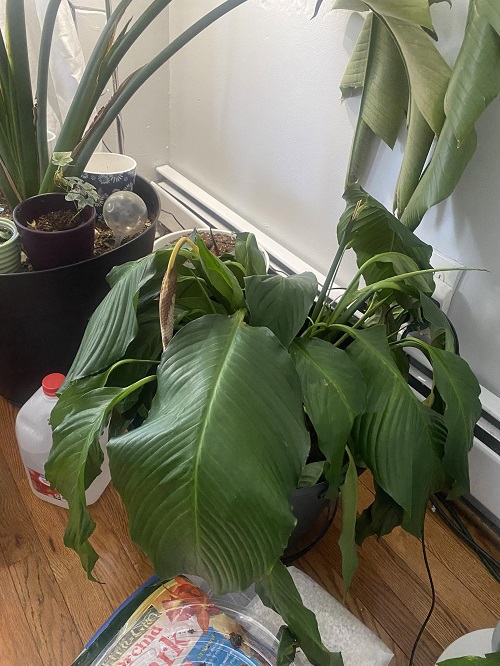
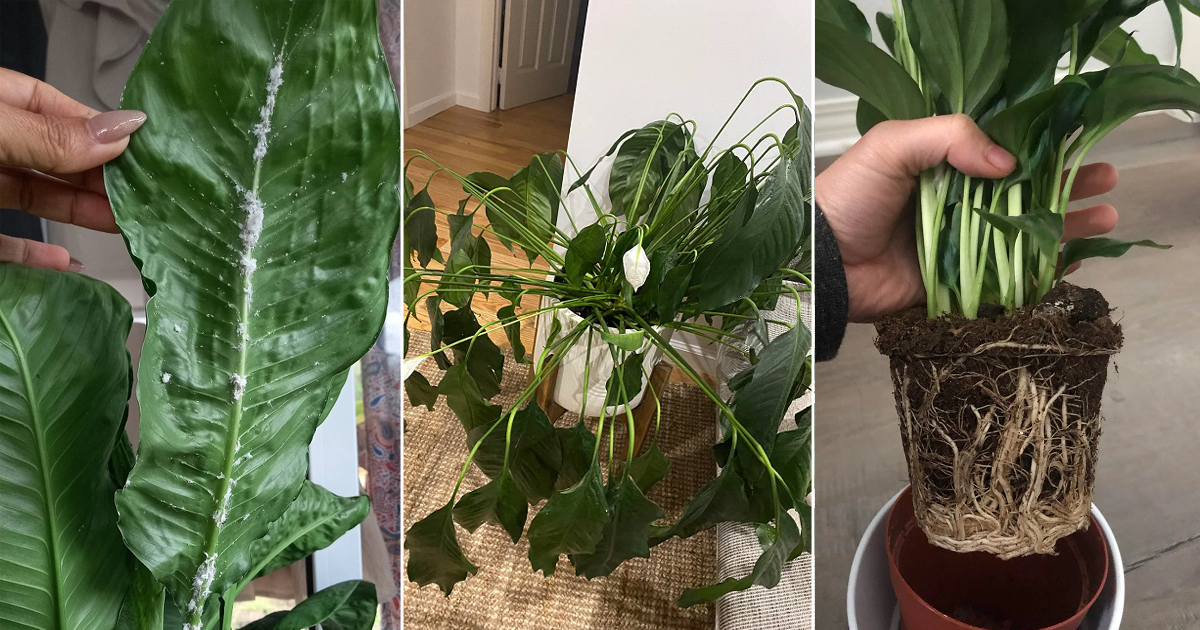
Root rot and stem rot are common reasons why peace lilies wilt. These problems often occur when you water the plant too much or grow it in soil that does not drain well. Too much moisture can also lead to fungal infections.
Prevention is the best way to protect your peace lily from rot. Use a pot with drainage holes so excess water can escape. Water the plant when the top layer of soil feels dry.
If you suspect root rot, gently remove the plant from its pot and check the roots. Healthy roots should feel firm, while rotted roots are often dark and mushy. Use clean, sharp pruning shears to cut off the damaged roots. Then, repot your peace lily in fresh soil and a clean pot with drainage holes.
3. A Pest Infestation Could be the Reason
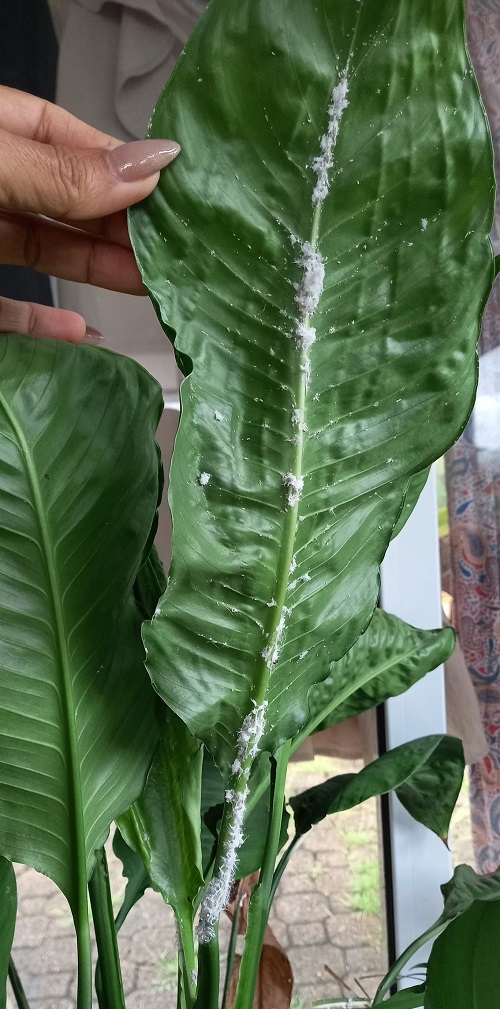
Pests do not usually cause peace lilies to droop, but a severe infestation can weaken the plant. Common pests that attack indoor peace lilies include mealybugs and scale insects.
Check your plant regularly for unusual changes and look closely at both sides of the leaves. If you find pests, use insecticidal soap according to the product instructions to get rid of them and protect your plant.
4. Insufficient Light
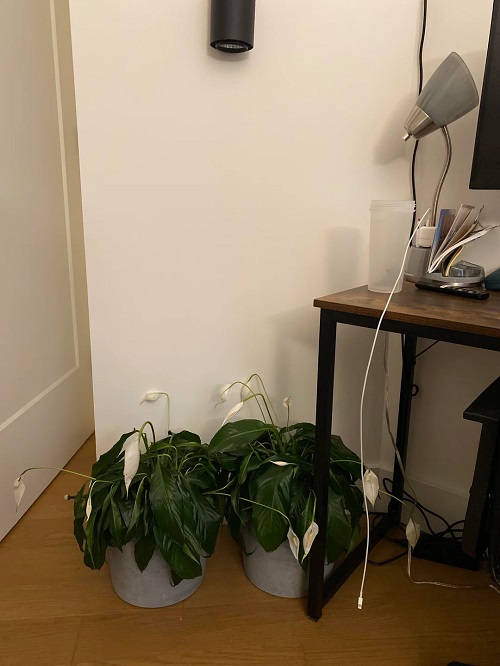
Peace lilies can grow in low light, but they still need enough light to stay healthy. If your plant does not get enough light, its growth may slow down, and its leaves may start to droop or wilt.
Check whether your plant is getting enough light by doing a simple shadow test or using a light meter. These methods can help you find out how much light reaches your plant.
Sudden changes in temperature or humidity can also cause drooping. Peace lilies are sensitive to cold, and temperatures below 60°F (15°C) can damage the plant and cause its leaves to wilt. Keep your peace lily in a place with steady temperatures and away from cold drafts.
5. More Nutrition Required
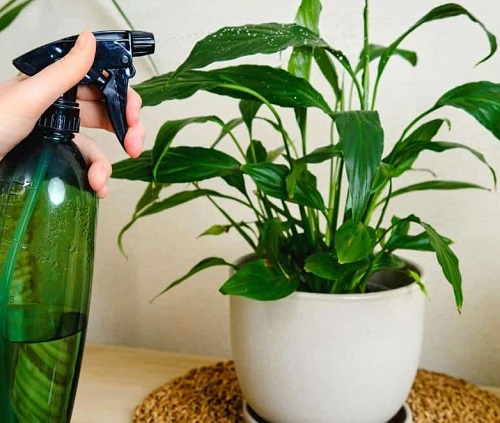
Peace lilies need nutrients to grow well. If the soil lacks nutrients, your plant may develop yellow leaves and start to droop.
Use a balanced liquid fertilizer made for houseplants to provide the nutrients your peace lily needs. Follow the instructions on the label and use the recommended amount. Too much fertilizer can damage the roots and make your plant’s health worse.
6. Your Peace Lily is Root Bound
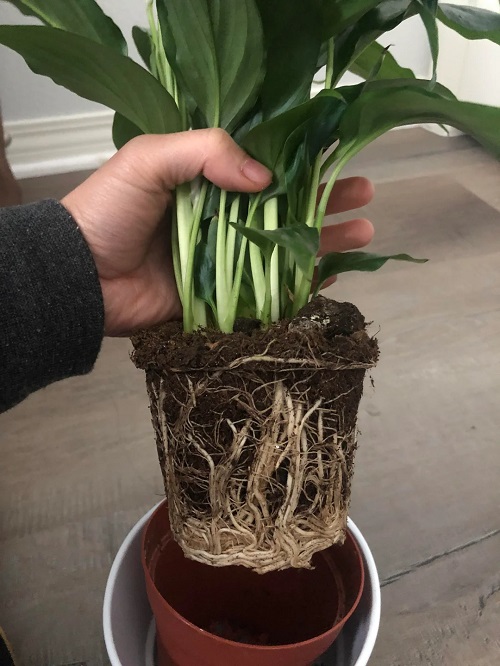
Peace lily flowers may droop when the plant becomes root-bound. This happens when the roots grow too large for the pot and have little room to spread. The soil may also dry out faster than usual. You may notice roots growing out of the drainage holes or appearing on the soil surface. When this happens, it’s time to repot your peace lily.
Water the plant well a few hours before repotting. Then, gently remove it from the pot without breaking the root ball. Carefully loosen any roots that are tightly circling around each other.
Place your peace lily in a pot one size larger than the old one. Fill it with fresh, good-quality potting mix to give the roots more room to grow.
Are Some Peace Lilies More Sensitive Than Others?
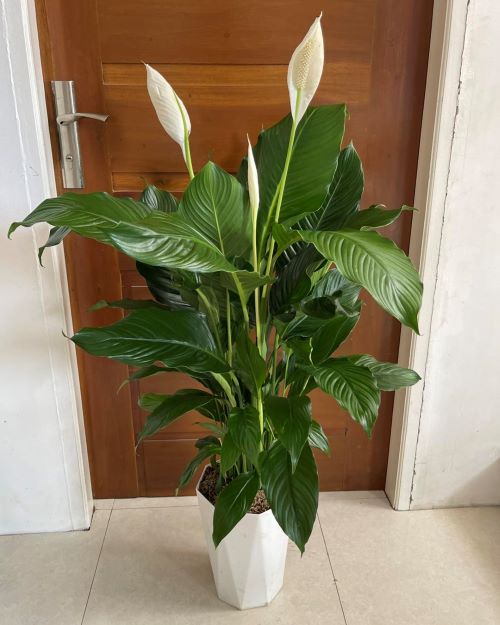
Most peace lily varieties need similar care, but some may be more sensitive than others. Their size and growing habits can affect how well they adjust to your home. Mature plants are usually stronger and better able to handle small changes in their growing conditions. Younger and smaller plants need extra care while they settle in and grow. Check them regularly for drooping leaves and other signs of stress.
Will a Drooping Peace Lily Recover?
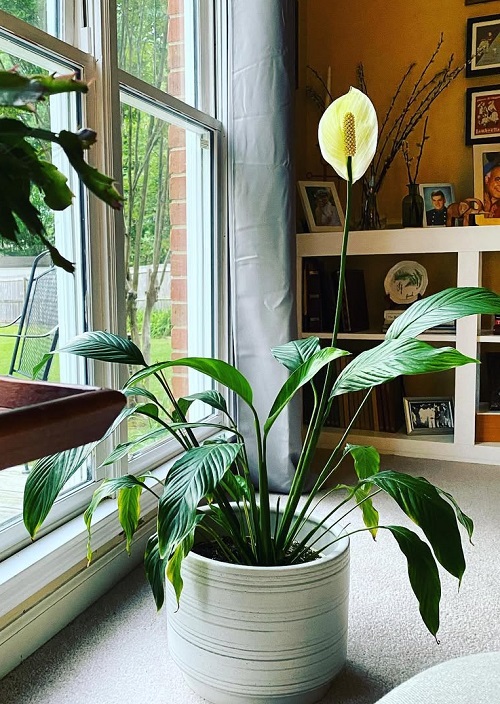
Most drooping peace lilies can recover if you find and fix the problem. Check how much water and light your plant gets, along with the temperature and soil condition. If the soil lacks nutrients, you may also need to feed the plant. Once you correct the problem and provide proper care, your peace lily should slowly regain its healthy appearance.