
As an Amazon Associate, we earn a small commission from qualifying purchases — at no extra cost to you.
Learn How Often to Water Oxalis and keep your plant healthy. Find out when to water, how to spot signs of overwatering, and when to cut back.
Oxalis is an easy plant to grow, but watering it can be a little tricky. Sometimes the leaves droop because the soil is dry. Other times, yellow leaves mean the soil is staying wet for too long. You also need to change your watering routine when the plant stops growing. A quick check of the soil can help you decide when to water and when to leave it alone.
How Often to Water Oxalis?
Want to build the perfect indoor plant setup? Check out this indoor gardening system that serious plant lovers swear by. You can also check our Amazon Storefront for all such gardening needs.
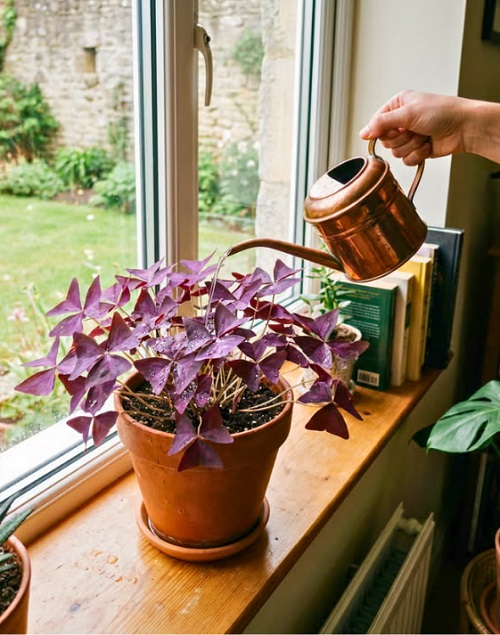
Oxalis usually needs watering every 5–10 days when it is actively growing. However, don’t follow this schedule without checking the soil first. Your plant may need water sooner in a warm room, while the soil in a cool room can take longer to dry.
Start by checking the top inch of soil with my finger. If it feels dry, water the plant thoroughly. If it still feels damp, wait a couple of days and check again.
Oxalis grows from small underground bulbs, which store energy for the plant. These bulbs need moisture during active growth, but they can rot if the soil stays wet for too long. Water oxalis just because a certain number of days has passed.
When you water, pour it over the soil until you see water coming out of the drainage holes. Let the pot drain completely before putting it back in its usual spot. If there’s water left in the saucer, empty it.
How Often to Water Oxalis in Different Seasons
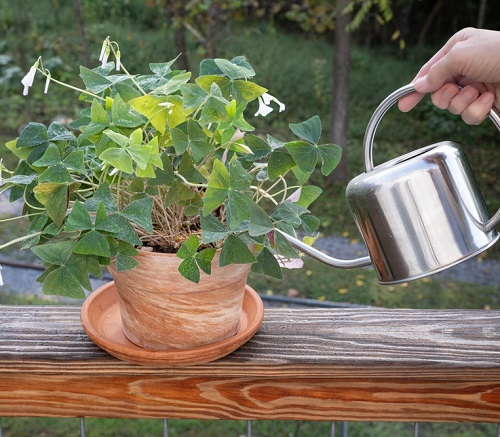
Your watering routine may change during the year. Temperature, light, and the plant’s growth all affect how quickly the soil dries.
Spring
Spring is often a good time to see fresh leaves appearing on your oxalis. As the plant starts growing, check the soil every few days. You may need to water every 5–10 days, depending on how quickly the pot dries.
Don’t increase watering just because you see new leaves. Check the soil first. If it is still damp an inch below the surface, give it more time.
Summer
The soil may dry faster during hot weather, especially if your oxalis sits near a bright window. Check it regularly and water when the top inch feels dry.
Keep an eye on the leaves, too. If they begin turning yellow and dying back, your plant may be entering dormancy rather than asking for more water. Adding extra water at this stage can cause problems with the bulbs.
Autumn
Some oxalis plants start growing again when temperatures become cooler. If you notice fresh leaves, continue checking the soil and water when needed.
If your plant isn’t growing much, the soil may take longer to dry. Don’t water it on the same schedule you used during warmer months.
Winter
Indoor oxalis can continue growing in winter if it gets enough light and stays in a suitable room. Check the soil before watering, as pots often dry more slowly in cooler conditions.
If your plant has lost its leaves and is dormant, reduce watering instead of keeping to a weekly routine.
How Often to Water Dormant Oxalis
Oxalis sometimes stops growing for a while. You may notice the leaves turning yellow, drooping, and eventually drying up. This can be worrying if you’re used to seeing fresh leaves, but dormancy is a normal part of the growth cycle for many oxalis varieties.
When the leaves begin dying back, reduce watering. Once the plant is fully dormant, keep the soil mostly dry and avoid watering it as often as you would during active growth. The bulbs don’t need much moisture while the plant is resting.
Check the bulbs if you suspect a problem. Healthy bulbs should feel firm, while soft bulbs may indicate rot.
When you see new shoots appearing, start watering lightly. As the leaves develop, you can return to your usual routine of checking the top inch of soil before watering.
How to Tell When Your Oxalis Needs Water
You don’t need a strict watering calendar to care for oxalis. The soil and leaves can give you useful clues.
The Soil Feels Dry
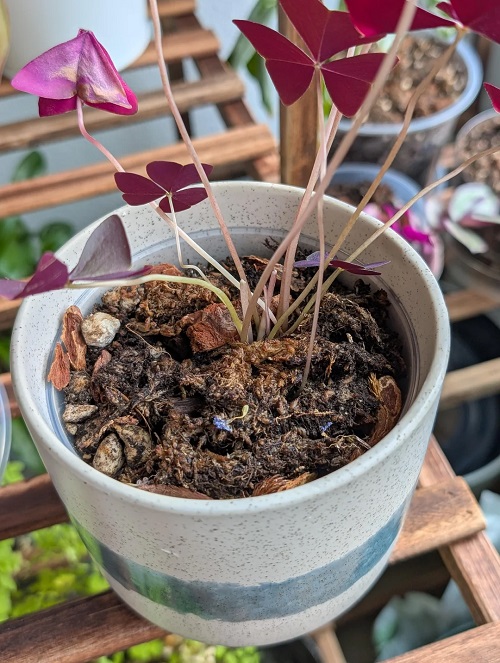
This is the first thing you must check. Push your finger about an inch into the soil. If it feels dry, it’s usually time to water during active growth.
Don’t judge the soil by its surface alone. The top can dry out while the soil around the bulbs is still moist.
Not sure when to water? A soil moisture meter can make it easier to check moisture below the surface instead of relying only on how the soil looks.
The Leaves Start Drooping
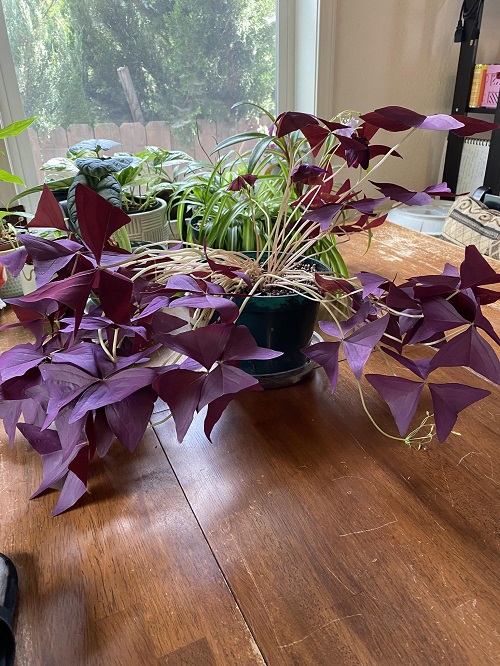
Oxalis leaves and stems may droop when the plant needs water. If the soil is dry, give it a thorough watering and allow the excess to drain away.
The leaves may begin to recover within a few hours. If the soil is already wet, though, don’t add more water. Check for other problems first.
Also, remember that oxalis leaves naturally fold up at night. This is normal and doesn’t mean the plant needs watering.
The Leaf Edges Turn Brown
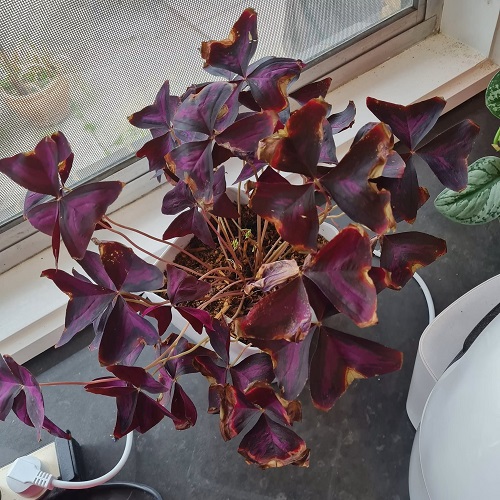
Brown, crispy edges can appear when the plant dries out too often. Check the soil and see whether you’re leaving it dry for too long.
However, underwatering isn’t the only possible cause. If the soil is moist, look at other growing conditions before changing your watering routine.
Signs You Are Watering Oxalis Too Much
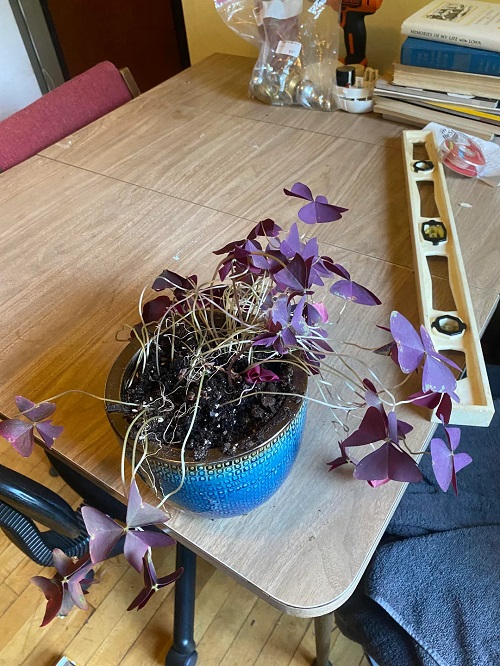
Overwatering is a problem worth watching for because oxalis grows from underground bulbs that can rot in soggy soil.
Look for yellow leaves, weak stems, soil that stays wet for several days, or an unpleasant smell coming from the pot. If you notice these signs, check the soil before watering again.
Yellow leaves don’t always mean overwatering. If the whole plant is gradually dying back, it could be entering dormancy.
If you suspect rot, remove the plant from its pot and inspect the bulbs. Cut away any soft, rotten parts with a clean tool and repot healthy bulbs in fresh, well-draining soil. Make sure the container has drainage holes.
A small indoor watering can makes it easier to give your Oxalis a controlled amount of water as it wakes up.
How to Water Oxalis the Right Way
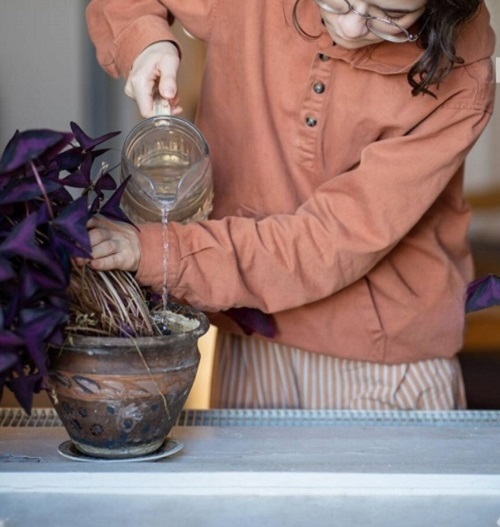
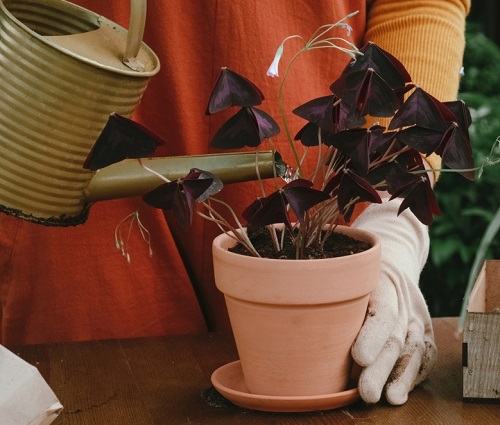
Once the soil is dry enough, watering is straightforward. Pour water slowly over the soil until it drains through the bottom of the pot. Let the excess water escape, and empty the saucer afterward.
Avoid giving your plant a small splash of water every day. This can leave parts of the root ball dry while other areas stay wet.
If the potting mix has become very dry and water runs straight through without soaking in, place the pot in a shallow tray of water for about 10–15 minutes. Remove it and let it drain completely.
Use a loose potting mix that holds some moisture but doesn’t become soggy. Adding around 20–30% perlite to a standard houseplant mix can help improve drainage.
Choose a well-draining indoor potting mix that won’t hold excessive moisture around the tubers.
What Affects How Often You Water Oxalis?
The same watering schedule won’t work for every plant. A few things can make a noticeable difference.
Light and Temperature
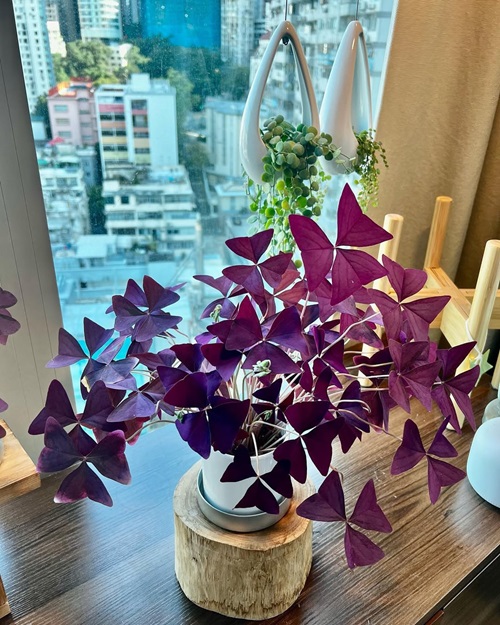
Oxalis growing in bright, indirect light may use water faster than one kept in a dim room. Warm temperatures can also speed up drying, while cooler conditions usually slow it down.
Give your Oxalis more light with a compact grow light from Amazon.
Pot Size and Material
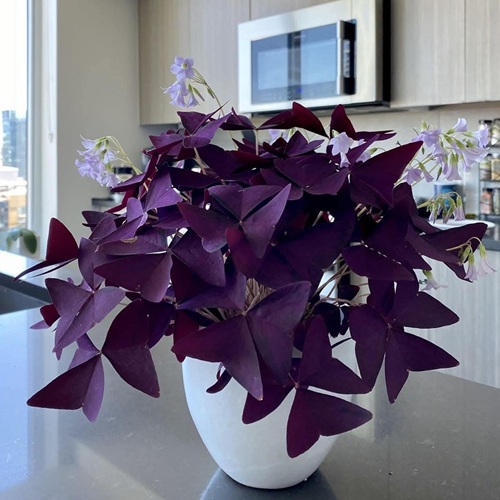
A small pot often dries faster than a large one. Terracotta pots also lose moisture through their sides, while plastic pots tend to hold moisture longer.
Choose a pot that suits the size of your plant. A pot that’s much too large can hold more wet soil than the roots and bulbs can use.
Potting Mix
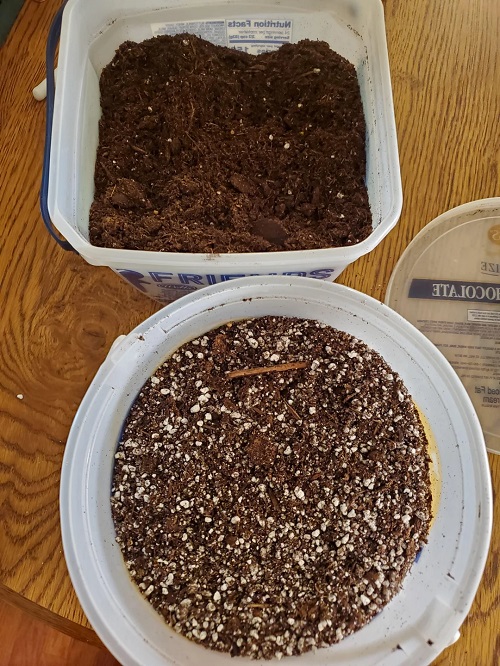
Dense soil can hold too much water around the bulbs. A loose, well-draining potting mix is a better choice for oxalis.
If your soil stays wet for many days, check whether the potting mix is too heavy or the container is too large.
Check out this houseplant care book on Amazon for practical tips you can use beyond Oxalis.