
As an Amazon Associate, we earn a small commission from qualifying purchases — at no extra cost to you.
Help your Christmas cactus set buds and bloom beautifully with these simple preparation tips for healthy, long-lasting holiday flowers.
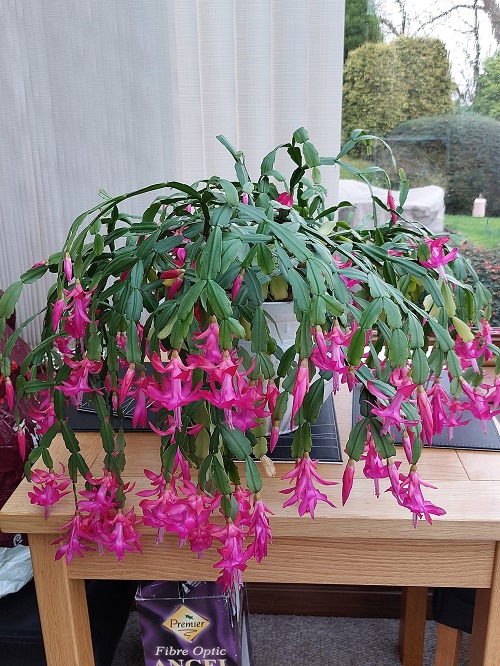
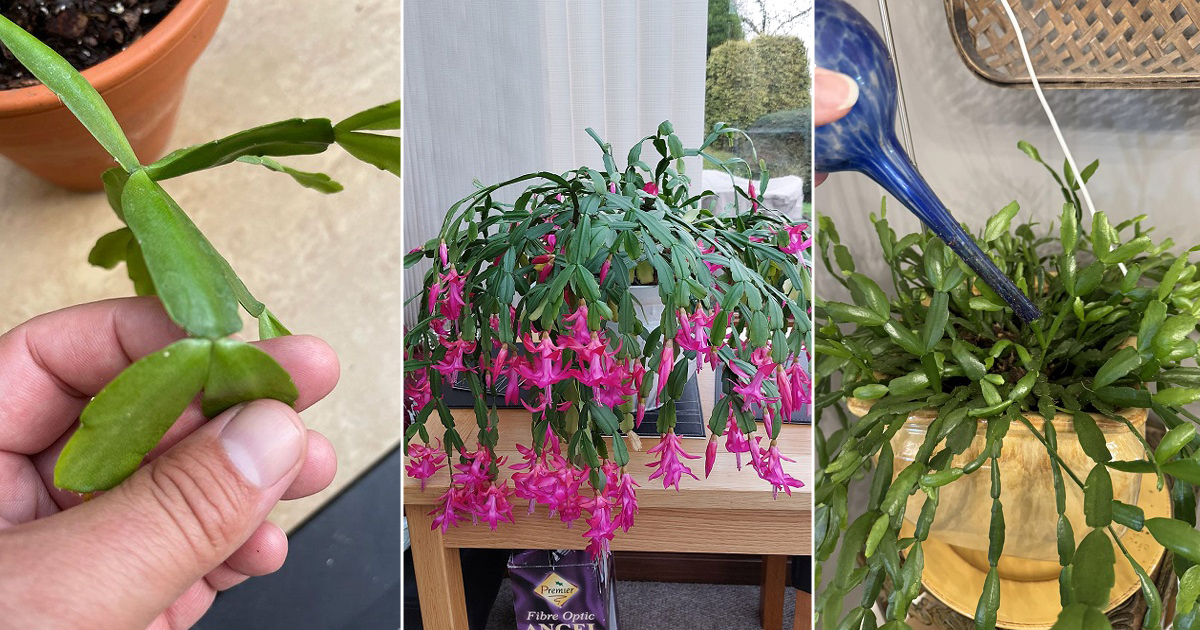
A Christmas cactus can look pretty ordinary for most of the year. Then fall comes around, and suddenly you start noticing tiny buds at the ends of the stems. That’s when things get exciting.
Of course, not every plant gets to that point on its own. If your Christmas cactus hasn’t bloomed for a while, the problem is often the conditions around it rather than the plant itself.
You need to start preparing it before you expect flowers. The weeks leading up to blooming are important. Longer nights, cooler temperatures, good daytime light, and careful watering can all help the plant get ready.
How to Prepare Your Christmas Cactus for Flowering
Get a complete indoor plant-care kit and keep the essential tools together for watering, pruning, potting and everyday plant care. Also, you can get all the necessary items for gardening at our Amazon Storefront.
Start About 6–8 Weeks Before You Want Flowers
Don’t wait until December to start preparing your Christmas cactus for festive flowers.
If you want it to bloom around the holidays, early fall is a good time to begin. For many plants, that means making changes around October.
Christmas cactus needs several weeks to respond to shorter days and longer nights. Give it enough time and you’re much more likely to see buds forming.
Starting late doesn’t always mean the plant won’t bloom at all, but it can make the timing unpredictable.
1. Give It Long, Dark Nights
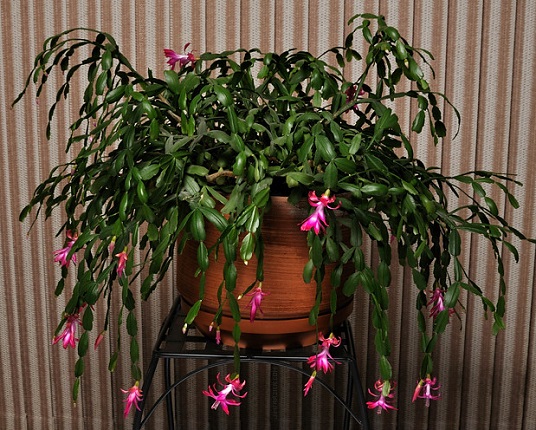
This is the part you need to pay the most attention to.
Christmas cactus responds to changing day length through photoperiodism. Longer nights act as a signal that it’s time to prepare for flowers.
Start about 6–8 weeks before you want it to bloom. Give the plant around 12–13 hours of uninterrupted darkness each night. For example, if you turn off the lights at 9 p.m., keep it dark until about 9–10 a.m.
If your room stays bright at night, move the plant to a dark room or cover it with a box. Once buds appear, you can stop the extra darkness routine.
Whatever method you use, be consistent. Don’t cover it one night, leave it uncovered the next, and expect the same results.
Keep doing this for roughly six weeks. Once you can see little flower buds starting to form, you can stop the blackout routine.
2. Keep It on the Cooler Side
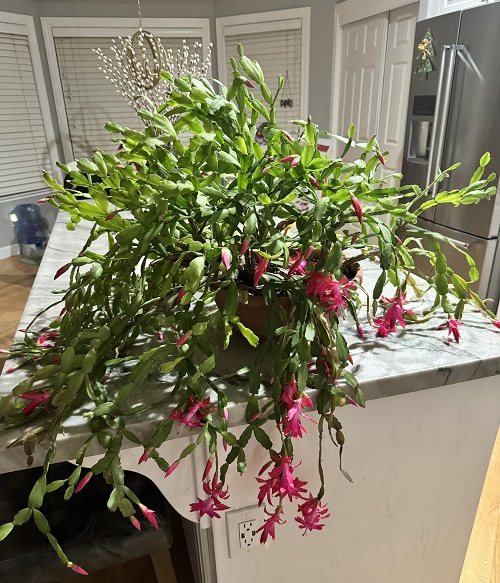
Christmas cactus doesn’t need to be kept warm while it’s trying to set buds.
Cooler temperatures can help with flowering. Try to keep it around 60–68°F (16–20°C) during this period.
You don’t need to lower the temperature in your entire house. Just look at where the plant is sitting.
A Christmas cactus beside a heating vent may have a very different experience from one sitting in a cooler room. Keep it away from radiators, fireplaces, hot appliances, and other sources of heat.
Also, don’t keep moving it between places with very different temperatures.
This becomes even more important after buds appear. A sudden change from cool conditions to a hot room can sometimes cause those small buds to drop.
3. Give It Good Light During the Day
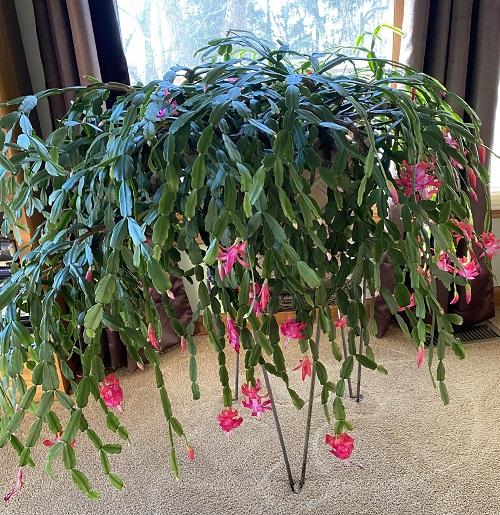
The plant still needs light during the day.
A bright spot near a window is usually a good choice. Try to give it plenty of indirect light without leaving it in strong afternoon sun for hours.
Too much direct sun can scorch the stems. On the other hand, a very dark corner isn’t going to help a plant that’s already struggling to bloom.
So don’t think of the long-night treatment as keeping the plant in darkness all day. It needs bright conditions during the day and darkness at night.
That’s the balance you’re after.
If your Christmas cactus doesn’t get enough daytime light, add a grow light to give it the extra brightness it needs.
4. Don’t Let Watering Get Too Extreme
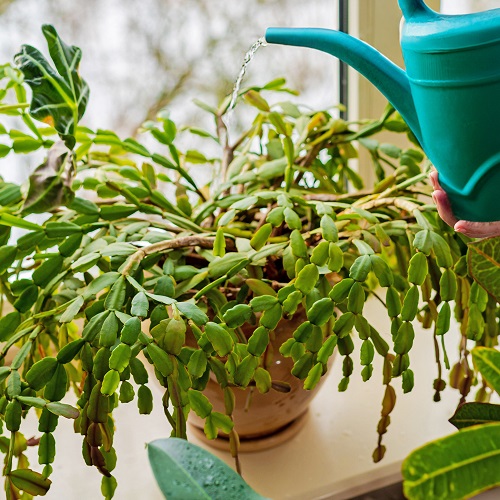
Christmas cactus is a little different from the desert cacti you may be used to. It comes from a tropical environment and doesn’t like being left completely dry for long periods.
That doesn’t mean the soil should stay wet either.
Let the top of the soil dry a little before watering. When it does need water, give it a thorough drink and let the extra water drain from the pot.
In fall, you can water a little less often while the plant is preparing to bloom. Slightly drier conditions can help encourage buds, but there’s no reason to let the whole root ball become bone dry.
Once you see buds, be more careful about keeping the watering fairly steady.
For example, don’t leave the plant dry for a long time and then soak it heavily. Big swings in moisture can stress the plant, and bud drop is the last thing you want at this stage.
Help your Christmas cactus drain well with a light, well-draining potting mix made for healthy root growth.
5. Don’t Push It With Fertilizer
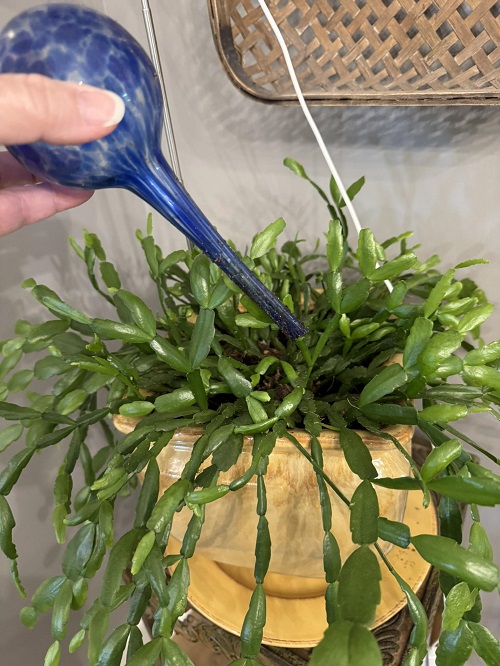
Your Christmas cactus can benefit from fertilizer while it’s actively growing, especially during spring and summer.
Fall is different.
Once you’re preparing the plant for flowers, there’s not much point in encouraging a lot of fresh leafy growth. If you’ve been feeding regularly, start cutting back or stop as you move into the bloom-preparation period.
Too much nitrogen can encourage stems and leaves rather than flowers.
It’s better to grow a healthy plant earlier in the season than to try to make up for poor growth with extra fertilizer just before blooming
Give your Christmas cactus the nutrients it needs during its growing season with a gentle, well-balanced fertilizer.
6. Pinch the Stems in Summer
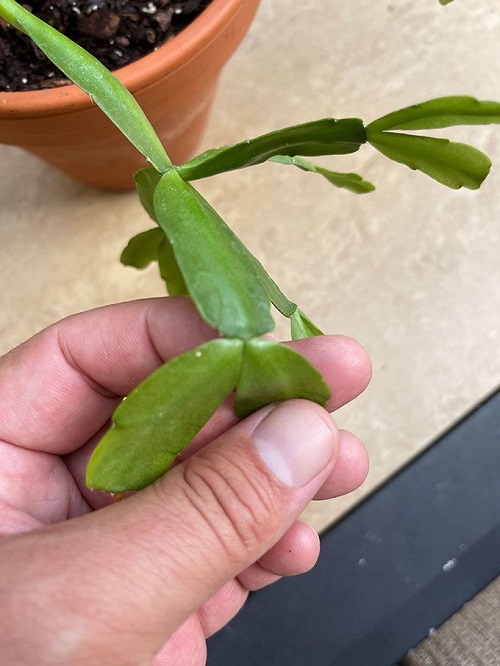
If you want more flowers, it helps to have more growing tips.
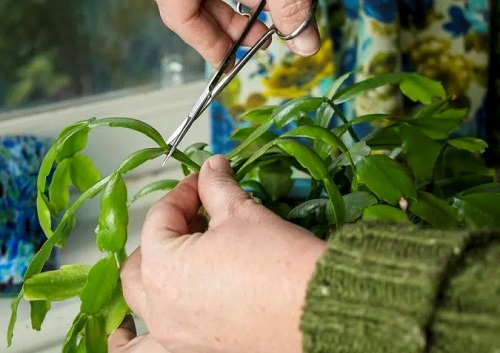
Summer is a good time to pinch back a few of the stem ends. This encourages the plant to branch, so instead of having long stems with fewer tips, you can end up with a fuller plant.
Don’t go overboard with the pruning. You only need to remove the ends of a few stems.
And those pieces don’t have to go into the trash. If they’re healthy, you can root the cuttings and grow more Christmas cactus plants.
Make summer pruning easier with a sharp pair of pruning scissors for clean, precise cuts.
7. Once You See Buds, Leave the Plant Alone
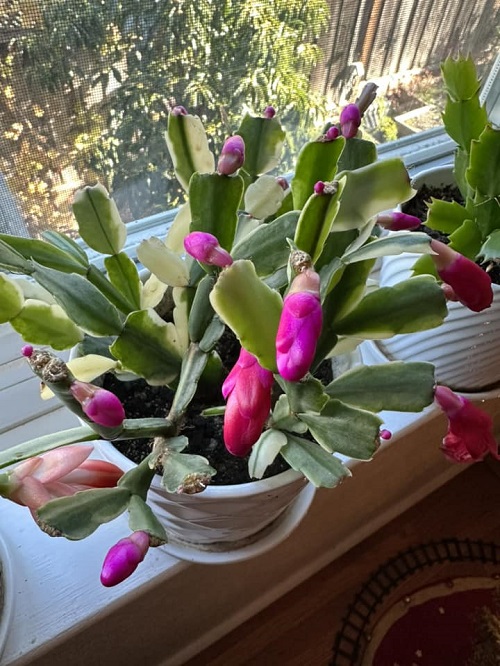
This is where it’s easy to get carried away.
You see buds and naturally want to put the plant somewhere special where everyone can see it. But moving it around at this stage isn’t always a good idea.
Christmas cactus can react to changes in light, temperature, and moisture. A plant that’s been sitting somewhere cool may not appreciate being moved beside a heater just because that’s where you want to display it.
Try to choose the final spot before the buds get large.
Once they’re there, leave the plant alone as much as possible. Keep the temperature fairly steady, don’t suddenly change its watering routine, and keep it away from heating vents and drafts.
Sometimes doing less is exactly what the plant needs.
What to Do When the Buds Start Growing
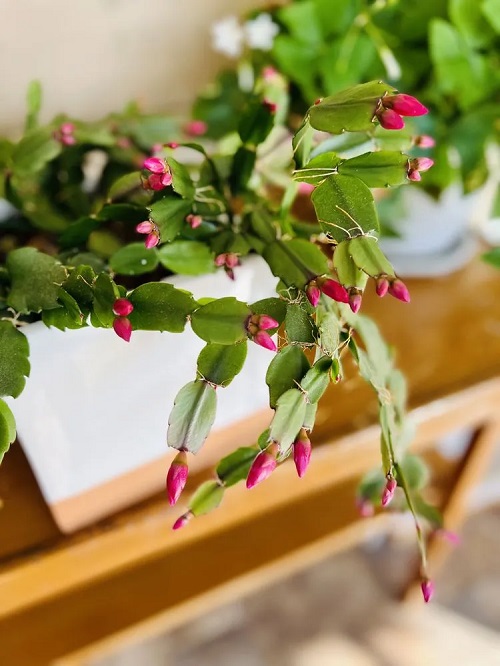
Once those little buds appear, you’ve done the difficult part.
Now you mainly need to keep things steady.
Give the plant bright, indirect light during the day. Keep it somewhere reasonably cool and away from sudden temperature changes. Check the soil and water when the top begins to dry.
Don’t start moving the plant from room to room to find the perfect spot. And don’t suddenly start feeding it because you think the buds need extra fertilizer.
Just let them develop.
The buds will gradually get bigger, and eventually you’ll have flowers opening along the ends of the stems. That’s the payoff after several weeks of preparation.
Can a Christmas Cactus Bloom More Than Once?
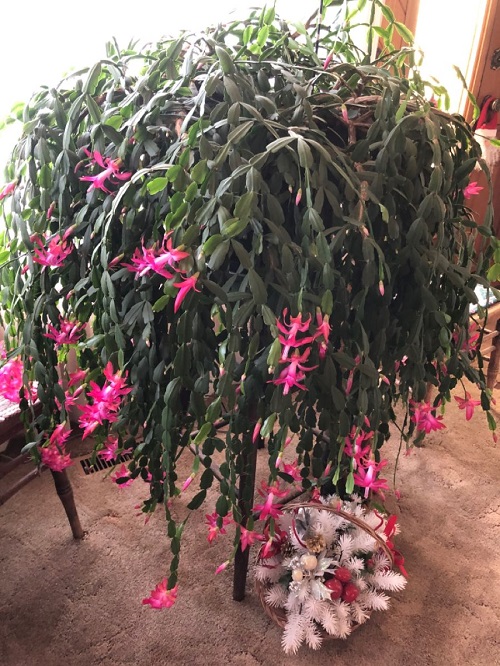
It can.
A Christmas cactus may flower more than once in a year if the conditions are right. After the first flush of flowers, let the plant return to its normal growing routine.
Later, you can give it another period of long, uninterrupted nights to encourage another round of buds.
Do not try to force repeated flowering if the plant is looking tired or isn’t growing well. Flowering takes energy, and a healthy plant should always be the priority.
If the plant is growing well, another bloom can be a nice bonus.
A Simple Christmas Cactus Bloom Schedule
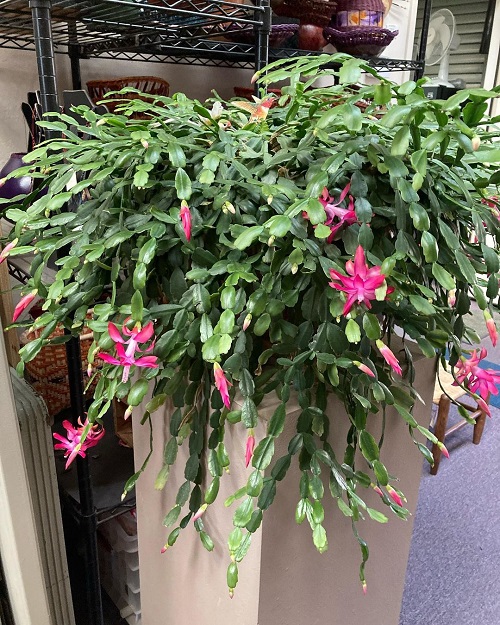
You don’t need to make this complicated. Think about the year in stages.
Spring
This is when you want healthy new growth. Feed the plant as needed and keep it in bright, indirect light. Water when the soil begins to dry.
Summer
Keep up with normal feeding and watering while the plant is growing. If the stems are getting long, pinch a few tips to encourage branching.
Early Fall
Start cutting back on fertilizer. This is also the time to think about where the plant will spend its nights and whether the temperature is cool enough for bud formation.
About 6 Weeks Before You Want Flowers
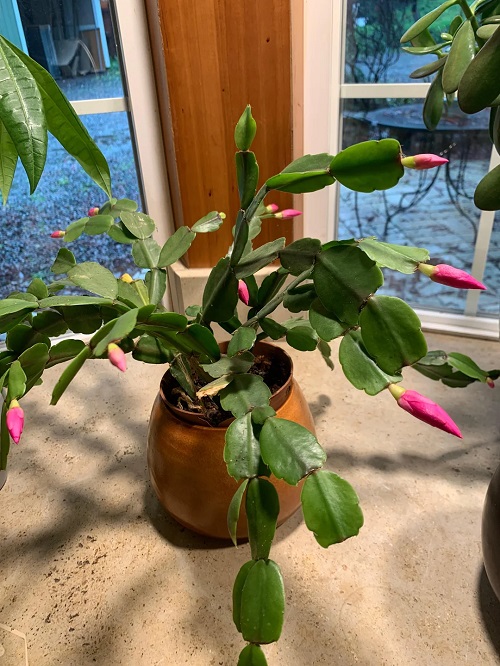
Start giving the plant about 12–13 hours of uninterrupted darkness each night. Keep it in bright light during the day and avoid very warm locations.
When Buds Appear
This is the time to stop fussing with it.
Keep the plant in a steady spot. Water when the soil starts to dry and avoid sudden changes in temperature or light.
When It Blooms
Enjoy it.
There’s no need to make major changes while the flowers are open. Continue with sensible watering and gentle care.
The Key to Getting a Christmas Cactus to Bloom
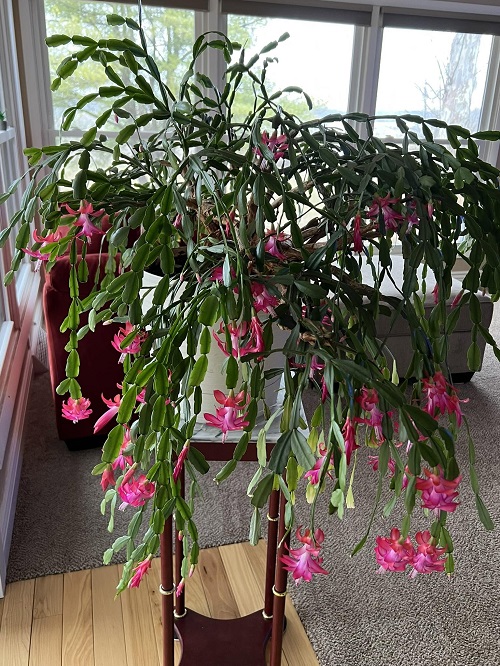
Getting a Christmas cactus to flower isn’t really about one magic trick.
The timing matters. Start several weeks ahead and pay attention to what the plant experiences at night. Long, uninterrupted darkness is especially important, but cooler temperatures, good daytime light, and sensible watering all help too.
If your plant has skipped flowering before, give it another chance this year. Start early rather than waiting for December, and once the buds show up, try not to interfere too much.
Sometimes a Christmas cactus needs surprisingly little from you once you’ve given it the right conditions. Those first flowers will tell you when you’ve got it right.
Build your indoor gardening skills with a practical houseplant guide covering everything from light and watering to feeding and propagation.