
As an Amazon Associate, we earn a small commission from qualifying purchases — at no extra cost to you.
Are brown leaf edges ruining your Calathea? Try this simple rainwater hack and see how it can help your plant grow healthier.
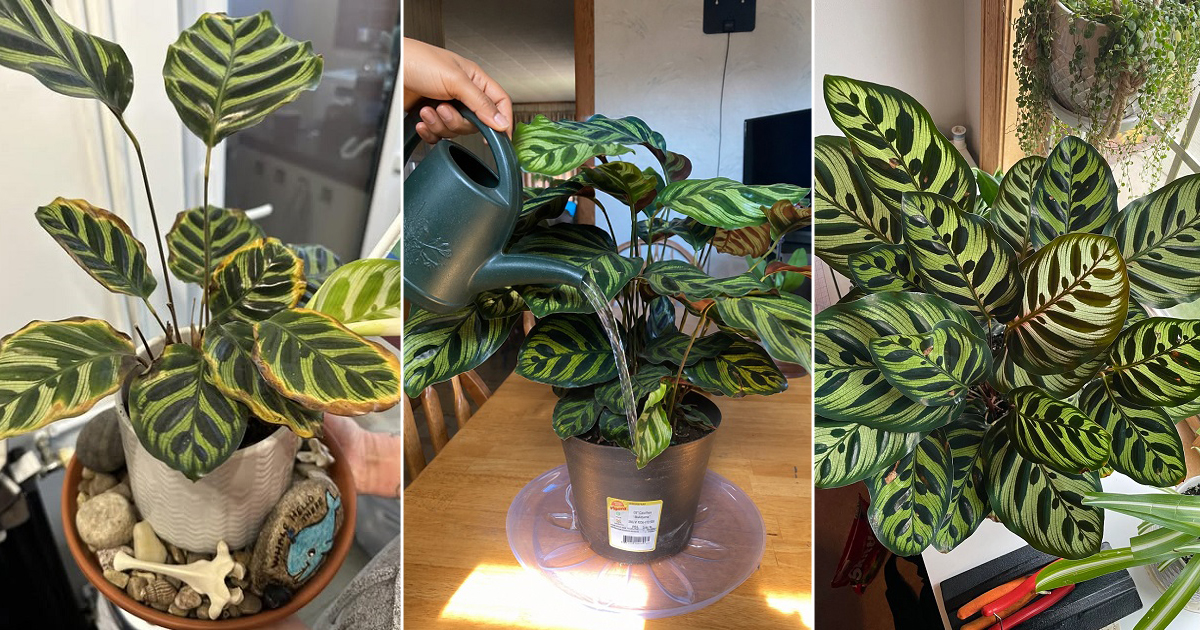
Does your Calathea seem difficult to please no matter what you do? One week it looks healthy, and the next it has brown tips or dry, crispy edges. If that sounds familiar, the problem may not be the light or humidity at all. Many plant lovers spend a lot of time creating the perfect growing conditions but rarely think about the water they use. Since Calatheas are sensitive plants, even something as simple as changing the type of water can make a noticeable difference in how they grow and look.
Is Your Calathea Getting Brown Edges?
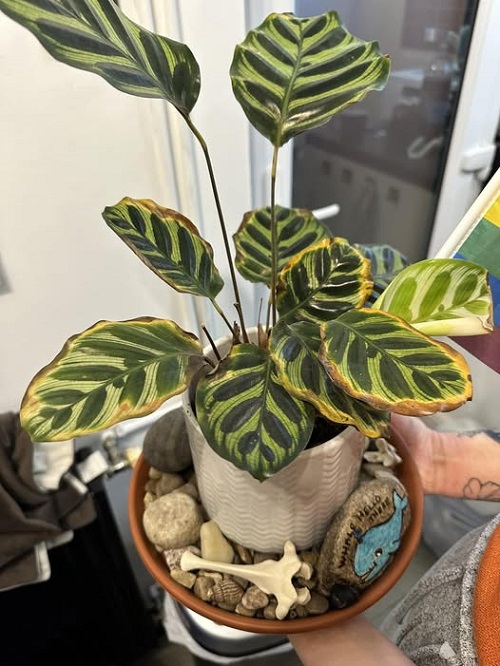
You water your Calathea regularly, keep it away from direct sunlight, may even run a humidifier nearby. Yet the leaves still develop brown tips and crispy edges. This is a common problem with Calatheas, and many plant owners assume they need more humidity.
In reality, the water itself is often the issue. Calatheas are sensitive plants. They react to chemicals and minerals that many other houseplants can tolerate. If your plant keeps showing signs of stress despite good care, it may be time to look at what is coming out of your watering can.
One Simple Rainwater Hack for a Healthier Calathea
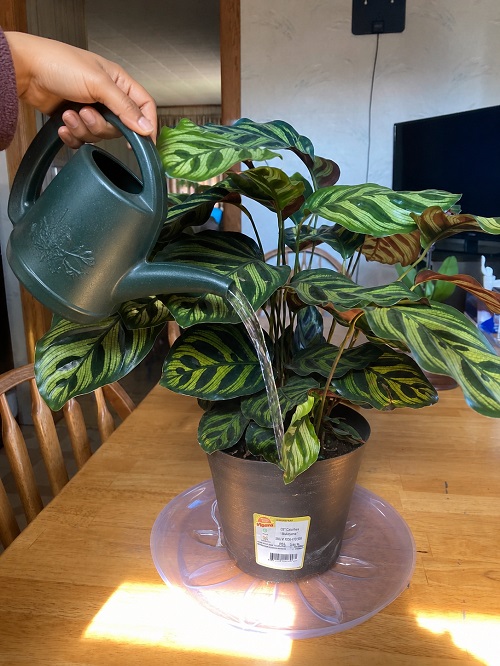
The simple hack is to collect rainwater and use it for every watering instead of tap water whenever possible.
Rainwater is naturally soft. It contains very low levels of dissolved minerals and does not contain the chlorine, chloramine, and fluoride often found in treated tap water. Since Calatheas evolved in tropical rainforests, they are naturally adapted to this type of water.
Many gardeners notice that their plants produce cleaner foliage after making this switch. New leaves often emerge with fewer brown edges, and the overall plant appears healthier over time. While rainwater will not repair damaged leaves, it can help prevent new damage from developing.
Why Tap Water Can Stress a Calathea
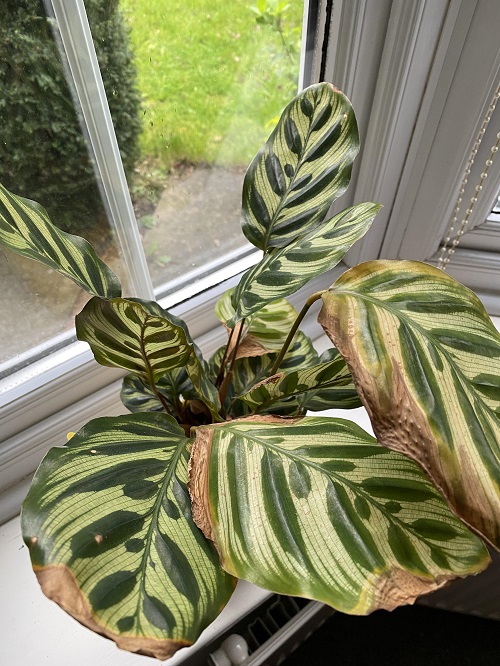
Tap water quality varies from one location to another. In some areas it works reasonably well. In others, it contains enough minerals and chemicals to cause problems for sensitive plants.
Over time, minerals such as calcium and magnesium build up in the soil. Fluoride and chlorine can also accumulate around the roots. As this buildup increases, the plant struggles to absorb water and nutrients efficiently. The first signs usually appear on the leaves. Brown tips, crispy margins, and dull-looking foliage are common symptoms.
Many growers spend months adjusting humidity levels when the real problem is sitting in the watering can.
Collecting Rainwater the Right Way
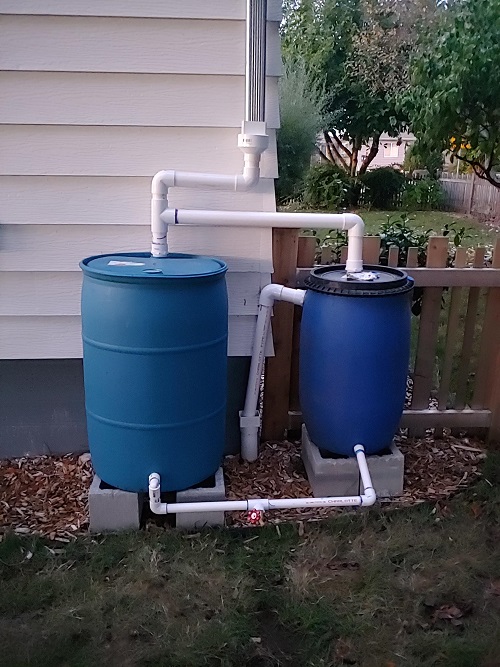
You do not need special equipment. A clean bucket, large container, or rain barrel can collect enough water for several houseplants during a single rainfall.
Place the container in an open area where it can catch fresh rain. Once collected, strain out any leaves or debris. Store the water in a covered container to keep insects and dust out.
If you collect water from a roof, avoid using the very first runoff after a long dry period. Dust and dirt can wash off the roof and enter the water. Fresh, clean rainwater is always the best option for indoor plants.
What Changes Can You Expect?
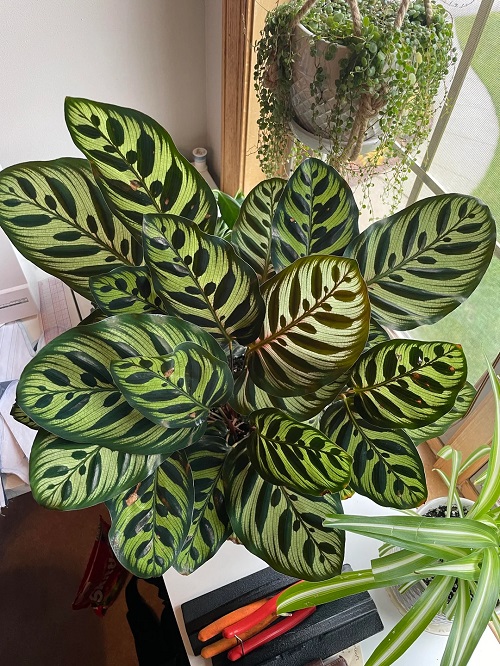
Do not expect overnight results. Existing brown edges will stay brown because damaged leaf tissue cannot heal. The real improvement appears in new growth.
After several weeks of watering with rainwater, many Calatheas begin producing leaves with cleaner edges and stronger color. The plant may also appear more vigorous because the roots no longer have to deal with excess mineral buildup.
The exact timeline varies depending on how much stress the plant experienced before the switch. If minerals have already accumulated in the soil, improvement may take a little longer.
Flush the Soil When You Start Using Rainwater
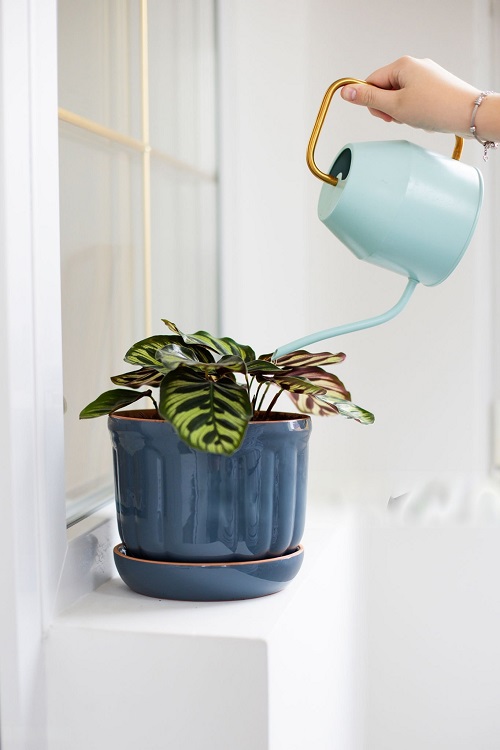
This is the part many people miss.
If you have been using tap water for months or years, mineral deposits may already be trapped in the potting mix. Simply switching to rainwater helps, but flushing the soil can speed up the process.
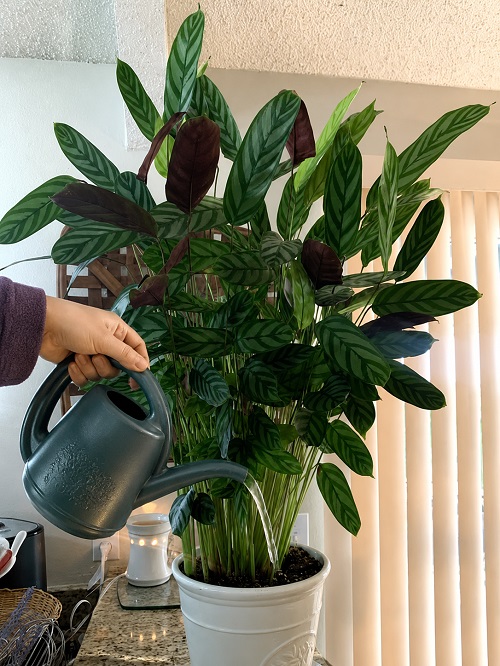
Water the plant thoroughly with rainwater until excess water drains from the bottom of the pot. This helps wash away some of the accumulated salts and minerals. Repeat this process during normal watering sessions over the following weeks.
Many gardeners notice better results when they combine rainwater use with occasional soil flushing.
Store Rainwater Properly
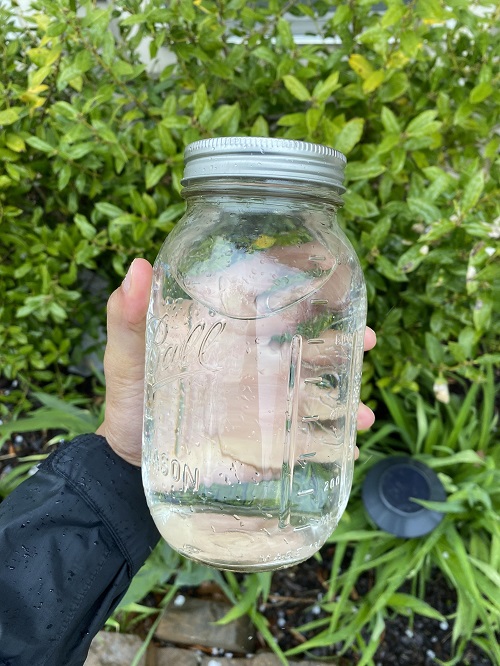
Rainwater can be stored for future use, which is helpful during dry periods. Keep it in a clean container with a lid. Store it in a cool place away from direct sunlight.
Check the water before using it. If it develops an unusual smell or visible contamination, discard it and collect a fresh batch. Clean water is important because stagnant water can introduce problems rather than solve them.
Most home gardeners find that storing a few containers during rainy weather provides enough water for several weeks.
If Rainwater Is Not Available
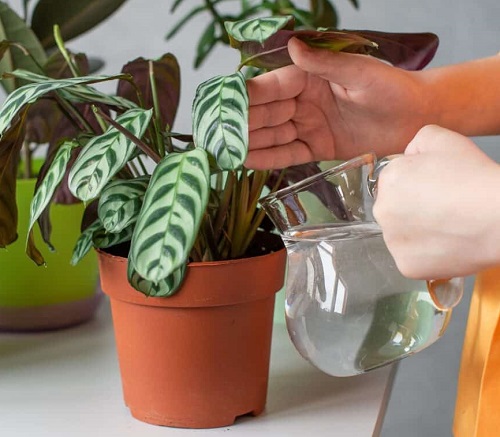
Not everyone can collect rainwater throughout the year. If that is the case, distilled water or high-quality filtered water can be good alternatives.
Many experienced Calathea growers use distilled water successfully because it contains very few dissolved minerals. Filtered water may also work depending on the quality of your local tap water and the type of filter being used.
The goal is the same. Reduce the amount of minerals and chemicals reaching the roots.