
As an Amazon Associate, we earn a small commission from qualifying purchases — at no extra cost to you.
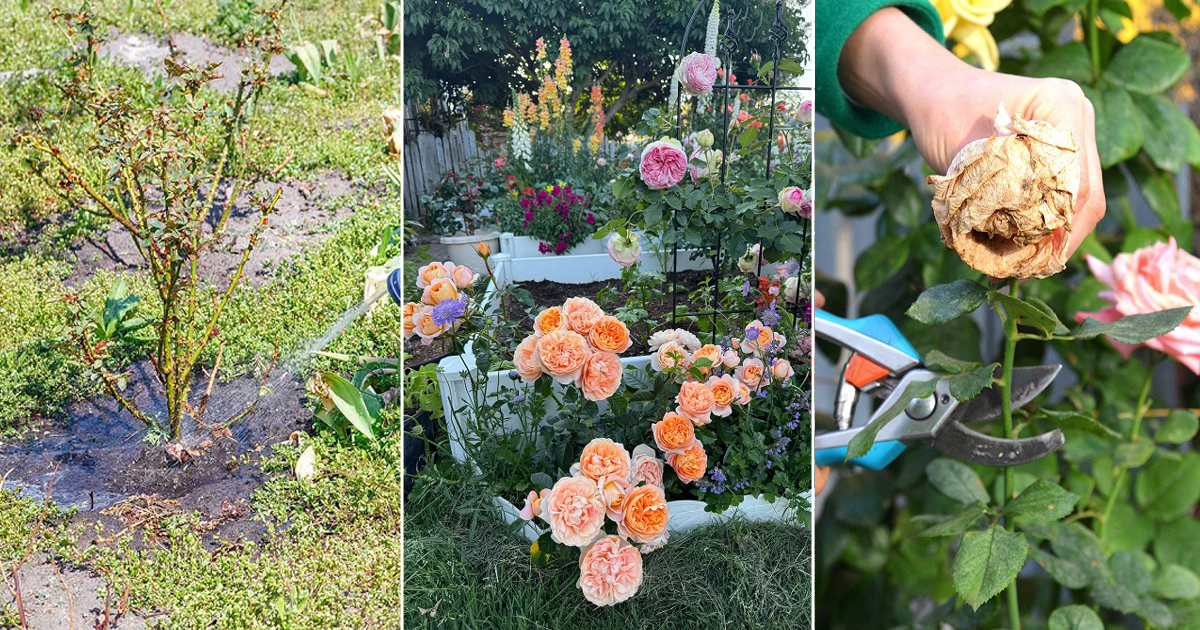
Want beautiful roses next summer? Follow these simple November care tips to protect your plants, support healthy roots, and enjoy more blooms.
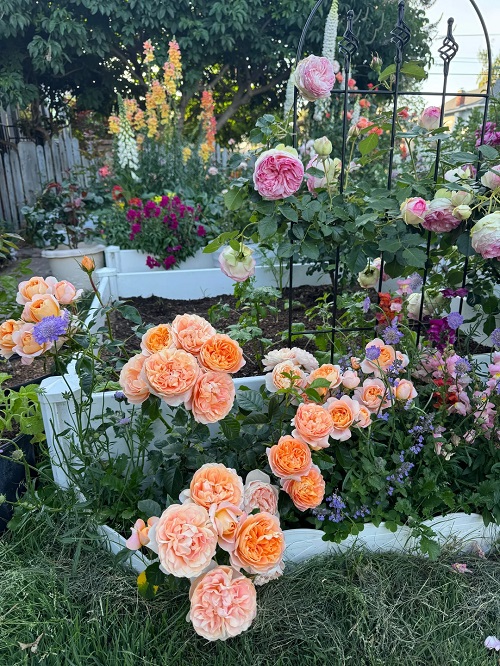
The fragrance of your roses can make next summer special, but healthy plants and beautiful blooms need some care in November.
As the days get shorter and temperatures drop, your roses may stop growing as actively. Depending on your USDA Plant Hardiness Zone, they may begin to enter dormancy. This is a natural resting period that helps prepare the plants for new growth in spring.
November is a good time to give your roses some attention before winter sets in. A few simple care steps now can help your plants grow strong stems and produce plenty of flowers next summer.
Want Beautiful Roses Next Summer? Do These 3 Things in November
Check this complete indoor garden setup and transform your plant corner into a year-round growing station. Give a quick glance at our Amazon Storefront for more such essential needs.
1. Plant Bare-Root Roses
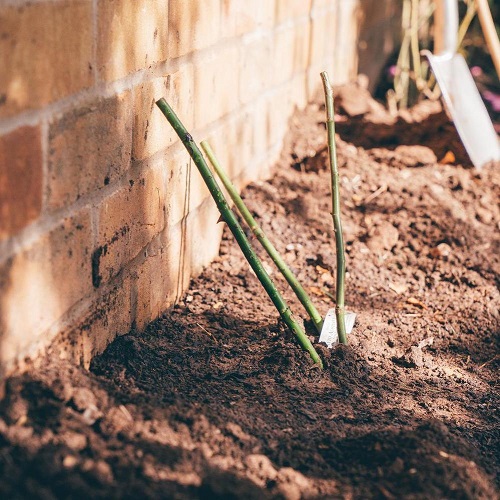
If you want to add new roses to your garden, November can be a good time to plant bare-root roses in regions where the soil is suitable for planting. These roses are sold without soil around their roots, making them easier to transport and often cheaper than potted plants.
Planting them in the right conditions gives their roots time to settle before spring growth begins.
Before planting, soak the roots in water for about an hour. Dig a hole wide and deep enough to spread the roots without bending them. If the rose has a graft union (the swollen area where the stems join the roots), position it at the depth recommended for your climate and rose variety. Fill the hole with soil, water thoroughly, and add a layer of mulch.
Tip: November may also be a suitable time to transplant established roses if the plants are dormant and your local climate allows it. Dig carefully to keep as much of the root ball intact as possible. Replant the rose promptly at the same depth in soil improved with organic matter, then water it well.
Use this plug planter to sow your seeds in deep soil and make your gardening easier!
2. Mulch
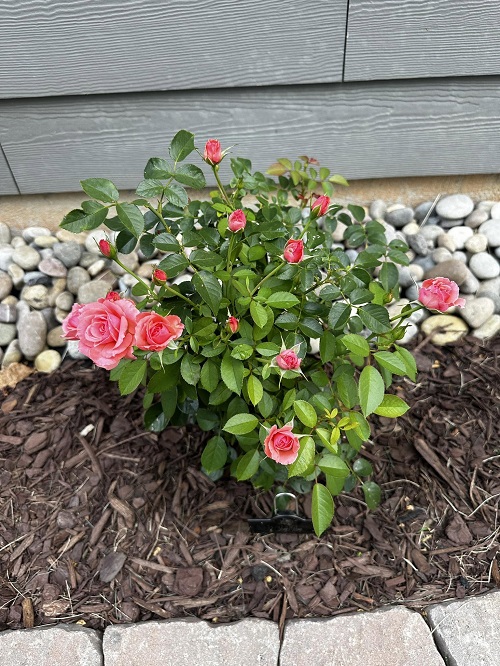
Mulching may seem like an extra step, but it helps keep your roses healthy and ready to bloom next summer. In most regions, early to mid-November is a good time to add a 2–3 inch layer of organic mulch, such as compost or well-rotted manure.
Mulch acts as a protective layer over the soil. It helps keep soil temperatures steady and reduces the risk of frost pushing the roots out of the ground. It also holds moisture, limits weed growth, and adds nutrients to the soil as it breaks down.
When spreading mulch, leave a few inches of space around the base of each rose stem. If you pile it against the stems, moisture can build up and increase the risk of root rot.
Help protect rose roots from winter temperature swings with a good layer of organic mulch. Check out this garden mulch for an easy option.
3. Stop Fertilizing ASAP
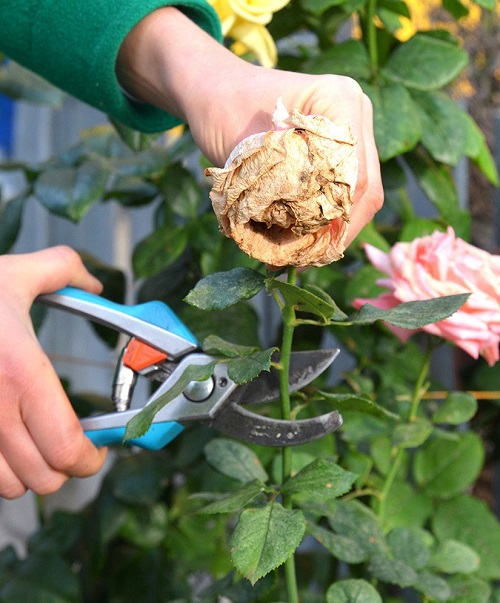
You may want to give your roses some extra nutrients before winter, but avoid fertilizing them in November. Fertilizer can encourage new, soft growth that may not be strong enough to survive the first frost.
Stop feeding your roses by early November and let them slow down naturally. During this time, the plants can store energy in their roots for next year’s growth. You can remove any remaining faded flowers and clear fallen leaves around the plants. However, avoid heavy pruning until late winter or early spring, when the risk of severe frost has passed.
4. Check Your Roses for Signs of Disease
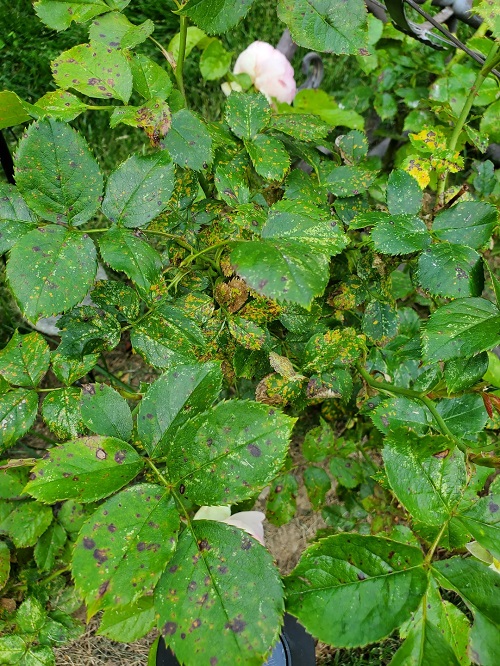
November is a good time to check your rose bushes for problems before winter arrives. Look closely at the leaves, stems, and soil around each plant. Black spots on leaves, orange powdery patches, or white growth may indicate fungal diseases. Damaged stems and unusual marks can also point to other problems.
Remove fallen rose leaves, especially if your plants had black spot or other leaf diseases during the growing season. These leaves can carry fungal spores that may infect new growth later. Collect them from the ground and dispose of them rather than adding diseased material to your home compost pile.
Check the stems for dead, broken, or damaged sections. You can remove clearly broken or diseased parts with clean, sharp pruning shears. However, avoid cutting healthy stems heavily in November, as this can encourage new growth or leave the plant more exposed to winter damage.
Clean your pruning tools between plants if you suspect disease. A suitable disinfectant can help prevent you from spreading problems from one rose bush to another.
Do not use your regular scissors; instead, use these sharp electronic shears for pruning.
5. Water Your Roses According to the Soil
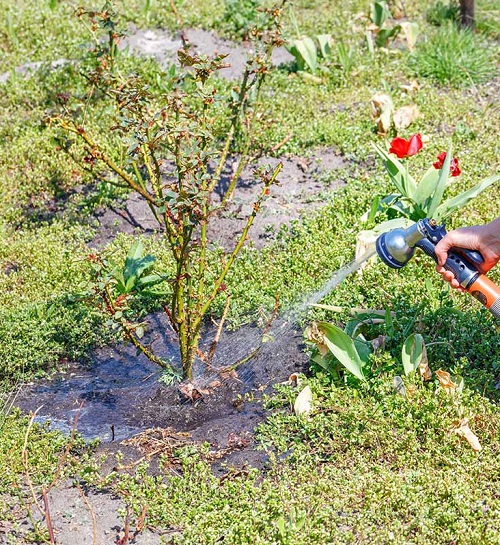
Cooler temperatures usually mean roses need less water than they do during summer. However, you should not let the root zone become completely dry, especially if the autumn has been warm or dry.
Check the soil before watering. Push your finger about 2 inches into the ground near the plant, away from the main stem. If the soil feels dry at that depth, water slowly around the root zone. If it still feels damp, wait a little longer before watering again.
Newly planted bare-root roses need particular attention because their roots are still establishing themselves. Keep the soil lightly moist while they settle in, but do not leave the roots sitting in waterlogged soil. Established roses usually need less frequent watering as temperatures fall and their growth slows.
Water near the base of the plant rather than spraying the leaves. Wet foliage can encourage fungal diseases, particularly when the days are cool and the leaves take longer to dry.
If your area receives regular rainfall, check the soil before adding more water. Heavy, poorly drained soil can stay wet for a long time, increasing the risk of root problems.
Make sure to use this bestselling moisture meter that can make sure that your plant gets the perfect amount of water.
6. Protect Roses From Cold Weather
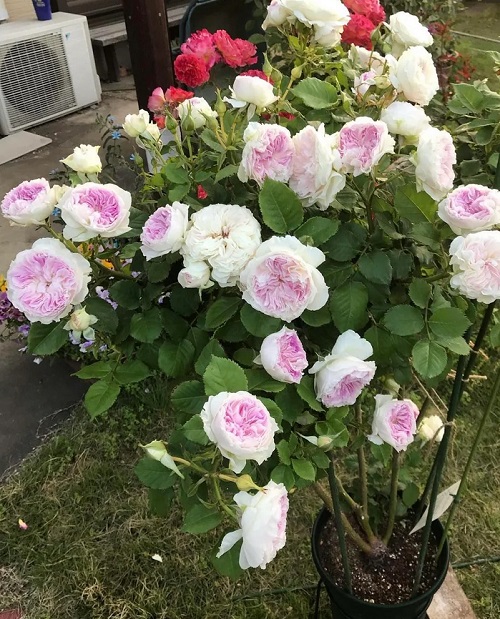
The amount of winter protection your roses need depends on your climate and the type of rose you grow. Many established shrub roses tolerate cold weather better than tender hybrid tea roses, miniature roses, or roses growing in containers.
If your area experiences hard freezes, wait until the plant has slowed its growth and the soil has cooled before adding extra winter protection. In cold regions, you can mound loose soil or compost around the base of susceptible roses to protect the crown and lower stems. Keep the material loose and avoid packing wet soil tightly against the canes.
A layer of mulch over the root zone can also help reduce sudden changes in soil temperature. If you have already mulched your roses, check the depth and add more only if necessary.
Container-grown roses need extra attention because their roots are more exposed to cold than roots planted in the ground. If severe winter weather is expected, move pots to a sheltered, unheated location where possible. You can also insulate the outside of the containers, provided drainage holes remain clear.
Avoid bringing dormant roses into a warm living room. The warmth may encourage early growth when outdoor conditions are still unsuitable.
Take the guesswork out of growing roses with this helpful rose-care book, packed with tips for keeping your plants healthy from season to season.