
As an Amazon Associate, we earn a small commission from qualifying purchases — at no extra cost to you.
What Your Thanksgiving Cactus Needs in October to grow healthy and form flower buds. Check these simple care tips to help it bloom.
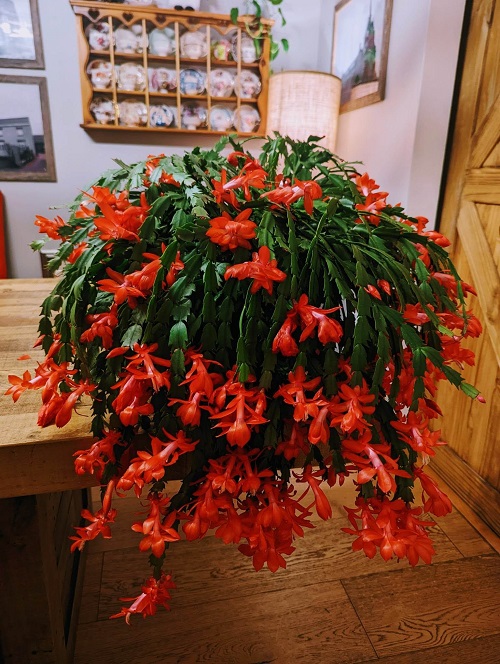
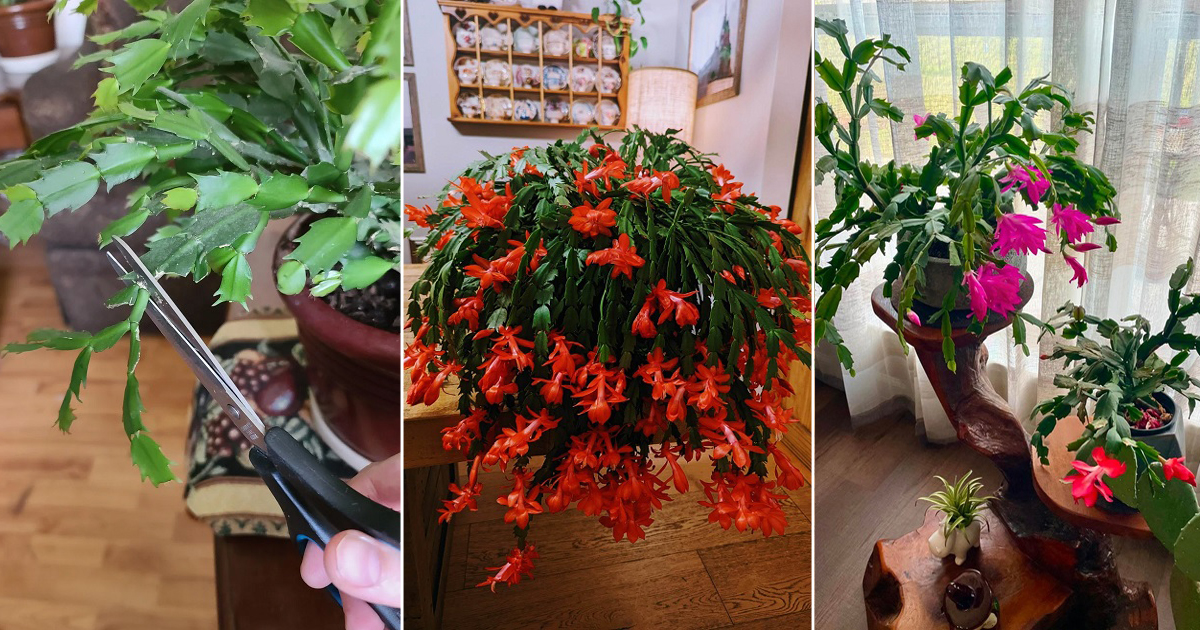
October is an important month for your Thanksgiving cactus because this is when the plant starts preparing for its fall and holiday blooms. Shorter days, longer nights, and cooler temperatures help it develop flower buds. The care you give your plant now can affect how well it blooms in the coming weeks.
If your Thanksgiving cactus has been growing outdoors during summer, you may need to bring it inside and adjust its watering routine. You should also pay attention to light, nighttime darkness, and sudden changes in temperature. These simple steps can help your plant stay healthy and prepare for flowering without putting it under unnecessary stress.
What Your Thanksgiving Cactus Needs in October
See this complete indoor garden setup and turn your plant corner into a year-round growing station. Give a quick view at our Amazon Storefront for more such essential needs.
1. Provide Bright, Indirect Light
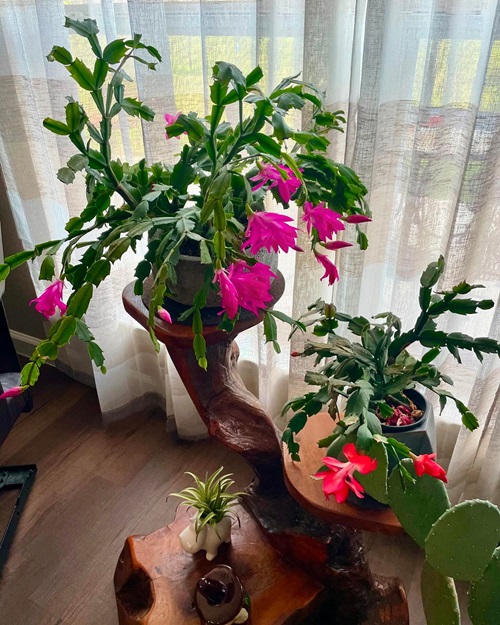
Your Thanksgiving cactus needs enough light in October to support healthy growth and flower development. However, you should avoid placing it in strong afternoon sunlight, which can scorch the stem segments.
An east-facing window is a good choice because it provides gentle morning sunlight. You can also use a bright spot near a north-facing window if the plant receives enough light throughout the day. If you have a south- or west-facing window, place the pot a little farther away or use a sheer curtain to soften the sunlight.
Check the plant occasionally to make sure it is not sitting in a dark corner. Too little light can affect its growth and reduce flowering.
If your room does not receive much natural light, you can use a full-spectrum LED grow light to supplement it. Keep the light on a consistent daytime schedule, but switch it off at night. Your cactus needs darkness after sunset to help trigger flower-bud formation.
Does your window receive strong sunlight? Avoid burning your plants with a set of light-filtering sheer curtains in the room.
2. Move Your Thanksgiving Cactus Indoors Before Cold Weather
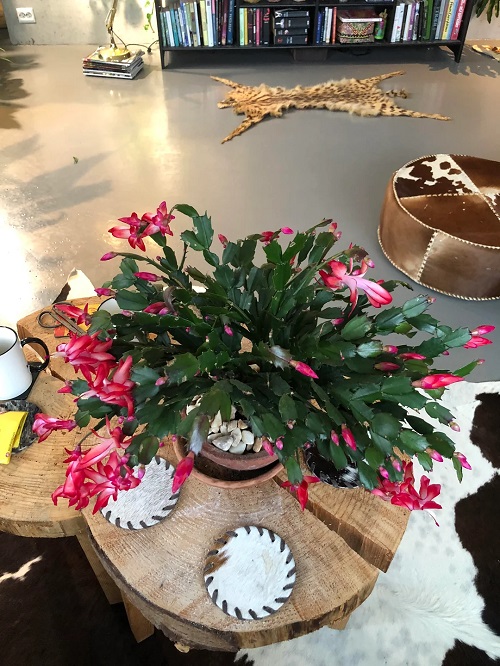
If your Thanksgiving cactus is kept on a porch, balcony, or patio during summer, October is a good time to check whether it needs to move indoors. This plant comes from tropical forests, so it cannot tolerate frost or freezing temperatures.
Bring your plant inside before the nights become too cold. Do not wait until frost is in the forecast, as sudden cold weather can damage the stem segments.
Before moving the pot indoors, inspect the stems, the joints between the segments, and the soil for pests.
Look for tiny insects, white cotton-like patches, or fine webbing that could indicate aphids, mealybugs, or spider mites. If you notice pests, treat the plant before placing it near your other houseplants.
Choose an indoor spot where your cactus can receive enough natural light without being exposed to cold drafts. Once you have found a suitable location, try to keep the plant there, especially when flower buds begin to form.
3. Skip Heavy Pruning and Reduce Fertilizer
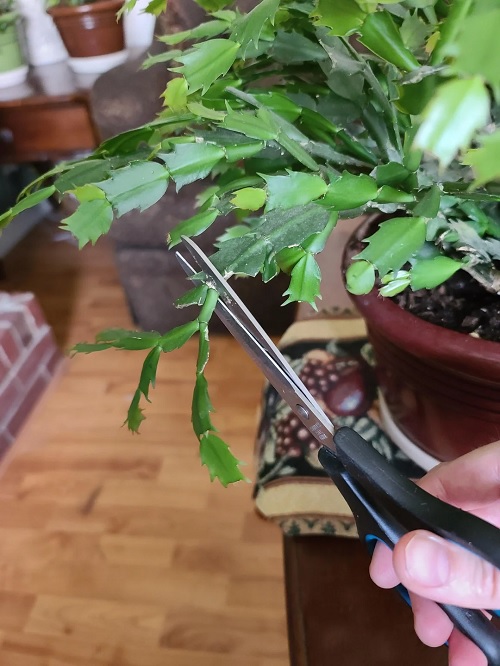
October is not the best time to give your Thanksgiving cactus a major trim. If the stems have grown long or spread out over summer, you may be tempted to cut them back before bringing the plant indoors. However, heavy pruning now can remove sections that would otherwise produce flowers.
Do not disturb healthy stem segments while your plant prepares to bloom. You can remove dead, damaged, or diseased sections if necessary, but save major pruning for after flowering has finished.
You should also reduce or stop routine feeding during this period if your plant has already received regular fertilizer throughout spring and summer. There is usually no need to encourage lots of new leafy growth when the plant is preparing to produce flowers.
Avoid applying a strong fertilizer to force more buds. Excess feeding will not make up for poor light, interrupted darkness, or unsuitable watering. Instead, focus on providing stable growing conditions.
After flowering, you can review the plant’s growth and decide whether it needs pruning, repotting, or a fresh feeding routine when active growth resumes.
When your plant experiences active growth, a balanced liquid houseplant fertilizer may be useful if your plant needs feeding.
4. Give It Long, Uninterrupted Nights
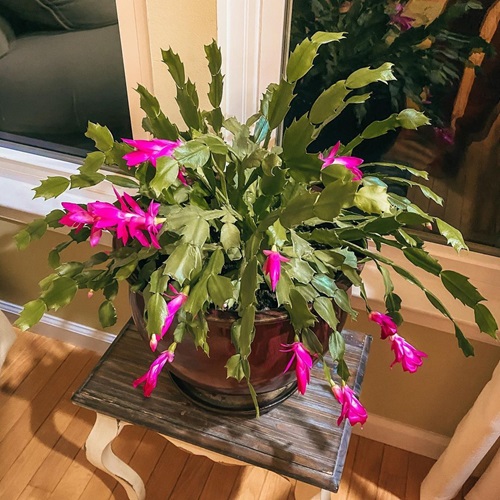
One of the most important things your Thanksgiving cactus needs in October is a regular period of darkness at night. Unlike many houseplants that mainly need light for growth, this cactus also responds to shorter days and longer nights when preparing to bloom.
Try to provide around 12 to 14 hours of uninterrupted darkness each night for several weeks. Keep your plant away from lamps, bright room lights, and other sources of artificial light during this period.
You do not need to put the pot inside a cupboard every evening. Instead, choose a room that stays naturally dark at night. A spare bedroom or a quiet corner away from evening activity may work well.
During the day, give your cactus bright, indirect light as usual. At night, allow it to rest without interruptions from artificial lighting.
If you keep the plant in a room where lights remain on late into the evening, consider moving it to a darker location before buds appear. Once you notice small buds developing at the ends of the stems, continue maintaining stable conditions so they can grow without unnecessary stress.
5. Change Your Watering Routine
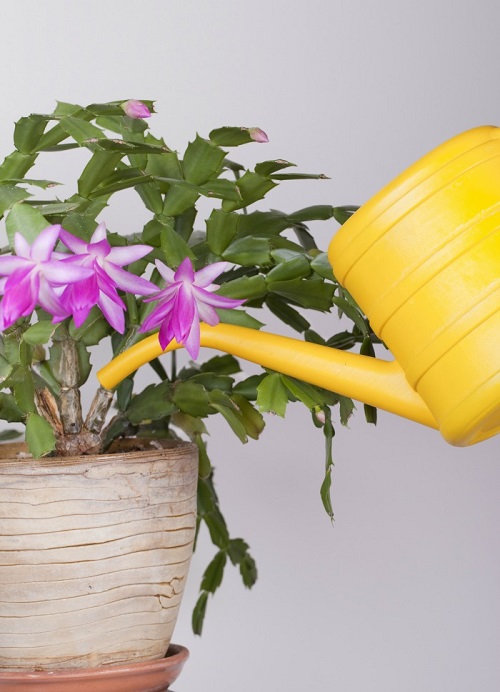
Your Thanksgiving cactus may need less water in October than it did during the warmer summer months. As temperatures cool and daylight decreases, the potting mix may take longer to dry. If you continue watering as frequently as you did in summer, the roots may remain wet for too long.
Before watering, check the top inch of potting mix with your finger. If it still feels damp, wait a little longer. When the surface has started to dry, water the plant thoroughly until excess water drains through the holes at the bottom of the pot.
Always empty the saucer after watering. Leaving the pot sitting in collected water can increase the risk of root rot.
You should not follow a strict watering schedule without checking the soil first. Your plant may need water more often in a warm room than in a cooler one, so let the condition of the potting mix guide you.
Also, make sure your pot has drainage holes and that the growing mix drains well. Thanksgiving cactus is not a desert cactus, but it still needs air around its roots. Keeping the soil lightly moist without allowing it to remain soggy will help you maintain healthy roots as the plant prepares to bloom.
Not sure whether your cactus needs more water? A soil moisture meter can assess the moisture in the potting mix.
6. Keep the Plant in One Place Once Buds Appear
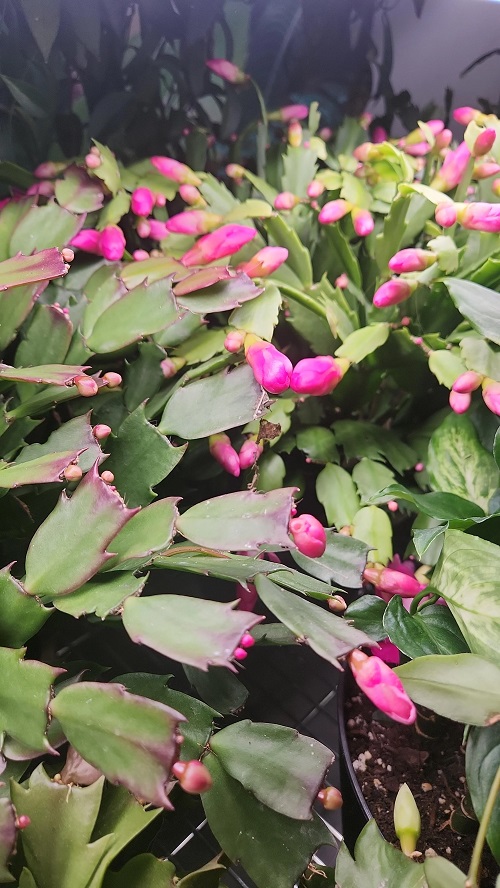
When you notice tiny flower buds at the ends of your Thanksgiving cactus stems, try not to move the pot unnecessarily. This is the stage when consistent care becomes particularly important.
Sudden changes in temperature, light, or watering can cause developing buds to drop before they open. Moving the plant repeatedly between rooms or placing it near a heater may create the kind of changing conditions you want to avoid.
Choose a location away from cold windows, frequently opened exterior doors, heating vents, and air conditioners. Keep the temperature reasonably steady and avoid exposing the plant to sudden hot or cold air.
You should also continue checking the soil before watering. Do not allow the plant to dry out completely, but do not keep the mix constantly wet either.
If you want to decorate your home with the plant during the holiday season, choose its display location before the buds develop. Once you see the buds, leave it there as much as possible. A little patience can help you enjoy the flowers without disturbing the plant at a sensitive stage.
With a digital indoor thermometer, you can monitor the room temperature and find the best spots for your budding cactus.
7. Be Patient About Flowering Time
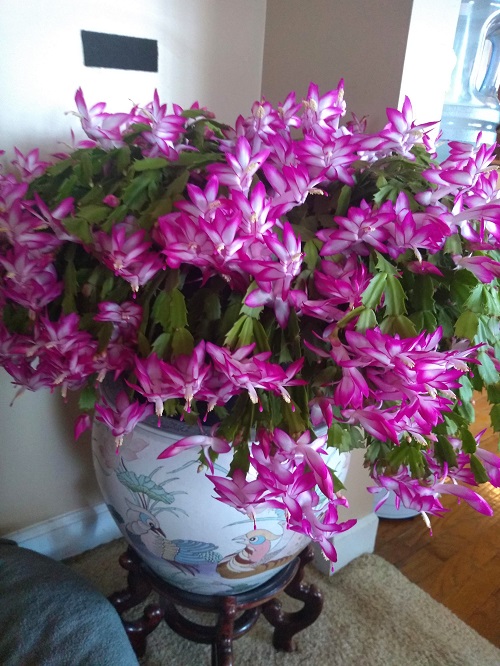
Your Thanksgiving cactus may not bloom on the exact date you expect, even if you provide the right care in October. Some plants begin flowering in early November, while others take longer. The variety, growing conditions, temperature, and stage of development all influence when the flowers open.
If your plant has not formed buds yet, check whether it receives enough indirect light during the day and uninterrupted darkness at night. Also review your watering routine and make sure the plant is not exposed to frequent temperature changes.
Avoid making several major changes at once. Give your cactus time to respond to the conditions you provide, as flower development does not happen overnight.
It is also worth checking whether you have a Thanksgiving cactus or a Christmas cactus. Both belong to the Schlumbergera group, and they are often confused because their flowers and growing habits are similar. A Thanksgiving cactus, Schlumbergera truncata, usually has pointed projections along the edges of its stem segments and generally flowers earlier than a Christmas cactus.
Once your plant starts blooming, you can enjoy its flowers for several weeks with steady care. The flowering period will vary depending on the plant and its growing conditions.
Final Thoughts
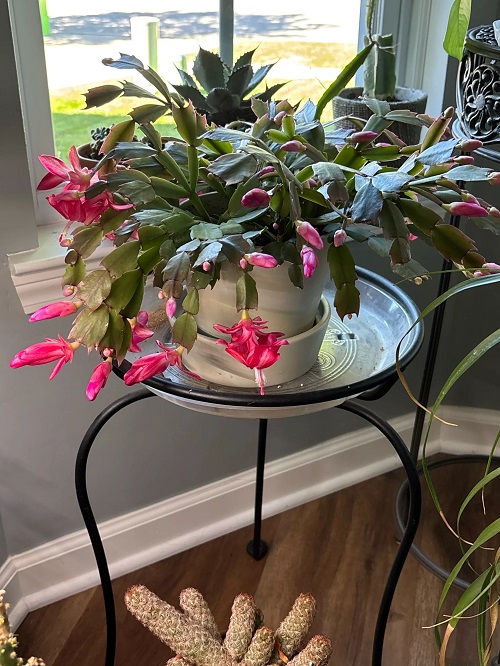
What your Thanksgiving cactus needs in October is a little attention and a consistent routine. Give it bright, indirect light, allow long nights without artificial lighting, and adjust watering as the potting mix dries more slowly. If your plant has been outdoors, bring it inside before cold weather causes damage.
Avoid heavy pruning, unnecessary fertilizer, and frequent changes in location once flower buds begin to develop. You do not need to do more to your plant simply because flowering season is approaching. Focus on getting the basic conditions right and give it time to respond.
With steady care in October, your Thanksgiving cactus will have a better chance of producing healthy buds and opening its flowers in the weeks ahead.
Get your Thanksgiving cactus looking the freshest and most festive with tricks from this Cactus and Succulent Handbook.