
As an Amazon Associate, we earn a small commission from qualifying purchases — at no extra cost to you.
Noticed black leaves on your pothos? Find out what causes this problem and how you can fix it to help your plant recover.
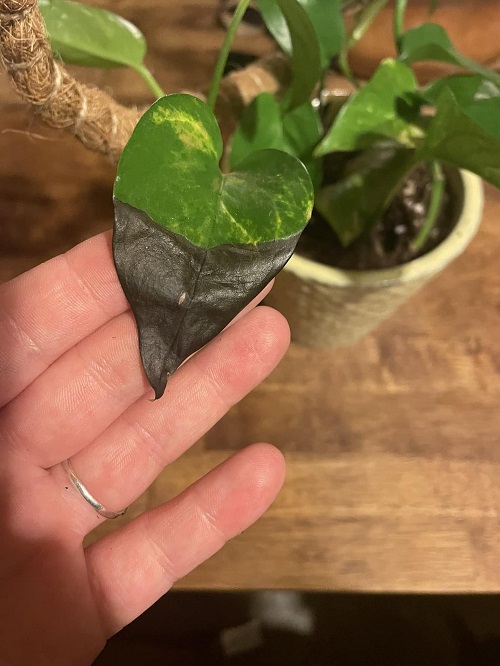
It is not always easy to tell when a plant is struggling. You may notice slight wilting or slower growth, but these signs can be easy to miss. However, when you see your pothos leaves turning black, you know something is wrong.
Healthy pothos (Epipremnum aureum) plants usually have bright green leaves. Some varieties also have yellow or light green patterns. These colors are normal, but black leaves are a sign that your plant needs attention.
In this article, you will learn what causes pothos leaves to turn black and what you can do to help your plant recover.
Reason for Pothos Leaves Turning Black
Love indoor greenery all year? Grow beautiful herbs and plants effortlessly with this best-selling indoor garden. For more such supplies, check out our Amazon storefront.
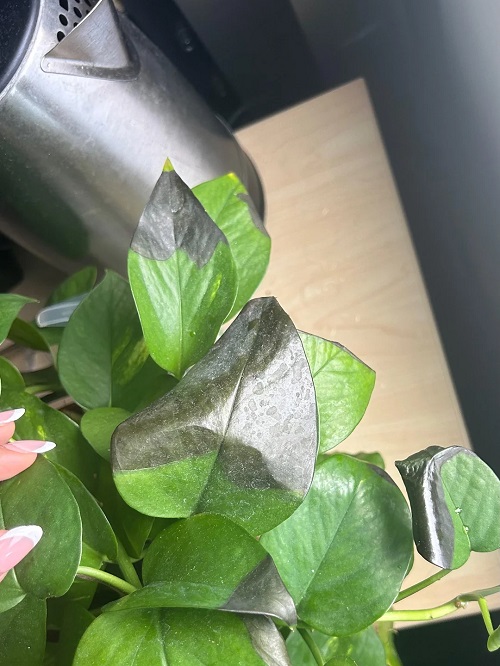
You may consider your pothos one of the easiest houseplants to grow. It can adapt to different light conditions, including partial sunlight and shade. It also handles occasional missed watering without much trouble. You may not even need to fertilize it often, especially when your plant is growing well.
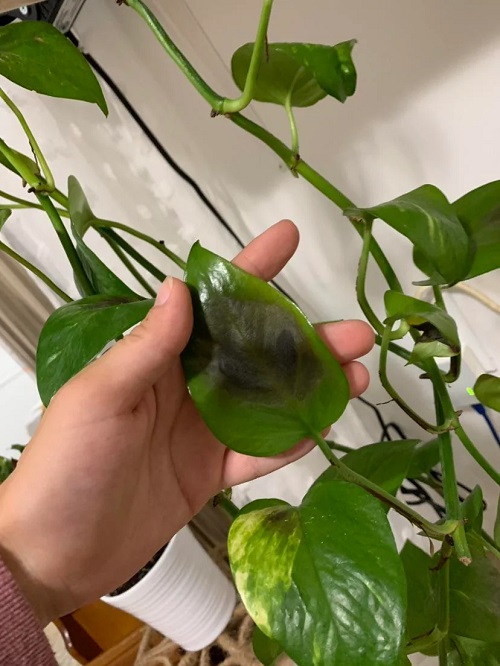
That is why you should pay attention when your pothos starts looking unhealthy. An occasional yellow leaf is usually nothing to worry about. However, when you notice the green leaves turning black, it is a sign that your plant is under stress. You need to find the cause and make a few changes to help it recover.
Root Rot – Poor Drainage
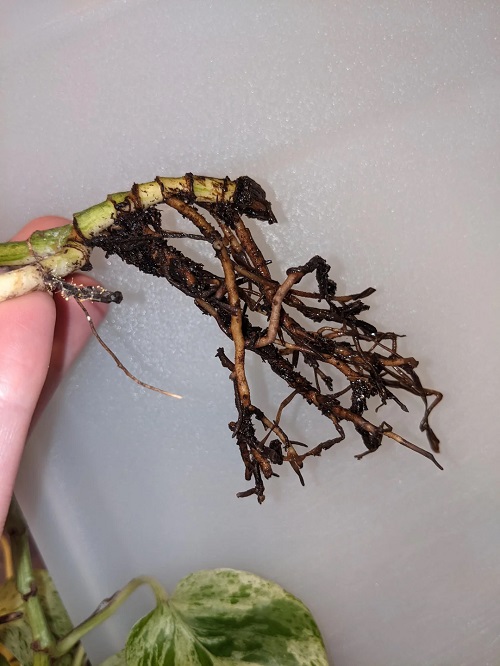
Root rot does not always happen because you give your pothos too much water. Poor drainage can also cause this problem. Your pothos needs water, but excess water must drain out of the soil. If you use heavy soil or a pot with too few drainage holes, water can collect around the roots. Over time, the roots may rot, and the leaves can develop black spots.
If you notice black spots on your pothos leaves but do not water it often, check the soil and pot drainage. Replace heavy soil with a loose, well-draining potting mix. Also, make sure your pot has enough drainage holes to let extra water escape.
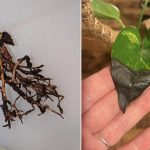
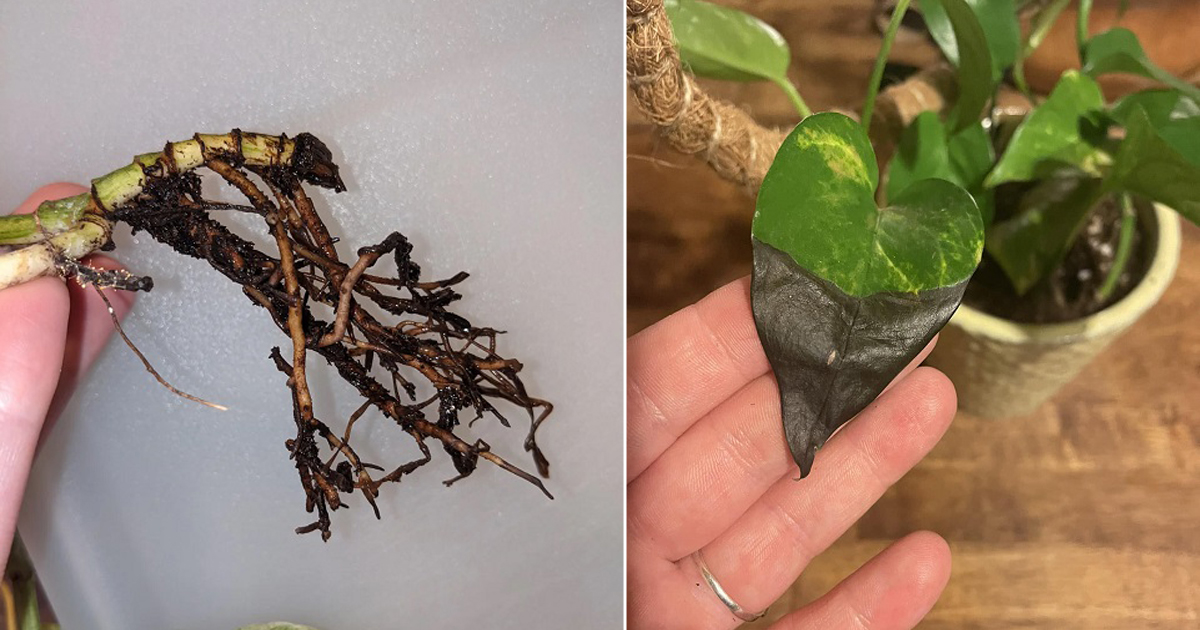
If the root rot has spread, take the plant out of its pot and inspect the roots. Healthy roots are usually firm and light-colored, while rotting roots look dark and feel soft or mushy. Use clean scissors to cut away the damaged roots. Then repot your pothos in fresh potting mix with added perlite to improve drainage.
Properly sized planters with drainage holes help prevent excess moisture retention while encouraging healthier root development.
Root Rot – Overwatering
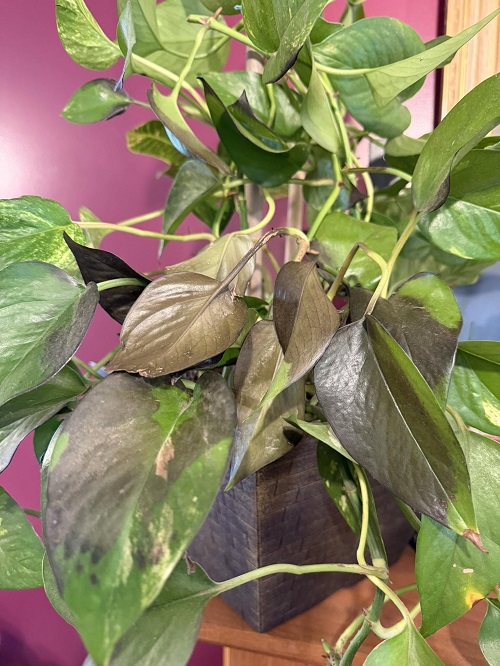
Several things can cause black spots on your pothos leaves, but root rot is one of the most common reasons. If you notice your pothos leaves turning black, check the roots first.
Root rot may sound like a serious problem, but it often starts with overwatering. Your pothos needs water to grow, but it does not like sitting in wet soil for too long. When you water it too often, the roots stay wet and may begin to rot. This affects the plant’s health and can cause the leaves to turn black.
You may feel that giving your pothos more water will help it grow better, but too much water can harm the plant. If you water it every day or every other day, you need to change this routine. Wait until the top 2 inches of soil feel dry before watering again.
Your watering schedule may depend on the pot size, room temperature, and growing conditions. Small pothos plants may need water about once a week, while larger pots may need watering every two weeks. Always check the soil before watering instead of following a fixed schedule.
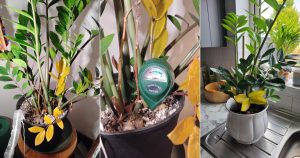
Use this soil moisture meter to check the soil and adjust its environment accordingly.
Acute Cold or Freeze Damage
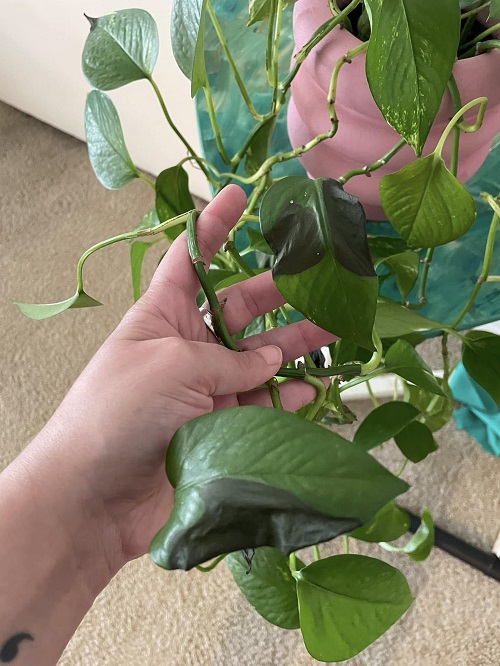
Pothos plants are native to tropical rainforests, where temperatures stay warm throughout the year. They do not tolerate frost or long periods of cold weather. You need to provide similar conditions when growing them indoors.
If the temperature in your home drops below 60°F (15.5°C), your pothos may stop growing. Colder temperatures can also damage the leaves. If your plant stays in the cold for too long or gets exposed to frost, the leaves may turn black. This happens when the cold damages the plant cells, and severe damage can be difficult to reverse.
To prevent this problem, keep your pothos in a warm spot during winter. Keep it away from cold drafts, air conditioners, and open windows. If your plant gets exposed to frost, move it to a warm room as soon as possible. Check how much damage the leaves have suffered. If only a few leaves turn black, your pothos may recover. However, if most of the leaves are black, the damage may be too severe for the plant to survive.
Check the temperature around with this handy digital thermometer.
Other Possible Reasons
Your pothos comes from tropical rainforests, where temperatures stay warm throughout the year. It does not tolerate frost or long periods of cold weather. You need to provide similar warm conditions when growing it indoors.
If you keep your pothos in a room where the temperature drops below 60°F (15.5°C), you may notice that its growth slows or stops. Colder temperatures can also damage the leaves. If you expose your plant to cold for too long or leave it in frost, the leaves may turn black. This happens when cold temperatures damage the plant cells, and severe damage can be difficult to repair.
To protect your pothos, keep it in a warm spot during winter. Move it away from cold drafts, air conditioners, and open windows. If your plant gets exposed to frost, bring it into a warm room as soon as possible. If only a few leaves turn black, your plant may recover. However, if most of the leaves are black, the damage may be too severe for it to survive.
Follow this pothos care guide for best growth of this houseplant