
As an Amazon Associate, we earn a small commission from qualifying purchases — at no extra cost to you.
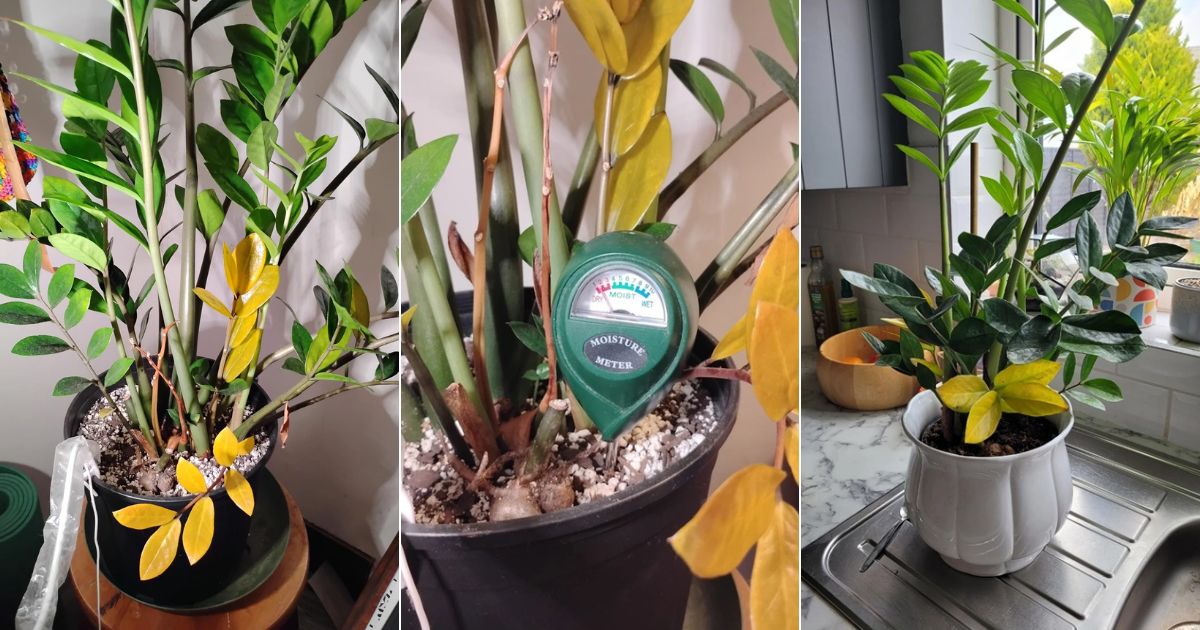
Noticing yellow leaves on your ZZ plant? Learn what causes the change, how to fix it, and what you can do to keep new leaves green.
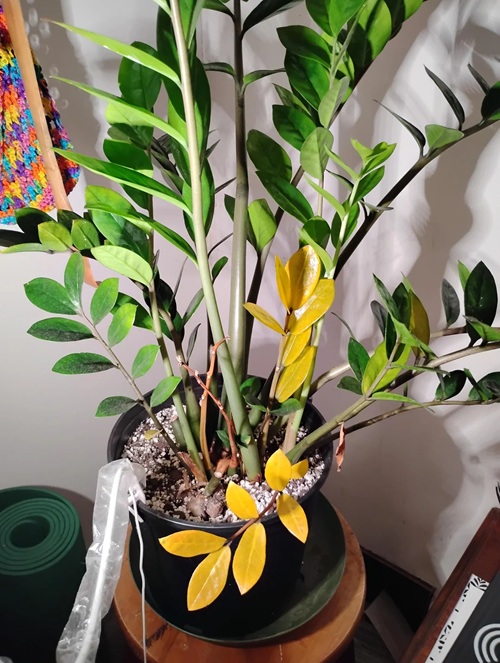
Why Is My ZZ Plant Turning Yellow? If your ZZ plant has started losing its green color, you may be wondering what went wrong. A few yellow leaves may not be a big concern, but several at once need attention. Check what is causing the problem and learn how to fix it.
Why Is My ZZ Plant Turning Yellow?
Want to build the perfect indoor plant setup? Check out this indoor gardening system that serious plant lovers swear by. You can also check our Amazon Storefront for all such gardening needs.
1. You Are Watering Your ZZ Plant Too Often
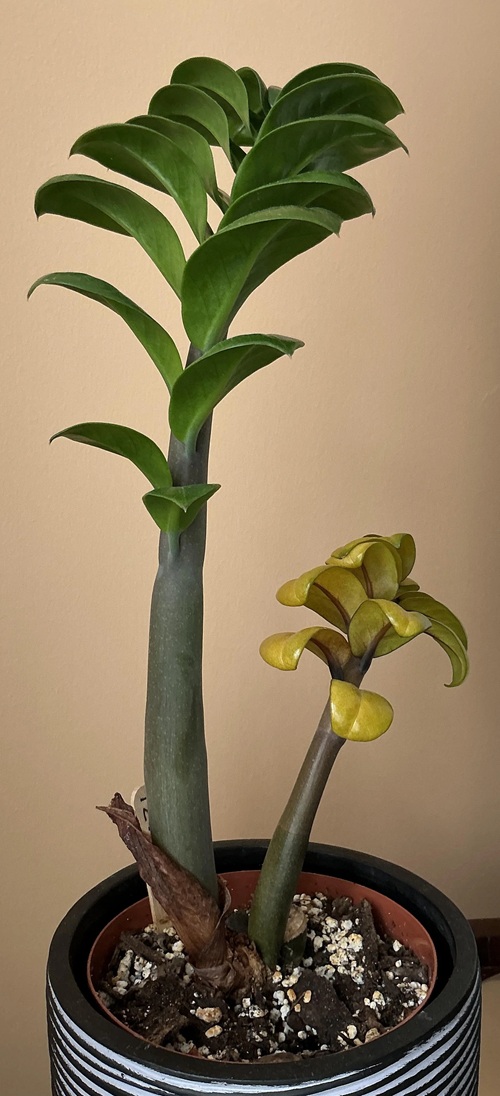
Overwatering is one of the first things to check when your ZZ plant develops yellow leaves. This plant stores water in its thick underground rhizomes, so it does not need frequent watering. If you keep the soil wet, the roots may struggle to get enough oxygen and begin to rot.
Check the soil before you water again. If it feels damp several inches below the surface, wait until it dries. Also, check whether the pot has drainage holes and whether water collects in the saucer.
If the soil smells unpleasant or the stems feel soft near the base, inspect the roots. Healthy roots and rhizomes should feel firm. Remove any soft, dark, or rotten parts with clean scissors, then repot the plant in fresh, well-draining soil.
Going forward, water thoroughly and let excess water drain away. Wait until the soil has dried throughout much of the pot before watering again. The exact interval depends on the pot size, room temperature, light, and soil mix.
Give your peace lily a well-draining growing mix that helps prevent excess moisture from sitting around the roots. Shop indoor potting mix on Amazon.
2. Your ZZ Plant Is Not Getting Enough Water
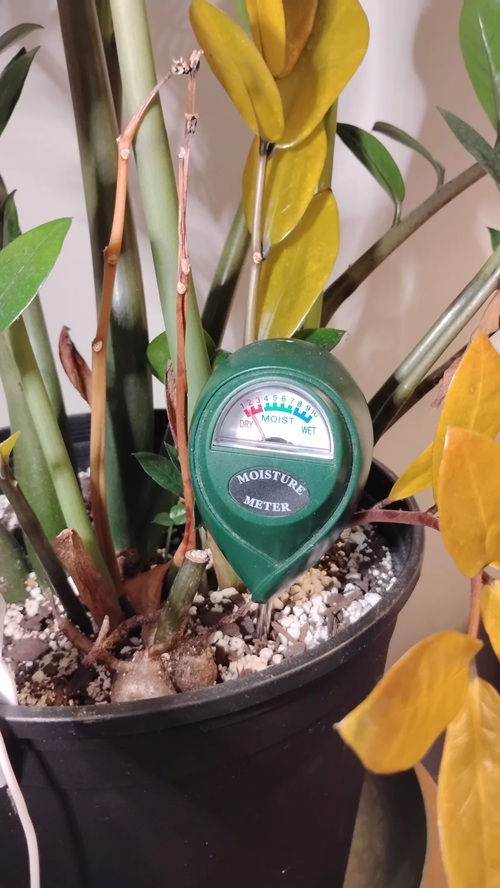
Although overwatering is more common, leaving your ZZ plant without water for too long can also cause problems. Its stored water helps it survive dry periods, but it cannot go without moisture indefinitely.
Check whether the potting mix has become very dry and pulled away from the sides of the pot. You may also notice wrinkled stems, dry leaf edges, or leaves that look less firm than usual.
If the soil is completely dry, water it slowly until water runs through the drainage holes. If the mix has become hard and water runs straight down the sides, apply water in a few passes so the soil has time to absorb it.
Let the pot drain completely before putting it back in its usual spot. Check the soil before your next watering rather than following a fixed schedule.
Do not assume that every yellow leaf means your plant needs water. If the soil is already wet, adding more water can make the problem worse.
You can also keep track of the moisture with this electronic meter.
3. Your Plant Is Getting Too Much Direct Sunlight
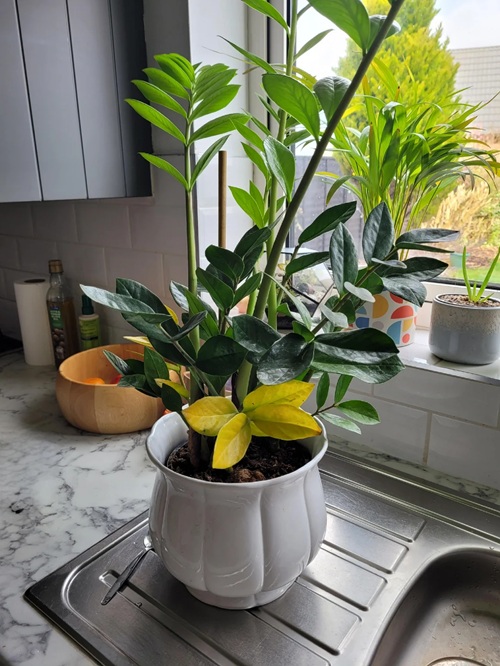
ZZ plants grow well in bright, indirect light and can tolerate lower light levels. However, strong direct sunlight can damage their leaves, especially when the plant sits close to a sunny window for several hours.
Look for yellow patches that develop into dry, brown areas. The damage may be worse on the side facing the window. Leaves exposed to intense sunlight can lose their healthy color and become scorched.
Move your plant away from harsh direct sunlight. A spot near an east-facing window or a little farther from a bright south- or west-facing window may work well. If direct sunlight enters the room, use a sheer curtain to soften it.
Avoid moving your ZZ plant into a dark corner to solve the problem. It still needs light to maintain healthy growth. Give it a few weeks in its new location and watch for healthy new leaves.
Keep in mind that damaged yellow or brown patches will not usually turn green again. Your aim is to prevent further damage.
4. Your ZZ Plant Is Getting Too Little Light
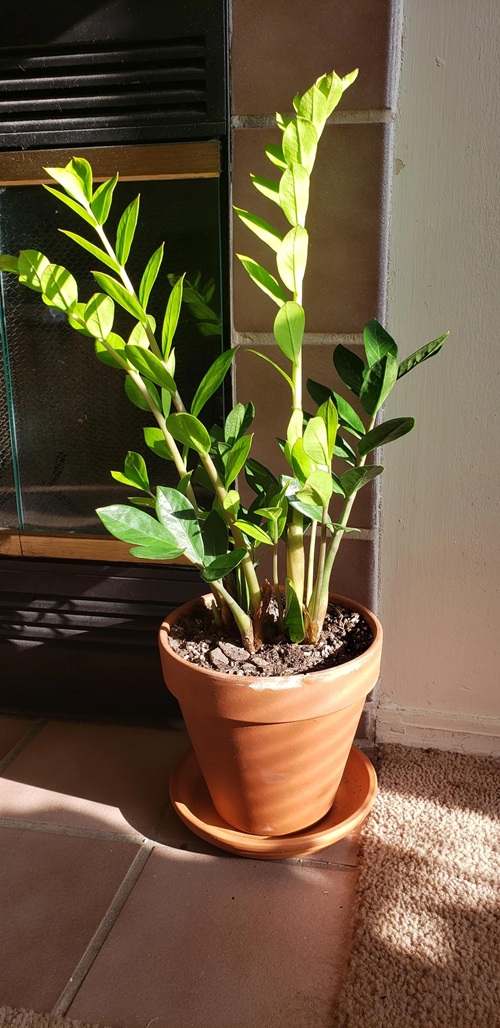
Your ZZ plant can survive in a room with limited natural light, but very dim conditions slow its growth. The soil also takes longer to dry, which increases the risk of overwatering.
If your plant sits far from a window, check how quickly the potting mix dries after watering. You may find that the soil stays damp much longer than expected. Weak or slow new growth can also indicate that the plant needs a brighter spot.
Move the plant closer to a window where it receives indirect light. Avoid placing it in strong direct sun all at once, as the sudden change can damage its leaves.
Adjust your watering routine to match the new conditions. A plant in low light generally uses water more slowly than one growing in brighter conditions.
If the leaves are yellow because of root damage from persistently wet soil, improving the light alone will not solve the problem. Check the roots if the yellowing continues.
Give your ZZ plant more light with a compact grow light from Amazon.
5. Your ZZ Plant Is Losing Older Leaves Naturally
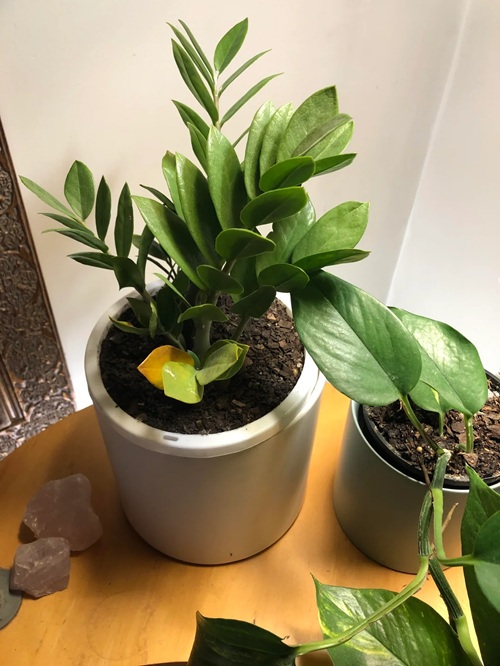
Not every yellow leaf is a sign of poor care. Like other houseplants, your ZZ plant sheds older leaves as it grows. You may notice one or two of the lowest leaflets turning yellow while the rest of the plant remains healthy.
Look at the pattern before you make any changes. If only an old leaf is affected and the stems remain firm, the soil drains well, and new growth looks healthy, natural aging is a likely explanation.
You can leave the leaf in place until it turns fully yellow, or remove it with clean scissors once it is no longer green. There is no need to repot the plant or change your watering routine because of one old leaf.
However, pay attention if several leaves begin yellowing within a short period. Yellowing that spreads across multiple stems, affects new growth, or appears alongside soft stems and wet soil needs further investigation.
Do not use your regular scissors; instead, use these sharp electronic shears for pruning.
6. Your Plant Is Struggling With Nutrient Problems
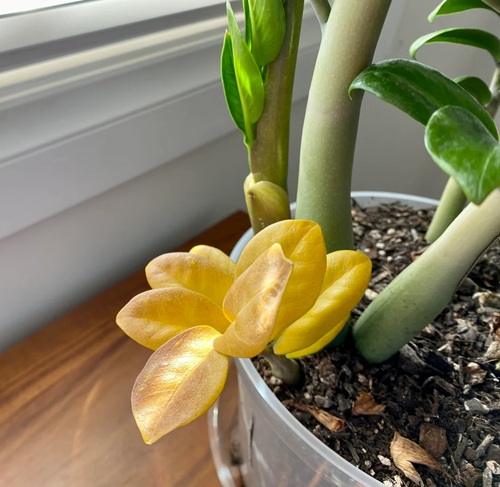
ZZ plants do not need frequent feeding, but they still require nutrients for healthy growth. If your plant has been growing in the same potting mix for a long time without any feeding, a nutrient shortage may be worth considering.
The pattern of yellowing can offer clues. Older leaves may lose their green color when nitrogen is lacking, while some other nutrient deficiencies cause yellowing between the veins or along the leaf edges. These symptoms can overlap with watering and root problems, so leaf color alone cannot confirm a deficiency.
First, check the soil and roots. If the roots are damaged or the soil stays wet, correct those problems before adding fertilizer.
If the plant is otherwise healthy and actively growing, use a balanced liquid houseplant fertilizer diluted according to the product label. Feed during the growing season and reduce or stop feeding when growth slows.
Do not add extra fertilizer in the hope of making yellow leaves green again. Too much fertilizer can cause salt buildup around the roots and lead to further leaf damage.
Here is a multipurpose plant food that boosts your plant’s health with a single scoop.
7. Pests or Repotting Stress Are Damaging Your Plant
Sometimes yellow leaves appear after you repot your ZZ plant or when pests begin feeding on it.
Repotting stress
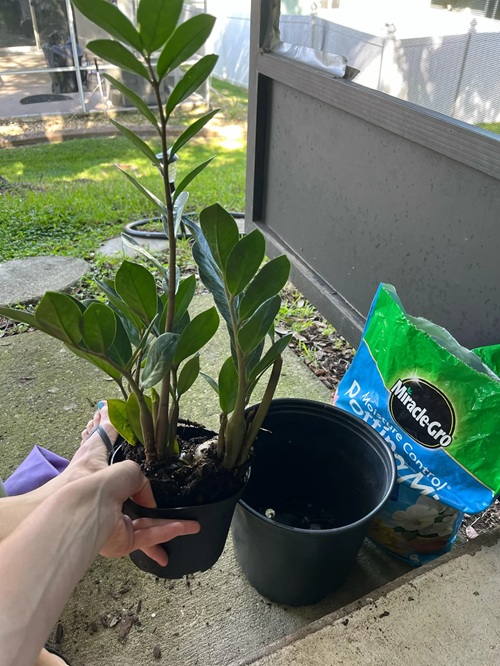
Repotting can disturb the roots, especially if you break apart the root ball or damage the underground rhizomes. Your plant may respond with a few yellow leaves while it adjusts to the new pot.
Check whether the new pot is much larger than the old one. Excess soil around the roots can hold moisture for too long, particularly when the plant is growing slowly. Choose a pot only slightly larger than the root system, with drainage holes, and use a loose, well-draining potting mix.
After repotting, keep the plant in indirect light and avoid unnecessary watering or feeding. Allow it time to settle before making further changes.
Here is a beautiful ceramic pot that can be your plant’s new home.
Pest damage
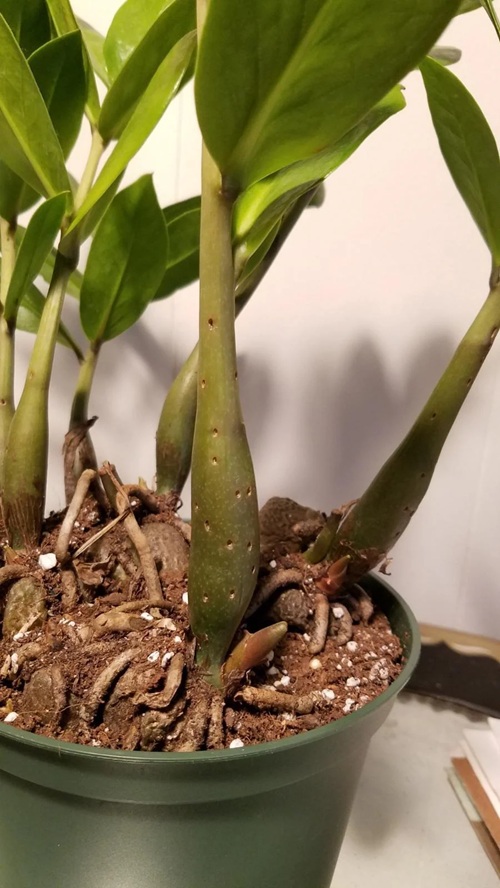
Inspect both sides of the leaves and the stems for small insects, fine webbing, cottony white patches, or sticky residue. Spider mites, mealybugs, and scale insects can weaken your plant and contribute to yellowing.
If you find pests, move the plant away from other houseplants. Remove visible insects and treat the affected areas with an insecticidal soap labelled for indoor plants, following its instructions. Check the plant regularly and repeat treatment if the product label recommends it.
Do not apply several treatments at once. First identify the likely cause, then use a suitable treatment and monitor the plant.
This organic neem oil can be used to effectively kill the pests on your plants.
How to Help Your ZZ Plant Recover
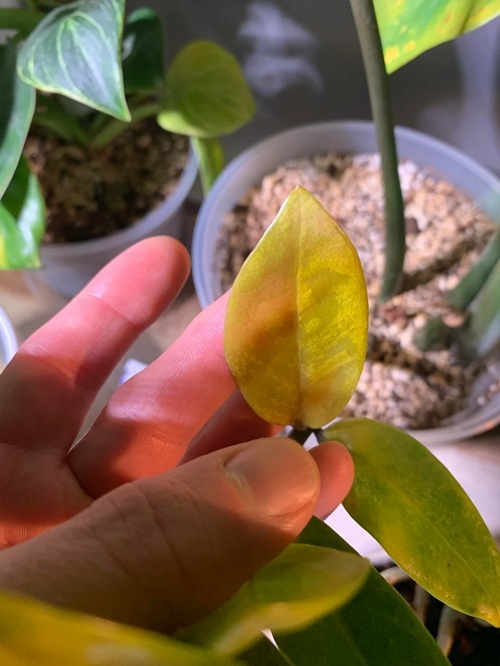
Once you identify the likely cause, focus on correcting it instead of changing every part of your plant’s care routine.
Start by checking the soil moisture and drainage. If the mix is wet for a long time or the stems feel soft, inspect the roots for rot. If the soil is dry, water thoroughly and allow the pot to drain.
Next, place your plant in a spot with suitable indirect light. Remove fully yellow or dead leaves with clean scissors, but leave healthy green growth in place.
Avoid fertilizing a plant that is already stressed by root damage. Wait until it shows signs of healthy growth before returning to a regular feeding routine.
Recovery takes time. Existing yellow leaves may not regain their color, but healthy stems and new growth can show that your changes are helping. Check the plant regularly over the next few weeks rather than making further changes every day.
Want every houseplant in your home to thrive? This beginner-friendly guide is packed with practical tips you’ll actually use.