
As an Amazon Associate, we earn a small commission from qualifying purchases — at no extra cost to you.
Why Rubber Plant Leaves Keep Falling? Learn the common causes and simple fixes to stop leaf drop and help your plant grow healthy again.
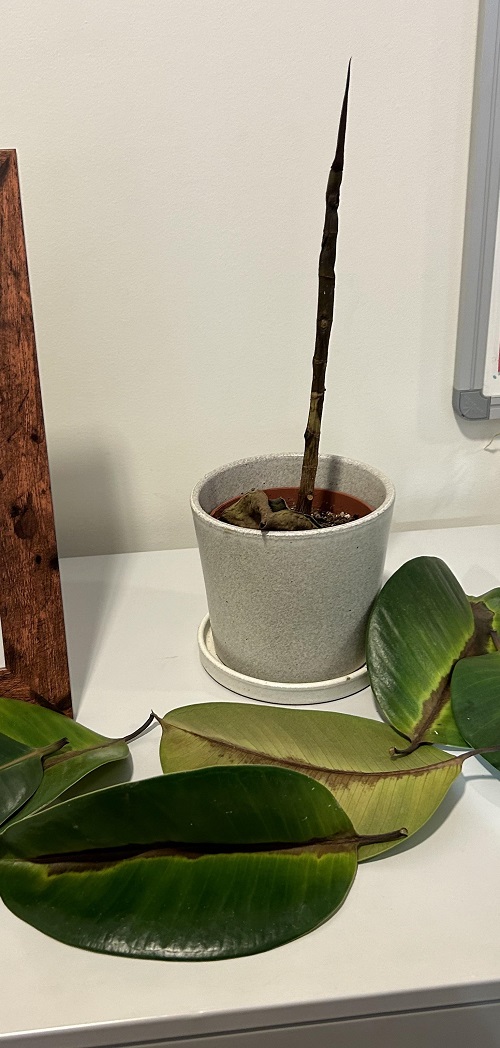
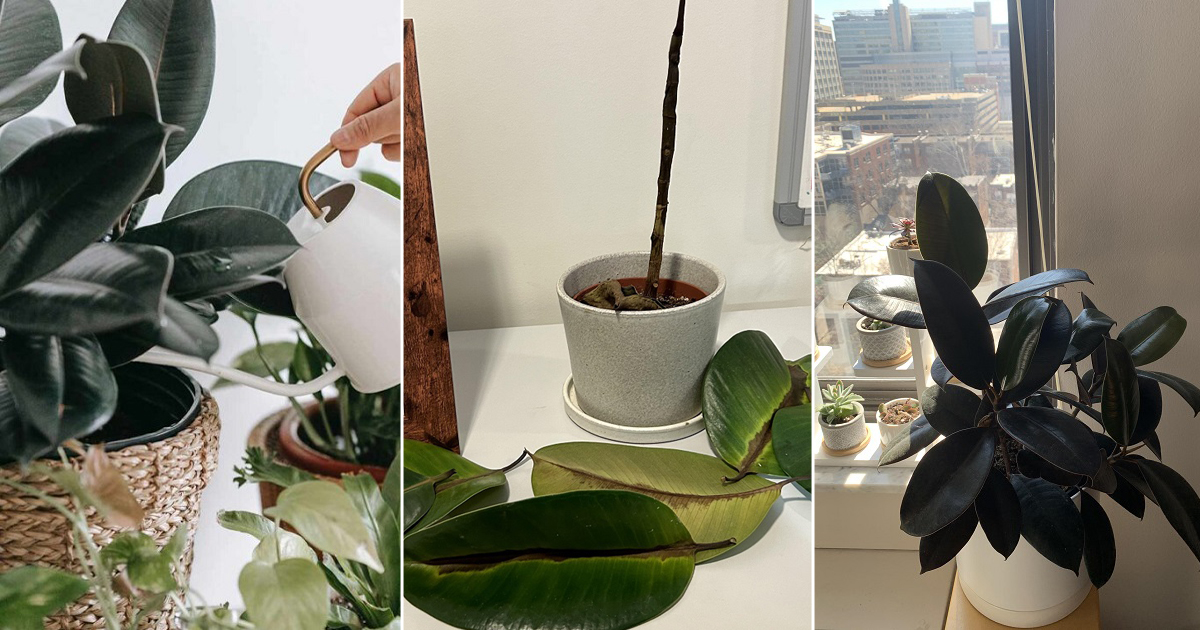
You buy a rubber plant because of those big, shiny leaves. Then a few weeks or months later, leaves start dropping. Sometimes it is just one leaf. Other times you find several on the floor and begin wondering if the plant is dying.
In most cases, it is not dying. Rubber plants are actually quite tough. When they lose leaves, they are usually reacting to a change in their environment. The trick is to look at what has changed recently rather than assuming the plant has a disease.
Why Rubber Plant Leaves Keep Falling: Causes and Fixes
1. Too Much Water
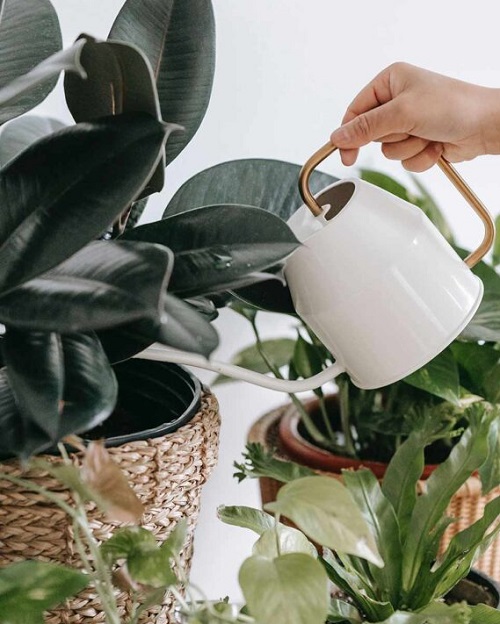
If your rubber plant is losing leaves, the first thing you should check is the soil. Overwatering is the most common reason.
You may think you are helping the plant by watering regularly, but rubber plants do not like sitting in wet soil. Their roots need oxygen as much as they need moisture. When the soil stays soaked, the roots begin to struggle. If the problem continues, root rot can develop, and the plant starts dropping leaves to cope with the stress.
You might notice the lower leaves turning yellow first. They become soft before falling off. Sometimes the soil also stays wet for several days after watering.
Instead of watering on a fixed schedule, check the soil every time. Push your finger about 2 inches deep. If it still feels damp, wait another few days. Your plant will be much happier if you let the soil dry slightly between watering.
This bestselling moisture meter tells you exactly when your rubber plant needs a drink.
2. Letting the Soil Stay Too Dry Can Cause the Same Problem
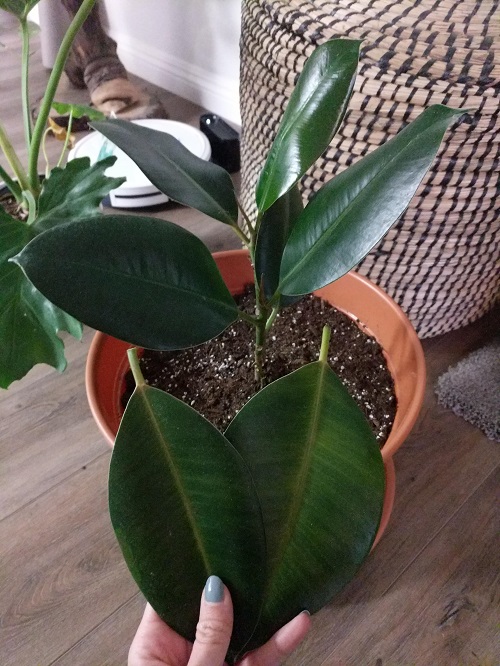
Too little water can also make your rubber plant lose leaves.
When you forget to water for too long, your plant cannot send enough moisture to every leaf. To survive, it sheds older leaves and saves its energy for the newer ones.
You may notice the leaves curling slightly before they fall. They often feel dry instead of soft. The potting mix may also pull away from the edges of the pot because it has become extremely dry.
When this happens, water your plant slowly until excess water drains from the bottom of the pot. Do not give it just a small splash. The roots need a deep drink so the entire root ball becomes evenly moist.
After that, allow the top couple of inches of soil to dry before watering again.
3. You Should Keep Your Plant in One Place
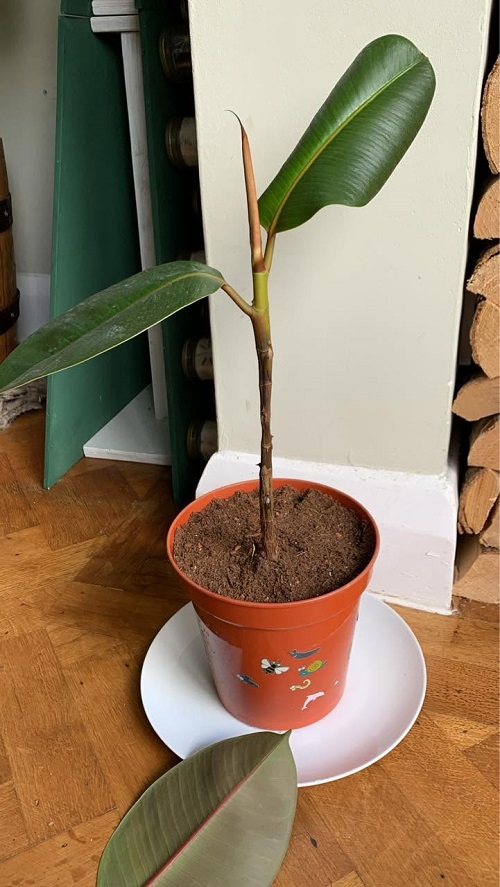
Rubber plants like stable conditions.
If you move yours from room to room every few days, it may respond by dropping leaves. Even moving it from a bright window to a darker corner can be enough to stress it.
When you bring a rubber plant home from the nursery, it is already adjusting to a completely different environment. If you continue changing its location, it takes even longer to settle.
Find a spot where your plant gets plenty of bright, indirect light and leave it there. You may still see one or two leaves fall while it adjusts, but the problem usually stops once the plant becomes comfortable.
4. Give Your Rubber Plant Enough Light
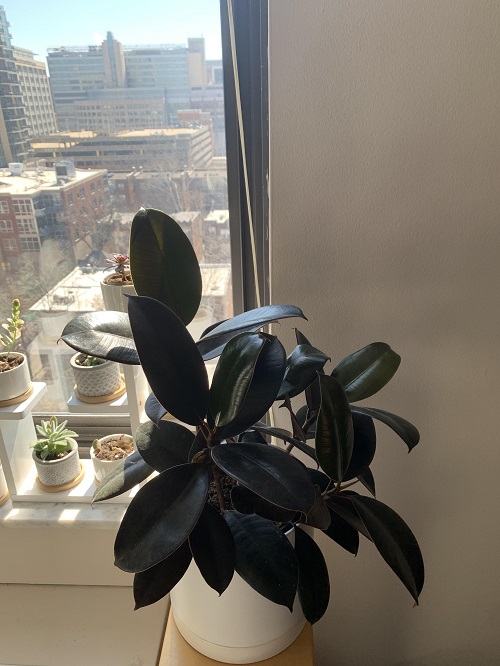
If your plant does not get enough light, it cannot make enough energy to support all of its leaves.
You may notice slow growth, smaller new leaves, and bare stems near the bottom. Leaf drop often happens gradually instead of all at once.
Place your rubber plant close to a bright window where it receives filtered sunlight for most of the day. Morning sun is usually gentle enough, but harsh afternoon sun through glass can scorch the leaves.
If your home is naturally dark, moving the plant closer to the brightest window often makes a noticeable difference within a few weeks.
If your home doesn’t get enough natural light, this LED grow light helps your rubber plant stay healthy all year.
5. Cold Air Can Stress Your Plant More Than You Think
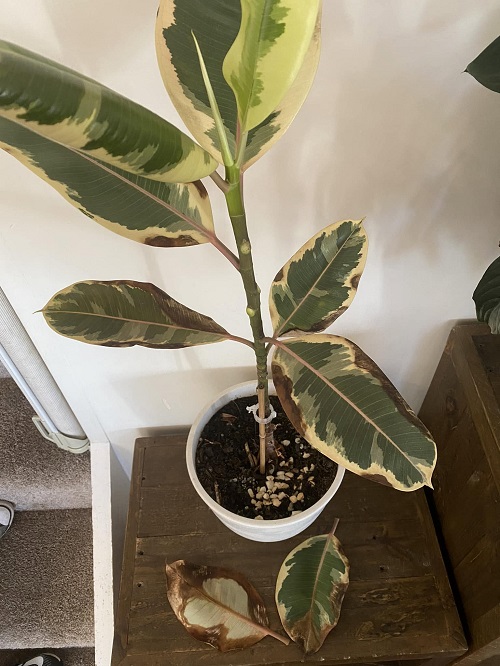
You may never connect leaf drop with temperature, but it happens quite often.
If your rubber plant sits next to an air conditioner, heater, or drafty window, the changing temperature can stress it. Tropical plants prefer stable warmth, and sudden chills can cause leaves to fall even when watering is correct.
Try to keep your plant where temperatures stay between 65°F and 80°F (18°C to 27°C). During winter, move it away from cold windows if you feel cool air coming through the glass. Even a small change in location can help.
A smart humidifier keeps humidity at a healthier level with very little effort.
6. Check the Pot Before You Blame the Plant
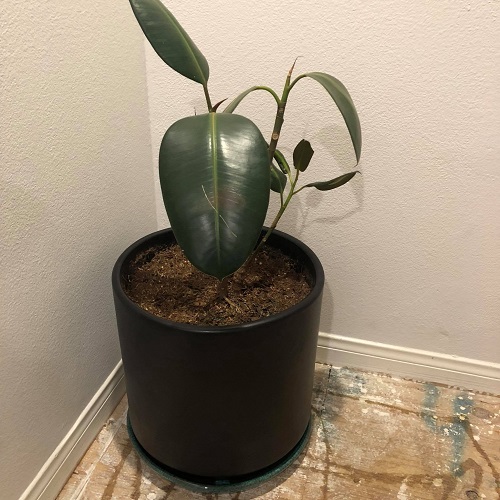
Sometimes the problem has nothing to do with how much you water. The real issue is where the water goes afterward. If your pot has no drainage hole, excess water collects at the bottom. The roots stay wet much longer than they should.
The potting mix also matters. Heavy soil holds too much moisture, while a loose indoor plant mix allows water to drain properly.
If you notice water sitting on top of the soil for a long time before soaking in, your mix may have become compacted. Fresh potting soil often solves this problem and gives the roots room to breathe.
. This premium blend drains well and keeps rubber plant roots healthier.
7. Your Rubber Plant May Have Outgrown Its Pot
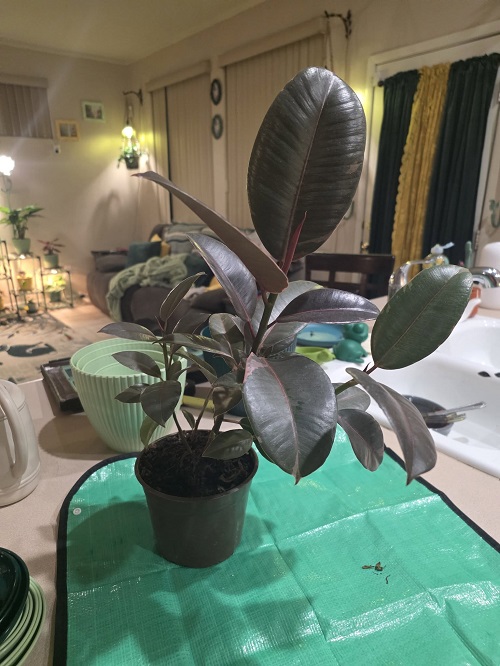
If you have not repotted your rubber plant for several years, take a closer look.
When roots fill the entire pot, they compete for water and nutrients. You may find yourself watering more often because the soil dries very quickly.
Slide the plant out carefully and look at the roots. If they are wrapped tightly around the soil in thick circles, it is time to move the plant into a container that is only one size larger.
A slightly bigger pot gives the roots space without leaving too much wet soil around them.
Repot your rubber plant into a stylish planter with drainage holes
8. Too Much Fertilizer Can Do More Harm Than Good
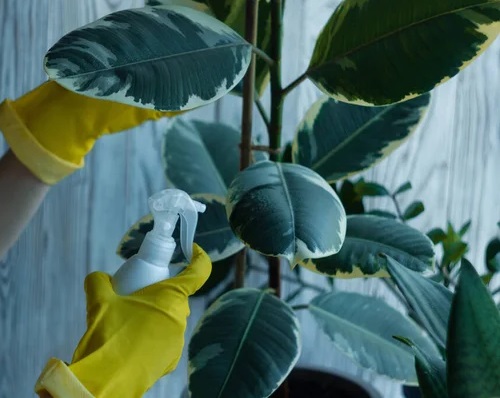
You do not need to feed your rubber plant every time you water it. Too much fertilizer builds up salts in the soil. These salts can damage the roots and make the plant drop leaves.
If you notice a white crust on the soil or around the inside edge of the pot, fertilizer buildup may be the reason. Flush the soil with plenty of clean water to wash away the extra salts. Then wait a few weeks before feeding again.
For most indoor rubber plants, fertilizing once a month during spring and summer is enough. During fall and winter, your plant usually needs very little or none at all.
This bestselling guide explains watering, lighting, and plant care in a simple, practical way.